

1124 Cedar Creek Rd, Fayetteville, NC 28301
To contact a resident: (910) 323-8212
For more information about senior living options: (866) 208-4318
Cedar Creek Assisted Living Costs & Pricing
Cedar Creek Assisted Living offers competitively priced accommodations, particularly when we compare the costs to those in Cumberland County and the broader state of North Carolina. For instance, their semi-private rooms are available at an attractive rate of $1,800 per month, significantly lower than the average rates in Cumberland County at $3,185 and across the state at $3,584. Similarly, their one-bedroom units are priced at $2,000 monthly, offering substantial savings compared to Cumberland County's average of $4,253 and North Carolina's overall figure of $4,055. These cost-effective options reflect Cedar Creek's commitment to providing quality care while ensuring affordability for residents and their families.
| Floor plans | Cedar Creek Assisted Living | Cumberland County | North Carolina |
|---|---|---|---|
| Semi-Private | $1,800 | $3,185 | $3,584 |
| 1 Bedroom | $2,000 | $4,253 | $4,055 |
Assisted Living communities with a similar price nearby
-
About the same
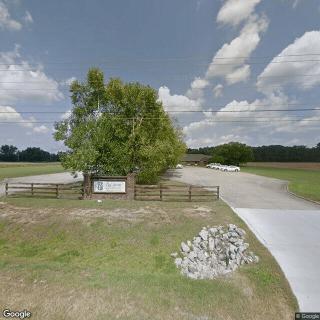
Red Springs Assisted Living
$1,850 to $2,250 / month23.8 miles away -
About the same
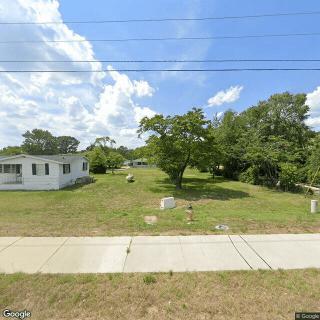
Pine Valley Adult Care
$1,800 to $2,300 / month4.6 miles away -
from +$200 / mo
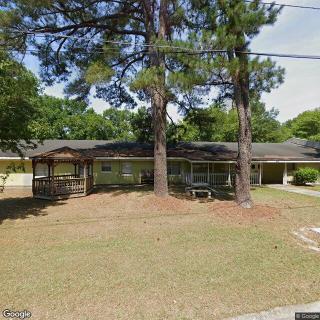
Mann Street Residential Care Facility
$2,000 to $2,500 / month2.1 miles away
Overall Review of Cedar Creek Assisted Living
Pros
 The staff are great and willing to assist.
- The building is well maintained, though it is older.
- Everything was really good.
Cons
 Staff are defensive and incompetent.
- The Director dislikes when anyone asks valid questions about a patient.
- The Director defends her staff to cover up for not following policy.
- The place is a dump.
- Grass in the smoking area grows tall, allowing snakes to get into the building.
- The majority of staff are useless.
- The nurses are mean to residents.
- The administrator protects the nurses.
Review
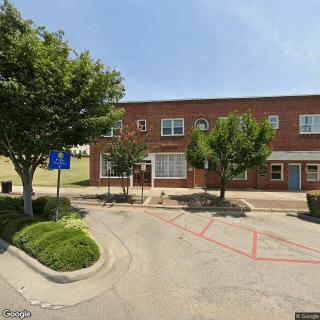
Cedar Creek Assisted Living in Fayetteville, NC is best suited for families seeking a facility with a consistently responsive front-line staff and a building that is well maintained, even as it shows its age. This community tends to work best for residents who prioritize daily staff availability and a cared-for environment over the latest amenities or a comprehensive memory-care program. In short, it serves as a practical choice for those with mild-to-moderate needs who can tolerate an older footprint and gaps in specialized care.
However, there are clear red flags that push many families toward alternatives. Those evaluating memory care will want to look elsewhere, as there is no dedicated Alzheimer’s unit and several reviews flag a lack of appropriate resources for dementia, which matters for anyone confronting cognitive decline. The leadership experience at Cedar Creek is a decisive factor for many; reports describe a director and administrator who defend staff and may resist constructive questions about policy and care. For families requiring transparent governance, consistent care standards, and a culture that clearly prioritizes resident dignity, Cedar Creek will feel insufficient.
The strongest positives, namely, a genuinely willing-to-help staff and a building that is kept up, do not fully offset the major drawbacks. When staff members are described as helpful and the facility is clean and maintained, that creates real comfort in daily life: timely assistance, routine safety, and a sense that the place still functions well day to day. Yet these strengths are undermined by recurring themes of staff difficulty, defensive leadership, and limited accountability. The contrast between a well-kept exterior and deeper care-management concerns makes the overall value proposition precarious for families who need reliability across shifts and a culture of continual improvement.
The most serious cons center on care quality and administrative behavior. Several reviews portray nurses as unkind or dismissive toward residents, with complaints escalated to an administrator who allegedly protects staff rather than residents. Privacy and procedural transparency also emerge as issues, with uncomfortable implications for how complaints are handled and how information is shared. Coupled with the absence of a memory-care unit, these patterns suggest potential declines in resident well-being if cognitive needs grow or if day-to-day interactions become irregular or punitive. The physical environment compounds risk: reports of overgrown outdoor areas, inadequate maintenance in exterior spaces, and even a bare electrical outlet plate point to safety lapses that should not be ignored.
Decision-making for families should hinge on concrete needs and risk tolerance. If memory support is non-negotiable, Cedar Creek is unlikely to satisfy. Prospective residents should insist on talking to direct caregivers, request real-time problem-resolution examples, and probe for staffing levels during different shifts. Compare pricing and what is included in the care plan versus nearby options with proven memory-care services and more transparent governance. It is also prudent to tour during peak activity hours to observe how staff interact with residents under real pressure, and to speak with current residents and families about how issues are addressed over time.
The bottom line is clear: Cedar Creek can meet basic daily living needs with a well-maintained facility and responsive frontline staff, but a pattern of management defensiveness, subpar clinical care signals, and the absence of appropriate memory-care options create a risk delta that is hard to justify for families seeking a secure, well-governed, high-quality care home. For seniors with simple, stable needs and families who value courteous, available staff, Cedar Creek may still be workable, if cost is compelling and risk is carefully managed. For anyone facing cognitive decline, behavioral challenges, or a priority on transparent leadership and proven memory-care capacity, moving on to alternatives is strongly advised.
 Assisted Living
 Activities on-site
 Bath tubs
 Devotional services off-site
 Indoor common areas
 Outdoor common areas
 Respite or short term stays offered
 Wheelchair accessible showers
 Fayetteville Municipal (3 miles away)
 Ambulatory care
 Diabetic care
 Meals provided



 Comprehensive Insights into Activities of Daily Living (ADLs) and Their Assessment
 Medicare Coverage for Assisted Living: An In-Depth Exploration
 Your Comprehensive Guide to Luxury Assisted Living: Elevated Facilities, Amenities, and Costs