For more information about senior living options: (866) 208-4318
3.3 from 33 reviews
5 stars
13
4 stars
6
3 stars
3
2 stars
0
1 stars
11
Waterbrooke of Elizabeth City Costs & Pricing
Waterbrooke of Elizabeth City offers competitively priced options for senior living, particularly when compared to both Pasquotank County and the broader North Carolina market. For a semi-private room, residents can expect to pay $2,400 per month, which is significantly lower than the county average of $3,925 and the state average of $3,584. Private rooms at Waterbrooke are offered at $2,600 per month - aligning with local costs while being notably more affordable than the state rate of $4,425. Additionally, their one-bedroom suites are priced at $3,400 per month, representing a substantial savings compared to Pasquotank County's average of $5,210 and exceeding the state median of $4,055. Overall, Waterbrooke of Elizabeth City presents an attractive option for individuals seeking quality care without the financial strain often associated with senior housing.
Floor plans
Waterbrooke of Elizabeth City
Pasquotank County
North Carolina
Semi-Private
$2,400
$3,925
$3,584
Private
$2,600
$2,600
$4,425
1 Bedroom
$3,400
$5,210
$4,055
Memory care communities with a similar price nearby
Activities are a frequent highlight for residents and visitors alike.
Many reviews describe a steady calendar of scheduled activities, including games and outings, plus events that are specifically planned for residents. Several families and volunteers talk about being able to visit and see residents engaged, rather than sitting idle. Even when a reviewer calls out limitations, they still mention activities like bingo and church services.
common19 reviews mention this
Staff care is often visible
Residents and families frequently describe attentive, helpful staff.
Across reviews, staff are often described as caring and responsive, including administrators and nurses aides who handle concerns and communicate when problems come up. Some families specifically mention friendly interactions during visits and help with calls and emails. A few reviewers express the opposite, saying administration or day-to-day help fell short or felt unprofessional.
caveat9 reviews mention this
Care quality is inconsistent
Some reviews raise serious concerns about day-to-day care.
While several reviews are positive about care, multiple others describe breakdowns that affected residents directly. Complaints include inadequate assistance, issues with hygiene, medication being handled improperly, and a facility that was failing to meet basic needs such as heat. A few reviewers also describe concerns in memory care and management problems that contributed to their negative experiences.
common7 reviews mention this
Cleanliness and safety stand out
Many reviewers say the building looks clean and safe.
Several reviews mention the facility is clean and odor-free, with residents described as clean and well groomed. Others point to safety and monitored visiting as a positive, supported by comments about the environment feeling secure. A smaller set of reviews goes the other direction, describing the building as run down or cleanliness as less adequate.
How we summarize
Counts show how many written reviews mention each theme; a review can touch several themes, and only frequently mentioned themes are displayed.
Features
Housing
130 resident community capacity
Types of Care
Assisted Living
Memory Care
Amenities
Activities off-site
Activities on-site
Air-conditioning
Beautician on-site
Beauty salon
Cable or satellite TV
Computer center
Devotional services on-site
Dining room
Fitness room
Fully furnished
Gaming room
Garden
Housekeeping services
Indoor common areas
Kitchenette
Move-in coordination
Outdoor common areas
Outdoor space
Private bathrooms
Respite or short term stays offered
Restaurant-style dining
Small library
Telephone
Wellness center
Wheelchair accessible showers
Wi-Fi/high-speed internet available
Transportation
Community operated transportation
Transportation arrangement
Transportation arrangement (non-medical)
Transportation to doctors appointments
Care Services
12-16 hour nursing
24-hour call system
24-hour supervision
Activities of daily living assistance
Assistance with bathing
Assistance with dressing
Assistance with transfers
Diabetes diet
Diabetic care
High acuity care
Incontinence care
Meal preparation and service
Medication management
Mental wellness program
Mild cognitive impairment
Special dietary restrictions
Specialized memory care programming
Dining
Diabetes diet
Guest meals
Low / no sodium
Meals provided
No Sugar
Restaurant style dining
Special dietary restrictions
Activities
Activities off-site
Activities on-site
Art classes
Birthday parties
Brain fitness
Community-sponsored activities
Concierge services
Day trips and outings
Devotional activities on-site
Fitness programs
Holiday parties
Live musical performances
Pet-focused programs
Planned day trips
Resident-run activities
Scheduled daily activities
Trivia games
Nearby Places of Interest
This part of Elizabeth City, North Carolina offers a mix of convenience and comfort with its proximity to amenities like the Cracker Barrel restaurant just 23 miles away. The area is known for its peaceful atmosphere and friendly community, making it a great option for senior living. With easy access to dining options and other conveniences, residents can enjoy a relaxed lifestyle while still having everything they need within reach. Additionally, the surrounding natural beauty adds to the charm of this area, providing a serene environment for those looking to retire in a tranquil setting.
Waterbrooke of Elizabeth City offers competitively priced options for senior living, particularly when compared to both Pasquotank County and the broader North Carolina market. For a semi-private room, residents can expect to pay $2,400 per month, which is significantly lower than the county average of $3,925 and the state average of $3,584. Private rooms at Waterbrooke are offered at $2,600 per month - aligning with local costs while being notably more affordable than the state rate of $4,425. Additionally, their one-bedroom suites are priced at $3,400 per month, representing a substantial savings compared to Pasquotank County's average of $5,210 and exceeding the state median of $4,055. Overall, Waterbrooke of Elizabeth City presents an attractive option for individuals seeking quality care without the financial strain often associated with senior housing.
Waterbrooke of Elizabeth City offers essential features that cater to the unique needs of residents with dementia or Alzheimer's disease. The facility ensures 24-hour supervision, providing a safe environment where trained staff can assist residents at any moment, fostering a sense of security. Personalized support with activities of daily living--including bathing, dressing, and transfers--promotes independence while reducing frustration for those facing cognitive challenges. Engaging in brain fitness activities helps stimulate cognitive function, while the mental wellness program addresses emotional health, contributing to overall quality of life. Incontinence care and meal preparation are handled with sensitivity and respect, ensuring dignity during personal routines. Additionally, specialized memory care programming is tailored to meet individual needs, along with meticulous medication management that safeguards against potential errors inherent in complex regimens. Together, these services create a nurturing atmosphere that not only supports daily functioning but also enhances the well-being of residents at various stages of cognitive decline.
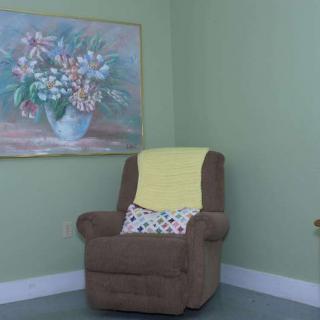
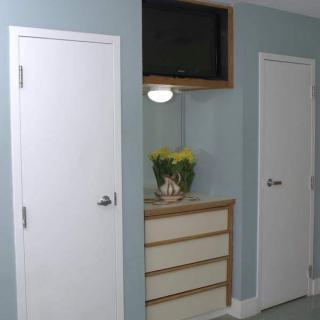
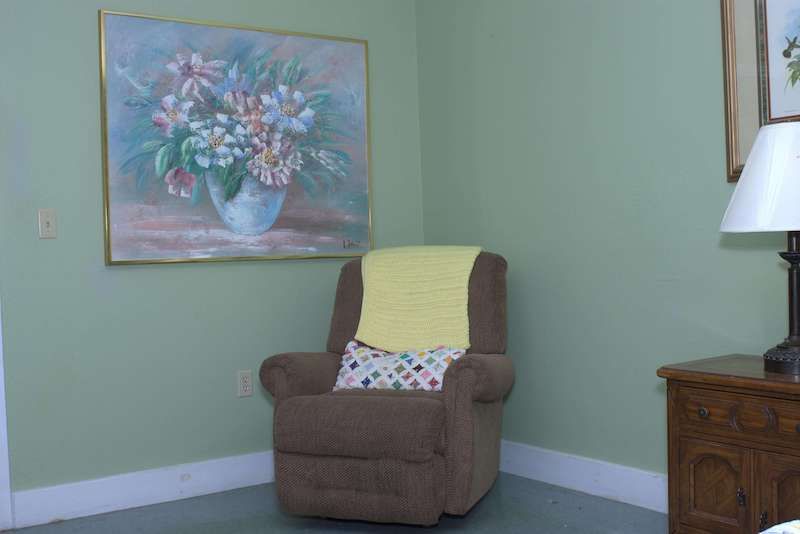
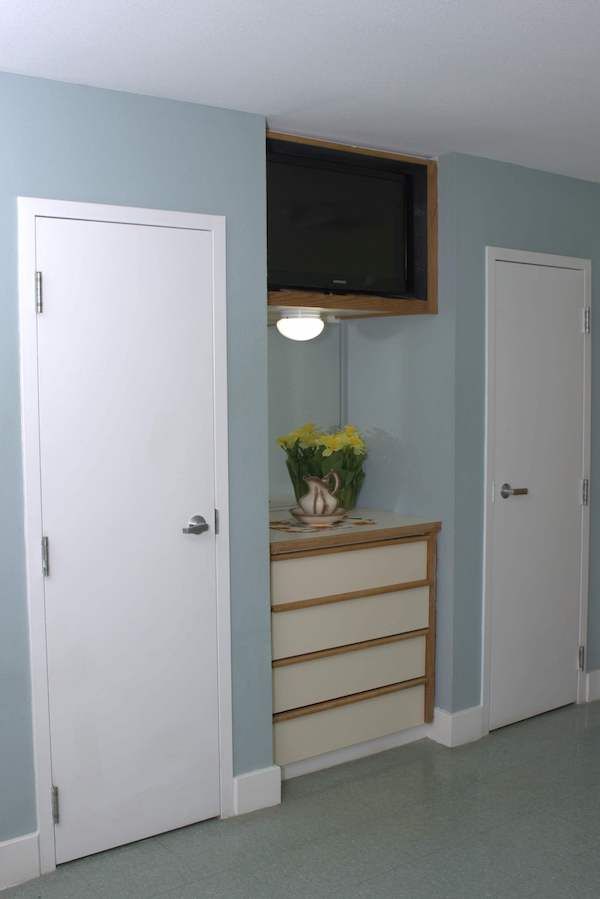
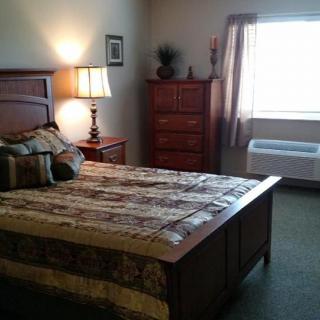
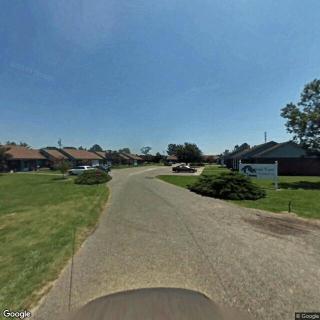
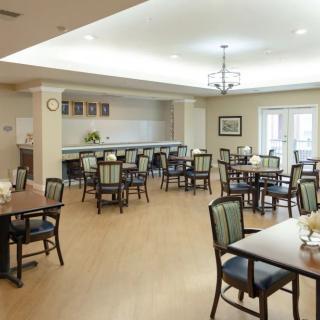
Waterbrooke of Elizabeth City on seniors.fyi includes 3 photos including images showing interior, living room, painting, decor, brick wall, doors, television, and more.
Nearby Communities
Brookdale Elizabeth City
Elizabeth City, NC
4.3 from 39 reviews
$5,450 to $7,020 / month
Caring, friendly staff in a clean, welcoming setting with engaging daily activities.
House Of Love Family Care Home
Elizabeth City, NC
2.5 from 10 reviews
Intimate, home-like setting with personalized care and comprehensive ADL support.
Citadel Elizabeth City
Elizabeth City, NC
4.2 from 50 reviews
Well-maintained facilities with a warm, home-like feel, compassionate staff, and strong rehabilitation services.
Heritage Care Of Elizabeth City
Elizabeth City, NC
2.4 from 11 reviews
Extensive amenities and 24/7 staff support.
Elizabeth City Health And Rehabilitation
Elizabeth City, NC
3.4 from 45 reviews
24/7 supervision and comprehensive ADL support with on-site amenities.
Lily's Blessings Family Care Home
Elizabeth City, NC
5 from 65 reviews
Small, homelike setting with personalized care.
Currituck House
Moyock, NC
3.3 from 26 reviews
$2,400 to $3,650 / month
Clean facility with caring staff and engaging activities for residents.
Edenton Prime Time Retirement Village
Edenton, NC
4.1 from 18 reviews
$565 to $3,200 / month
Attentive staff and a clean, engaging environment.
Harmony At Oakbrooke
Chesapeake, VA
3.8 from 142 reviews
$3,095 to $5,200 / month
Clean, friendly staff with a bright, engaging environment and on-site amenities and activities.
The content outlines five key early indicators of dementia, including significant memory loss and confusion about time and place, while emphasizing the need for professional evaluation and emotional support for both individuals showing symptoms and their caregivers. It encourages family members to monitor these signs closely and use online quizzes for initial awareness.
The article highlights eight indicators that a loved one with dementia may require specialized memory care, emphasizing the emotional and logistical challenges families encounter in this decision. It discusses signs such as difficulties with daily tasks, safety concerns, and caregiver burnout, suggesting that memory care facilities can provide the necessary support and structured environments for those experiencing cognitive decline.
Dementia, primarily caused by Alzheimer's disease but also linked to other conditions, leads to cognitive decline impacting memory and daily functioning, with individuals experiencing varied awareness of their impairments. Despite memory loss, emotional connections persist, enabling responses to familiar stimuli, highlighting the need for caregivers to provide compassionate support that recognizes both limitations and retained emotional depth.
Get PricingAsk A QuestionSchedule A TourContact Senior Advisor
By clicking submit, you agree to our Partner's Terms of Use. You
also consent to receive calls and texts, which may be autodialed, from our Partner. Your consent is not a condition to
using our Partner's service. Please visit our Partner's Privacy Policy for information about their privacy practices.


 130 resident community capacity
 Assisted Living
 Memory Care
 Activities off-site
 Air-conditioning
 Beautician on-site
 Cable or satellite TV
 Computer center
 Devotional services on-site
 Dining room
 Fitness room
 Fully furnished
 Gaming room
 Garden
 Housekeeping services
 Indoor common areas
 Kitchenette
 Move-in coordination
 Outdoor common areas
 Private bathrooms
 Respite or short term stays offered
 Restaurant-style dining
 Small library
 Telephone
 Wellness center
 Wheelchair accessible showers
 Wi-Fi/high-speed internet available
 Community operated transportation
 12-16 hour nursing
 24-hour call system
 Assistance with bathing
 Assistance with dressing
 Assistance with transfers
 Diabetes diet
 Diabetic care
 High acuity care
 Incontinence care
 Medication management
 Mental wellness program
 Special dietary restrictions
 Art classes
 Birthday parties
 Brain fitness
 Concierge services
 Day trips and outings
 Live musical performances
 Pet-focused programs
 Trivia games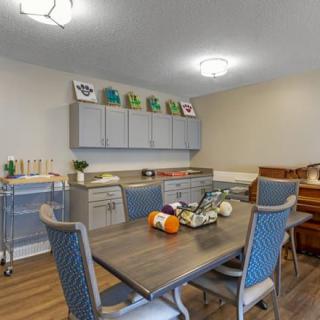
 Caring, friendly staff in a clean, welcoming setting with engaging daily activities.



 5 Early Indicators of Dementia and What You Can Do
 8 Important Indicators That Memory Care May Be Necessary
 Delving into the Inner World of Dementia: Insights into Thoughts and Awareness