
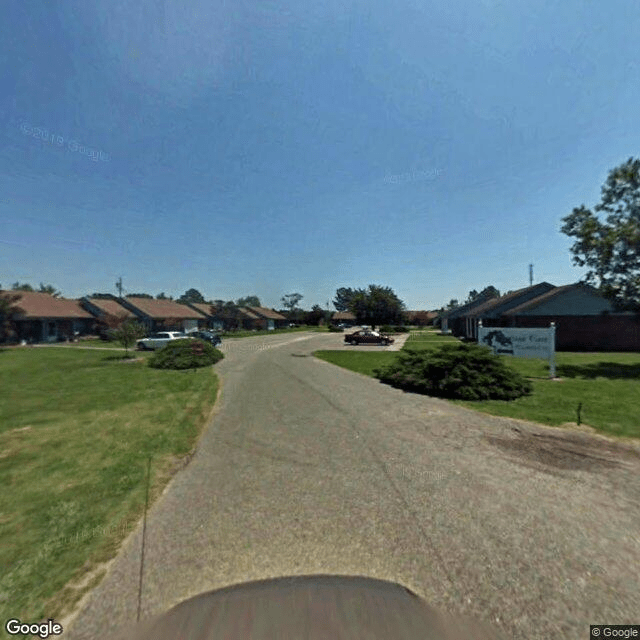
100 Timmerman Drive, Elizabeth City, NC 27909
For more information about senior living options: (866) 208-4318
Overall Review of Heritage Care Of Elizabeth City
Pros
 The patients are sweet.
Cons
 Ms. Darlene is rude to families and needs training on professional communication.
- She goes behind family members’ backs and does what she wants without permission.
- She told a caller to shut up, claimed they were making her sick, and hung up.
- She acts like she owns the building whenever contacted.
- The staff are nasty to patients, making the place feel sickening and depressing.
- The facility should be shut down because patients are treated badly and caregivers mislead about care.
- The nurses were described as "ghetto" and require investigation.
Review
Heritage Care of Elizabeth City is best suited for families with very few options in the Elizabeth City area who can commit to aggressive, hands-on oversight. The community appears to function with a small core of staff, yet the environment requires constant family involvement to prevent or counteract inconsistent care and potential mistreatment. In practical terms, this facility should be on the short list only when placement must happen quickly and no reliable alternative exists nearby, and when a designated family member is prepared to monitor daily routines, request updates, and intervene on care decisions. For those seeking a standard of care that aligns with reasonable expectations for dignity and safety, this is not the default recommendation.
Those prioritizing predictable, respectful treatment and dependable accountability should actively consider alternatives. Families that cannot tolerate rude communication, perceived overreach by staff, or a sense that care decisions are made without family consent will find this community untenable. A facility that invites repeated concerns about how residents are spoken to, treated, or managed by staff is unlikely to deliver the consistency required for long-term safety. Prospective residents with complex medical needs, mobility challenges, or cognitive issues demand a higher bar for supervision and responsiveness, and the current feedback pattern raises clear doubts about meeting that bar.
On the rare occasions when praise emerges, it is usually isolated. Some reviewers mention the kitchen staff in a positive light, and a few residents are described as sweet, suggesting that not every interaction is negative. Yet these fragments do not counter the broader impression of care gaps. The existence of small moments of civility does not overcome the sense that residents experience fear or distress due to how some staff engage with them. In practical terms, any potential alignment would require extraordinary, verifiable improvements in training, supervision, and accountability that are not evident in the current feedback.
The core drawbacks are persistent and serious. Multiple reviewers describe staff as rude or mean toward residents, including an account of a family member being spoken to disrespectfully and hung up on. Other comments portray pressure from staff to act without family consent, and a perception that management does not empower families to participate in care decisions. Several narratives claim residents are treated poorly or fear the staff, and the overall tone is one of oppression rather than support. A particularly sharp note comes from a family member who attributes a resident’s decline to inadequate care, underscoring how lapses can have tangible, even tragic, consequences.
These cons overwhelm any fleeting positives because safety, dignity, and reliable care are nonnegotiable in elder care. Even if some caregivers show competence, the frequency of negative interactions, apparent staff disrespect, and calls for closure create a red-flag calculus: the likelihood of a stable, nourishing living experience is not high. The explicit statements suggesting harm, and the suggestion that the facility may be unsafe, should prompt families to prioritize options with stronger oversight, better training, and more transparent communication. In short, the main drawbacks far exceed any potential benefits.
For families still weighing Heritage Care of Elizabeth City, the prudent approach is rigorous due diligence. Schedule repeated visits, observe resident interactions, and request to see care plans, incident reports, and staff training records. Check state inspection data and licensing actions for any patterns of concern, and speak with current residents and families about ongoing issues. If alternatives exist in the region with stronger staffing, calmer environments, and consistently respectful care, pursue them. If the choice is made to move forward with this facility, secure a concrete oversight plan: designate a single point person for daily updates, insist on timely responses, and set explicit expectations with administration about family involvement and safety protocols. Time-bound milestones should be established to reassess, with readiness to transition if behavior and care do not improve.
 60 resident community capacity
 Assisted Living
 Activities on-site
 Air-conditioning
 Beauty salon
 Cable or satellite TV
 Computer center
 Devotional services off-site
 Dining room
 Fitness room
 Fully furnished
 Gaming room
 Garden
 Housekeeping services
 Indoor common areas
 Kitchenette
 Move-in coordination
 Outdoor space
 Private bathrooms
 Restaurant-style dining
 Small library
 Telephone
 Wellness center
 Wi-Fi/high-speed internet available
 Community operated transportation
 12-16 hour nursing
 24-hour call system
 Ambulatory care
 Assistance with bathing
 Assistance with dressing
 Assistance with transfers
 Diabetes diet
 Diabetic care
 Medication management
 Mental wellness program
 Special dietary restrictions
 Concierge services
 Planned day trips






 Understanding the Distinctions: Assisted Living and Memory Care Explained
 Guiding Elderly Parents Who Refuse Assisted Living: 6 Practical Steps
 Your Comprehensive Guide to Luxury Assisted Living: Elevated Facilities, Amenities, and Costs