
1904 Johnson Road, Elizabeth City, NC 27909
For more information about senior living options: (866) 208-4318
Overall Review of House Of Love Family Care Home
Pros
 The patients are sweet.
Cons
 Ms. Darlene is so rude to the family; she needs training on how to speak professionally to family members.
- She goes behind family members' backs and does what she wants without their permission.
- She told me to shut up, I was making her sick, and she hung up.
- Every time I call, she acts like she owns the building.
- The faculty would be better off if they got rid of her nasty attitude.
- This place needs to be shut down.
- The people who work here are so mean to the patients.
- It's sickening.
- The patients are scared of the workers.
- Such a depressing place.
- Please don't send your loved ones here.
- Ghetto nurses.
- Somebody please investigate this place.
- The patients are sweet, but they are treated so badly.
- Please don't let your loved ones go to this facility.
- It is nasty and some of the staff are not kind to the patients.
- They want you to think they are taking good care of the client.
- My brother would still be alive if they had taken better care of him.
- They need to be shut down.
- The local authorities don’t seem to care.
- If I could give Heritage Care of Elizabeth City a 0 rating I would.
Review
House Of Love Family Care Home in Elizabeth City, NC is best suited for families that insist on hands-on oversight and are prepared to intervene aggressively on a loved one’s behalf. In practical terms, this means avoiding reliance on the place for calm, consistent, professional care unless family members are ready to monitor daily interactions, escalate concerns in real time, and move quickly if issues arise. The history attached to this home suggests that a resident’s safety and dignity depend far more on vigilant family involvement than on the facility’s internal processes.
Those who should definitely consider alternatives are families prioritizing respectful treatment and stable caregiving. The posted experiences depict a pattern of unprofessional communication from staff, and in several accounts, patients appear to experience discomfort or fear around those delivering care. When comfort, trust, and clear, humane treatment are nonnegotiables, this residence raises too many red flags to be deemed a prudent choice. For families seeking a trustworthy, reassuring environment, other local options with stronger reputations for staff conduct and resident advocacy are advisable.
Pros, if any, do not meaningfully offset the dominant concerns. A single nod to kitchen staff emerges in one remark, suggesting some level of routine service, and a couple of residents are described as sweet. Yet these fragmentary positives are not enough to counter pervasive reports of rude behavior, alarming attitudes toward families, and a culture that can feel threatening to those living and working there. In short, any minor comfort from a portions of staff or a few residents is overwhelmed by the larger narrative of disrespectful treatment and compromised care.
The most serious cons center on the treatment of residents and the reliability of the care environment. Reviewers describe staff as mean, unkind, and, in some cases, discourteous to families. Administrative conduct is questioned, with claims of behind-the-back decisions and a confrontational communication style toward relatives. The strongest warnings, claims that residents feel scared and that the facility should be shut down, underscore a fear of neglect or abuse rather than isolated incidents. Taken together, the negative experiences create a risk profile that frustrates any expectation of stability, trust, or safe, compassionate daily care.
For families still weighing this option, several practical steps can inform a smarter decision. Conduct a multi-hour, end-to-end visit at various times of day to observe direct interactions between staff, residents, and family members. Request to speak with frontline caregivers about daily routines, care plans, and individual needs. Check state inspection records and any enforcement actions with the North Carolina Division of Health Service Regulation, focusing on staffing levels, incident reports, and corrective actions. Ask administrative leadership for a transparent explanation of recent complaints and a written plan to address them, including staffing stability, training, and accountability mechanisms. Finally, gauge alternative facilities by comparing resident satisfaction, staff turnover, and the presence of family-friendly policies that encourage open communication rather than gatekeeping.
The bottom line is clear: this community presents a high-risk environment for families who cannot or will not exercise intense oversight. Given the recurring themes of disrespect, perceived neglect, and staff-related fear among residents, stronger options exist in the Elizabeth City area where care standards, staff professionalism, and resident dignity are priorities. If budget constraints are a concern, those constraints should not trump the fundamental need for a safe, respectful, and consistently well-supported living environment. In decision-making terms, this is a strong candidate to pass on in favor of facilities with verifiable track records of compassionate care, transparent administration, and a demonstrated commitment to resident well-being.
 6 resident community capacity
 Assisted Living
 Board and Care Home
 Cable or satellite TV
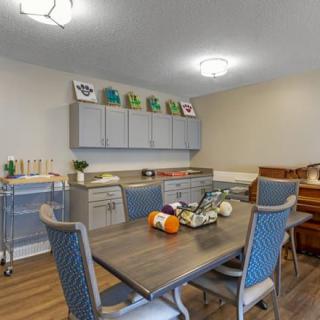
 Dining room
 Fully furnished
 Garden
 Housekeeping services
 Move-in coordination
 Outdoor space
 Telephone
 Wi-Fi/high-speed internet available
 24-hour supervision
 Activities of daily living assistance
 Assistance with bathing
 Assistance with dressing
 Assistance with transfers
 Diabetes diet
 Meal preparation and service
 Medication management
 Special dietary restrictions
 Transportation arrangement (medical)
 Transportation to doctors appointments







 A Detailed Exploration of Assisted Living Medicaid Waivers Across the United States
 Comprehensive Residential Support and Assisted Living Solutions for Individuals with Disabilities
 Comprehensive Supportive Living Arrangements for Adults with Disabilities