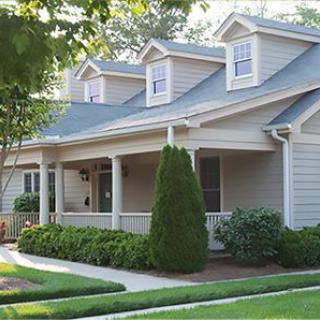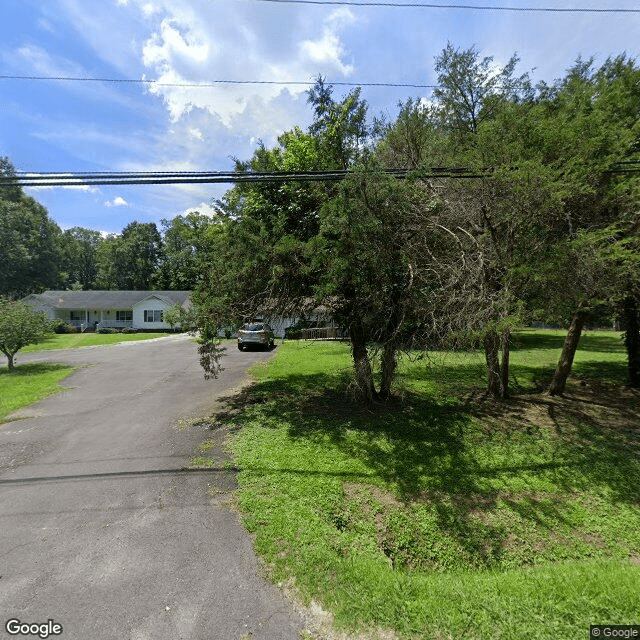
The Pickett House Family Care Home

Save
The Pickett House Family Care Home

The Pickett House Family Care Home

3811 Pickett Road, Durham, NC 27705

For more information about senior living options: (844) 490-3973

4.1 from 25 reviews
5 stars
17
4 stars
2
3 stars
2
2 stars
0
1 stars
4

Assisted Living Board and Care Home

Overall Review of The Pickett House Family Care Home

Pros

  • pro The staff are great, and the facility is very clean and nice.
  • pro The grounds are always well manicured, the front entrance is welcoming, and the staff are friendly and helpful.
  • pro It is described as the best retirement community the reviewers have ever visited.
  • pro It is excellent.
  • pro It is a very quiet area, with grounds that are beautiful and well kept.
  • pro The Forest at Duke has exceeded all expectations, with welcoming and helpful residents and staff; the activities are varied and numerous; the building and grounds are lovely and well-maintained; and the food is delicious.

Cons

  • pro Recurring rainwater problems in residents' apartments, with tarps hanging and dust in living spaces for weeks due to ongoing construction.
  • pro The staff are described as unqualified and inattentive.
  • pro Married couples are unfairly separated, and the facility is accused of promoting infidelity and restricting families from seeing sunlight and taking walks.
  • pro Aides and nursing assistants are criticized for lacking patience and kindness toward families living at the facility.
  • pro Administrators and owners are urged to greet families daily and show that they care about residents' welfare.

Review

Recent feedback about the retirement community landscape presents a broad spectrum of experiences, from commendations for warmth, cleanliness, and beauty to sharp concerns about maintenance, staffing, and family engagement. On one hand, several visitors and residents describe a place that feels inviting, well cared for, and staffed by friendly, helpful people. On the other hand, there are unmistakable warnings about ongoing issues in living spaces, gaps in attention from some staff, and volatile feelings about how families are treated and how activities are framed. Taken together, the notes sketch a community that is appealing in many ways but also imperfect, with clear areas where residents and their loved ones want to see meaningful improvements.

Several reviewers speak positively about the day-to-day environment. The staff are repeatedly praised for their courtesy, and the facilities are described as clean and well maintained. Comments highlight manicured grounds, a welcoming front entrance, and a general sense of warmth that makes visitors feel at home. Phrases like "great staff," "very clean and nice facility," and "the staff are always nice and facilities are great" recur in the testimonials, underscoring a dependable level of professionalism and hospitality. Another reviewer calls the grounds "well kept" and notes a peaceful, quiet area, which complements the aesthetic appeal of the property and contributes to an atmosphere many families value.

Beyond appearances, some residents report concrete positives in daily life. A long-time prospective resident couple describes visiting the Forest at Duke for years and deciding to move in after three months, finding that it exceeded their expectations. They praise the welcoming and helpful residents and staff, the breadth of activities (so numerous they cannot participate in all of them), and the overall beauty and upkeep of the building and grounds. They also compliment the lodging quality, singling out the delicious food and the attractive features of their cottage patio and entrance. Taken together, this testimony portrays a community where social life, culinary offerings, and physical surroundings align with what many families seek for senior living.

Yet not all feedback is uniformly positive. A terse, pointed remark declares unqualified and unattentive staff, signaling experiences where service did not meet expectations. One reviewer hints at inconsistent quality and responsiveness, which stands in contrast to the many praise-filled comments about friendly staff. This dichotomy suggests that experiences can vary significantly within the same community, depending perhaps on specific roles, shifts, or units, and it underscores the importance of consistent training and accountability across the organization.

There are also personal search-and-compare perspectives from individuals who are looking for a particular vibe. A commenter from Minnesota expresses a desire for "young at heart" retirees and on-campus retirement options that lean away from traditional, senior-center-style activities. This note highlights an audience segment that may be seeking more dynamic programming or a more contemporary living environment, and it serves as a reminder that retirement communities are increasingly expected to offer a range of activity styles to suit diverse preferences and life stages.

A sharply worded letter adds another layer of complexity, focusing on perceived inequities and procedural gaps. The author accuses the facility of unfairly separating married couples and of promoting infidelity, while also alleging that residents' families are denied access to sun exposure and outdoor activities. The critique extends to the behavior of aides and nursing assistants, calling for greater patience and kindness toward families who choose to live there. The author emphasizes that the families who pay for care deserve visible care and engagement from administrators and owners, urging leaders to greet families in person and to demonstrate genuine concern for residents' welfare. The intensity of this message conveys strong emotions and a demand for deeper empathy, transparency, and family-centered practices.

Taken together, these reviews present a nuanced portrait. The positives center on a clean, well-maintained and aesthetically pleasing environment, a front-facing culture of friendliness, robust social and culinary offerings, and a sense of community that some residents and families come to rely on and celebrate. The negatives underscore the real-world impact of maintenance challenges, the unevenness of staff performance, and the perceived need for stronger family engagement and leadership visibility. In particular, concerns about maintenance issues - such as rainwater problems that leave tarps and dust in living spaces - and the perception that not all staff meet expectations warrant attention from leadership, as does the imperative to create inclusive, respectful environments for couples and families and to ensure that activities and outdoor experiences are accessible and enjoyable for all.

If someone is considering this type of community, the message from these voices is clear: examine not only the reputation or the brochure, but also the lived experiences of residents and families. Ask about maintenance response times, ongoing renovations, and how staff are trained and supervised; inquire about how frequently administrators interact with families and what channels exist for addressing concerns. Look for evidence of inclusive programming that balances quiet, contemplative settings with opportunities for social engagement and outdoor activity. Most importantly, listen for the stories from residents and their loved ones about daily life, treatment by staff, and the degree to which the community feels like a place that cares for both residents' welfare and their families' peace of mind.

Features

Housing

  • 6 resident community capacity 6 resident community capacity

Types of Care

  • Assisted Living Assisted LivingAssisted living facilities provide crucial support and care for seniors who may need help with daily tasks such as medication management, bathing, and meal preparation. These communities offer a safe and comfortable environment where seniors can maintain their independence while receiving the assistance they need to thrive in their golden years.
  • Board and Care Home Board and Care HomeBoard and care homes provide a smaller, more intimate setting for seniors who require assistance with daily tasks but do not need the level of care offered by a nursing home. They offer personalized care, meals, and social activities in a homelike environment, ensuring that seniors receive individualized attention and support in their golden years.

Amenities

  • Cable or satellite TV Cable or satellite TVCable or satellite TV is important for seniors because it provides entertainment, news, and companionship, helping to combat loneliness and boredom. It also offers a wide range of programming options tailored to different interests and preferences.
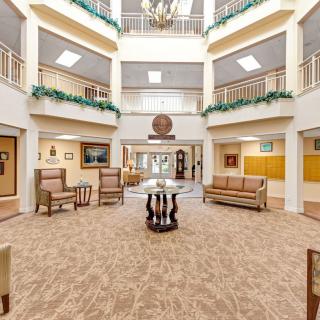
  • Dining room Dining roomDining rooms are important for seniors as they provide a space for socialization, connection, and nutritious meals. They offer opportunities for residents to bond over shared meals, foster a sense of community, and promote healthy eating habits. Dining rooms also ensure that seniors have access to well-balanced meals tailored to their dietary needs and preferences.
  • Fully furnished Fully furnishedFully furnished senior living communities are important for seniors because they provide convenience, comfort, and a hassle-free moving experience. Seniors can easily settle into their new living space without the stress of having to buy and move furniture. This allows them to focus on enjoying their new home and community.
  • Garden GardenGardens are important for seniors as they provide a peaceful and therapeutic environment for relaxation, physical activity, and socialization. Being in nature has been shown to reduce stress, improve mood, and promote overall well-being. Gardens also offer opportunities for seniors to engage in gardening activities, which can improve mobility, flexibility, and cognitive function. Additionally, gardens create a sense of community and connection with others who share a passion for plants and outdoor spaces.
  • Housekeeping services Housekeeping servicesHousekeeping services are important for seniors because they help maintain a clean and safe living environment, promote independence, and reduce the risk of accidents or illnesses. Additionally, having assistance with household chores can alleviate physical strain and allow seniors to focus on other aspects of their well-being.
  • Move-in coordination Move-in coordinationMove-in coordination is important for seniors because it helps ease the transition into their new living environment. It ensures that all logistics, such as packing, organizing movers, and setting up utilities are taken care of, allowing seniors to focus on settling in and adjusting to their new home. Having a smooth move-in process can alleviate stress and anxiety, making the transition smoother and more enjoyable for seniors.
  • Outdoor space Outdoor spaceOutdoor spaces are important for seniors as they provide opportunities for physical activity, social interaction, exposure to natural light and fresh air, and a sense of connection to nature. Having access to outdoor spaces can improve overall well-being and quality of life for older adults living in senior communities.
  • Telephone TelephoneTelephones are important for seniors as they provide a lifeline for communication with loved ones, emergency services, and healthcare providers. They offer a sense of security and independence, enabling seniors to stay connected and access assistance when needed.
  • Wi-Fi/high-speed internet available Wi-Fi/high-speed internet availableWi-Fi/high-speed internet is important for seniors to stay connected with loved ones, access online resources, and participate in virtual activities to combat feelings of loneliness and isolation. It also allows them to easily manage healthcare needs, access entertainment, and engage in lifelong learning opportunities.

Transportation

  • Raleigh-Durham International (13 miles away) Raleigh-Durham International (13 miles away)

Care Services

  • 24-hour supervision 24-hour supervision24-hour supervision is important for seniors to ensure their safety, well-being, and access to immediate assistance in case of emergencies or health issues. This constant support provides peace of mind for both seniors and their loved ones, allowing them to age in place with dignity and security.
  • Activities of daily living assistance Activities of daily living assistanceActivities of daily living assistance are important for seniors because they provide essential support with tasks such as eating, bathing, dressing, and mobility. This assistance helps seniors maintain their independence, dignity, and overall quality of life as they age.
  • Assistance with bathing Assistance with bathingAssistance with bathing is crucial for seniors as it helps maintain personal hygiene, prevents infections, and ensures their overall well-being and comfort. It also provides a sense of dignity and independence for seniors who may struggle with this task on their own.
  • Assistance with dressing Assistance with dressingAssistance with dressing is important for seniors because it helps maintain their independence, promotes personal hygiene, prevents accidents and injuries, and improves overall quality of life. This service ensures that seniors can continue to dress comfortably and confidently, despite any physical limitations they may have.
  • Assistance with transfers Assistance with transfersAssistance with transfers is crucial for seniors as it helps prevent falls and injuries, maintains their independence, and ensures they can safely navigate their living environment. It also provides peace of mind for both seniors and their loved ones.
  • Coordination with health care providers Coordination with health care providersCoordination with health care providers is crucial for seniors to ensure proper medical care, medication management, and overall well-being. This collaboration helps prevent overlapping treatments, track progress more effectively, and provide comprehensive support tailored to individual needs.
  • Diabetes diet Diabetes dietA diabetes diet is crucial for seniors as it helps manage blood sugar levels, reduce risks of complications, and improve overall health and well-being. By following a balanced and nutritious diet tailored to their specific needs, seniors can better control their diabetes and enhance their quality of life.
  • Meal preparation and service Meal preparation and serviceMeal preparation and service are crucial for seniors as they may have limited mobility or energy to cook nutritious meals. Having access to healthy and convenient food options can ensure they are getting the proper nutrition needed to maintain their overall health and well-being.
  • Medication management Medication managementMedication management is crucial for seniors to ensure they are taking the right medications at the correct dosages and times. This helps prevent adverse drug interactions, reduces the risk of medication errors, and promotes overall health and well-being. Proactive management also allows for adjustments as needed based on changing health conditions or new prescriptions.
  • Special dietary restrictions Special dietary restrictionsSpecial dietary restrictions are important for seniors because age-related changes in metabolism and health conditions can make it difficult for their bodies to process certain foods. By following a diet tailored to their specific needs, seniors can maintain their overall health and well-being, manage chronic conditions, and reduce the risk of complications such as malnutrition or food interactions with medications.
  • Transportation arrangement (medical) Transportation arrangement (medical)Transportation arrangements for medical purposes are essential for seniors as they may have difficulty driving themselves to appointments or accessing public transportation. Having reliable and safe transportation options ensures that seniors can receive timely medical care and maintain their health and well-being.
  • Transportation to doctors appointments Transportation to doctors appointmentsTransportation to doctors' appointments is crucial for seniors as it ensures they have access to necessary medical care and support for their health needs. Without reliable transportation, seniors may struggle to attend important appointments, leading to potential delays in treatment and health complications. Providing transportation services helps seniors maintain their overall well-being and quality of life.
Dining

  • Diabetes diet Diabetes dietA diabetes diet is crucial for seniors as it helps manage blood sugar levels, reduce risks of complications, and improve overall health and well-being. By following a balanced and nutritious diet tailored to their specific needs, seniors can better control their diabetes and enhance their quality of life.
  • Special dietary restrictions Special dietary restrictionsSpecial dietary restrictions are important for seniors because age-related changes in metabolism and health conditions can make it difficult for their bodies to process certain foods. By following a diet tailored to their specific needs, seniors can maintain their overall health and well-being, manage chronic conditions, and reduce the risk of complications such as malnutrition or food interactions with medications.

Activities

  • Community-sponsored activities Community-sponsored activitiesCommunity-sponsored activities are important for seniors as they provide opportunities for social interaction, mental stimulation, and physical activity. These activities can help improve overall well-being, combat loneliness and isolation, and promote a sense of belonging and purpose among older adults.
  • Scheduled daily activities Scheduled daily activitiesScheduled daily activities are important for seniors because they provide structure, socialization, mental stimulation, and physical activity. Engaging in regular activities can improve overall well-being and quality of life for seniors living in a community setting.

Description

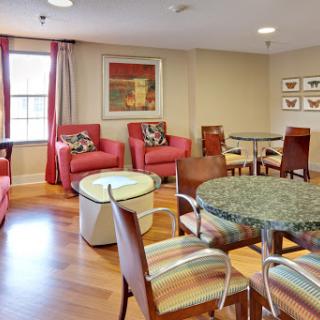
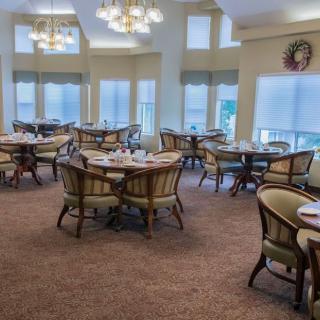
The Pickett House Family Care Home in Durham, NC is an inviting and comfortable board and care home that provides a range of care services for seniors. The fully furnished home offers residents a dining room where they can enjoy delicious meals prepared by the staff, who are also available to assist with special dietary restrictions.

Care services at the Pickett House include assistance with activities of daily living such as bathing, dressing, and transfers. The dedicated staff also coordinates with healthcare providers to ensure the residents receive proper medical attention and medication management. Residents can feel secure knowing that transportation arrangements to medical appointments are readily available.

The Pickett House believes in promoting a vibrant and engaged community for their residents. They offer scheduled daily activities to keep residents entertained and active. In addition, there are several cafes, parks, pharmacies, physicians' offices, restaurants, places of worship, and hospitals located conveniently nearby.

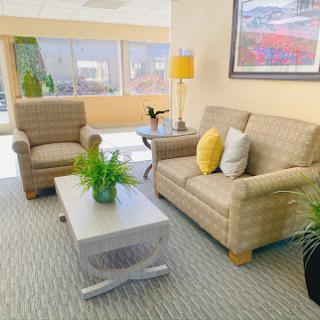
While staying at the Pickett House Family Care Home, residents will not only have access to essential care services but will also be able to enjoy a peaceful outdoor space and have access to modern amenities such as Wi-Fi/high-speed internet and telephone services. The dedicated housekeeping staff ensures that the home is always clean and well-maintained.

Overall, the Pickett House Family Care Home aims to provide a warm and supportive environment where seniors can receive personalized care while enjoying a range of amenities and nearby attractions.

Nearby Places of Interest

This part of Durham, North Carolina, offers a variety of amenities and services that cater to seniors looking for convenience and accessibility. With multiple cafes, restaurants, and pharmacies within close distance, residents can easily access dining options and healthcare resources. The presence of reputable physicians' offices and hospitals nearby ensures quality medical care is readily available. Additionally, the proximity to places of worship provides opportunities for spiritual fulfillment and community engagement. Parks in the area offer opportunities for outdoor recreation and leisure activities. The presence of a theater nearby provides entertainment options for seniors looking to enjoy movies or cultural experiences. Overall, this part of Durham offers a well-rounded environment for seniors seeking a comfortable and convenient place to live.

Cafes

  • Starbucks (1.5 miles)
  • Starbucks (1.7 miles)
  • Starbucks (3.4 miles)
  • Starbucks (4.2 miles)
  • Cocoa Cinnamon (5.3 miles)
  • Panera Bread (5.6 miles)
  • Starbucks (5.7 miles)

Restaurants

  • Five Guys Burgers & Fries (1.6 miles)
  • McDonald's (1.7 miles)
  • McDonald's (2.9 miles)
  • Guglhupf Bakery & Patisserie (3.1 miles)
  • Mr Tokyo Japanese Restaurant (3.2 miles)
  • Cava (3.5 miles)
  • McDonald's (3.8 miles)

Physicians

  • North Carolina Orthopaedic Clinic (1.7 miles)
  • Duke Primary Care Sage Road Pediatrics (2.3 miles)
  • Chapel Hill Pediatrics & Adolescents Pa (2.3 miles)
  • Chapel Hill Implant and Oral Surgery Center (3.6 miles)
  • Avance Care (3.8 miles)
  • Chapel Hill Ophthalmology (3.9 miles)
  • Chapel Hill Dermatology (3.9 miles)

Places of Worship

  • Judea Reform Congregation (1.9 miles)
  • Yates Baptist Church (2.9 miles)
  • Duke University Chapel (3.3 miles)
  • Church of Reconciliation PC USA (3.6 miles)
  • New Hope Church (6.5 miles)

Parks

  • Cedar Falls Park (2.7 miles)
  • Homestead Skate Park (4.4 miles)
  • Piney Wood Park (5.4 miles)
  • Northgate Park (6.1 miles)
  • Whippoorwill Park (6.2 miles)
  • Hank Anderson Community Park (7.4 miles)
  • Grandale Park (7.9 miles)

Pharmacies

  • CVS Pharmacy (3.3 miles)
  • CVS Pharmacy (3.8 miles)
  • Walgreens (3.9 miles)
  • Walgreens (4.1 miles)
  • CVS Pharmacy (4.1 miles)
  • CVS Pharmacy (4.1 miles)
  • Walgreens (4.2 miles)

Hospitals

  • Duke Hospital of Dentistry & Facial Pain (3.6 miles)
  • North Carolina Cancer Hospital (6 miles)
  • UNC Transplant Clinic (6.1 miles)
  • UNC Hospitals Ambulatory Care Center (6.4 miles)
  • Durham Regional Hospital (6.5 miles)

Theaters

  • AMC DINE-IN Southpoint 17 (5.4 miles)

Frequently Asked Questions

Where is The Pickett House Family Care Home?

Nearby Communities

Related Resources

  • assisted living waiver programA Detailed Exploration of Assisted Living Medicaid Waivers Across the United States
    Medicaid waivers for assisted living services provide vital support for seniors and individuals with disabilities in need of long-term care, with varying state-specific eligibility criteria and benefits. These waivers cover personal care and case management but often do not fully cover room and board, leading to waiting lists for many applicants.

  • assisted living for disabled adultsComprehensive Residential Support and Assisted Living Solutions for Individuals with Disabilities

    The article examines the complexities of assisted living for individuals with disabilities, emphasizing the need for tailored care solutions that enhance quality of life and social inclusion, while addressing financial challenges and advocating for community integration. It discusses various housing options, the importance of financial assistance through public benefits, and highlights trends towards integrated and technology-driven solutions in disability-focused housing.

  • assisted living for disabled adultsComprehensive Supportive Living Arrangements for Adults with Disabilities

    Assisted living for adults with disabilities has transformed to provide personalized care and support services aimed at improving residents' quality of life while balancing independence and assistance. However, low-income individuals often face challenges in affording these services, requiring navigation of various financial resources and advocacy for better policies and solutions.