
1004 W Broad St, Dunn, NC 28334
To contact a resident: (910) 892-9171
For more information about senior living options: (866) 208-4318
Rising Sun Adult Day Care is a senior community in Dunn, NC.
Information last verified:
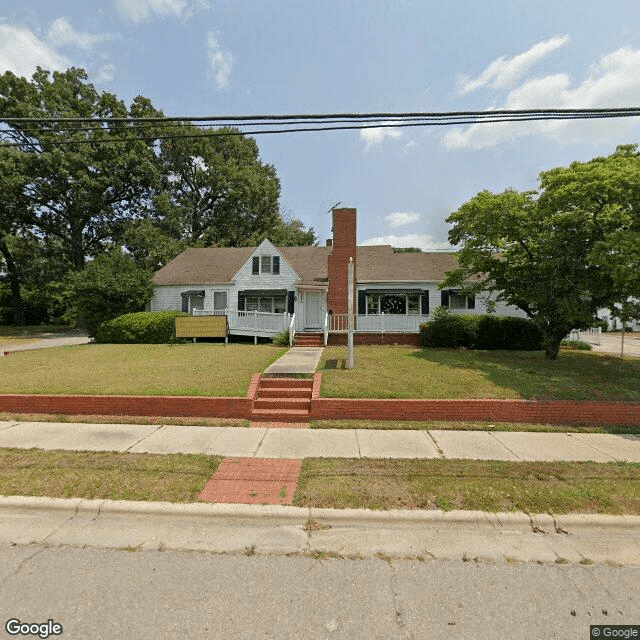
1004 W Broad St, Dunn, NC 28334
To contact a resident: (910) 892-9171
For more information about senior living options: (866) 208-4318
 Day Program
This area of Dunn, North Carolina, offers a variety of amenities and services that cater to seniors. With several pharmacies within a short driving distance, accessing medication and healthcare supplies is convenient. There are also numerous dining options ranging from fast food to sit-down restaurants, providing a range of choices for different tastes. Nearby physicians' offices and medical facilities ensure easy access to healthcare services. Places of worship offer spiritual support, while cafes provide opportunities for socializing and enjoying a cup of coffee. The proximity to parks like Smith Lake allows for outdoor recreation and relaxation. Additionally, hospitals like JMH Clayton and Womack Army Medical Center ensure that quality healthcare is readily available in case of emergencies. Overall, this part of Dunn provides a well-rounded environment for seniors looking for convenience, comfort, and access to essential services.
Rising Sun Adult Day Care is located at 1004 W Broad St, Dunn, NC 28334 in Sampson County, North Carolina

Senior Helpers - Dunn, NC
Dunn, NC
 Compassionate, reliable caregivers with strong communication and a supportive office team, delivering peace of mind.

Chelsey Apartments
Dunn, NC
Active Adult 55+ community.

Senior Citizens Village
Dunn, NC
Friendly, attentive staff and a clean, welcoming environment.
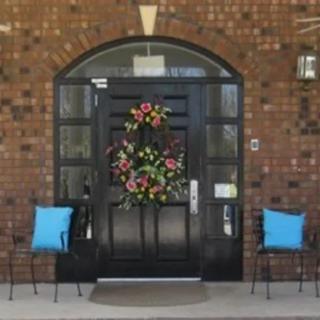
Harnett Woods Nursing And Rehabilitation Center
Dunn, NC
Extensive amenities and 24/7 care services
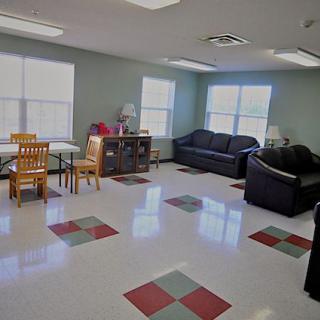
Alzheimer's Related Care
Dunn, NC
Alzheimer's-focused care with 24/7 supervision and engaging activities
Unprecedented Care
Dunn, NC
Competitive, affordable pricing with comprehensive care.
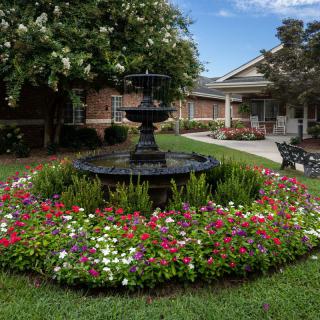
Oak Hill Assisted Living Community
Angier, NC
Comprehensive on-site amenities and care (24/7 supervision, dining, activities, and non-medical transportation).
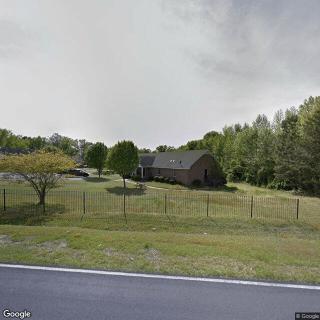
Absolute Care Assisted Living II
Angier, NC
Attentive ownership and generally caring staff, plus good value and transport services.
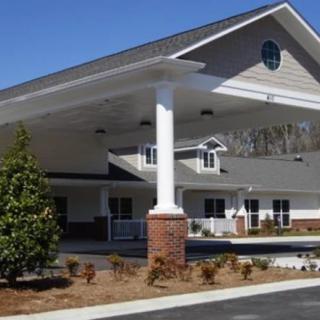
Universal Health Care - Fuquay Varina
Fuquay Varina, NC
Extensive amenities and 24/7 support, including dining, transportation, wellness, and private furnished rooms.
 Comprehensive Guide to Qualifying for Home Health Care Services
The guide outlines the eligibility criteria for home health care services, emphasizing clinical requirements, insurance options, and application processes. It distinguishes between Medicare's strict and Medicaid's flexible qualifications while addressing challenges families may face in securing necessary care at home.
 Powerful Realities of Elder Abuse and the Most Effective Ways to Report It
Elder abuse affects many older adults worldwide and includes physical, emotional, neglectful, and financial harm, with about one in six individuals over 60 experiencing abuse annually. Prevention and intervention strategies focus on awareness, support for caregivers, and mandatory reporting, while recovery necessitates comprehensive support for both physical and emotional needs.
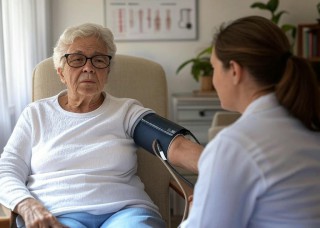 Ten Vital Duties of a Senior Caregiver: A Comprehensive Guide
The guide details ten essential responsibilities of senior caregivers, including personal care, mobility assistance, medication management, and emotional support, while emphasizing the importance of safety, nutrition, and maintaining a safe living environment to enhance seniors' quality of life and independence.