
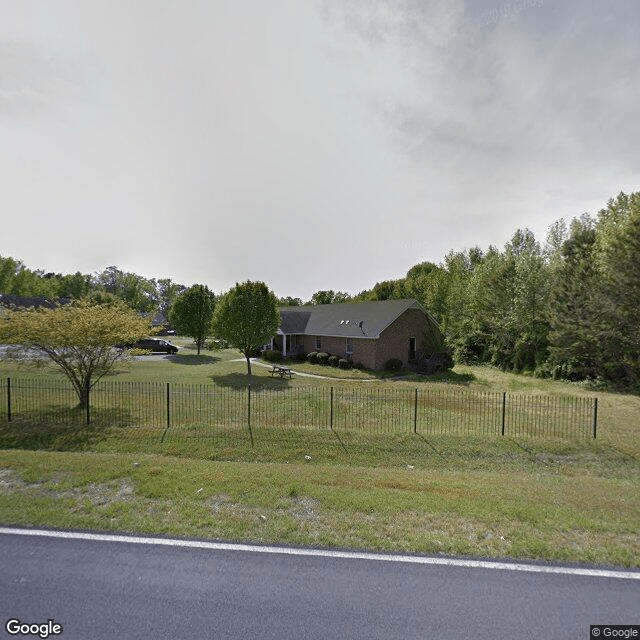
431 Junny Road, Angier, NC 27501
For more information about senior living options: (866) 208-4318
Overall Review of Absolute Care Assisted Living II
Pros
 The staff are amazing and treat residents like royalty.
- The owner is an amazing person who works with families on pricing.
- The owners were attentive and made her feel safe and secure during the transition.
- The facility offers a gym and transportation for residents.
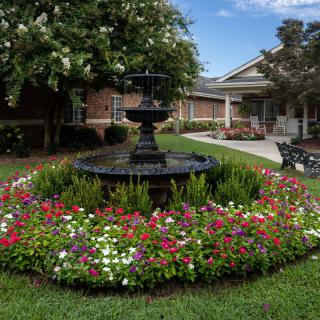
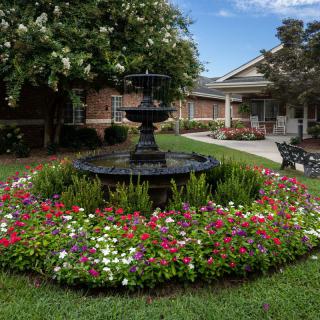
- It is a beautiful, peaceful setting not too far from the city.
- It is a very friendly place.
- The rooms are well-lit and ventilated, and cleaned regularly; the staff are polite and responsive to requests.
- The facility is well run with good living accommodations.
- The staff go above and beyond, even running errands for clients when off duty.
- Absolute Care is a great value for the price.
- The beds are comfortable and there is a television in every room.
Cons
 The reviewer notes that the care was substandard and not what was promised.
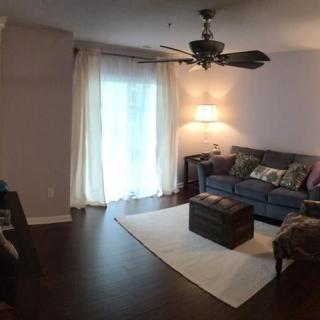
- The rooms were small and lacked private bathrooms.
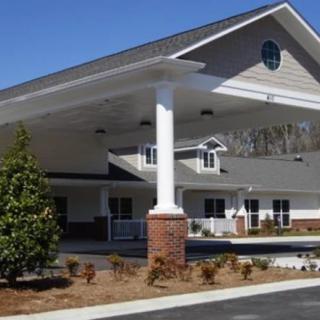
- The facility appeared old and not up to par.
- The building had no receptionist and was understaffed.
- Belongings were stolen and the issue was never resolved.
- A bathroom reeked of urine and there were signs of mice in the kitchen.
- Residents sustained bruises and a black eye with no explanations.
- Some staff members appeared unfriendly and disengaged.
- Meals were poor, described as "mystery meat" and not restaurant-quality.
- There were safety concerns like low beds and no handrails.
Review
Absolute Care Assisted Living II is best suited for families seeking a practical, low-cost option that still delivers hands-on, resident-centered care in a small-community setting. It appeals to those who prioritize affordability, regular transportation to appointments, and accessible staff oversight, with the understanding that the environment will be modest rather than luxurious. The model works well for seniors who are comfortable with a home-like, cluster-community arrangement, where care staff often know residents well, help with benefits paperwork, and coordinate doctor visits. This is a place to consider if budget matters more than upscale aesthetics or private living space.
Alternatives merit consideration for families that expect modern furniture, private bathrooms for every resident, and more formalized safety oversight. Concerns frequently cited elsewhere include older facilities with cramped rooms, a lack of private baths, and occasional understaffing. For individuals with advanced dementia or those requiring highly structured medical supervision, options with dedicated memory-care programming and higher staffing ratios may yield more consistent results. Families focused on pristine cleanliness, noise-free environments, or consistently flawless dining experiences may prefer newer communities with upscale amenities.
The strongest positives here include clear value and attentive, engaged ownership. The owner’s hands-on approach frequently translates into prompt problem-solving and a willingness to work with budgets, which matters when pricing pressures dominate the decision. Transportation to medical and therapy appointments is available, and on-site activities and a gym support routine and social interaction. Residents report generous portions and well-prepared meals, plus rooms that are adequately lit and ventilated. A number of staff members come across as genuinely caring, and several accounts describe staff going above and beyond, running errands and coordinating benefits matters with a practical, can-do attitude.
Yet the downsides are tangible enough to influence a decision for many families. The facility is older, with rooms that can feel cramped and lacking private bathrooms, which affects privacy and day-to-day comfort. Several reviewers describe inconsistent staff experiences, some courteous and responsive, others less so, along with concerns about understaffing. Safety and cleanliness worries surface in a few accounts, including allegations of bruises, unexplained incidents, and, in at least one case, theft. Tour impressions vary, with some visitors finding the layout and access routes unfriendly or confusing, and others praising the homelike atmosphere. These mixed experiences mean risk remains part of the calculus.
The key is weighing value against these risks with a clear plan. For families prioritizing cost savings and a hands-on owner who actively maintains standards, the pros can outweigh the cons, especially when care needs are moderate and supervision is sufficient. The cluster-house model can offer a more intimate, less overwhelming environment for some memory-care scenarios, provided staff are consistently engaged and safety protocols are robust. Prospective residents should verify actual living conditions by touring multiple houses, inspecting private spaces where available, and confirming the presence of adequate supervision, preventive maintenance, and timely responses to requests. Asking for recent resident references and a transparent overview of staff staffing levels is essential.
In sum, Absolute Care Assisted Living II stands out as a pragmatic, budget-friendly choice for seniors who value direct owner involvement, dependable transportation, and routine support without the trappings of high-end facilities. It is not the pick for families seeking polished interiors, private baths in every room, or lofty dining experiences. The informed decision favors those who can tolerate an older building with modest amenities in exchange for genuine staff care and cost certainty. If this balance matches the family’s priorities, a structured visit, careful questions about room configurations and safety, and a clear transition plan can make Absolute Care a solid, dependable placement.
 12 resident community capacity
 Studio apartments
 Assisted Living
 Board and Care Home
 Skilled Nursing Facility
 Activities on-site
 Air-conditioning
 Bath tubs
 Beautician on-site
 Cable or satellite TV
 Computer center
 Devotional services on-site
 Dining room
 Fully furnished
 Garden
 Guest parking
 Housekeeping services
 Indoor common areas
 Laundry
 Move-in coordination
 Outdoor common areas
 Party space
 Telephone
 Wi-Fi/high-speed internet available
 Raleigh-Durham International (25 miles away)
 Transportation & parking
 24-hour supervision
 Assistance with bathing
 Assistance with dressing
 Assistance with transfers
 Diabetes diet
 Diabetic care
 Incontinence care
 Meal preparation and service
 Medication management
 Physical therapy
 Psychiatric care
 Special dietary restrictions
 Transportation arrangement (medical)
 Arts and crafts
 Cooking club
 Educational speakers / life long learning
 Fitness programs
 Games
Games Live musical performances
 Stories
 Wii bowling
 English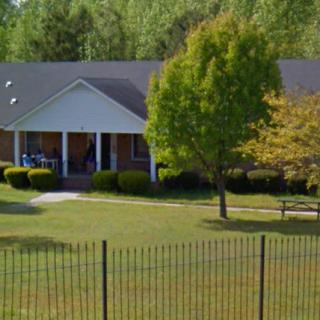


 Assisted Living Expenses and Long-Term Care Insurance: A Comprehensive Exploration
 Securing Financial Support for Assisted Living: A Comprehensive Overview
 Social Security Benefits and Assisted Living: Navigating Options Across the U.S.