

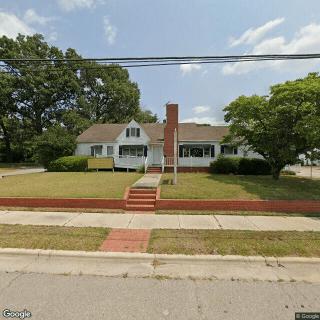
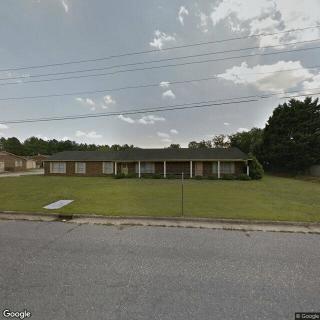
157 Stewart Road, Dunn, NC 28334
For more information about senior living options: (866) 208-4318
Unprecedented Care Costs & Pricing
Unprecedented Care offers competitive pricing for its services, particularly when compared to the local and state averages in Sampson County and North Carolina. For a semi-private room, Unprecedented Care charges $1,800 per month, significantly lower than the county average of $2,317 and the state average of $3,584. Similarly, their private room rate of $2,000 aligns with the county's pricing but remains considerably less than the hefty state average of $4,425. This strategic pricing positions Unprecedented Care as an accessible option for those seeking quality care while ensuring affordability in a challenging healthcare landscape.
| Floor plans | Unprecedented Care | Sampson County | North Carolina |
|---|---|---|---|
| Semi-Private | $1,800 | $2,317 | $3,584 |
| Private | $2,000 | $2,000 | $4,425 |
Assisted Living communities with a similar price nearby
-
from +$100 / mo

Autumn Home Care Of Johnston County I
$1,900 to $2,600 / month24.0 miles away -
from +$100 / mo

Classic Care Homes
$1,900 to $2,000 / month17.3 miles away -
from +$200 / mo

Country Wood Family Care
$2,000 to $2,500 / month17.9 miles away -
from -$100 / mo

McLamb's Rest Home
$1,700 / month6.3 miles away -
from +$200 / mo
Novelty Healthcare Services II
$2,000 to $2,500 / month19.0 miles away
Overall Review of Unprecedented Care
Pros
 The client is grateful to have received a wheelchair today and appreciates the timely delivery.
- The driver was sweet and compassionate.
- The driver installed pieces on the back to prevent the wheelchair from flipping without being asked.
- Adapt Home Care is a top-notch agency, with staff who strive to help clients cope with life’s challenges.
- The staff are wonderful, caring, and focused on matching clients with suitable caregivers for comfort.
Review
Unprecedented Care in Dunn, NC is best suited for seniors and families seeking a highly personal, relationship-driven care experience where frontline caregivers are praised for compassion and practical problem-solving. The strongest signals from available feedback are about staff who go beyond the basics to support mobility and comfort, drivers who actively ensure safety features are in place, and caregivers who strive to match clients with the right person for consistency and warmth. For families prioritizing a hands-on, responsive approach to daily living, this community appears capable of delivering dependable, attentive support that keeps a loved one comfortable in familiar routines and surroundings.
Those who may want to consider alternatives are primarily those needing deeper medical oversight or a more traditional, campus-based assisted living environment. If the expectation is a large, structured facility with extensive on-site nursing, routine medical staff, abundant social programming, or a clearly defined memory care wing, other communities may offer more comprehensive medical coverage and a livelier activity calendar. Additionally, if reliability and staffing consistency are non-negotiable due to highly variable care needs, the mixed reviews suggest rechecking how staffing plans are put together over time and what guarantees exist around caregiver continuity.
Key pros, personalized care, compassionate staff, and thoughtful safety support, do a strong job of offsetting some common concerns, but they cannot wholly eliminate the risk of uneven service. The favorable points center on caregivers who take ownership of small, meaningful safety tasks and on a care coordination approach that feels highly client-centered. A standalone driver’s initiative to modify a wheelchair for stability exemplifies a practical, proactive mindset. When staff are adept at selecting and aligning with the right caregiver for a given person, families gain in comfort and predictability, especially for someone who prioritizes daily companionship and practical assistance over formal medical routines.
The flip side is the potential for variability in experience. The presence of three one-star experiences among a larger rating implies that not every family will encounter the same level of reliability or fit over time. Dependency on outside agencies or non-core staff can introduce fluctuations in schedule, responsiveness, and day-to-day consistency. For loved ones with complex medical needs or those who value a tightly integrated on-site nursing model, this variability can feel pronounced. In practical terms, the strengths deliver meaningful value for non-medical support and mobility-focused care, yet the gaps underscore the importance of confirming local nursing capabilities, emergency procedures, and the stability of caregiving teams before committing.
On tours and intakes, prioritize clarity around staffing patterns and caregiver matching processes. Ask who the primary care team will be, what the turnover rate looks like, and how replacements are handled when a familiar caregiver is unavailable. Probe for specifics about on-site medical oversight, medication management, and the availability of licensed nurses. Request a clear outline of daily activities, transportation options, and the policy for urgent medical concerns. And, crucially, request a trial period or short-term commitment to test compatibility with the caregiver roster and to observe how the community balances personal attention with practical safeguards.
In the end, Unprecedented Care offers a compelling fit for families seeking intimate, purpose-driven care where caregivers demonstrate genuine empathy and practical problem-solving. It suits seniors who value individualized attention and seamless staff matching over a bustling, highly structured facility life. For those needing robust medical supervision, a large social program, or guaranteed caregiver continuity, explore alternatives that foreground on-site nursing coverage and a more predictable staffing framework. With careful diligence and upfront questions, a confident decision can be made about whether this community will honor a loved one’s daily rhythm and personal comfort, or if another option better aligns with medical needs and long-range care goals.
 12 resident community capacity
 Assisted Living
 Board and Care Home
 Cable or satellite TV
 Dining room
 Fully furnished
 Garden
 Housekeeping services
 Move-in coordination
 Outdoor space
 Private
 Respite or short term stays offered
 Telephone
 Wi-Fi/high-speed internet available
 24-hour supervision
 Activities of daily living assistance
 Ambulatory care
 Assistance with bathing
 Assistance with dressing
 Assistance with transfers
 Diabetes diet
 Diabetic care
 Incontinence care
 Meal preparation and service
 Medication management
 Special dietary restrictions
 Transportation arrangement (medical)
 Transportation to doctors appointments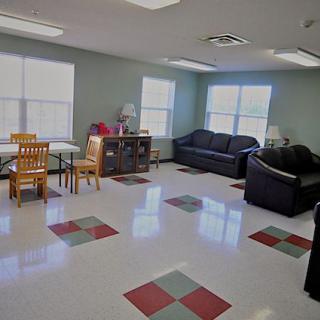





 Securing Financial Support for Assisted Living: A Comprehensive Overview
 Social Security Benefits and Assisted Living: Navigating Options Across the U.S.
 An Extensive Exploration of the VA Aid and Attendance Benefit