
2908 Country Home Road, Concord, NC 28025
For more information about senior living options: (866) 208-4318
Overall Review of The Country Home
Pros
 Residents enjoyed lunch for the day.
- The staff are decent.
- The day included a pleasant lunch experience for residents.
Cons
 The facility does not take residents' medical conditions seriously and accepts people regardless of mental health history.
- The facility admits residents without proper regard to mental health backgrounds, leading to frequent ambulance visits.
- The facility forced residents to get the COVID-19 vaccine by threatening eviction.
- The facility will not answer the phone.
- The reviewer does not recommend placing loved ones in this facility.
Review
The Country Home in Concord, NC is best suited for seniors who value affordability and a modest care footprint, where independence and social interaction can take precedence over intensive clinical oversight. It serves well when a resident can manage with basic daily living supports and limited medical intervention, and when families are prioritizing cost-conscious options over highly structured medical environments. Those with relatively stable health, fewer cognitive or behavioral challenges, and a preference for a smaller, home‑like setting will likely find some daily life routines manageable here. However, this is not the right fit for residents whose health requires robust medical management, frequent monitoring, or specialized behavioral supports.
Anyone facing significant medical fragility or persistent mental health treatment needs should seriously weigh alternatives. The reviews indicate a pattern that suggests medical issues are not consistently prioritized, and emergency incidents appear routine rather than exceptional. For families with loved ones who may require rapid escalation of care, closer clinical oversight, or structured memory care, a community with stronger on-site clinicians and clearer escalation protocols will provide far greater peace of mind. If reliable communication and proactive health management are non-negotiables, look elsewhere.
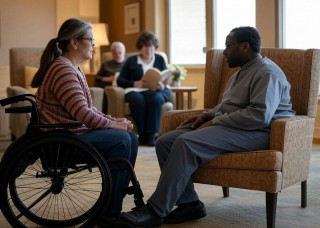
On the upside, there are tangible social and daily-life benefits that can matter in decision-making. Positive moments such as resident lunches and general opportunities for socializing hint at a functioning at‑cell camaraderie and an active basic calendar. Some staff members are described as decent, and the environment can feel welcoming on better days. These strengths matter because they improve day-to-day mood and belonging, which are real quality-of-life gains when medical risk is contained. Yet these pros do not completely counterbalance the larger safety and responsiveness concerns voiced by residents and families.
The most consequential drawbacks focus on safety, communication, and control. The facility is described as slow to answer the phone and uneven in staff responsiveness, a combination that can leave families in the dark during emergencies or routine questions. Reports of efforts to coerce medical decisions or to apply pressure around treatment choices raise ethical red flags and undermine trust. The frequency of ambulance calls and the sense that serious mental health or behavioral issues aren’t being adequately addressed point to systemic gaps in oversight and risk management. In short, operational fragility undercuts any small daily-life benefits.
From a practical standpoint, the decision hinges on risk tolerance and care expectations. The affordability and social opportunities may attract families constrained by budget, but the core issue is whether the facility can be relied upon to detect and escalate medical concerns promptly and to communicate clearly. If a loved one requires predictable responsiveness, transparent medical decision-making, and consistent staffing, this community falls short. For families unwilling to accept episodic safety signals, it is prudent to explore other options with stronger clinical governance and firmer boundaries on care decisions.
For those who move forward, concrete steps are essential. Schedule a detailed tour focused on medical responsiveness, staff-to-resident ratios, and how crises are managed after hours. Request to speak with current residents or families about call-answer times and how emergencies were handled recently. Review the contract for care levels, transfer policies, and any guarantees about staff continuity. If possible, arrange a short-term respite stay to observe daily routines firsthand and to gauge whether the staff approach aligns with expectations. Red flags, unanswered calls, inconsistent staffing patterns, or ambiguous escalation protocols, should immediately steer families toward higher‑care alternatives.
 40 resident community capacity
 Assisted Living
 Activities on-site
 Beauty salon
 Cable or satellite TV
 Devotional services off-site
 Dining room
 Fully furnished
 Garden
 Housekeeping services
 Indoor common areas
 Kitchenette
 Move-in coordination
 Outdoor space
 Restaurant-style dining
 Small library
 Telephone
 Wi-Fi/high-speed internet available
 24-hour call system
 Ambulatory care
 Assistance with bathing
 Assistance with dressing
 Assistance with transfers
 Diabetes diet
 Diabetic care
 Medication management
 Mental wellness program
 Special dietary restrictions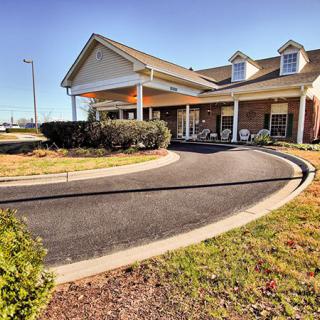








 Comprehensive Residential Support and Assisted Living Solutions for Individuals with Disabilities
 Comprehensive Supportive Living Arrangements for Adults with Disabilities
 Funding and Affording Assisted Living: A Thorough Overview