

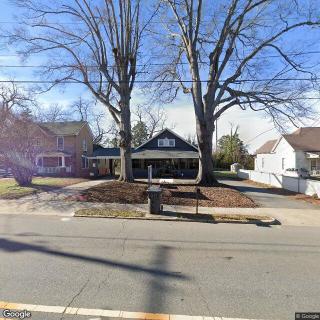
1061 Union Street South, Concord, NC 28025
For more information about senior living options: (866) 208-4318
Suburban Guardianship Costs & Pricing
Suburban Guardianship offers competitive pricing for its residential care services, particularly when compared to both Cabarrus County and the broader North Carolina region. The cost for a semi-private room at Suburban Guardianship is $2,500 per month, which is significantly lower than the county average of $3,167 and the state average of $3,584. For those seeking more privacy, the private room option is priced at $3,500, again presenting a more economical choice compared to Cabarrus County's rate of $3,430 and North Carolina's average of $4,425. These cost-effective rates underscore Suburban Guardianship's commitment to providing quality care while ensuring affordability for its residents.
| Floor plans | Suburban Guardianship | Cabarrus County | North Carolina |
|---|---|---|---|
| Semi-Private | $2,500 | $3,167 | $3,584 |
| Private | $3,500 | $3,430 | $4,425 |
Assisted Living communities with a similar price nearby
-
from +$180 / mo
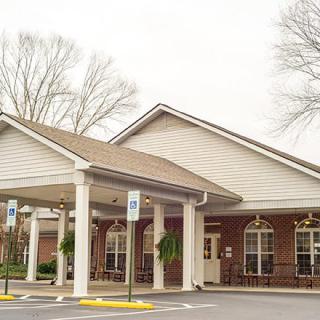
Brookdale Salisbury
$2,680 to $3,285 / month21.5 miles away -
from -$98 / mo

Carmel Hills
$2,402 / month22.8 miles away -
from +$245 / mo
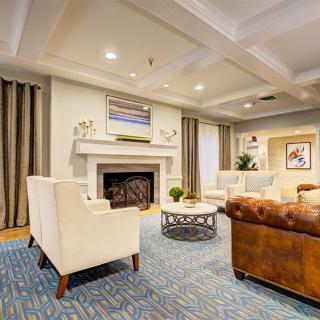
MerryWood on Park
$2,745 to $4,995 / month22.0 miles away -
from -$140 / mo
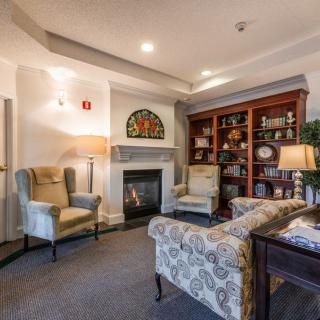
TerraBella Salisbury
$2,360 to $4,225 / month19.3 miles away -
from +$180 / mo
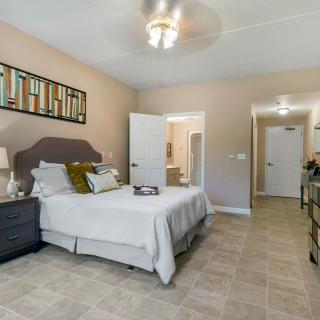
Brookdale Charlotte East
$2,680 to $3,925 / month16.2 miles away
Overall Review of Suburban Guardianship
Pros
 Suburban Guardianship offers personal care assistance with the warmth of being at home.
- Their staff and admin team are caring.
- Their staff and admin team are skilled.
- Their staff and admin team are supportive.
Review
Suburban Guardianship in Concord, NC is best suited for seniors who require personal care assistance but want the warmth of a home-like setting and a small-community feel. This option works well for those who value daily hands-on help with activities of daily living, getting dressed, bathing, medication reminders, mobility support, delivered with genuine kindness and patient attention. The emphasis is on creating a stable, familiar routine rather than a clinical, impersonal atmosphere. Families seeking a setting where care feels personal, responsive, and neighborly will find a strong alignment here, with the staff and administration working in concert to maintain a calm, home-centered daily rhythm.
The standout strength is the people who deliver the care. Reviews consistently point to staff and admin teams that are caring, skilled, and supportive. That combination translates into reliable assistance, clear communication, and a sense of continuity across shifts and days. Residents benefit from a coordinated approach where reports travel smoothly between caregivers and supervisors, reducing the risk of missed tasks or forgotten needs. The home environment is not just physically comfortable but emotionally reassuring, with caregivers who approach interactions with warmth and patience, which can be decisive for seniors who resist more institutional settings.
There are clearly defined trade-offs to consider, even when the immediate signals are positive. For families weighing options, it should be noted that this community appears oriented toward personal care rather than extensive medical programming or specialized memory-care environments. Those requiring intensive clinical oversight, complex wound care, dialysis, or advanced rehabilitative services may find the level of on-site medical support insufficient. Likewise, residents who thrive on a bustling, activity-rich program or highly structured memory-care protocols might prefer a larger community with more formalized programming. Alternatives that emphasize medical services or specialized dementia care may be worth evaluating for higher acuity needs.
The strong care ethos helps offset potential downsides by ensuring responsiveness and dependable oversight. When care teams are described as supportive and skilled, the risk of gaps in daily assistance diminishes, and the likelihood of miscommunication drops because the administrative layer actively coordinates and reinforces front-line care. The home-like atmosphere also mitigates the alienation some residents feel in larger facilities, preserving dignity and autonomy through familiar routines and accessible staff. In practice, families can expect that when concerns arise, they are addressed promptly due to the cohesive leadership that binds caregivers and administrators together.
Given there are only two reviews, both rating the community at five stars, the signal is positive but still preliminary. This concentration of feedback suggests a high level of resident and family satisfaction in a small sample, yet it should not replace a direct assessment. Prospective residents should priority-verify staffing ratios, observe one-on-one interactions, and request references from current families. A tour should specifically explore how care plans are developed and revised, how emergencies are handled, and whether respite or trial stays are possible to gauge fit before committing long term.
For families deciding where to place a loved one, Suburban Guardianship stands out for those prioritizing warmth, personal attention, and a home-like care experience. It is a compelling choice for individuals who want reliable daily support without sacrificing dignity or comfort. However, for seniors whose needs extend beyond assistance with daily living into robust medical supervision, complex rehab, or highly specialized memory-care programming, alternative facilities that emphasize clinical resources and structured therapeutic activities may better align with expectations. The prudent course is to schedule a visit, ask for a detailed care plan, and compare with other options that complement or enhance the strengths observed here.
 6 resident community capacity
 Assisted Living
 Board and Care Home
 Cable or satellite TV
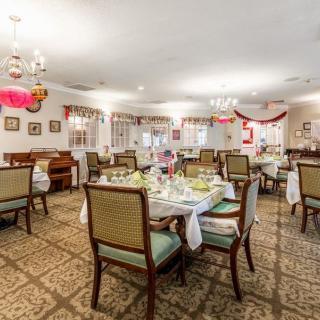
 Dining room
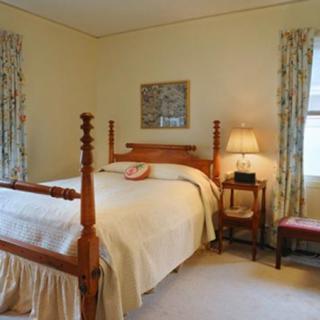
 Fully furnished
 Garden
 Housekeeping services
 Move-in coordination
 Outdoor space
 Private
 Telephone
 Wi-Fi/high-speed internet available
 Charlotte Douglas International (25 miles away)
 24-hour supervision
 Activities of daily living assistance
 Assistance with bathing
 Assistance with dressing
 Assistance with transfers
 Diabetes diet
 Meal preparation and service
 Medication management
 Special dietary restrictions
 Transportation arrangement (medical)
 Transportation to doctors appointments





 Exploring the Contrasts Between Assisted Living and Skilled Nursing
 8 Key Indicators That Suggest It May Be Time to Transition from Assisted Living to Skilled Nursing Care
 Vibrant Senior Living: A Comprehensive Guide for Active Older Adults