
125 Floyd Smith Dr. Suite 180, Charlotte, NC 28262
To contact a resident: (704) 549-4010
For more information about senior living options: (866) 208-4318
Overall Review of Visiting Angels
Pros
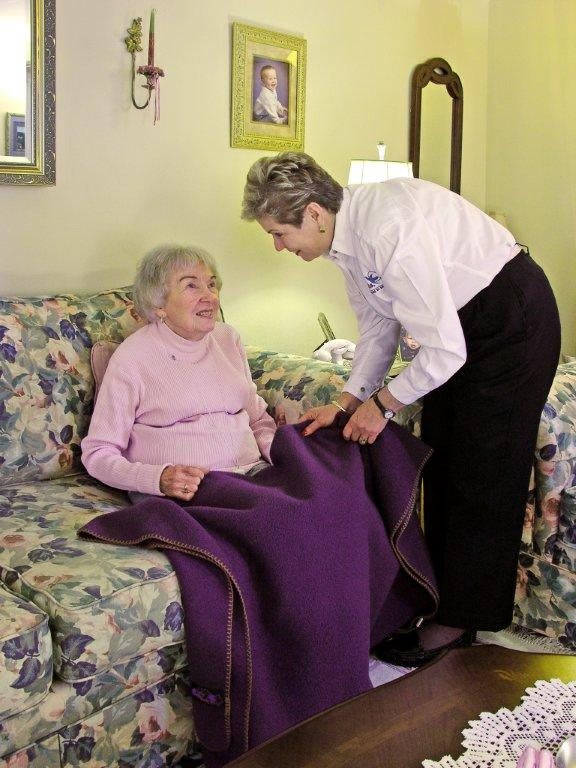
 The staff were very friendly and kind, making clients feel part of a loving family.
- The nurse Michaella provided a wonderful experience and went above and beyond her duties.
- The staff communicated wonderfully with families during difficult times.
- Visiting Angels supplied excellent caregivers within 48 hours of the request.
- Sarah and Diane were extremely helpful and ready to provide care at all costs.
- The service felt like family and left a positive impression.
Cons
 They criticized the office for pretending to care when they don’t.
- They claimed the company does not care about livelihoods or how families are fed, and urged people not to patronize the business.
- They alleged the owner, Paul, is a liar, and alleged Desiree and Katrina only care about their own well-being.
- They warned that investing in the company could lead to pure hell and advised thinking twice before investing.
- They noted concerning reports of unfair treatment by a nurse named Katrina, including a recorded interview revealing problematic interactions.
- They described Katrina as attempting to start a business while being in hot water and as seeking nurses to work rather than provide caregiver services.
Review
Visiting Angels in Charlotte is best suited for families seeking truly hands-on, in-home care where caregivers feel like trusted extended family. This agency excels for clients who want flexible, responsive staffing and a personal, relationship-driven approach to daily assistance. It works well for urgent or last-minute care needs, and for those who place a premium on clear, ongoing communication with caregivers and supervisors. The model favors intimate, home-based support over facility-style care, with an emphasis on warmth, accessibility, and a quick response when needs shift.
But there are clear caveats that families should weigh carefully. Potential clients who demand ironclad, uniform staffing and strict, consistent governance may want to explore alternatives. There are troubling anecdotes about management and ownership that raise questions about reliability and trust. Families who require highly regulated care pathways, robust credentialing, or explicit protections against potential conflicts of interest may prefer a larger, more policy-driven agency or a licensed facility with documented accountability. The warnings about fairness in treatment and the impression of self-serving behavior cannot be ignored, especially for those evaluating long-term arrangements or complex medical needs.
The strongest positives, exceptional caregiver warmth, strong interpersonal communication, and a track record of stepping in quickly, provide meaningful offset to the concerns in several cases. When caregivers like Michaella, Sarah, and Diane show up with genuine attentiveness and a willingness to go beyond the call of duty, families feel seen and supported during difficult transitions. The ability to mobilize capable staff within 48 hours is a decisive advantage for families facing sudden care needs or a hospitalization aftercare plan, and the “feel like family” ambiance helps reduce anxiety around in-home care. In many reviews, the care teams’ demeanor and clear family communication made a tangible difference in daily quality of life for loved ones.
Still, the cons carry weight that cannot be discounted. Allegations about dishonesty within ownership and concerns raised about how interviews and staffing are handled create a shadow over the reliability of the operation. Stories suggesting that certain staff may lack appropriate credentials or experience, described as “caregivers no experience needed” in some contexts, signal a risk to safety and continuity of care, particularly for clients with higher or special needs. A few accounts pointing to unfair treatment or problematic interactions with a nurse are the sort of red flags that demand careful, proactive due diligence, including verifying credentials, requesting a transparent caregiver matching process, and insisting on a formal care plan with defined accountability.
For families deciding whether to move forward, the key is to leverage the agency’s strengths while implementing guardrails that address the risks. Demand a clear, written care plan before service begins, with specific caregiver assignments, shift schedules, and escalation procedures. Insist on consistent staffing or a reliable replacement protocol so continuity isn’t sacrificed if a regular caregiver is unavailable. Seek direct confirmation of caregiver qualifications, ongoing training, and supervisor oversight, plus a documented process for addressing concerns quickly. If possible, arrange a trial period to observe how well the care team communicates with family members and adapts to changing needs.
In the end, Visiting Angels Charlotte delivers high-caliber, compassionate care that many families will value highly, especially when time is of the essence and a “home-like” approach matters most. This agency tends to serve well those who can tolerate some management questions in exchange for deeply personal, attentive caregiving and rapid staffing responses. Families with complex medical or behavioral requirements, or with a preference for tight governance and fewer potential interpersonal disputes, may prefer alternatives that emphasize stricter oversight and standardized processes. The prudent path is to pursue candid conversations, request recent references, and anchor the decision in a concrete care plan and trial period before committing long term.
 Charlotte Douglas International (17 miles away)





 Understanding the Nuances of Palliative Care and Hospice: A Comprehensive Exploration
 Fecal Incontinence in Older Adults: A Comprehensive Guide
 Nurturing Well-Being Through Gardening: A Detailed Guide for Senior Enthusiasts