
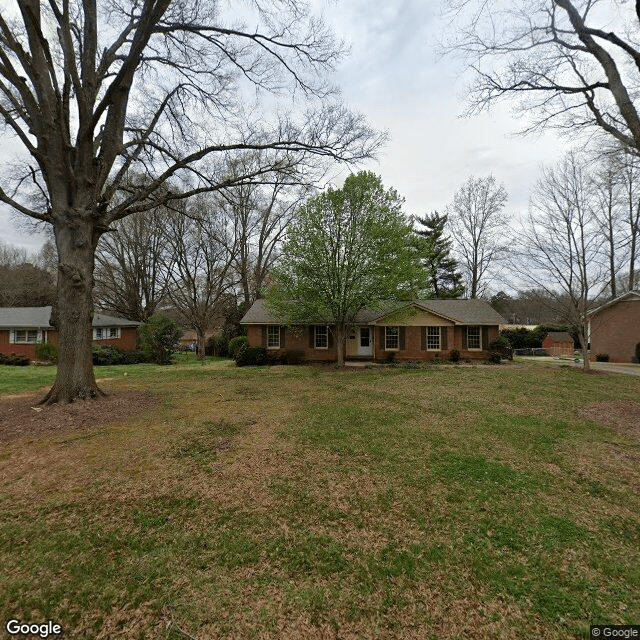
5003 Tewkesbury Rd, Charlotte, NC 28269
To contact a resident: (980) 939-1570
For more information about senior living options: (866) 208-4318
Unlimited Possibilities Family Home Care 1 Costs & Pricing
Unlimited Possibilities Family Home Care 1 offers competitive pricing for its services compared to both Mecklenburg County and the broader context of North Carolina. For semi-private accommodations, residents enjoy a rate of $3,000 per month, which is significantly lower than the county average of $4,191 and the state average of $3,584. Those seeking private rooms will find a monthly fee of $3,500 at Unlimited Possibilities Family Home Care 1, again presenting a more affordable option than the county's average of $4,417 and slightly below the state average of $4,425. This pricing structure reflects the facility's commitment to providing quality care while maintaining accessibility for families in need.
| Floor plans | Unlimited Possibilities Family Home Care 1 | Mecklenburg County | North Carolina |
|---|---|---|---|
| Semi-Private | $3,000 | $4,191 | $3,584 |
| Private | $3,500 | $4,417 | $4,425 |
Senior living communities with a similar price nearby
-
from -$500 / mo
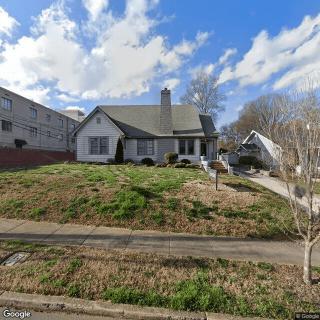
ATS Health Services
$2,500 to $3,500 / month5.7 miles away -
About the same
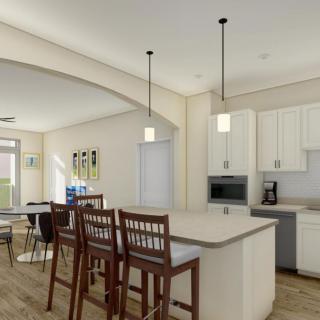
Ambriant at Avondale
$3,000 to $4,100 / month21.0 miles away -
from -$235 / mo
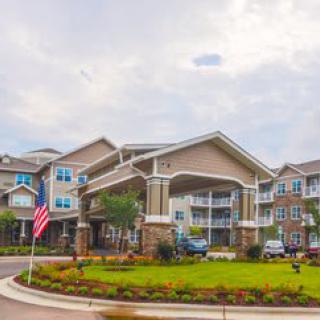
Providence Meadows
$2,765 to $4,595 / month14.8 miles away -
from +$500 / mo

The Ivey- Adult Day Services
$3,500 to $4,500 / month9.8 miles away -
from +$500 / mo

Karizma Infinities Residential Care Home
$3,500 to $6,000 / month18.4 miles away
Overall Review of Unlimited Possibilities Family Home Care 1
Pros
 The people who answer the phone are very polite and friendly.
- James is a brother in Christ and a man you can trust.
- You can count on him and his staff at UP Family Care Home to take the best care of your loved one.
- The nurse gave her more information and answered all her questions.
- The setting was described as very nice for the aunt.
Cons
 The facility fails to call back after inquiries, indicating poor communication.
- The management may come across as friendly but is unresponsive and uncaring about issues.
- Paying in advance leads to money loss with refunds unlikely.
- Insurance paperwork can take three or more months to complete, and office staff turnover makes roles unclear.
- There is no consistent meal planning or activities, and the facility is generally unclean with dirty laundry piled up and spider webs on exterior windows.
- There is no maintenance staff, and items go missing or are stolen.
- The setting is not suitable for residents to sit 24/7 without stimulation or proper care, and caregiver outings are used for personal purposes, with residents sometimes left unattended in cars.
Review
This community is best suited for families seeking a small, home-like in‑place care setting with a clearly faith-informed, hands-on owner who can deliver personal attention, even when operational systems are imperfect. It appeals to those who value direct access to the operator, a intimate atmosphere, and the sense that care can be personalized in a intimate, family-style environment. However, it is not ideal for households that require consistent, professionally managed operations, transparent billing, and reliable administrative reliability across the board.
Several reviews underscore a warmth and approachability in the people who do show up to care. The setting itself is described as pleasant and comfortable, with moments where a nurse or a caretaker provides answer-focused information when engaged. James, in particular, emerges as a trusted figure for some families, characterized as dependable and worthy of confidence in his intentions and commitment. These positive threads suggest the potential for genuine, compassionate interactions when the right people are present, especially in a small home context where relationships matter and accessibility to leadership is possible.
Yet the cons voiced by multiple families are hard to overlook and cannot be dismissed. Communication can break down: promises of callbacks or timely responses do not always materialize, and turnover among office staff appears to undermine continuity of care and accountability. Several reviews warn that if concerns arise, they are met with limited follow-through, and the owner’s responsiveness is inconsistent. The promise of care can feel hollow if questions about billing, insurance claims, or day-to-day operations linger without clear, reliable answers.
Operational instability compounds the risk. Reports of lengthy insurance paperwork timelines, unclear job roles, and insufficient maintenance create a perception of disorganization. Food service and housekeeping problems, such as inconsistent meal planning, dirty laundry, and even visible cleanliness issues, point to ongoing quality challenges. Instances of items going missing and maintenance gaps further erode trust in the environment’s ability to sustain a safe, well-run home for daily living. In one review, the broader question of licensure and professional standards loomed, with caregivers’ qualifications left uncertain.
Despite the attractive, intimate ambiance and the potential for meaningful, individualized care, these drawbacks can offset the advantages unless critical gaps are addressed. The pros, genuine moments of connection, a welcoming physical setting, and a single point of contact who can be counted on, offer real value to residents who thrive on personal rapport and spiritual alignment. However, without dependable communication, predictable administrative processes, and consistent housekeeping and safety practices, the overall quality of care remains uncertain. Families must weigh the likelihood of warmth and personal attention against the risk of administrative volatility and upkeep concerns.
For families considering alternatives, the cautions point clearly toward facilities with stronger institutional systems: larger, licensed communities with transparent billing, stable administrative leadership, structured meals and activities, and clearly documented care plans. If opting to stay within a small home environment, insist on a formal written care plan, defined responsibilities, regular updates, and a trial period with measurable benchmarks. Verification of licensure status, staff credentials, and a clear, public complaint or incident history is non-negotiable. In short, this community serves a niche audience: those who prize a heartfelt, faith-anchored setting and intimate care, provided there is tolerance for operational unpredictability and a willingness to proactively demand clarity and accountability.
 Board and Care Home
 Activities off-site
 Beautician on-site
 Devotional services off-site
 Indoor common areas
 Outdoor common areas
 Private
 Private bathrooms
 Respite or short term stays offered
 Charlotte Douglas International (9 miles away)
 Ambulatory care
 Diabetic care
 High acuity care
 Incontinence care
 Medication management
 Meals provided




 Encouraging Participation in Adult Day Care: A Guide to Supporting a Hesitant Parent
 Comprehensive Exploration of Living Wills and Other Advance Directives
 A Detailed Exploration of Living Wills and Advance Directives