
5953 The Plaza Road, Charlotte, NC 28215
For more information about senior living options: (866) 208-4318
Overall Review of Mc Clain's Family Care Home 1
Pros
 There is at least one staff member who is good.
- One staff member stands out as good.
- Positive care could come from a single staff member.
Cons
 The staff at the house are not good, with the exception of maybe one.
- They are very disrespectful to the clients that live there.
- They donā€™t provide adequate care.
Review
Mc Clain's Family Care Home 1 in Charlotte, NC is best suited for families who want a small, home-like setting and who can commit to close, ongoing oversight of daily care. The sole available feedback paints a troubling picture: staff performance is uneven at best, with most caregivers described as disrespectful toward residents and unable to provide adequate care. In practical terms, the setting may appeal to those seeking intimate interaction and easier access for visits, but those advantages are overwhelmed by reports of inconsistent staffing, poor treatment of residents, and gaps in basic caregiving tasks. For seniors who rely on steady, respectful assistance with activities of daily living, this option does not stand up as a reliable choice. The practical takeaway is that any perceived warmth of a family-style home must be weighed against the risk of substandard care and the potential for harm if supervision is lax.
Those evaluating options should explicitly consider alternatives if reliable, compassionate care is a priority. Anyone with significant daily needs, medication management requirements, or behavioral support needs should look elsewhere, preferably toward larger, professionally overseen communities or reputable in-home care agencies. This single positive signal, ostensible familiarity with a smaller, more intimate setup, does little to counter the absence of consistent caregiver quality. The lack of favorable care experiences in the available feedback strongly suggests the need for options with documented staffing standards, formal oversight, and accountability mechanisms. In short, families cannot rely on routine, respectful care here and should not make a decision based on proximity or cost alone when care quality is at stake.
The most meaningful takeaway from the review is that one staff member might be acceptable, but this does not meaningfully offset the broader pattern. A lone capable caregiver cannot compensate for pervasive disrespect and systematically inadequate care. When residents are described as subjected to disrespectful treatment and when essential tasks are not reliably performed, the core value proposition of any care setting, the safety, dignity, and well-being of residents, erodes. The nuanced benefit of a home-like atmosphere collapses under the weight of inconsistent staffing, slow or missing responses to needs, and a lack of dependable supervision. For families, the practical question becomes whether a seemingly intimate environment is worth the ongoing risk of subpar care, especially for residents who require timely assistance and clear communication.
If exploration continues, concrete verification is essential. Prospective residents should demand transparent data on staffing ratios by shift, staff training credentials, and the supervision framework, who is responsible for care, how often supervision occurs, and what escalation looks like when concerns arise. It is critical to review care plans, medication administration records, and incident logs to gauge responsiveness and accountability. A face-to-face meeting with the house administrator and direct-care staff can reveal whether tone, attentiveness, and emergency procedures align with reasonable standards. Additional references beyond the single published review should be sought, and licensing status checked with North Carolina authorities. A brief trial stay could illuminate daily realities, but only if the provider cooperates in a transparent, verifiable manner. Without substantive, verifiable evidence of consistent, respectful care, the likelihood of meaningful improvement remains dubious.
Decision-making should prioritize safety, dignity, and predictability over convenience or cost when care needs are moderate to high. The negative feedback raises a red flag about routine care, responsiveness, and resident treatment, suggesting that alternatives with stronger governance and proven staffing practice will deliver more reliable outcomes. For families still weighing options, compare care models offered by licensed assisted living facilities that employ trained CNAs, social workers, and on-site nursing staff, with in-home agencies that provide continuous supervision and documented care plans. If selecting a smaller, home-style setting remains under consideration, insist on a formalized care agreement, guaranteed staffing hours, and ongoing quality assurance measures. The absence of positive care outcomes in the available feedback makes it prudent to privilege options with established records of respectful treatment and timely, competent assistance.
Bottom line: this community is unlikely to meet the expectations of families seeking dependable daily care and respectful treatment. It is best avoided by seniors who require reliable, compassionate caregiving and by families unwilling to provide rigorous oversight. For those continuing the search, focus on facilities with transparent governance, verified staff training, and a demonstrated commitment to resident well-being. Alternatives with stronger reputations for safety, communication, and accountability will deliver greater peace of mind and a more stable daily routine. When close supervision and a professional, consistently delivered level of care are non-negotiable, the prudent course is to pursue larger, professionally managed settings or accredited home-care providers with proven track records. The objective remains clear: secure a living arrangement where dignity, responsiveness, and quality of care are non-negotiable requirements.
 5 resident community capacity
 Assisted Living
 Board and Care Home
 Cable or satellite TV
 Dining room
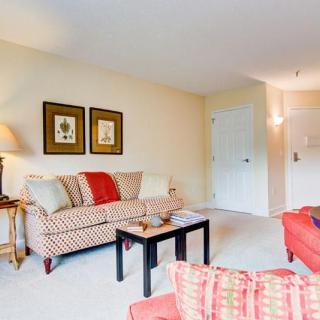
 Fully furnished
 Garden
 Housekeeping services
 Move-in coordination
 Outdoor space
 Telephone
 Wi-Fi/high-speed internet available
 Charlotte Douglas International (11 miles away)
 24-hour supervision
 Activities of daily living assistance
 Assistance with bathing
 Assistance with dressing
 Assistance with transfers
 Diabetes diet
 Meal preparation and service
 Medication management
 Special dietary restrictions
 Transportation arrangement (medical)
 Transportation to doctors appointments






 Comprehensive Insights into Activities of Daily Living (ADLs) and Their Assessment
 Medicare Coverage for Assisted Living: An In-Depth Exploration
 Choosing the Right Senior Care: A Detailed Exploration of Assisted Living and Nursing Homes