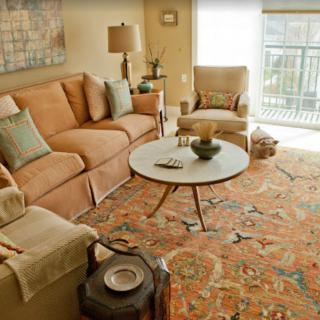
Lett Assisted Living II

11476 Club Drive, Chapel Hill, NC 27517

For more information about senior living options: (844) 490-3973

3.7 from 3 reviews
5 stars
2
4 stars
0
3 stars
0
2 stars
0
1 stars
1

Assisted Living

What level of care are you interested in?

Assisted Living

Memory Care

Independent Living

Skilled Nursing Facility

Continuing Care Retirement Community (CCRC)CCRC

Other


Request a tour at Lett Assisted Living II

    Overall Review of Lett Assisted Living II

    Pros

    • pro The staff were incredible, compassionate, and went above and beyond.
    • pro The home-style environment made her mother's experience better.
    • pro Courtney was amazing and truly knew her mother as well as others.
    • pro She would smile and say how well she was being cared for.

    Cons

    • pro Promises made by the director were broken in less than 24 hours.
    • pro The facility refused to use a chair alarm, which caused the resident to fall multiple times.
    • pro The resident was left on the toilet by herself, causing a fall.
    • pro Significant bruising occurred on the resident's hip and buttocks.
    • pro The care provided by the home was poor.
    • pro The director was extremely difficult to work with.

    Review

    In reflecting on the care experience described, there is a powerful contrast between warmth and worry, gratitude and concern, all centered on the same home. The story begins with a deeply positive memory: a mother who had spent more than a year in this environment, surrounded by people who were described as incredibly compassionate and caring. The atmosphere was said to feel like a home, not a sterile facility, and that home-style environment seemed to make her final months gentler and more comfortable. One staff member, Courtney, stood out in particular - touched by kindness and familiarity, she was said to really know my mother as well as others in the community. The result, as remembered by the family, was a daily sense of reassurance: the mother would smile and repeatedly express that she felt well cared for, which is the kind of validation families treasure at such a trying time.

    That early impression paints a portrait of a place where staff go above and beyond their duties. The reviewers describe a team whose compassion extended beyond routine tasks to meaningful connection and personal attention. The home-like setting fostered a sense of normalcy and comfort during a period that is inherently difficult for families to endure. The care described was not just about meeting basic needs; it was about dignity, presence, and respect in a context that can often feel clinical and impersonal. In these terms, the staff's attentiveness and Courtney's particular dedication became a bright thread in an otherwise lonesome journey, leaving the family with lasting memories of moments when their mother's face lit up with genuine appreciation.

    Yet, woven into this story is a later, markedly different experience that casts a shadow over the initial gratitude. In a subsequent stay, a 90-year-old mother spent one week at the same home, after which the family decided to remove her. This chapter is framed by strong warnings about promises that did not stand up to scrutiny. According to the account, the director's assurances were not kept within the first day, let alone the full week, and the discrepancy between promised and delivered care became a central grievance. The sense of trust that had been built in the first narrative began to unravel as the family confronted a pattern of unreliability.

    Safety concerns emerged as a critical and recurring theme in this troubling week. The facility allegedly refused to use a chair alarm, a decision that had direct and painful consequences: the mother reportedly fell multiple times because the alarm system was not employed. The situation worsened with an instance where the mother was left on the toilet by herself, which led to another fall. These incidents culminated in significant bruising to her hip and buttocks, painting a stark picture of avoidable harm. The care described during this period was characterized as poor, and the director's demeanor was described as extremely difficult to work with, a combination that can erode trust and confidence when families need to collaborate on a loved one's safety and well-being.

    Taken together, these two experiences reveal a facility capable of extraordinary warmth and human connection, alongside a management and safety dynamic that can feel obstructive and unsafe. The first review emphasizes what care at its best looks like: compassionate staff, a homelike environment, meaningful relationships, and the sense that staff members truly see and know the residents. The second review highlights what care at its worst can become: unkept promises, safety shortcuts, preventable injuries, and a leadership style that makes cooperation and clear communication difficult. The flipside of such contrasting experiences is a reminder of how much depends on the day, the particular staff on duty, and the priorities and responsiveness of administration.

    For families contemplating placement, this juxtaposition underscores the importance of observing both the human warmth of caregivers and the rigor of safety practices. It suggests that a facility can offer exceptional personal care in one phase and falter in another, depending on who is at the helm and how safety protocols are enforced. The memory of a mother who smiled because she felt well cared for remains a cherished one, while the troubling episodes of falls and withheld alarms serve as a sober warning about potential risks when expectations and accountability diverge. In the end, the enduring takeaway is a blend of gratitude for the moments of genuine compassion and vigilance for the days when safety and clear communication must prevail to protect those we love.

    Features

    Housing

    • 6 resident community capacity 6 resident community capacity

    Types of Care

    • Assisted Living Assisted LivingAssisted living facilities provide crucial support and care for seniors who may need help with daily tasks such as medication management, bathing, and meal preparation. These communities offer a safe and comfortable environment where seniors can maintain their independence while receiving the assistance they need to thrive in their golden years.

    Amenities

    • Activities on-site Activities on-siteActivities on-site are important for seniors because they provide opportunities for socialization, mental stimulation, physical activity, and overall well-being. Engaging in activities can help seniors stay active, maintain their independence, and improve their quality of life.
    • Cable or satellite TV Cable or satellite TVCable or satellite TV is important for seniors because it provides entertainment, news, and companionship, helping to combat loneliness and boredom. It also offers a wide range of programming options tailored to different interests and preferences.
    • Devotional services off-site Devotional services off-siteDevotional services off-site are important for seniors as they provide spiritual nourishment, social engagement, and a sense of community outside of the senior living facility. This can enhance overall well-being and help combat feelings of isolation and loneliness often experienced by older adults.
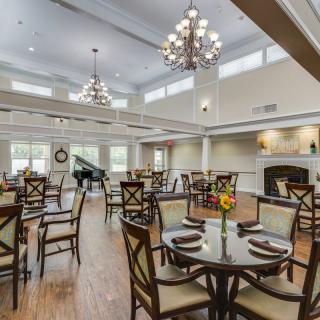
    • Dining room Dining roomDining rooms are important for seniors as they provide a space for socialization, connection, and nutritious meals. They offer opportunities for residents to bond over shared meals, foster a sense of community, and promote healthy eating habits. Dining rooms also ensure that seniors have access to well-balanced meals tailored to their dietary needs and preferences.
    • Fully furnished Fully furnishedFully furnished senior living communities are important for seniors because they provide convenience, comfort, and a hassle-free moving experience. Seniors can easily settle into their new living space without the stress of having to buy and move furniture. This allows them to focus on enjoying their new home and community.
    • Garden GardenGardens are important for seniors as they provide a peaceful and therapeutic environment for relaxation, physical activity, and socialization. Being in nature has been shown to reduce stress, improve mood, and promote overall well-being. Gardens also offer opportunities for seniors to engage in gardening activities, which can improve mobility, flexibility, and cognitive function. Additionally, gardens create a sense of community and connection with others who share a passion for plants and outdoor spaces.
    • Housekeeping services Housekeeping servicesHousekeeping services are important for seniors because they help maintain a clean and safe living environment, promote independence, and reduce the risk of accidents or illnesses. Additionally, having assistance with household chores can alleviate physical strain and allow seniors to focus on other aspects of their well-being.
    • Indoor common areas Indoor common areasIndoor common areas are crucial for seniors as they provide a space for socialization, recreation, and community engagement, promoting overall well-being and reducing feelings of isolation and loneliness.
    • Move-in coordination Move-in coordinationMove-in coordination is important for seniors because it helps ease the transition into their new living environment. It ensures that all logistics, such as packing, organizing movers, and setting up utilities are taken care of, allowing seniors to focus on settling in and adjusting to their new home. Having a smooth move-in process can alleviate stress and anxiety, making the transition smoother and more enjoyable for seniors.
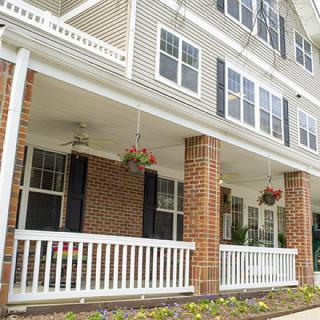
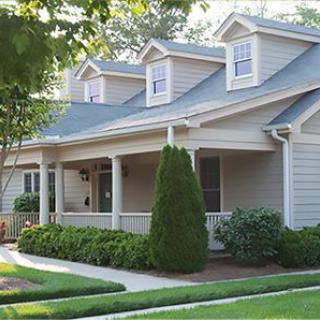
    • Outdoor space Outdoor spaceOutdoor spaces are important for seniors as they provide opportunities for physical activity, social interaction, exposure to natural light and fresh air, and a sense of connection to nature. Having access to outdoor spaces can improve overall well-being and quality of life for older adults living in senior communities.
    • Telephone TelephoneTelephones are important for seniors as they provide a lifeline for communication with loved ones, emergency services, and healthcare providers. They offer a sense of security and independence, enabling seniors to stay connected and access assistance when needed.
    • Wi-Fi/high-speed internet available Wi-Fi/high-speed internet availableWi-Fi/high-speed internet is important for seniors to stay connected with loved ones, access online resources, and participate in virtual activities to combat feelings of loneliness and isolation. It also allows them to easily manage healthcare needs, access entertainment, and engage in lifelong learning opportunities.

    Transportation

    • Raleigh-Durham International (14 miles away) Raleigh-Durham International (14 miles away)

    Care Services

    • 24-hour supervision 24-hour supervision24-hour supervision is important for seniors to ensure their safety, well-being, and access to immediate assistance in case of emergencies or health issues. This constant support provides peace of mind for both seniors and their loved ones, allowing them to age in place with dignity and security.
    • Activities of daily living assistance Activities of daily living assistanceActivities of daily living assistance are important for seniors because they provide essential support with tasks such as eating, bathing, dressing, and mobility. This assistance helps seniors maintain their independence, dignity, and overall quality of life as they age.
    • Ambulatory care Ambulatory care"Ambulatory care services provide essential medical support and treatment to seniors without requiring hospitalization, allowing them to maintain their independence and quality of life while managing chronic conditions or receiving routine medical care."
    • Assistance with bathing Assistance with bathingAssistance with bathing is crucial for seniors as it helps maintain personal hygiene, prevents infections, and ensures their overall well-being and comfort. It also provides a sense of dignity and independence for seniors who may struggle with this task on their own.
    • Assistance with dressing Assistance with dressingAssistance with dressing is important for seniors because it helps maintain their independence, promotes personal hygiene, prevents accidents and injuries, and improves overall quality of life. This service ensures that seniors can continue to dress comfortably and confidently, despite any physical limitations they may have.
    • Assistance with transfers Assistance with transfersAssistance with transfers is crucial for seniors as it helps prevent falls and injuries, maintains their independence, and ensures they can safely navigate their living environment. It also provides peace of mind for both seniors and their loved ones.
    • Coordination with health care providers Coordination with health care providersCoordination with health care providers is crucial for seniors to ensure proper medical care, medication management, and overall well-being. This collaboration helps prevent overlapping treatments, track progress more effectively, and provide comprehensive support tailored to individual needs.
    • Diabetes diet Diabetes dietA diabetes diet is crucial for seniors as it helps manage blood sugar levels, reduce risks of complications, and improve overall health and well-being. By following a balanced and nutritious diet tailored to their specific needs, seniors can better control their diabetes and enhance their quality of life.
    • Diabetic care Diabetic careDiabetic care is crucial for seniors as they are more susceptible to developing diabetes due to aging and other health conditions. Proper management of diabetes can help prevent complications such as heart disease, vision loss, and nerve damage, improving the overall quality of life for seniors in senior living communities.
    • Meal preparation and service Meal preparation and serviceMeal preparation and service are crucial for seniors as they may have limited mobility or energy to cook nutritious meals. Having access to healthy and convenient food options can ensure they are getting the proper nutrition needed to maintain their overall health and well-being.
    • Medication management Medication managementMedication management is crucial for seniors to ensure they are taking the right medications at the correct dosages and times. This helps prevent adverse drug interactions, reduces the risk of medication errors, and promotes overall health and well-being. Proactive management also allows for adjustments as needed based on changing health conditions or new prescriptions.
    • Special dietary restrictions Special dietary restrictionsSpecial dietary restrictions are important for seniors because age-related changes in metabolism and health conditions can make it difficult for their bodies to process certain foods. By following a diet tailored to their specific needs, seniors can maintain their overall health and well-being, manage chronic conditions, and reduce the risk of complications such as malnutrition or food interactions with medications.
    • Transportation arrangement (medical) Transportation arrangement (medical)Transportation arrangements for medical purposes are essential for seniors as they may have difficulty driving themselves to appointments or accessing public transportation. Having reliable and safe transportation options ensures that seniors can receive timely medical care and maintain their health and well-being.
    • Transportation to doctors appointments Transportation to doctors appointmentsTransportation to doctors' appointments is crucial for seniors as it ensures they have access to necessary medical care and support for their health needs. Without reliable transportation, seniors may struggle to attend important appointments, leading to potential delays in treatment and health complications. Providing transportation services helps seniors maintain their overall well-being and quality of life.

    Dining

    • Diabetes diet Diabetes dietA diabetes diet is crucial for seniors as it helps manage blood sugar levels, reduce risks of complications, and improve overall health and well-being. By following a balanced and nutritious diet tailored to their specific needs, seniors can better control their diabetes and enhance their quality of life.
    • Meals provided Meals provided"Meals provided" are crucial for seniors in assisted living communities as it ensures they have access to nutritious, balanced meals without the stress of meal planning and preparation. This can help promote overall health and well-being for seniors who may have limited mobility or cognitive abilities.
    • Special dietary restrictions Special dietary restrictionsSpecial dietary restrictions are important for seniors because age-related changes in metabolism and health conditions can make it difficult for their bodies to process certain foods. By following a diet tailored to their specific needs, seniors can maintain their overall health and well-being, manage chronic conditions, and reduce the risk of complications such as malnutrition or food interactions with medications.

    Activities

    • Activities on-site Activities on-siteActivities on-site are important for seniors because they provide opportunities for socialization, mental stimulation, physical activity, and overall well-being. Engaging in activities can help seniors stay active, maintain their independence, and improve their quality of life.
    • Community-sponsored activities Community-sponsored activitiesCommunity-sponsored activities are important for seniors as they provide opportunities for social interaction, mental stimulation, and physical activity. These activities can help improve overall well-being, combat loneliness and isolation, and promote a sense of belonging and purpose among older adults.
    • Devotional activities offsite Devotional activities offsiteDevotional activities offsite are important for seniors because they provide social engagement, spiritual growth, and a sense of community outside of their living environment. This can improve overall well-being, mental health, and combat feelings of isolation or loneliness.
    • Scheduled daily activities Scheduled daily activitiesScheduled daily activities are important for seniors because they provide structure, socialization, mental stimulation, and physical activity. Engaging in regular activities can improve overall well-being and quality of life for seniors living in a community setting.

    Description

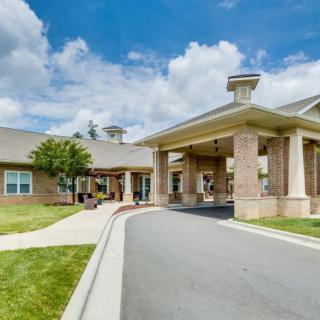
    Lett Assisted Living II in Chapel Hill, NC offers a wide range of amenities and care services to meet the needs of its residents. The community provides comfortable and fully furnished living spaces with cable or satellite TV, telephone, and Wi-Fi/high-speed internet for the convenience and entertainment of its residents.

    Residents can enjoy delicious meals in the dining room, with special dietary restrictions catered to. Housekeeping services ensure a clean and tidy living environment, while indoor common areas provide opportunities for socializing with fellow residents. Outdoor space and a garden offer tranquil areas for relaxation and enjoyment.

    The dedicated staff at Lett Assisted Living II provides assistance with daily activities such as bathing, dressing, and transfers to ensure the comfort and well-being of its residents. Medication management is also available to ensure timely adherence to prescribed treatments. Coordination with healthcare providers ensures seamless communication between resident, family, and medical professionals.

    A variety of community-sponsored activities are offered on a regular basis, providing opportunities for social engagement and personal enrichment. Devotional activities offsite offer spiritual support for those who desire it. Scheduled daily activities help residents stay active and engaged.

    Located in Chapel Hill, this assisted living community benefits from its proximity to various amenities. With two cafes nearby, residents can enjoy outings for coffee or meals outside the community grounds. Three parks provide options for outdoor recreational activities. Four pharmacies close by ensure easy access to medications when needed. Seven physicians in the area contribute to prompt medical attention if required. Eleven nearby restaurants give residents a choice of dining options outside the community walls. Additionally, there is one place of worship nearby for those seeking spiritual fulfillment. Three hospitals in close proximity provide peace of mind in case of any medical emergencies.

    Lett Assisted Living II offers a supportive environment that promotes independence while ensuring personalized care tailored to each resident's needs.

    Nearby Places of Interest

    Places of Worship

    • Mt Carmel Baptist Church (1.4 miles)
    • New Hope Church (6.2 miles)
    • Church of Reconciliation PC USA (6.2 miles)
    • Judea Reform Congregation (10.3 miles)
    • Yates Baptist Church (10.5 miles)

    Parks

    • Soccer Fields At Southern Community Park (2.5 miles)
    • Southern Community Dog Park (2.7 miles)
    • Briar Commons (4.2 miles)
    • Hank Anderson Community Park (6.4 miles)
    • Grandale Park (7 miles)
    • Homestead Skate Park (7.6 miles)
    • Cedar Falls Park (7.8 miles)

    Pharmacies

    • Southern Village Pharmacy (2.7 miles)
    • UNC Hospitals ACC Outpatient Pharmacy (3.8 miles)
    • Tarheel Town Pharmacy (4.6 miles)
    • CVS Pharmacy (4.8 miles)
    • Walgreens (5.7 miles)
    • CVS Pharmacy (6.3 miles)
    • Walgreens (6.8 miles)

    Physicians

    • Village Pediatrics of Chapel Hill (2.7 miles)
    • UNC Dermatology (2.8 miles)
    • Aycock Family Practice Center- UNC Family Practice (3.6 miles)
    • University-NC At Chapel Hill Lab (3.9 miles)
    • Duke Primary Care of Galloway Ridge (4.8 miles)
    • Triangle Integrative Psychiatry (4.8 miles)
    • Carrboro Family Medicine Center (4.9 miles)

    Restaurants

    • Taco Bell (2.9 miles)
    • Merritt's Store & Grill (3.5 miles)
    • Crossroads Chapel Hill (4.4 miles)
    • McDonald's (4.6 miles)
    • Carolina Brewery (4.6 miles)
    • Mediterranean Deli (4.6 miles)
    • Carrburritos (4.6 miles)

    Cafes

    • Breakaway Cafe (3.1 miles)
    • Panera Bread (4.6 miles)
    • Starbucks (6.2 miles)
    • Panera Bread (6.8 miles)
    • Starbucks (7 miles)
    • Starbucks (7.9 miles)
    • Starbucks (8.6 miles)

    Hospitals

    • UNC Hospitals Ambulatory Care Center (3.8 miles)
    • UNC Transplant Clinic (4 miles)
    • North Carolina Cancer Hospital (4 miles)

    Theaters

    • AMC DINE-IN Southpoint 17 (6.7 miles)

    Frequently Asked Questions

    Where is Lett Assisted Living II?

    Nearby Communities

    Related Resources

    • senior move managementSenior Transition Services: Understanding Their Role, Cost, and Importance

      Senior move management services assist older adults in the relocation process by providing emotional support and organizational help, addressing unique challenges like downsizing and moving from long-term homes. These specialists collaborate with real estate agents and manage logistics, making the transition smoother for seniors and their families.

    • independent living vs assisted livingExploring the Path to Senior Living: A Comprehensive Look at Independent Living and Assisted Living

      The article examines senior housing options, detailing the distinctions between independent living and assisted living, along with the emerging "independent assisted living" model that blends both approaches. It highlights the importance of assessing individual needs, preferences, and financial factors in making informed decisions about suitable living arrangements for seniors.

    • is assisted living tax deductibleIs Assisted Living Deductible on Your Taxes? Understanding the Complexities of Assisted Living Expenses and Deductions

      The deductibility of assisted living expenses on taxes hinges on factors like the individual's medical condition and service nature, typically requiring the resident to be "chronically ill" per IRS definitions. Taxpayers may deduct eligible medical expenses related to personal care services but generally not rent unless primarily for medical care, and they should maintain thorough documentation to support claims while considering itemizing versus standard deductions.


    Get Pricing Ask A Question Schedule A Tour Contact Senior Advisor