
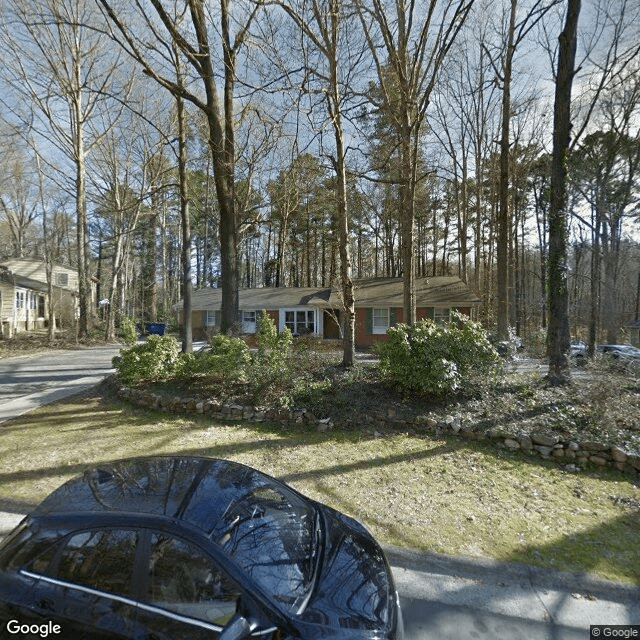
303 Yorktown Dr, Chapel Hill, NC 27514
To contact a resident: (919) 967-7570
For more information about senior living options: (866) 208-4318
Overall Review of Charles House - Yorktown Eldercare Home
Pros
 It is a wonderful welcoming place for seniors to socialize and live life more fully.
- The facility is fantastic.
- The Charles House program is great, with consistently wonderful staff, and is highly recommended.
- The group is friendly, and first-time participants are likely to enjoy their experience.
- The organization provides engaging activities that improve mood and cognition and keep residents active.
- The staff are dedicated professionals doing a great job.
Review
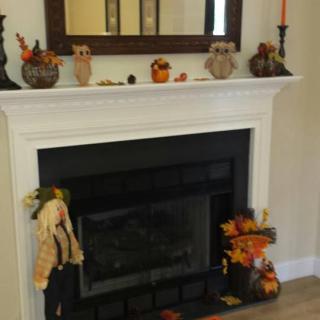
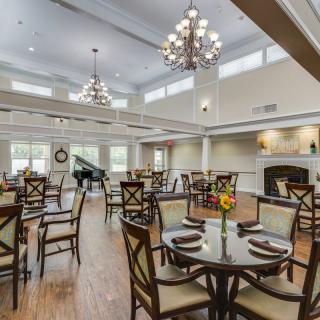
Charles House in Chapel Hill is best suited for seniors who prize a vibrant, socially focused daily life and want programs that actively engage the mind and body. This community shines for residents who enjoy regular interaction, group activities, discussions, and outings, and who thrive when staff curate a varied calendar that emphasizes connection over clinic routines. It is an inviting, home-like setting where mood improvements and cognitive engagement come from meaningful social participation. The environment is clearly built for those who value companionship, storytelling, music, and shared experiences as central to daily living. For someone who needs frequent, high-acuity medical oversight or highly specialized dementia care, this may not be the ideal fit.
The strongest positives come from the people and the programming. Staff are consistently described as wonderful, friendly, and dedicated, creating a welcoming atmosphere from the moment a visitor arrives. Activities are thoughtfully organized to engage residents, led readings on current topics, discussions of people and events in history, music and dance, and outside adventures that add variety to the week. The evidence in resident feedback points to tangible benefits: improved mood, heightened participation, and even cognitive stimulation that makes days feel fuller. Families report that socialization with both staff and fellow patrons is a highlight, with one program even cited as the resident’s weekly high point.
A clear trade-off emerges when weighing these strengths against what the setting does not promise. The emphasis here is not on clinical intensity or medical rehabilitation; it is on social engagement, enrichment, and ongoing activity. For seniors who require 24/7 nursing supervision, on-site medical care, or highly structured dementia care, alternatives with stronger clinical supports will be a better match. Memory-care environments or skilled-nursing communities often provide more comprehensive medical oversight, wound care, and therapy services. In these terms, Charles House may be the better choice for families prioritizing daily liveliness and social fulfillment over medical intensity.
Yet the pros do more than compensate for the program’s narrower clinical focus. The dedicated staff and the curated activities create a dependable rhythm that reduces isolation and sustains a sense of purpose. The social capital generated by regular conversations, trips, and collaborative activities translates into observable improvements in mood and engagement; residents become more involved in choices about their day, which supports autonomy within a structured setting. The combination of staff attentiveness and engaging content helps offset any absence of high-level medical programming, making this a compelling option for older adults who want to stay socially active and cognitively anchored.
Practical evaluation should center on alignment of needs with offerings. Prospective families should ask about staff-to-resident ratios during peak activity times and confirm the presence of on-site medical support or clear access to outside clinicians. Inquire about the scope of programming, how often activities beyond routine socialization occur, what transportation options exist for outings, and how individual preferences are integrated into the schedule. It is also important to verify what level of care is included in the fee structure and whether the community can accommodate evolving needs without a move. Observing a typical day and speaking with current residents about their experience will illuminate how well the program translates on paper into real-life vitality.
In sum, Charles House serves as a strong fit for seniors who want a lively, socially centered residence where staff dedication translates into meaningful daily life. It is especially well-suited for individuals who derive energy from interaction, learning, and shared experiences, and who are looking to preserve cognitive engagement through community activities. For families weighing options, this community stands out as a practical, emotionally rich environment that prioritizes social wellness and resident happiness over high medical intensity. Those who require expansive clinical services or dementia-specific medical oversight should consider alternatives, but for those who value companionship, cultural enrichment, and active participation, Charles House offers a compelling, well-supported path to a fulfilling elder years transition.
 Board and Care Home
 Raleigh-Durham International (17 miles away)

 Navigating the Financial Road to Nursing Home Care: In-Depth Guidance and Resources
 Supportive Employee Benefits That Help Caregivers Attain Better Work-Life Harmony
 Top Cars for Senior Drivers and Essential Safety Innovations