For more information about senior living options: (866) 208-4318
3.9 from 50 reviews
5 stars
32
4 stars
4
3 stars
2
2 stars
1
1 stars
11
Overall Review of Chatham Ridge Assisted Living
common11 reviews mention this
Facility stays notably clean
Residents and visitors frequently mention a clean, well-kept building.
Several reviews describe the community as clean and well-maintained, with spaces that feel cared for. Multiple reviewers also reference cleanliness in the rooms and common areas, including spotless or pristine impressions. Even some more critical comments focus less on odor or clutter and more on care issues, which makes cleanliness stand out as a consistent positive.
common35 reviews mention this
Staff support is often praised
Many reviews say staff are helpful, responsive, and engaged with residents.
Across the reviews, families frequently describe staff who are friendly, caring, and attentive—often naming helpful people, communication, and day-to-day interactions. Visitors also mention being able to get information easily and prompt follow-up when concerns come up. That said, a smaller set of reviews raise concerns about rudeness, poor coordination, and gaps in care, so staff quality appears inconsistent depending on the experience.
common14 reviews mention this
Activities keep people involved
Reviews commonly highlight a steady schedule of activities.
Many residents and family members describe frequent activities, including events on and off the property, along with daily programming. A number of reviews connect the activity schedule to engagement—residents becoming more active, spending time with others, and having things to look forward to. There are also mentions of residents enjoying outdoor time and communal spaces, which reinforces that social options are part of daily life.
caveat11 reviews mention this
Dining quality is mixed
Dining is a recurring point of both praise and complaint.
Some reviewers say meals are enjoyable, with mentions of good food and a dining experience that feels better than meal prep at home. Others describe problems like food being unavailable compared with what was chosen, meals not being prepared as expected, or dietary needs not being met on a given day. A few reviews also mention a need for the food service to improve, which helps explain why dining opinions vary so widely.
caveat20 reviews mention this
Care quality, especially memory care, varies
Reviews describe widely different experiences with care and supervision.
Positive reviews frequently describe strong support for daily needs, including nursing assistant help and medication management, with some families praising the care team’s attention to safety. Several reviews focus specifically on memory care, saying it was either a significant improvement with more hands-on help or a disappointing experience with neglect concerns and insufficient supervision. Taken together, residents’ care experiences—particularly in memory care—appear uneven across reviews.
How we summarize
Counts show how many written reviews mention each theme; a review can touch several themes, and only frequently mentioned themes are displayed.
Features
Housing
91 resident community capacity
Studio apartments
Types of Care
Assisted Living
Independent Living
Memory Care
Skilled Nursing Facility
Amenities
Air-conditioning
Beautician on-site
Beauty salon
Cable or satellite TV
Computer center
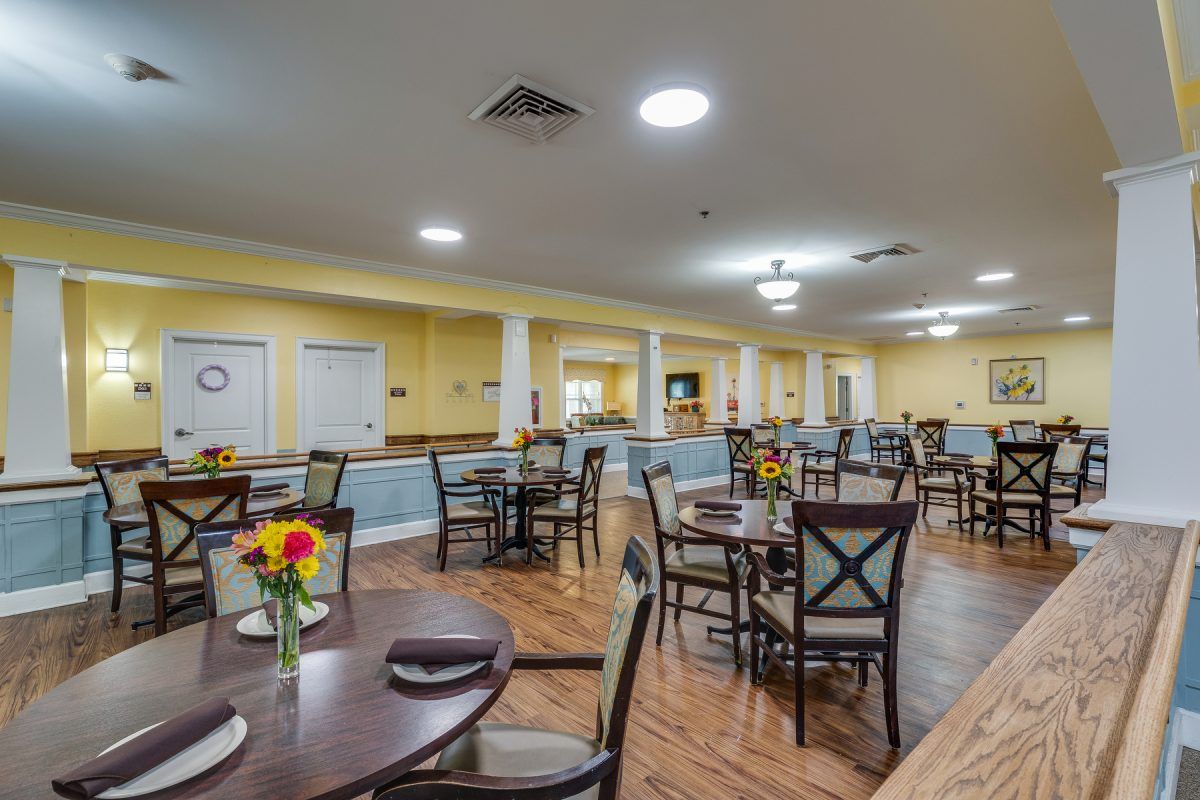
Dining room
Financing advice
Fitness room
Full kitchen
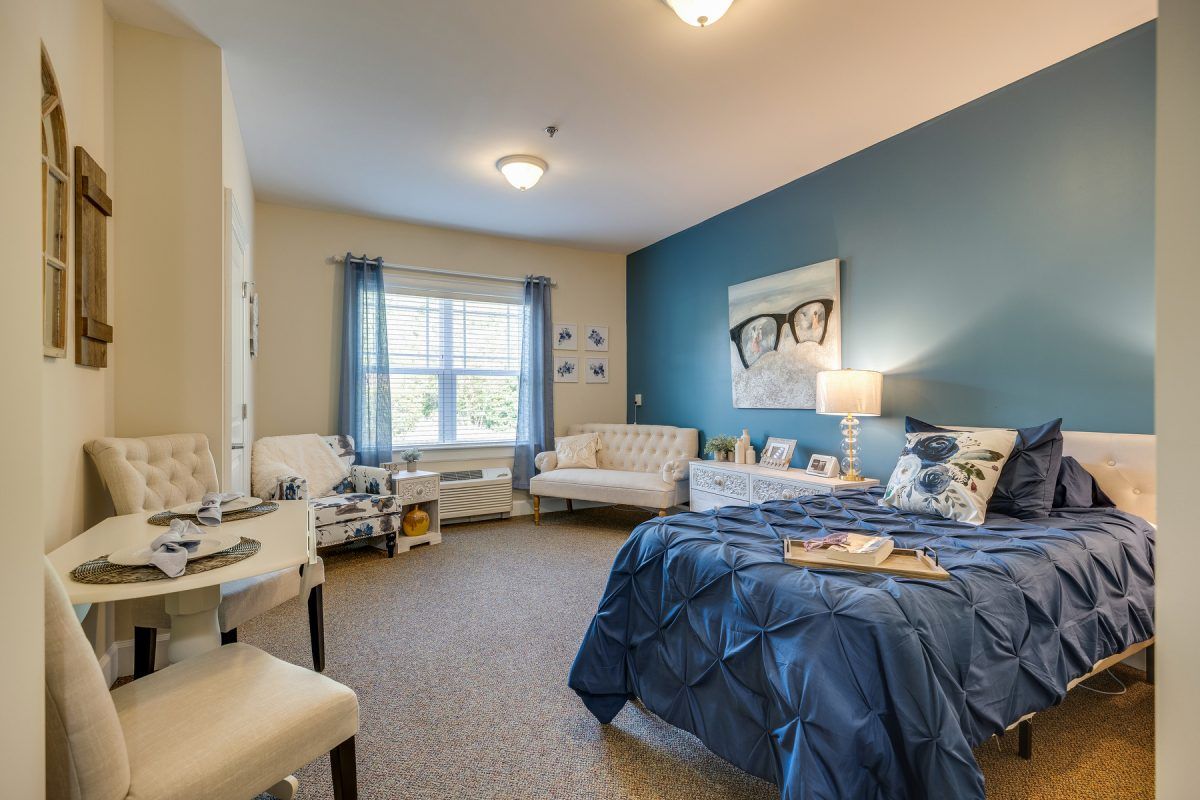
Fully furnished
Gaming room
Garden
Guasts at mealtime
Guest parking
Housekeeping services
Kitchenette
Laundry
Move-in coordination
Outdoor space
Overnight guests
Party space
Private bathrooms
Private cleaning services
Resident parking
Respite or short term stays offered
Restaurant-style dining
Small library
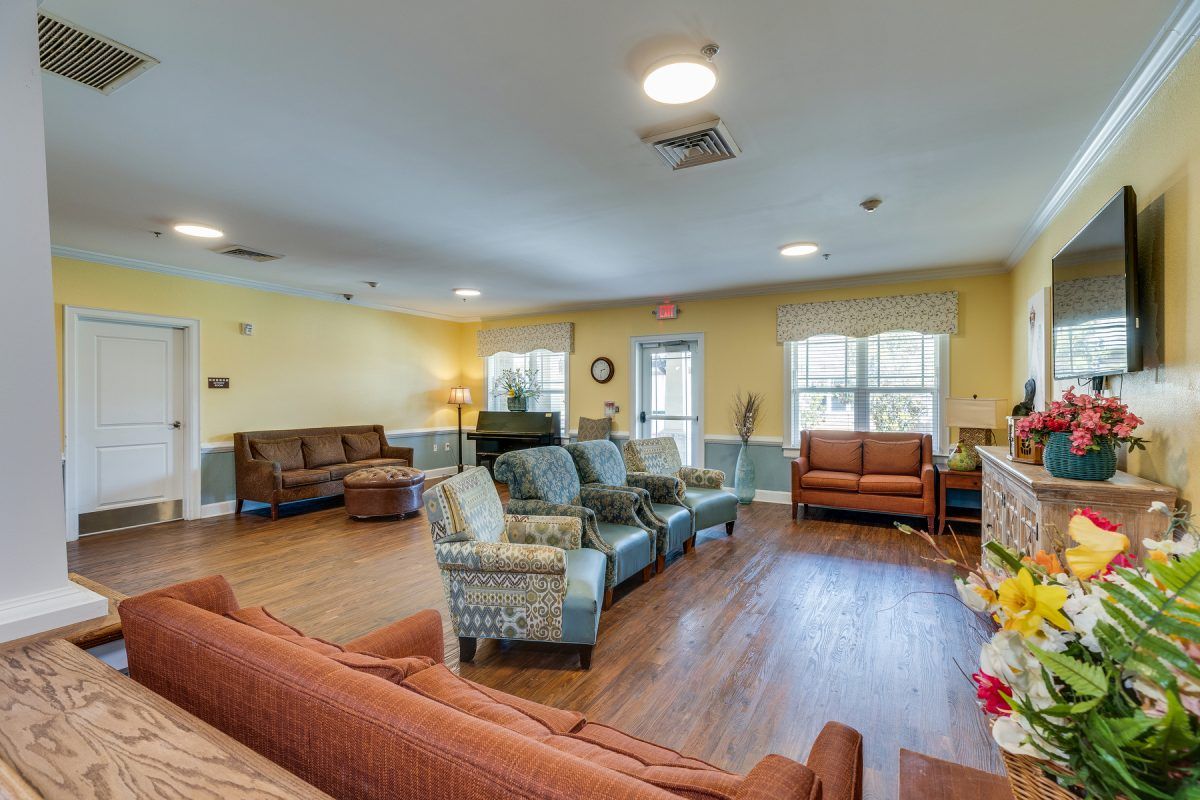
TV room
Telephone
VA Benefits Consultation
Wellness center
Wi-Fi/high-speed internet available
Transportation
Raleigh-Durham International (17 miles away)
Community operated transportation
Transportation & parking
Transportation arrangement
Transportation arrangement (non-medical)
Transportation to doctors appointments
Care Services
12-16 hour nursing
24-hour call system
24-hour supervision
Activities of daily living assistance
Assistance with bathing
Assistance with dressing
Assistance with transfers
Diabetes diet
Meal preparation and service
Medication management
Mental wellness program
Mild cognitive impairment
Special dietary restrictions
Specialized memory care programming
Dining
Diabetes diet
Special dietary restrictions
Activities
Activities off-site
Arts and crafts
Book club
Community-sponsored activities
Concierge services
Cooking club
Educational speakers / life long learning
Fitness programs
Games
Gardening club
Live musical performances
Planned day trips
Religious services
Resident-run activities
Scheduled daily activities
Stories
Tai Chi
Wii bowling
Yoga / chair yoga
Languages Spoken
English
Nearby Places of Interest
Restaurants
Taco Bell (0.1 miles)
Merritt's Store & Grill (4.5 miles)
Venable Rotisserie Bistro (5.3 miles)
Carrburritos (5.3 miles)
Carolina Brewery (5.4 miles)
McDonald's (5.4 miles)
Mediterranean Deli (5.4 miles)
Cafes
Breakaway Cafe (1.1 miles)
Panera Bread (5.5 miles)
Starbucks (7.9 miles)
Aromatic Roasters (8.8 miles)
Café Diem (9 miles)
Starbucks (9.3 miles)
Panera Bread (9.6 miles)
Parks
Briar Commons (1.2 miles)
Southern Community Dog Park (3 miles)
Soccer Fields At Southern Community Park (3 miles)
Hank Anderson Community Park (6.1 miles)
Homestead Skate Park (8.4 miles)
Cedar Falls Park (9.1 miles)
Grandale Park (10 miles)
Physicians
Duke Primary Care of Galloway Ridge (2.9 miles)
Village Pediatrics of Chapel Hill (3.4 miles)
UNC Dermatology (3.5 miles)
Carrboro Family Medicine Center (4.7 miles)
University-NC At Chapel Hill Lab (5 miles)
Aycock Family Practice Center- UNC Family Practice (5.3 miles)
Chatham Ridge Assisted Living offers 24-hour supervision, ensuring that residents receive constant support and safety, which is crucial for individuals with dementia or Alzheimer's disease who may experience confusion or wandering. The assistance with activities of daily living--including bathing, dressing, and transfers--promotes dignity while minimizing anxiety related to these essential tasks. Meal preparation and service cater to nutritional needs while creating a routine that can enhance comfort. Medication management ensures residents adhere to their prescribed regimens, reducing the risk of complications from missed doses. Furthermore, the mental wellness program addresses the emotional aspects of cognitive decline, fostering engagement and connection through specialized memory care programming designed to stimulate cognitive abilities and provide meaningful interactions tailored to each resident's unique stage of memory loss.
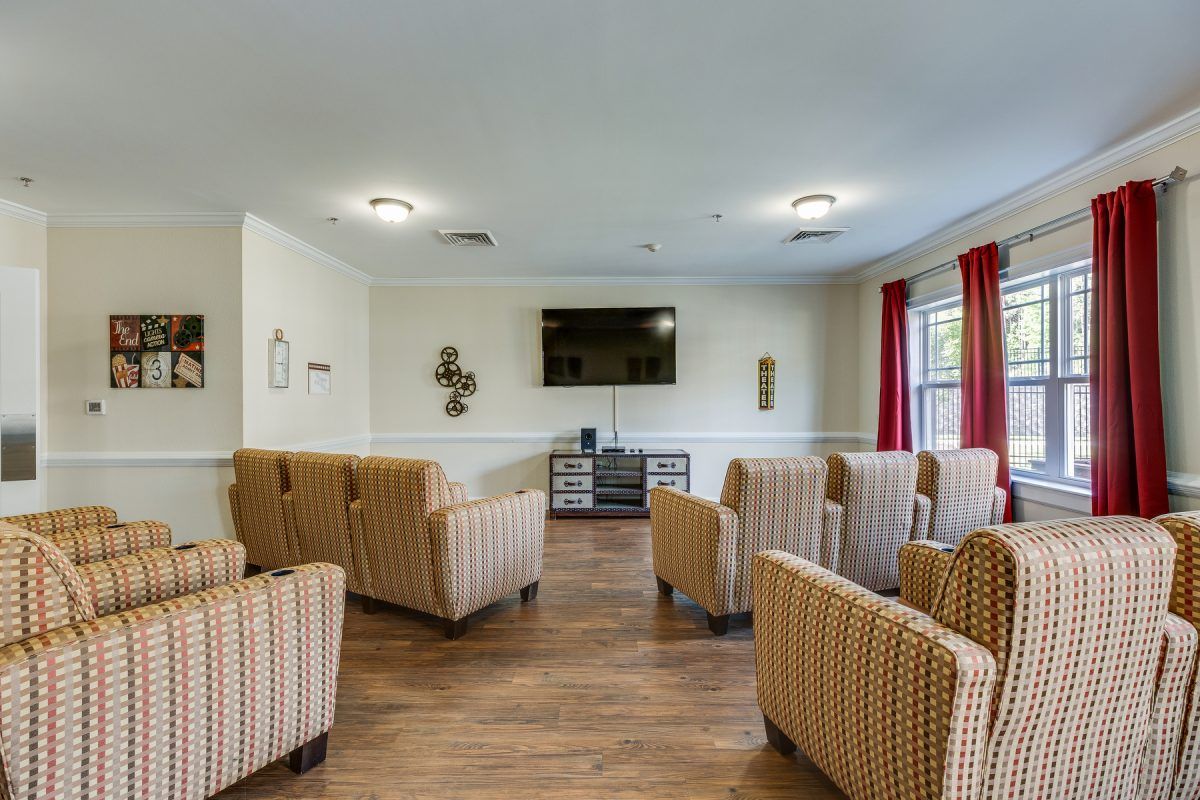
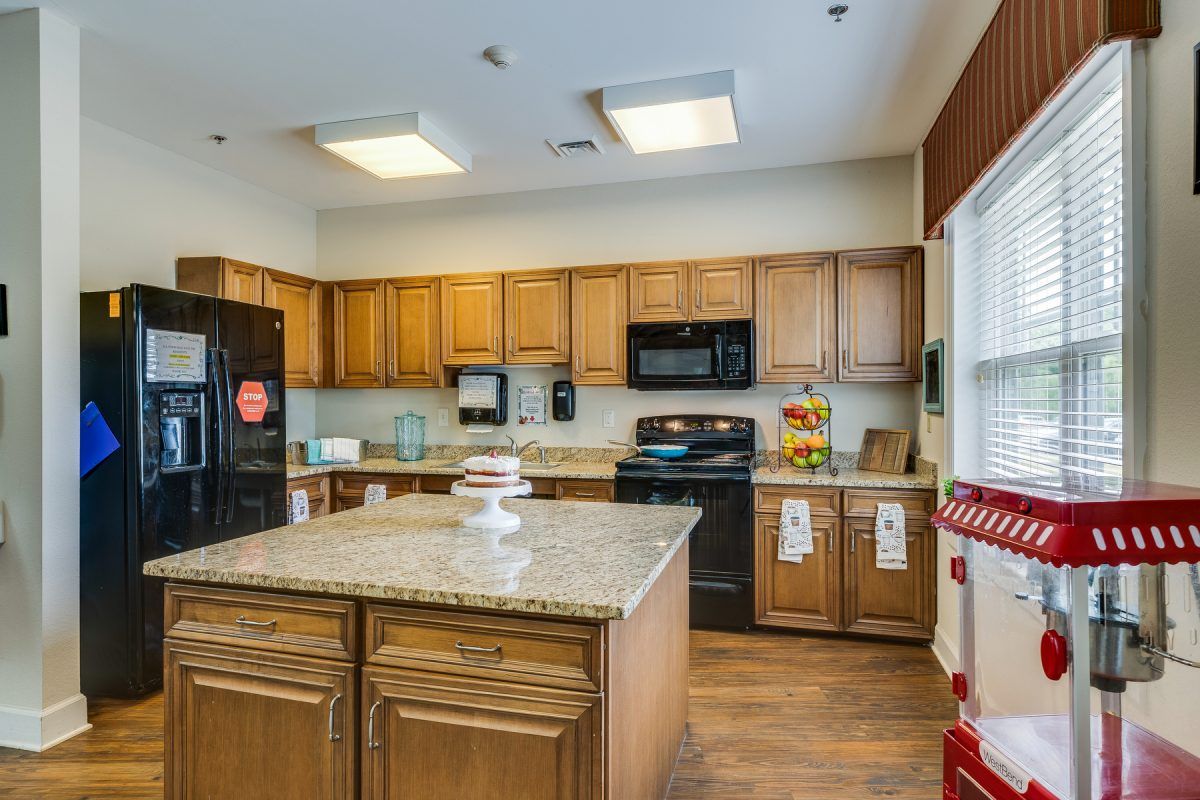
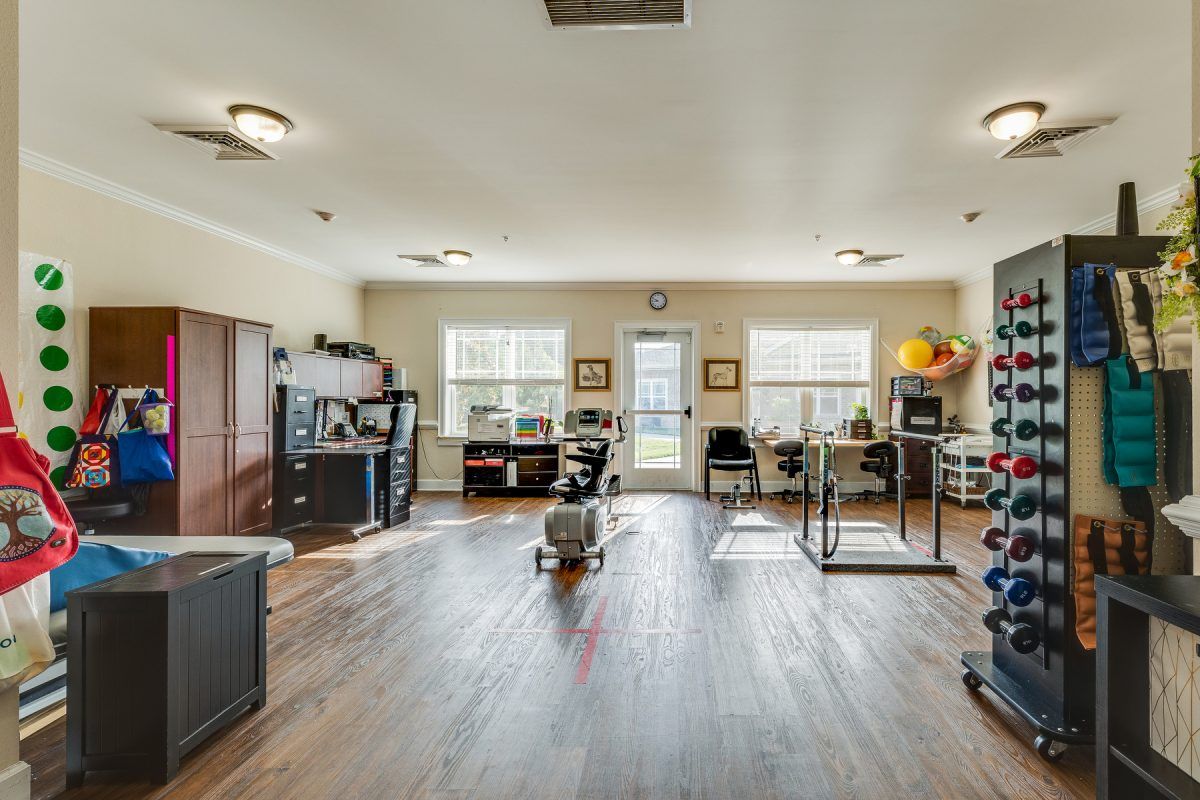
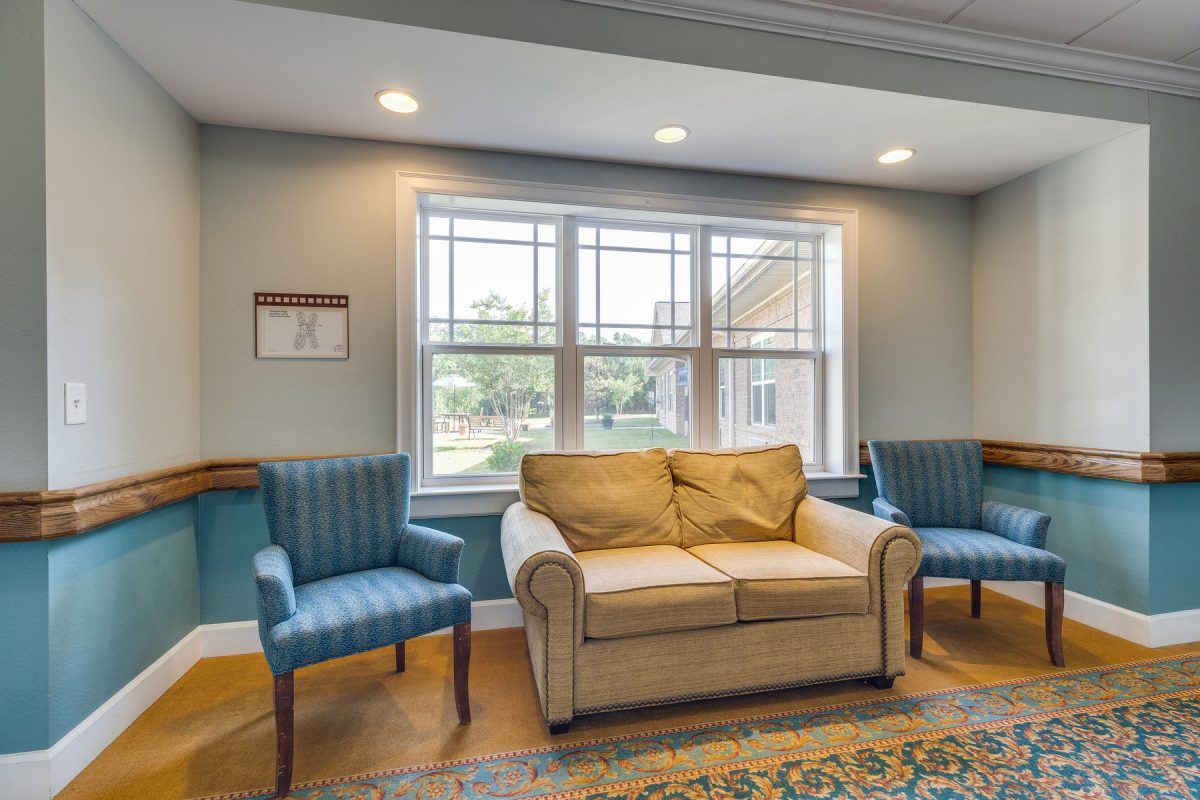
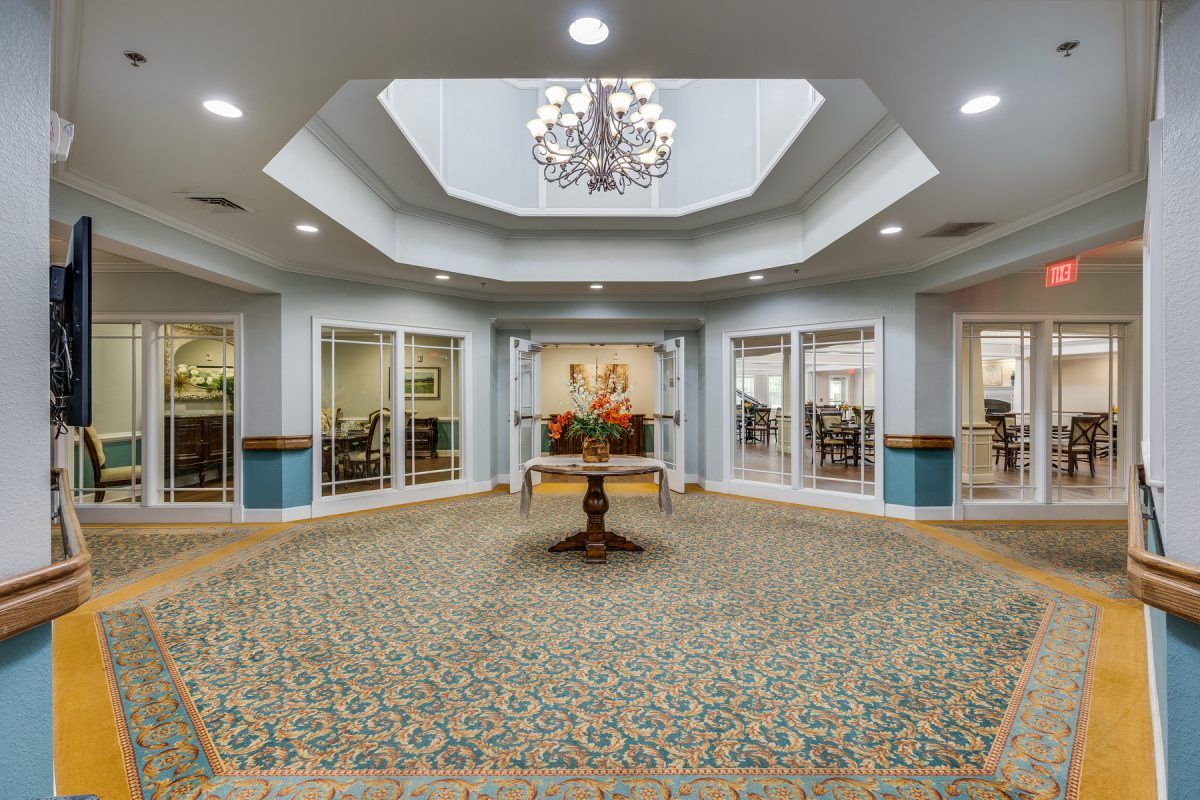
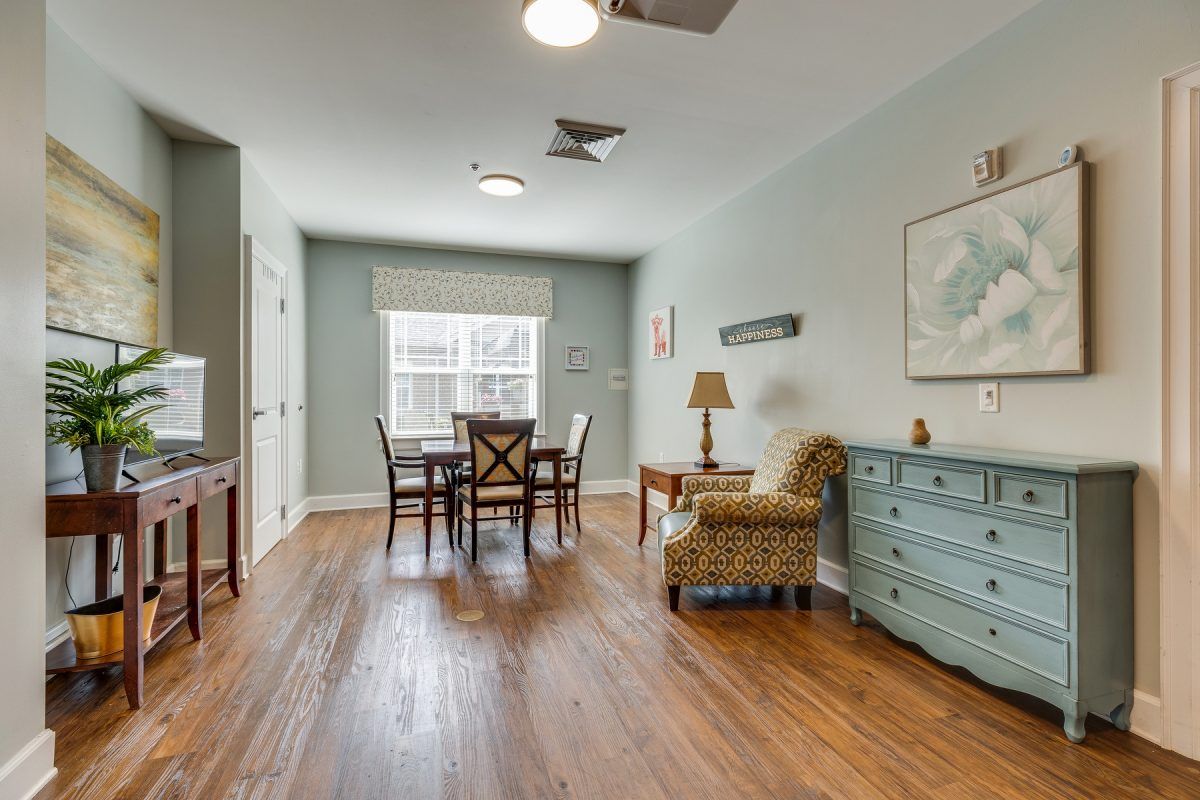
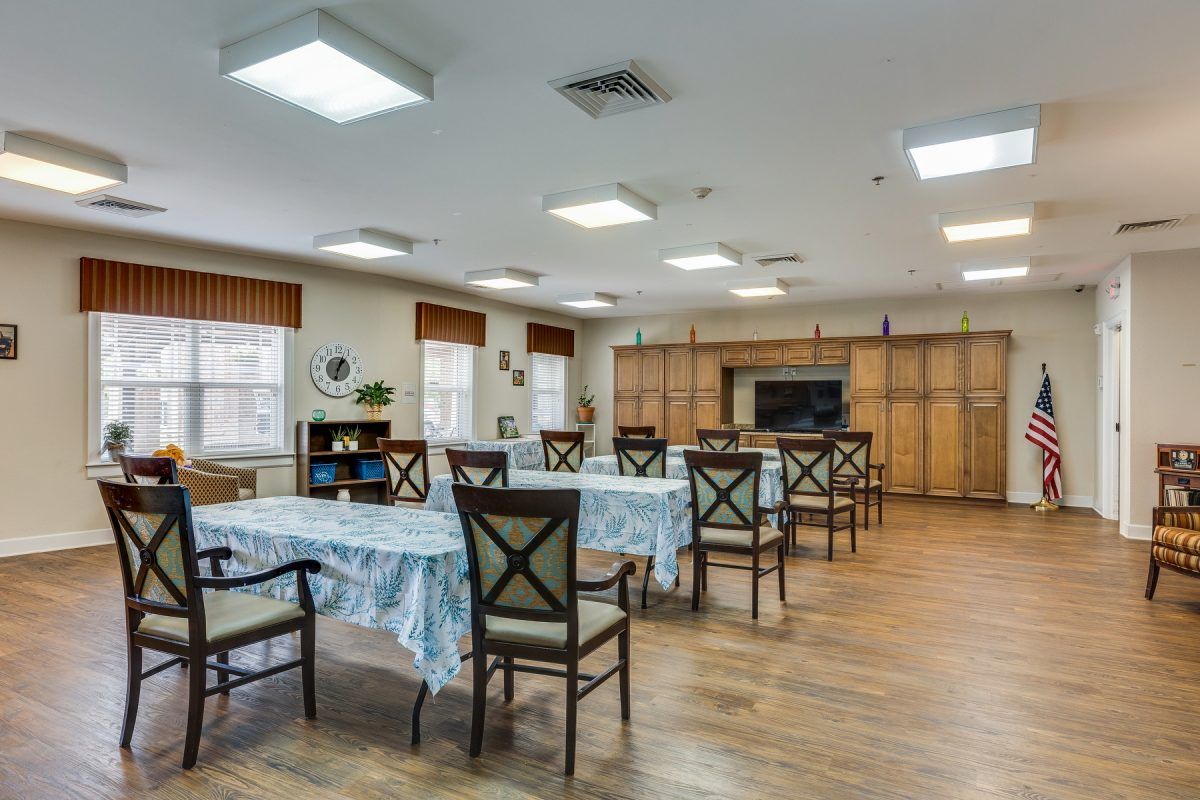
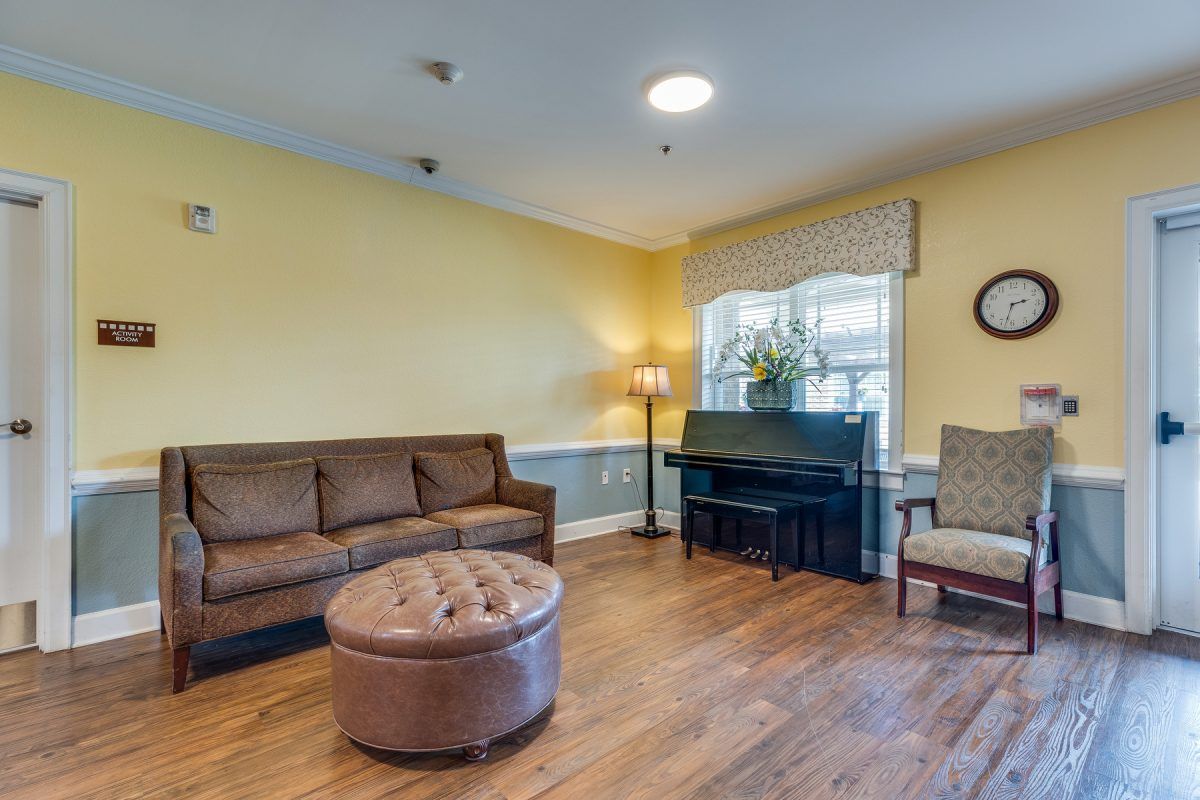
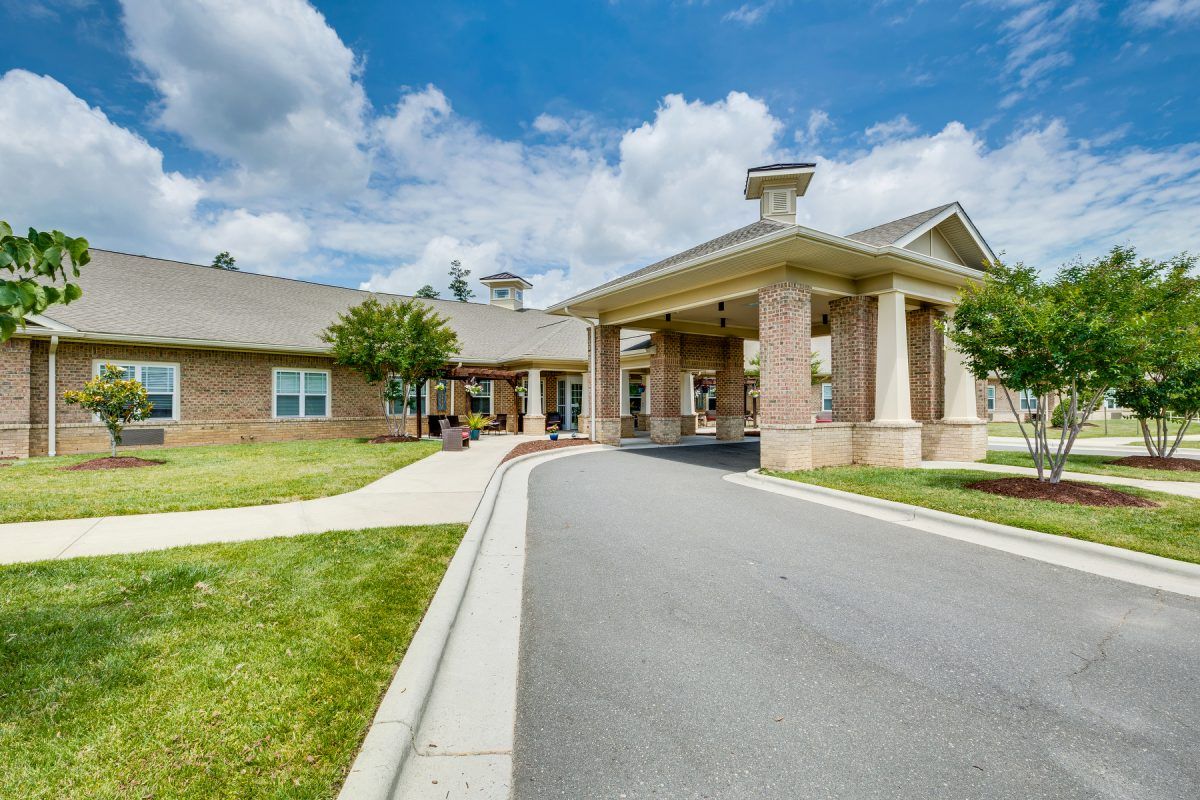
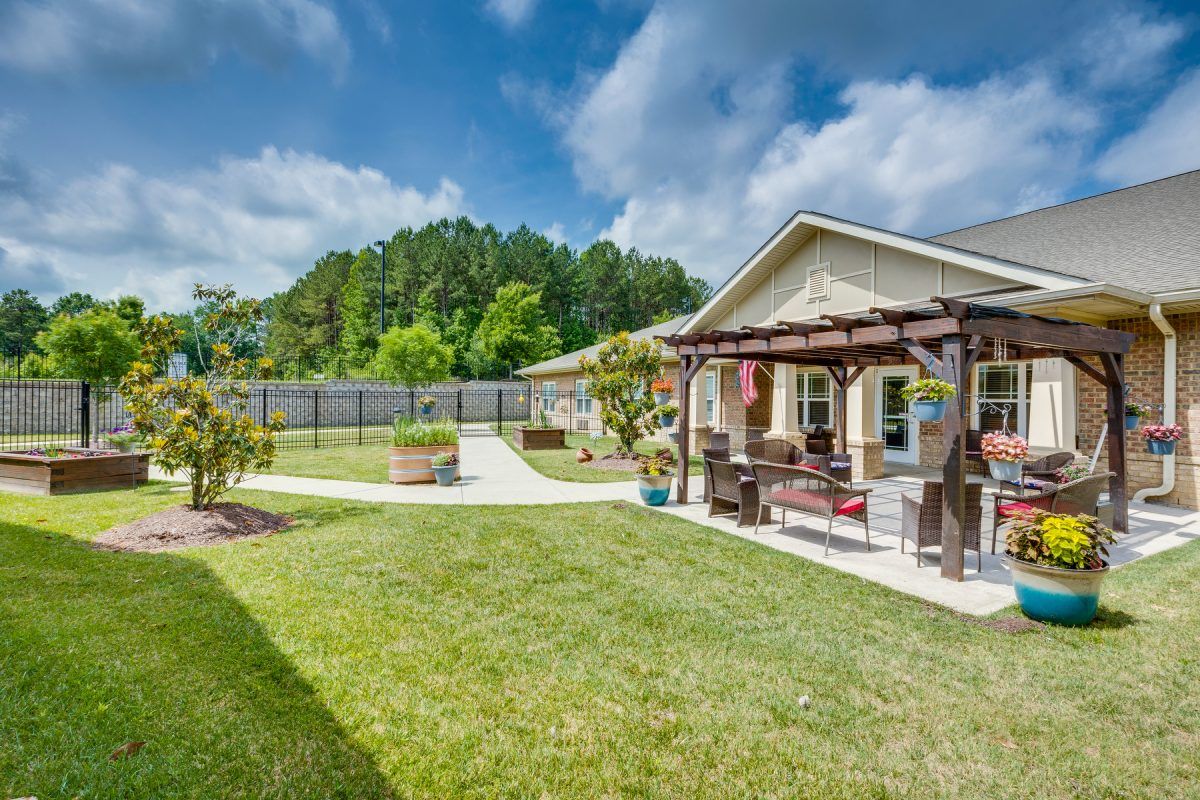
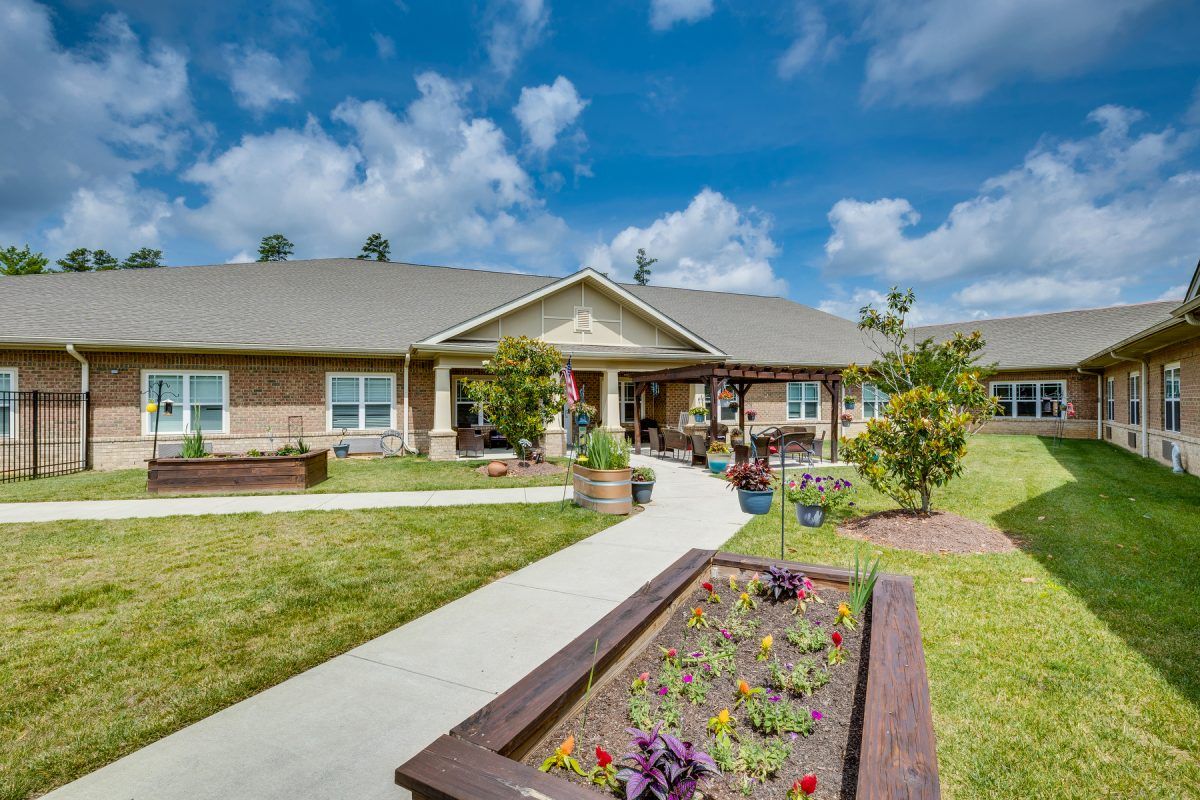
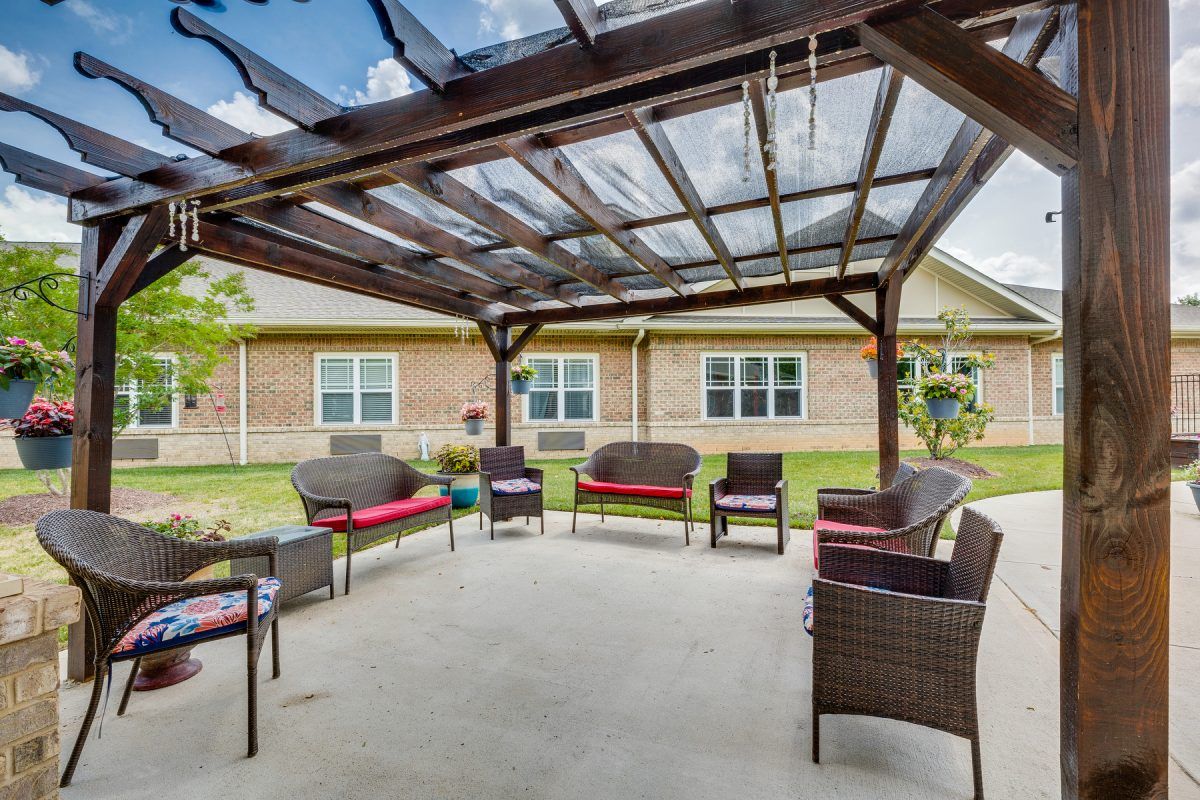
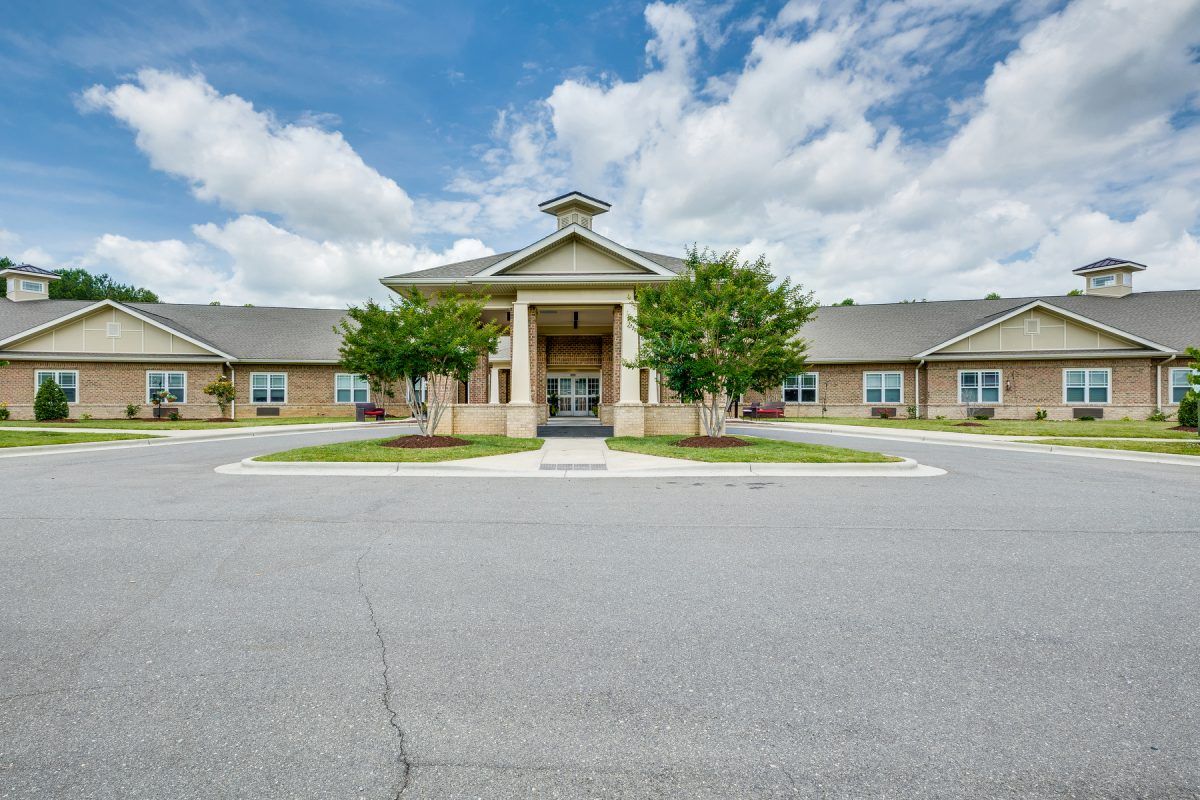
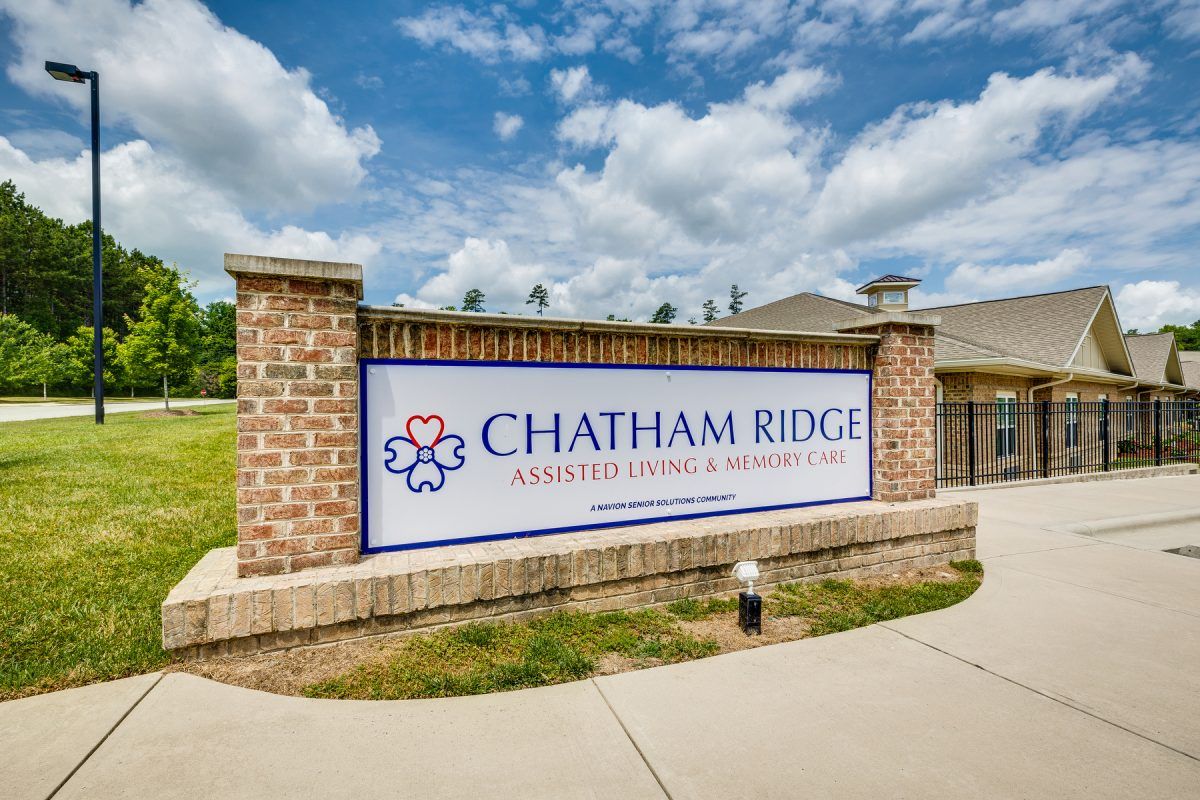
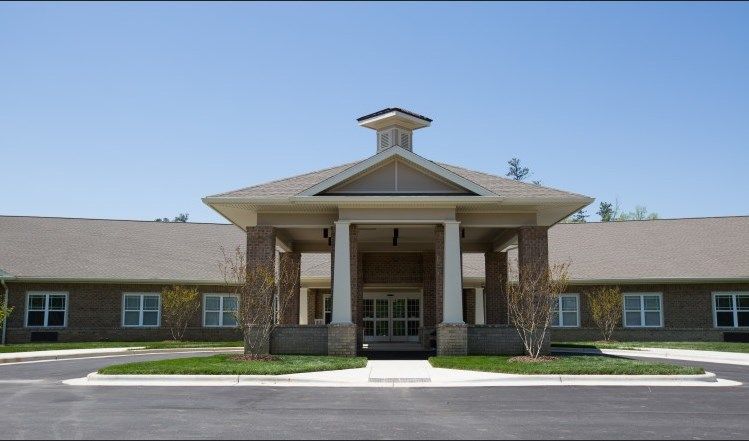
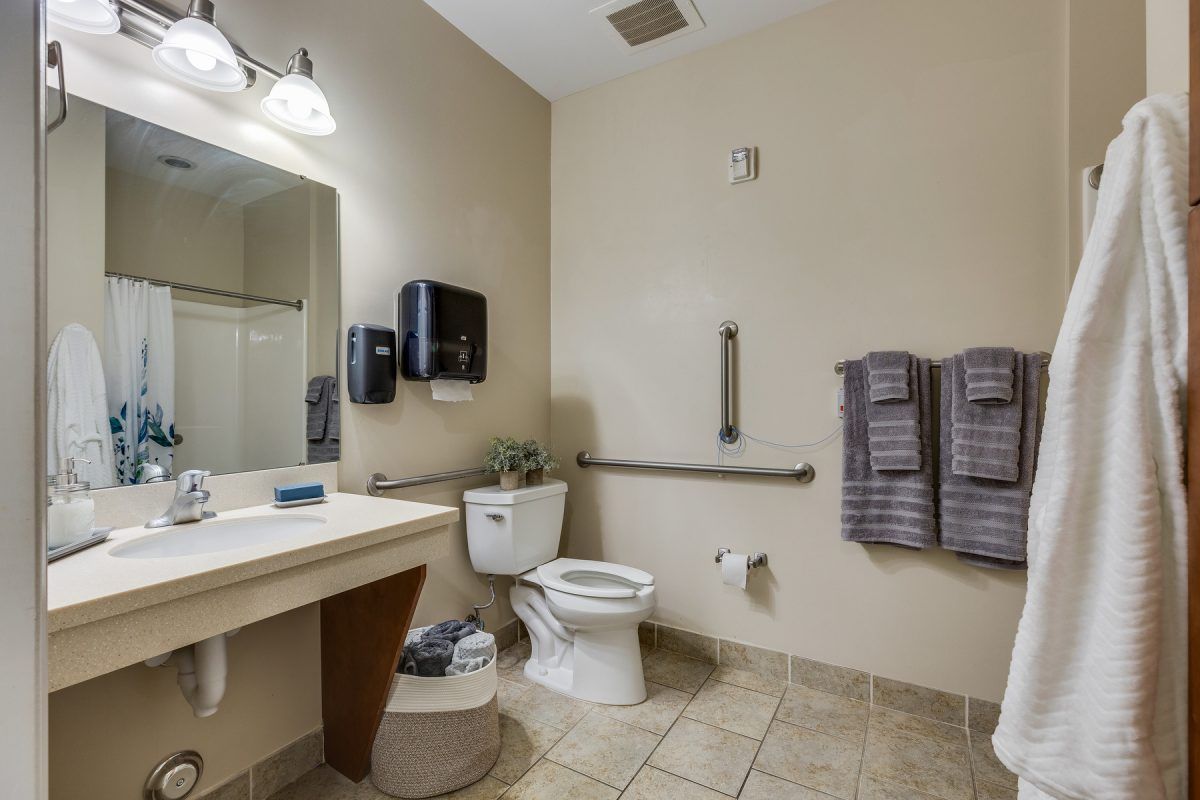
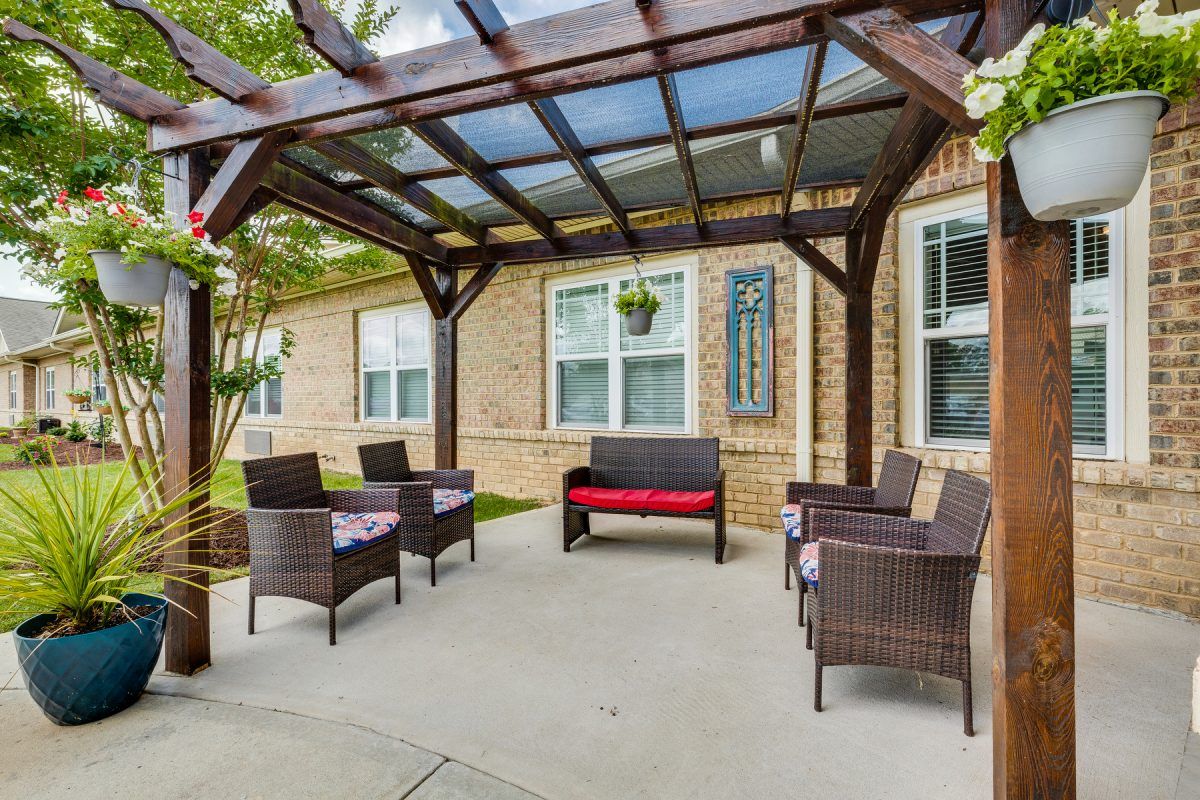
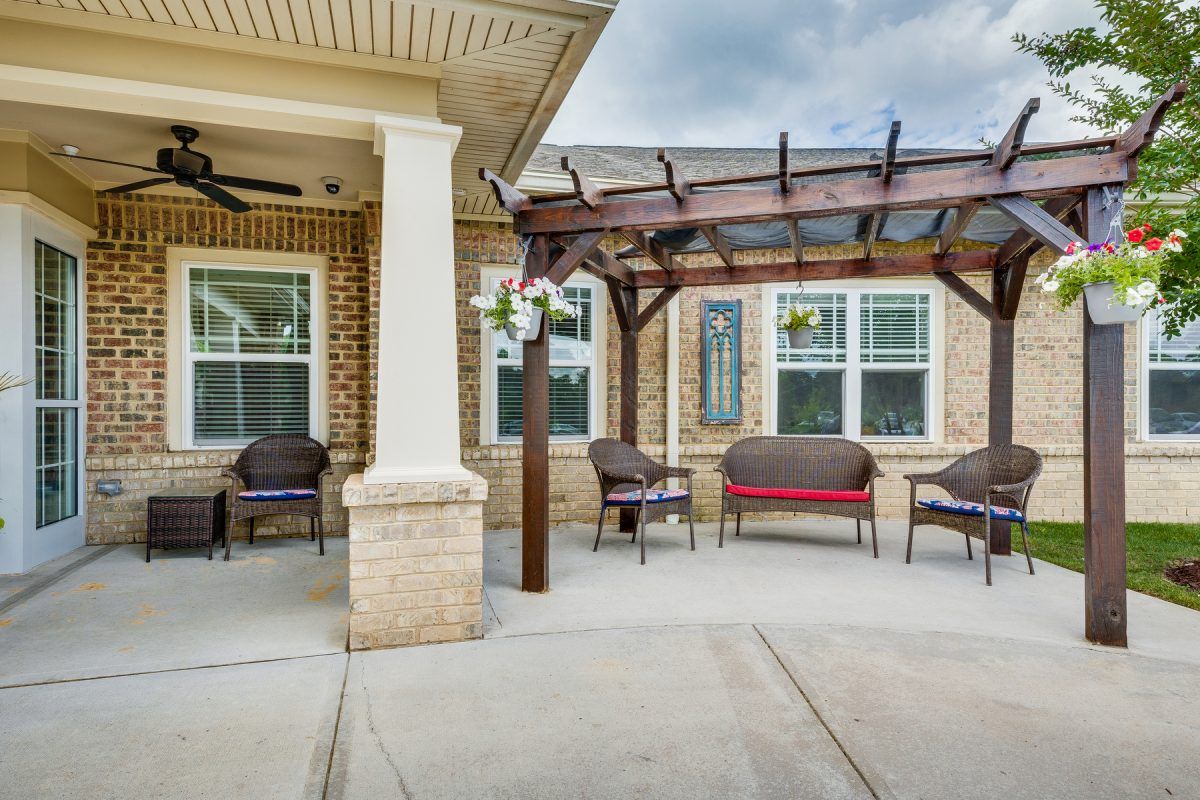
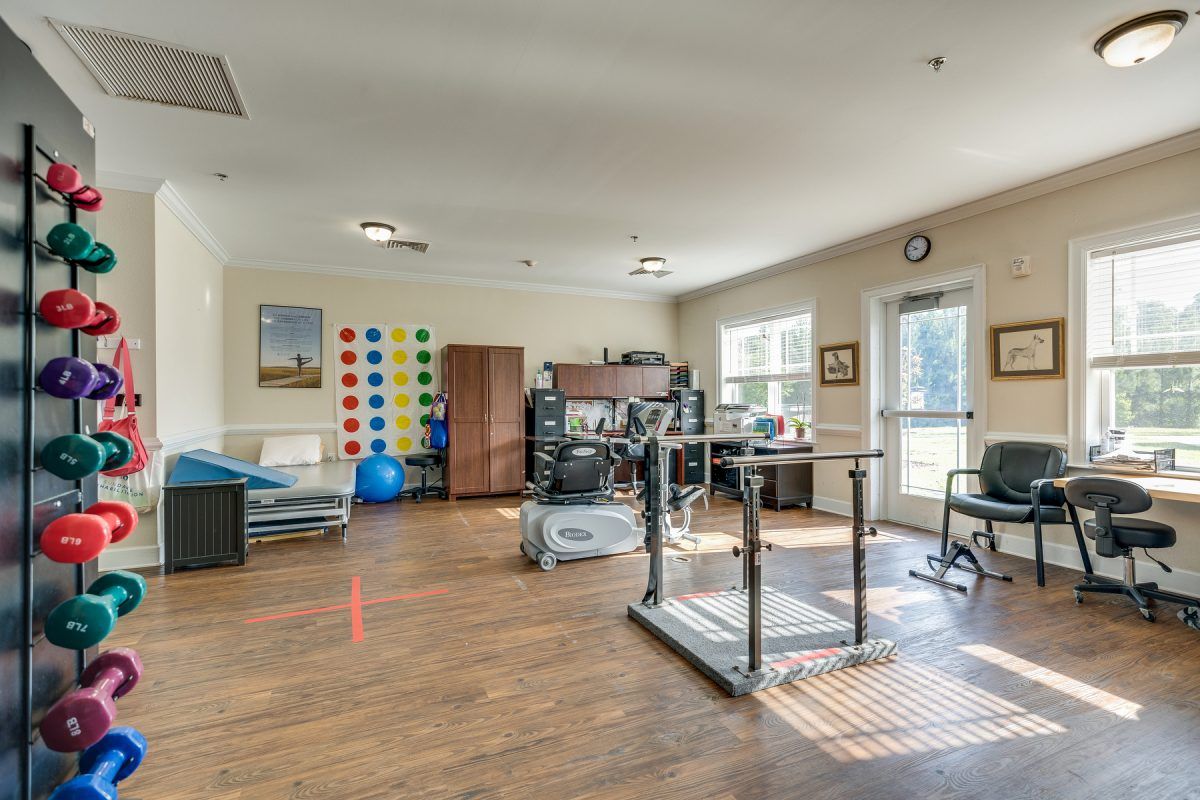
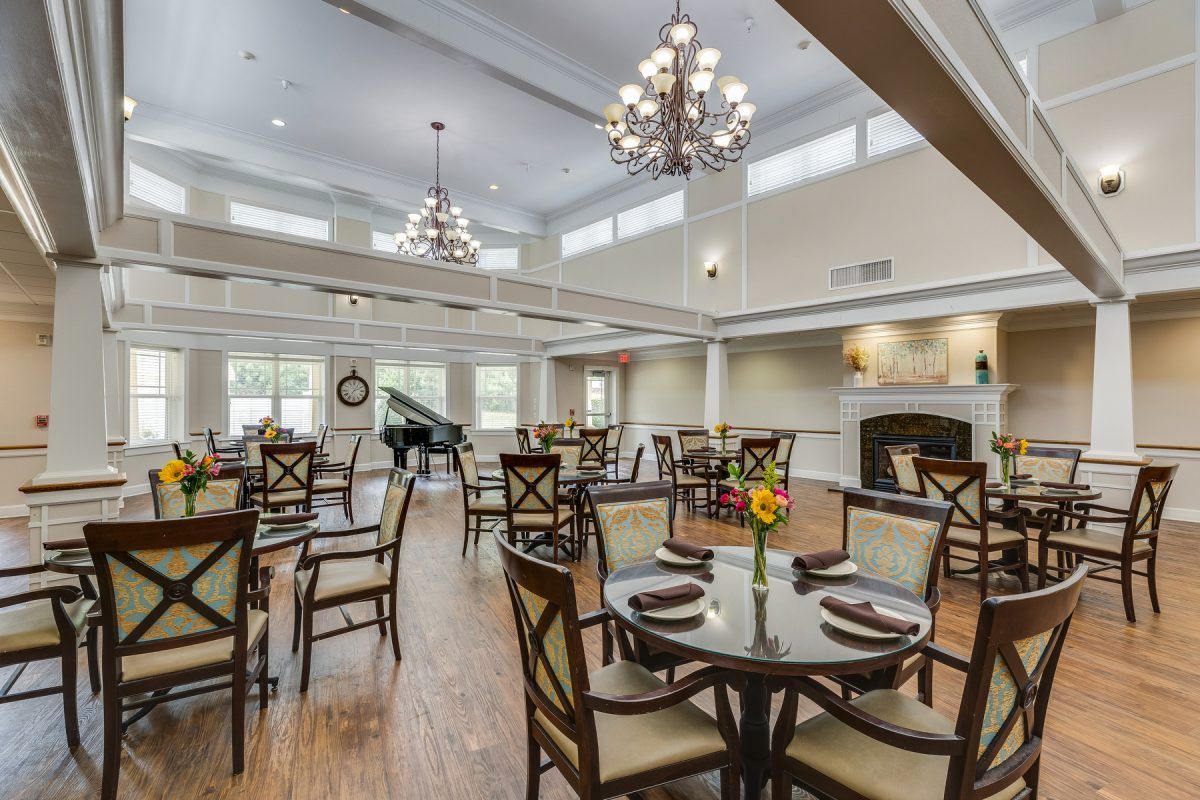
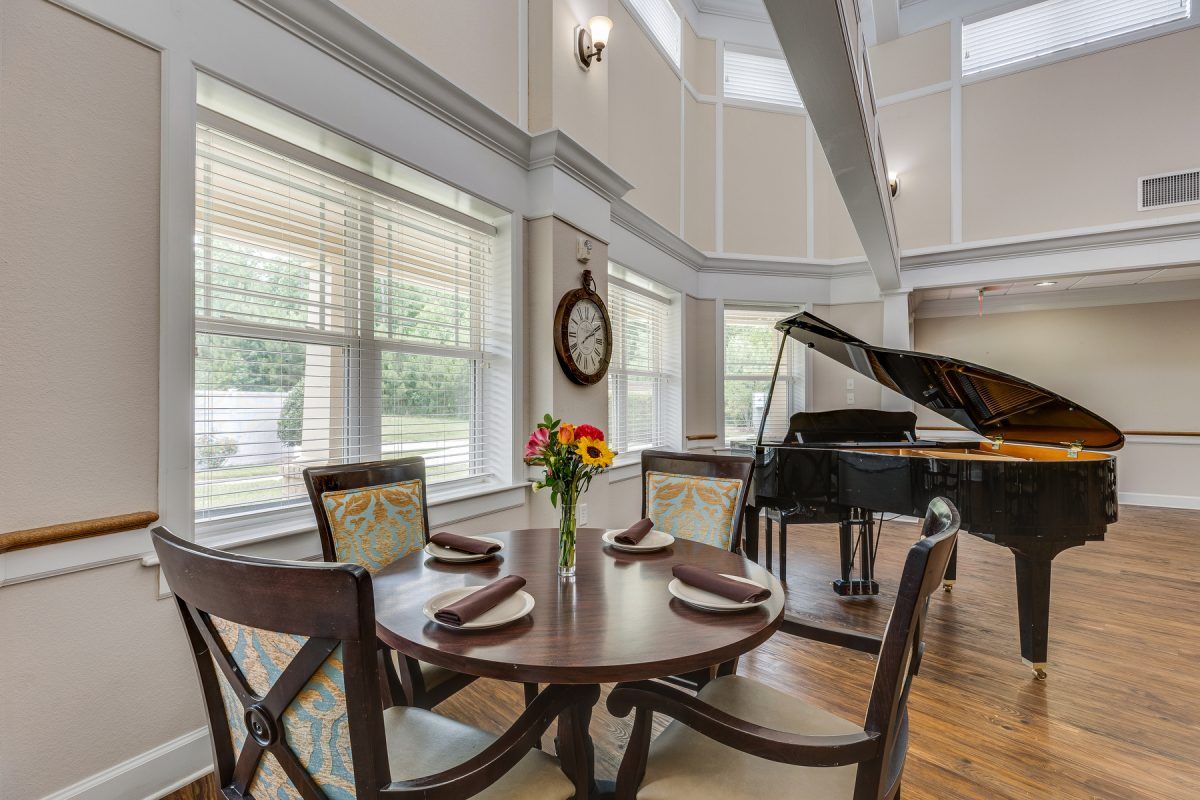
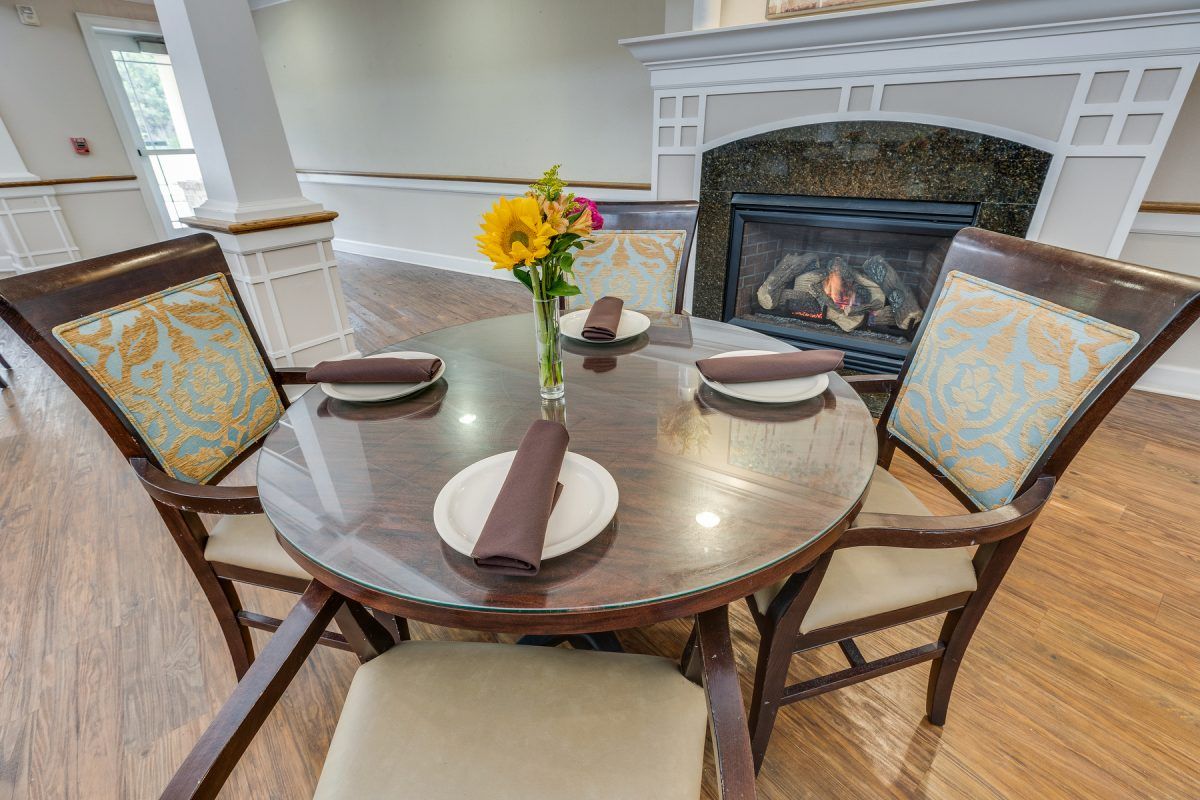
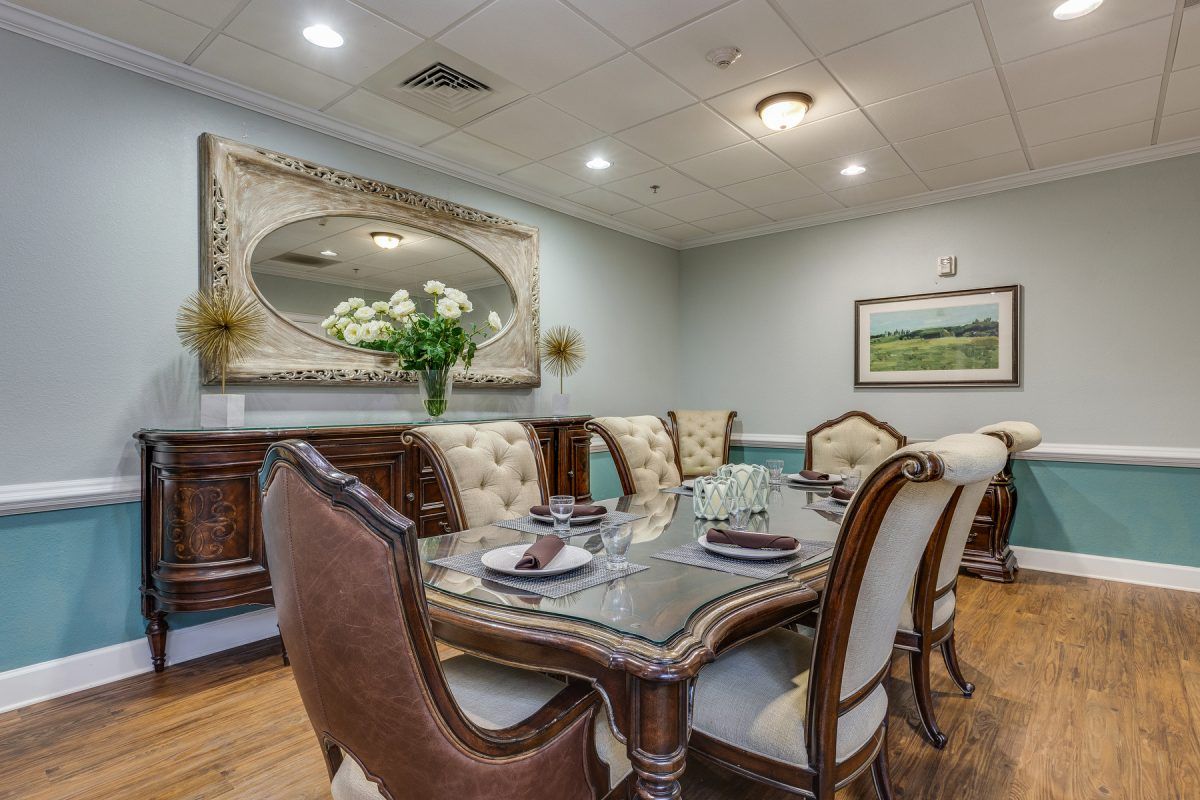
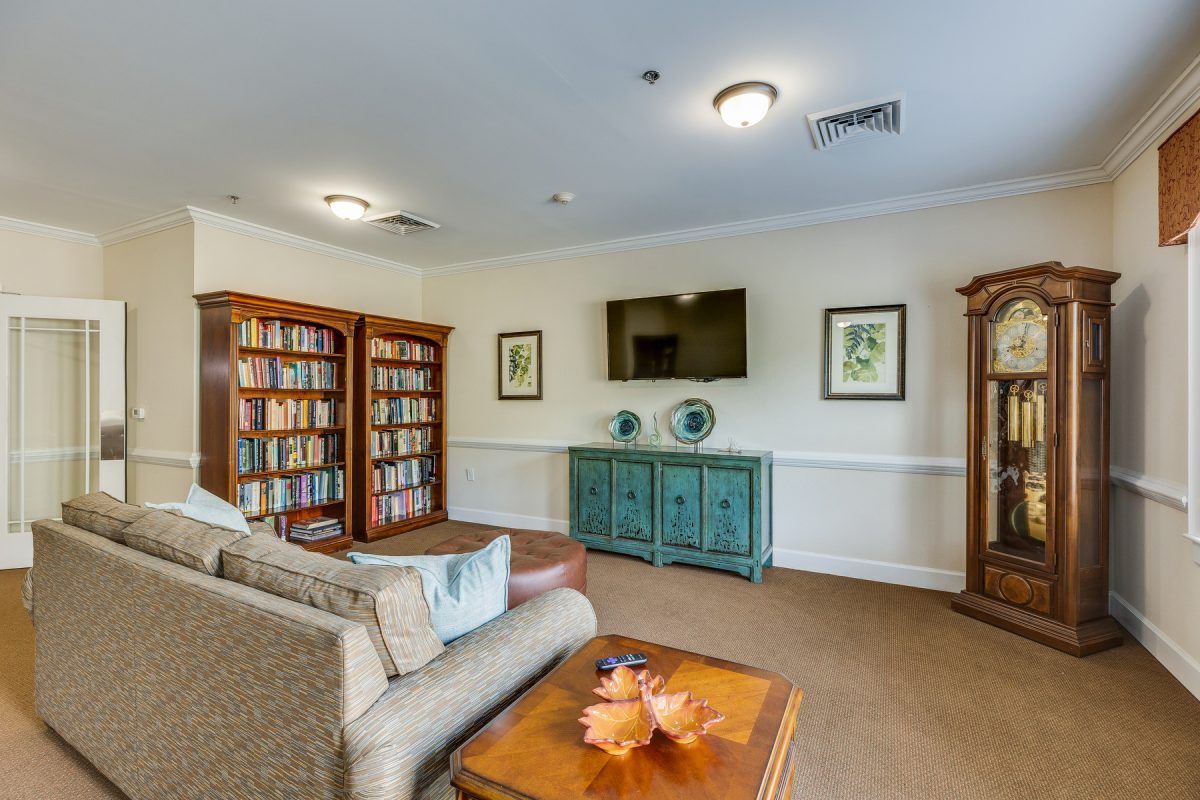
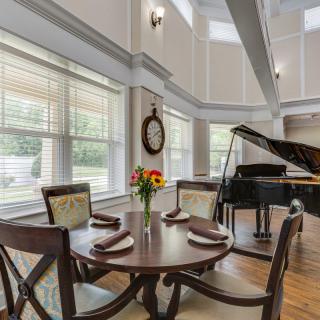
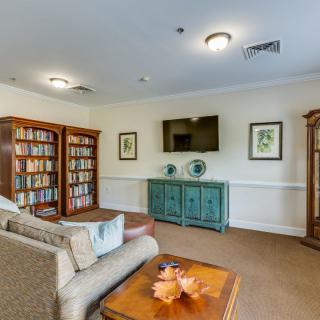
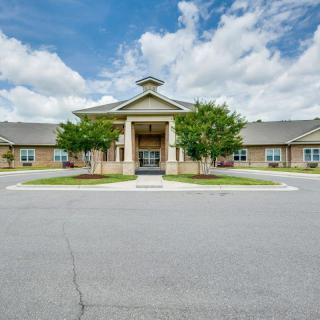
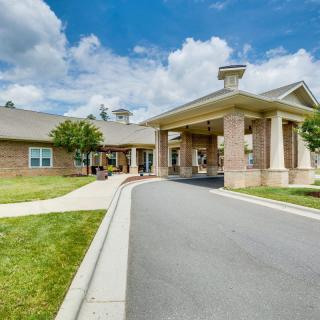
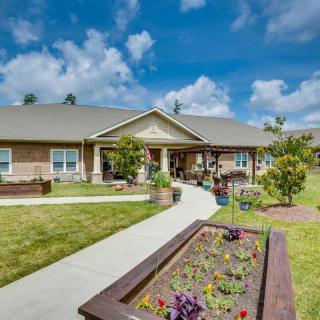
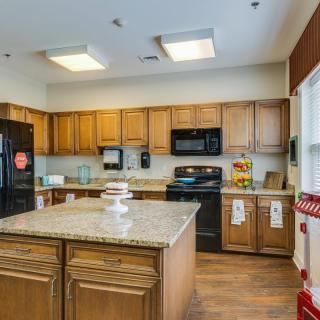
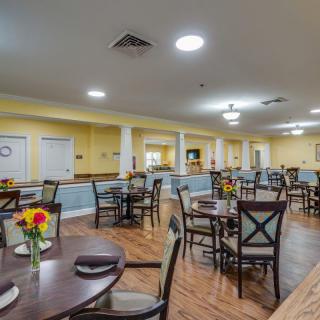
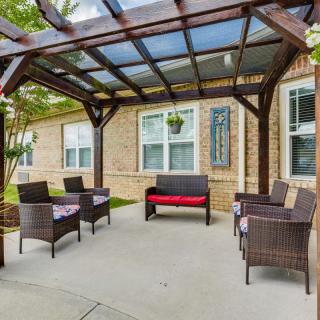
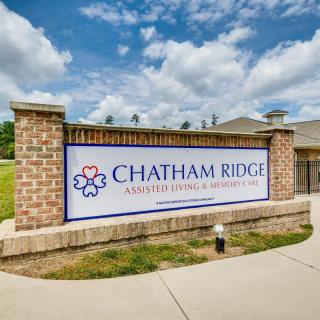
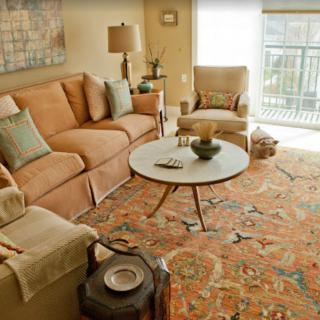
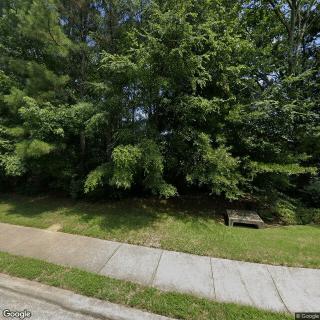
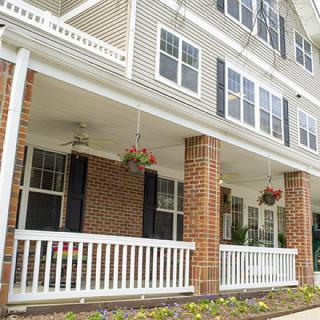
Chatham Ridge Assisted Living on seniors.fyi includes 27 photos including images showing interior, decor, windows, living room, dining, building, landscaping, entrance, and more.
Nearby Communities
Chatham Ridge Assisted Living
Chapel Hill, NC
4 from 92 reviews
$4,195 to $5,950 / month
Caring staff, clean facility, engaging activities, and good family communication.
Encore at Briar Chapel
Chapel Hill, NC
Intimate assisted living with essential care services and meal support.
Charles House Yorktown Eldercare Home
Chapel Hill, NC
4.8 from 12 reviews
Small, homelike setting with personalized care, 24-hour supervision, and dietary/medication support.
Charles House - Yorktown Eldercare Home
Chapel Hill, NC
4.8 from 13 reviews
Convenient access to healthcare, dining, and parks nearby.
Fearrington Village
Pittsboro, NC
Comprehensive care services with wifi and meal support in a serene setting.
Lett Assisted Living
Chapel Hill, NC
3.1 from 7 reviews
$5,000 / month
Intimate, home-like setting with attentive staff and on-site dining.
Galloway Ridge at Fearrington
Pittsboro, NC
4.7 from 55 reviews
Bright, well-maintained apartments with friendly staff and engaging activities.
Carolina Spring
Carrboro, NC
3.8 from 25 reviews
$692 to $834 / month
Responsive staff, well-maintained property, affordable income-based rents, plus transportation to shops and social activities.
Brookdale Meadowmont
Chapel Hill, NC
4.4 from 102 reviews
Caring, attentive staff in a clean, home-like setting with good family communication.
Dementia, influenced by aging and certain medications, may be exacerbated by drug classes such as anticholinergics, benzodiazepines, and antipsychotics, which are associated with cognitive impairment. Regular medication reviews by healthcare professionals are crucial for older adults to manage risks and optimize cognitive health.
Dementia often results in disrupted sleep patterns, leading to excessive daytime sleeping due to factors like brain damage affecting circadian rhythms, medication side effects, and lack of structure in daily activities. Caregivers must monitor these changes closely, as oversleeping can increase risks such as malnutrition or dehydration, and provide necessary support and routines to enhance patient engagement and well-being.
The transition from assisted living to skilled nursing care is often prompted by complex medical needs that assisted living cannot meet, with key indicators including frequent health declines, increased falls, severe memory issues, and caregiver burnout. Families should recognize these signs early to discuss options with healthcare providers and prepare for the emotional and logistical aspects of moving to a facility that offers comprehensive medical support.
Exercise Equipment, Rehabilitation, Physical Therapy, and Fitness Room
Pathway
Outdoor Seating
Exterior and Facility
Natural Light
Bookshelves
Piano
Hardwood Floor
Office, Bright Lighting, Computers, and Workspace
Clouds
Dining Table
Brick Wall
Lighting Fixtures
Brick Building
Covered Area
Get PricingAsk A QuestionSchedule A TourContact Senior Advisor
By clicking submit, you agree to our Partner's Terms of Use. You
also consent to receive calls and texts, which may be autodialed, from our Partner. Your consent is not a condition to
using our Partner's service. Please visit our Partner's Privacy Policy for information about their privacy practices.

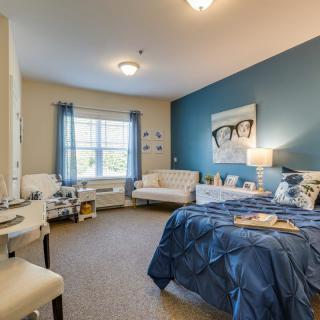
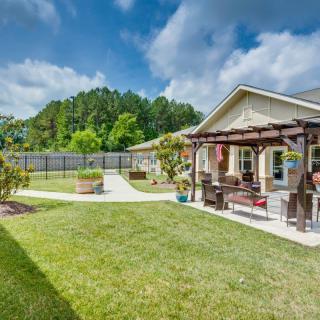
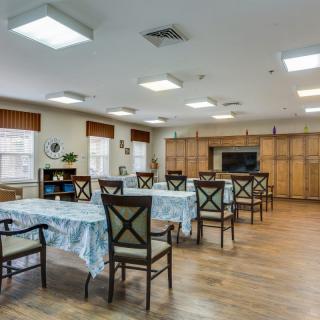
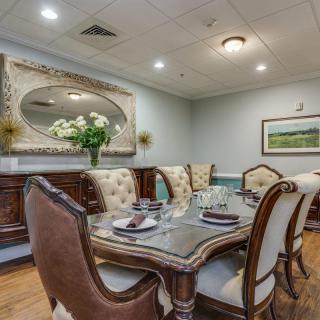
 91 resident community capacity
 Studio apartments
 Assisted Living
 Independent Living
 Memory Care
 Skilled Nursing Facility
 Air-conditioning
 Beautician on-site
 Cable or satellite TV
 Computer center
 Dining room
 Financing advice
 Fitness room
 Full kitchen
 Fully furnished
 Gaming room
 Garden
 Guest parking
 Housekeeping services
 Laundry
 Move-in coordination
 Outdoor space
 Overnight guests
 Party space
 Private bathrooms
 Respite or short term stays offered
 Restaurant-style dining
 Small library
 Telephone
 Wellness center
 Wi-Fi/high-speed internet available
 Raleigh-Durham International (17 miles away)
 Community operated transportation
 12-16 hour nursing
 24-hour call system
 Activities of daily living assistance
 Assistance with bathing
 Assistance with dressing
 Assistance with transfers
 Diabetes diet
 Medication management
 Mental wellness program
 Special dietary restrictions
 Arts and crafts
 Book club
 Concierge services
 Cooking club
 Educational speakers / life long learning
 Games
Games Live musical performances
 Planned day trips
 Religious services
 Wii bowling
 English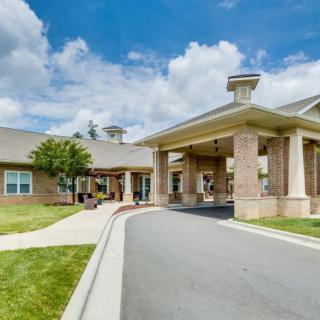
 Caring staff, clean facility, engaging activities, and good family communication.
 A Thorough Discussion of Medications Potentially Linked to Dementia Risk
 Why Do Dementia Patients Sleep So Much? Understanding Oversleeping, Stages, and Care Approaches
 8 Key Indicators That Suggest It May Be Time to Transition from Assisted Living to Skilled Nursing Care