Charles House Yorktown Eldercare Home

303 Yorktown Drive, Chapel Hill, NC 27514

For more information about senior living options: (844) 490-3973

4.8 from 12 reviews
5 stars
10
4 stars
2
3 stars
0
2 stars
0
1 stars
0

Assisted Living Board and Care Home

Overall Review of Charles House Yorktown Eldercare Home

Pros

  • pro Charles House is a wonderful welcoming place for seniors to socialize and live life more fully.
  • pro The staff at Charles House are wonderful, helpful, and caring.
  • pro Families describe the Charles House program as a great place with a friendly and welcoming group.
  • pro The organization offers engaging activities led by helpful, caring staff, including readings, discussions, music and dance, and trips.
  • pro The socialization with staff and patrons has a positive impact on mood and cognition and helps keep residents active.
  • pro The program is highly valued by participants, with attending days often being the highlight of their week.
  • pro The staff are dedicated professionals doing a great job.

Review

A wonderful welcoming place for seniors, Charles House is described by many as a community where social connection and meaningful activity come together to help older adults live life more fully. The tone across observations is warm and affirming, painting a picture of a space that feels inviting from the moment you arrive. The sentiment is reinforced by superlatives like "a wonderful welcoming place," suggesting an environment that treats its members with care, respect, and genuine interest in their well-being.

Several first-hand impressions speak to the overall quality and warmth of the program. One reviewer summed it up with a short but emphatic note: "Fantastic place!!!" Another person captured a practical aspect of why families value the program, saying, "Great place. My Mom loves attending the Charles House program and the staff have always been wonderful. Would highly recommend." These remarks highlight both personal affinity - moments of joy and belonging - and a trust in the people who lead and support the activities.

The social atmosphere emerges as a central strength. A reviewer described it as a "friendly group" and recalled their own positive experience of joining for the first time. The sense of camaraderie and welcome appears to be readily accessible to new visitors as well as long-time participants, reinforcing the idea that Charles House is more than a place to drop in - it's a community where people feel at ease and included from day one.

What happens at Charles House goes beyond casual companionship. The program is characterized by a thoughtful and varied lineup of activities designed to engage the mind, body, and spirit. Reviewers note led readings of current topics, discussions about people, places, and events throughout history, as well as music and dance. Outside activities and trips are mentioned as well, suggesting a dynamic calendar that offers both intellectual stimulation and opportunities for mobility, exploration, and fun. The staff are described as helpful and caring, consistently organizing programming that keeps patrons engaged and challenged in meaningful ways.

The impact on participants is palpable in the personal stories shared. One account highlights a mother who attends three times a week, describing those days as "the highlight of her week." The social interactions - between staff and patrons, and among the participants themselves - are credited with improving mood and cognition, contributing to an overall sense of vitality and ongoing activity. The positive effects extend beyond merely passing time; they translate into sustained engagement and a sense of purpose that families notice and appreciate.

The dedication of the team at Charles House is a recurring theme. Multiple comments emphasize that the staff are not only capable but truly invested in the well-being of those they serve. Phrases such as "dedicated staff, doing their best" and "dedicated professionals doing a great job" capture a sense of professionalism and commitment. It's this combination of skilled leadership and genuine care that appears to underpin the successful experience described by families and visitors alike.

Taken together, the impressions form a cohesive portrait of Charles House as a welcoming, activity-rich community for older adults. It's a place where socialization thrives, enriching conversations and friendships, while a well-structured program - rooted in readings, history, music, discussion, and excursions - offers ongoing opportunities for learning and movement. The consistent appears of gratitude and strong recommendations underscores a belief that this environment supports not only companionship but also mood, cognition, and a sustained sense of purpose in daily life.

Features

Housing

  • 6 resident community capacity 6 resident community capacity

Types of Care

  • Assisted Living Assisted LivingAssisted living facilities provide crucial support and care for seniors who may need help with daily tasks such as medication management, bathing, and meal preparation. These communities offer a safe and comfortable environment where seniors can maintain their independence while receiving the assistance they need to thrive in their golden years.
  • Board and Care Home Board and Care HomeBoard and care homes provide a smaller, more intimate setting for seniors who require assistance with daily tasks but do not need the level of care offered by a nursing home. They offer personalized care, meals, and social activities in a homelike environment, ensuring that seniors receive individualized attention and support in their golden years.

Amenities

  • Cable or satellite TV Cable or satellite TVCable or satellite TV is important for seniors because it provides entertainment, news, and companionship, helping to combat loneliness and boredom. It also offers a wide range of programming options tailored to different interests and preferences.
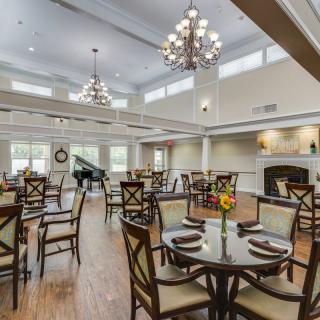
  • Dining room Dining roomDining rooms are important for seniors as they provide a space for socialization, connection, and nutritious meals. They offer opportunities for residents to bond over shared meals, foster a sense of community, and promote healthy eating habits. Dining rooms also ensure that seniors have access to well-balanced meals tailored to their dietary needs and preferences.
  • Fully furnished Fully furnishedFully furnished senior living communities are important for seniors because they provide convenience, comfort, and a hassle-free moving experience. Seniors can easily settle into their new living space without the stress of having to buy and move furniture. This allows them to focus on enjoying their new home and community.
  • Garden GardenGardens are important for seniors as they provide a peaceful and therapeutic environment for relaxation, physical activity, and socialization. Being in nature has been shown to reduce stress, improve mood, and promote overall well-being. Gardens also offer opportunities for seniors to engage in gardening activities, which can improve mobility, flexibility, and cognitive function. Additionally, gardens create a sense of community and connection with others who share a passion for plants and outdoor spaces.
  • Housekeeping services Housekeeping servicesHousekeeping services are important for seniors because they help maintain a clean and safe living environment, promote independence, and reduce the risk of accidents or illnesses. Additionally, having assistance with household chores can alleviate physical strain and allow seniors to focus on other aspects of their well-being.
  • Move-in coordination Move-in coordinationMove-in coordination is important for seniors because it helps ease the transition into their new living environment. It ensures that all logistics, such as packing, organizing movers, and setting up utilities are taken care of, allowing seniors to focus on settling in and adjusting to their new home. Having a smooth move-in process can alleviate stress and anxiety, making the transition smoother and more enjoyable for seniors.
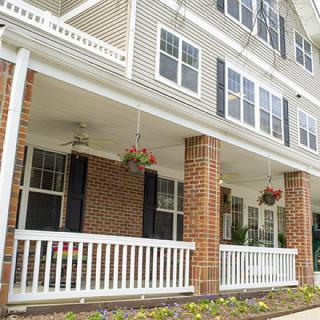
  • Outdoor space Outdoor spaceOutdoor spaces are important for seniors as they provide opportunities for physical activity, social interaction, exposure to natural light and fresh air, and a sense of connection to nature. Having access to outdoor spaces can improve overall well-being and quality of life for older adults living in senior communities.
  • Telephone TelephoneTelephones are important for seniors as they provide a lifeline for communication with loved ones, emergency services, and healthcare providers. They offer a sense of security and independence, enabling seniors to stay connected and access assistance when needed.
  • Wi-Fi/high-speed internet available Wi-Fi/high-speed internet availableWi-Fi/high-speed internet is important for seniors to stay connected with loved ones, access online resources, and participate in virtual activities to combat feelings of loneliness and isolation. It also allows them to easily manage healthcare needs, access entertainment, and engage in lifelong learning opportunities.

Transportation

  • Raleigh-Durham International (17 miles away) Raleigh-Durham International (17 miles away)

Care Services

  • 24-hour supervision 24-hour supervision24-hour supervision is important for seniors to ensure their safety, well-being, and access to immediate assistance in case of emergencies or health issues. This constant support provides peace of mind for both seniors and their loved ones, allowing them to age in place with dignity and security.
  • Activities of daily living assistance Activities of daily living assistanceActivities of daily living assistance are important for seniors because they provide essential support with tasks such as eating, bathing, dressing, and mobility. This assistance helps seniors maintain their independence, dignity, and overall quality of life as they age.
  • Assistance with bathing Assistance with bathingAssistance with bathing is crucial for seniors as it helps maintain personal hygiene, prevents infections, and ensures their overall well-being and comfort. It also provides a sense of dignity and independence for seniors who may struggle with this task on their own.
  • Assistance with dressing Assistance with dressingAssistance with dressing is important for seniors because it helps maintain their independence, promotes personal hygiene, prevents accidents and injuries, and improves overall quality of life. This service ensures that seniors can continue to dress comfortably and confidently, despite any physical limitations they may have.
  • Assistance with transfers Assistance with transfersAssistance with transfers is crucial for seniors as it helps prevent falls and injuries, maintains their independence, and ensures they can safely navigate their living environment. It also provides peace of mind for both seniors and their loved ones.
  • Coordination with health care providers Coordination with health care providersCoordination with health care providers is crucial for seniors to ensure proper medical care, medication management, and overall well-being. This collaboration helps prevent overlapping treatments, track progress more effectively, and provide comprehensive support tailored to individual needs.
  • Diabetes diet Diabetes dietA diabetes diet is crucial for seniors as it helps manage blood sugar levels, reduce risks of complications, and improve overall health and well-being. By following a balanced and nutritious diet tailored to their specific needs, seniors can better control their diabetes and enhance their quality of life.
  • Meal preparation and service Meal preparation and serviceMeal preparation and service are crucial for seniors as they may have limited mobility or energy to cook nutritious meals. Having access to healthy and convenient food options can ensure they are getting the proper nutrition needed to maintain their overall health and well-being.
  • Medication management Medication managementMedication management is crucial for seniors to ensure they are taking the right medications at the correct dosages and times. This helps prevent adverse drug interactions, reduces the risk of medication errors, and promotes overall health and well-being. Proactive management also allows for adjustments as needed based on changing health conditions or new prescriptions.
  • Special dietary restrictions Special dietary restrictionsSpecial dietary restrictions are important for seniors because age-related changes in metabolism and health conditions can make it difficult for their bodies to process certain foods. By following a diet tailored to their specific needs, seniors can maintain their overall health and well-being, manage chronic conditions, and reduce the risk of complications such as malnutrition or food interactions with medications.
  • Transportation arrangement (medical) Transportation arrangement (medical)Transportation arrangements for medical purposes are essential for seniors as they may have difficulty driving themselves to appointments or accessing public transportation. Having reliable and safe transportation options ensures that seniors can receive timely medical care and maintain their health and well-being.
  • Transportation to doctors appointments Transportation to doctors appointmentsTransportation to doctors' appointments is crucial for seniors as it ensures they have access to necessary medical care and support for their health needs. Without reliable transportation, seniors may struggle to attend important appointments, leading to potential delays in treatment and health complications. Providing transportation services helps seniors maintain their overall well-being and quality of life.

Dining

  • Diabetes diet Diabetes dietA diabetes diet is crucial for seniors as it helps manage blood sugar levels, reduce risks of complications, and improve overall health and well-being. By following a balanced and nutritious diet tailored to their specific needs, seniors can better control their diabetes and enhance their quality of life.
  • Special dietary restrictions Special dietary restrictionsSpecial dietary restrictions are important for seniors because age-related changes in metabolism and health conditions can make it difficult for their bodies to process certain foods. By following a diet tailored to their specific needs, seniors can maintain their overall health and well-being, manage chronic conditions, and reduce the risk of complications such as malnutrition or food interactions with medications.

Activities

  • Community-sponsored activities Community-sponsored activitiesCommunity-sponsored activities are important for seniors as they provide opportunities for social interaction, mental stimulation, and physical activity. These activities can help improve overall well-being, combat loneliness and isolation, and promote a sense of belonging and purpose among older adults.
  • Scheduled daily activities Scheduled daily activitiesScheduled daily activities are important for seniors because they provide structure, socialization, mental stimulation, and physical activity. Engaging in regular activities can improve overall well-being and quality of life for seniors living in a community setting.

Description

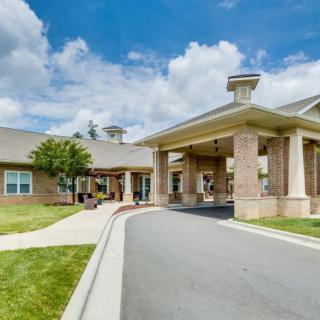
Charles House Yorktown Eldercare Home in Chapel Hill, NC is a warm and inviting board and care home that provides personalized care services for seniors in a comfortable and homelike environment. The community offers fully furnished accommodations, ensuring residents feel at ease in their living spaces.

At Charles House Yorktown, residents can enjoy the beautiful garden and outdoor space, providing opportunities for relaxation and fresh air. The dining room offers nutritious meals prepared with special dietary restrictions in mind, promoting overall health and well-being.

The dedicated staff at Charles House Yorktown provides assistance with activities of daily living, such as bathing, dressing, and transfers, ensuring residents have the support they need to maintain their independence. Medication management is also available to ensure proper administration of medications.

Residents at Charles House Yorktown have access to various amenities including Wi-Fi/high-speed internet and telephone services to stay connected with loved ones. Moreover, housekeeping services are provided to ensure a clean and tidy living environment.

Transportation arrangements for medical needs as well as doctors' appointments are available for added convenience. The community's proximity to two cafes, four parks, four pharmacies, eight physicians' offices, twelve restaurants, one place of worship, and three hospitals ensures residents have easy access to essential amenities and healthcare providers.

To promote an active lifestyle among residents, Charles House Yorktown offers scheduled daily activities that cater to individual interests and preferences.

Charles House Yorktown Eldercare Home in Chapel Hill, NC strives to provide exceptional care services while fostering a sense of community and companionship among its residents.

Nearby Places of Interest

Parks

  • Southern Community Dog Park (1 miles)
  • Soccer Fields At Southern Community Park (1.1 miles)
  • Briar Commons (2.9 miles)
  • Hank Anderson Community Park (4.2 miles)
  • Homestead Skate Park (6.3 miles)
  • Cedar Falls Park (7.1 miles)
  • Grandale Park (9.2 miles)

Pharmacies

  • Southern Village Pharmacy (1.5 miles)
  • UNC Hospitals ACC Outpatient Pharmacy (2.9 miles)
  • Tarheel Town Pharmacy (3.2 miles)
  • CVS Pharmacy (3.3 miles)
  • Walgreens (5.2 miles)
  • CVS Pharmacy (6 miles)
  • Walgreens (6.9 miles)

Physicians

  • Village Pediatrics of Chapel Hill (1.5 miles)
  • UNC Dermatology (1.5 miles)
  • Carrboro Family Medicine Center (2.8 miles)
  • University-NC At Chapel Hill Lab (3 miles)
  • Triangle Integrative Psychiatry (3.2 miles)
  • Aycock Family Practice Center- UNC Family Practice (3.4 miles)
  • Chapel Hill Internal Medicine (4.9 miles)

Restaurants

  • Taco Bell (2.1 miles)
  • Merritt's Store & Grill (2.5 miles)
  • Venable Rotisserie Bistro (3.2 miles)
  • Carrburritos (3.3 miles)
  • Carolina Brewery (3.3 miles)
  • McDonald's (3.4 miles)
  • Mediterranean Deli (3.4 miles)

Hospitals

  • UNC Hospitals Ambulatory Care Center (2.9 miles)
  • UNC Transplant Clinic (3.2 miles)
  • North Carolina Cancer Hospital (3.2 miles)
  • Unc Chapel Hill (10.9 miles)

Cafes

  • Breakaway Cafe (3.1 miles)
  • Panera Bread (3.4 miles)
  • Starbucks (5.9 miles)
  • Starbucks (7.3 miles)
  • Starbucks (7.9 miles)
  • Panera Bread (8.4 miles)
  • Starbucks (8.6 miles)

Places of Worship

  • Mt Carmel Baptist Church (3.2 miles)
  • Church of Reconciliation PC USA (5.7 miles)
  • New Hope Church (8.1 miles)
  • Judea Reform Congregation (10.6 miles)
  • Yates Baptist Church (11.1 miles)

Theaters

  • AMC DINE-IN Southpoint 17 (8.2 miles)

Frequently Asked Questions

Where is Charles House Yorktown Eldercare Home?

Nearby Communities

Related Resources

  • activities of daily livingComprehensive Insights into Activities of Daily Living (ADLs) and Their Assessment

    Activities of Daily Living (ADLs) are fundamental tasks vital for an individual's independence, particularly in older adults over 85, and include functions like bathing and dressing; assessing ADLs alongside Instrumental Activities of Daily Living (IADLs) helps determine the level of required assistance due to age-related health challenges. Tailored support plans, involving family and community resources, are essential for maintaining dignity and autonomy in assisted living environments.

  • does medicare pay for assisted livingMedicare Coverage for Assisted Living: An In-Depth Exploration

    Medicare does not cover assisted living costs, as it focuses on acute medical needs and short-term care, with exceptions for certain medically necessary services like physical therapy. Individuals must explore other options such as Medicaid, veterans' benefits, or long-term care insurance to manage these expenses effectively.

  • assisted living vs nursing homeChoosing the Right Senior Care: A Detailed Exploration of Assisted Living and Nursing Homes

    Choosing between assisted living and nursing homes involves evaluating emotional and financial factors, with assisted living offering independence and support for daily activities at a lower cost, while nursing homes provide intensive medical care for individuals with significant health needs. The decision is influenced by personal preferences, health status, cognitive function, and varying Medicaid coverage across states.