
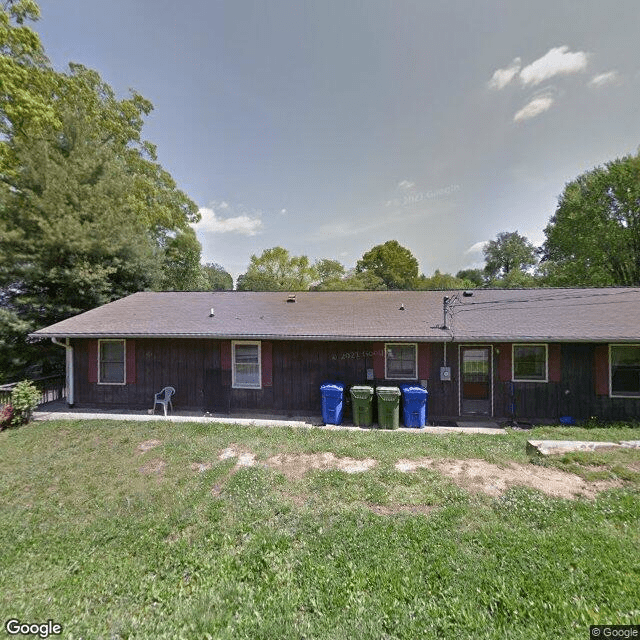
121 Richland St, Asheville, NC 28806
To contact a resident: (828) 281-2295
For more information about senior living options: (866) 208-4318
Overall Review of Westside Assisted Living - B
Pros
 The staff are incredibly helpful and patient, taking time to answer questions and care about residents.
- The residents are treated like family, and the home environment feels welcoming and well cared for.
- The management team is professional, respectful, and responsive to residents and visitors.
- The houses are clean, well-maintained, and have a pleasant smell.
- The staff greet visitors warmly and address concerns with care and courtesy.
- The facility is considered among the best, with improvements under new ownership.
- Residents are well taken care of and appear happy to live there.
- The new clinical management team has made significant, positive changes.
Cons
 They could not reach anyone and found it difficult to get a hold of staff.
- They claim their mother is being mistreated at the facility.
- Meals are not adequate, and her diabetic diet is not being followed.
- Medications are not given correctly or at all.
Review
Westside Assisted Living - B in Asheville, NC is best suited for families seeking a warm, home-like setting where caregivers form real relationships with residents and leadership has recently overhauled to emphasize hands-on oversight. The reviews consistently spotlight a sense of community, with residents appearing happy and staff who take the time to know their lives. New ownership and an on-site clinical management team have started to reorganize operations, improve cleanliness, and create a structure that feels more attentive than in the past. For families prioritizing personal attention, approachable staff, and a living environment that resembles a living room more than a clinical facility, Westside stands out as a practical fit.
That said, concerns surface enough to require caution before moving in. A subset of reviewers notes difficulty reaching staff or administrators, which can be a serious hurdle when questions arise or urgent issues occur. These accessibility gaps have an outsized impact on families needing reliable, prompt communication and real-time updates about daily care, meals, or medication. While several families report strong, responsive interactions, the mixed experiences suggest that consistency in administrative responsiveness is not yet universal. For those whose peace of mind hinges on effortless, fail-safe contact with care teams, alternatives that demonstrate unwavering accessibility should be considered.
The strongest positives here are concrete and repeatedly observed. The caregiving cadre is described as patient, friendly, and genuinely invested in residents’ well-being. Staff members are praised for answering questions, staying attuned to individual needs, and treating residents like part of a close-knit family. Cleanliness and a pleasant scenting of the facility contribute to a welcoming atmosphere, while the presence of an on-site clinical management team signals a more professional approach to medical oversight than might be expected in a purely residential setting. Since the new leadership took over, residents and visitors often report a sense that problems from the past are being addressed, and management is actively building a more cohesive, resident-centered operation.
However, certain red flags demand a careful, front-loaded assessment. One strongly negative review alleges serious neglect, diabetic meal management and medication administration were inadequate. That kind of discrepancy between perceived intent and actual practice cannot be dismissed, and it raises legitimate questions about current safeguards, staff training, and oversight of daily nutritionally appropriate meals and medications. Other comments refer to lingering strain on staff resources and “past management” issues that suggest the facility is still in a transition phase. The overall picture, then, is a facility with genuine strengths that is also working through notable risks tied to caregiving consistency, meal accuracy, and medication management.
These pros only partly offset the cons because the care experience hinges on dependable, expert oversight and transparent communication. The warm, person-centered culture and improved physical environment provide a strong platform for quality-of-life gains, particularly for residents who respond positively to familiar routines and proactive, caring staff. Yet the credibility of those gains rests on dependable access to administrators, rigorous medication protocols, and dietary adherence. The emergence of a new clinical leadership team is encouraging and should translate into more stable practices, but it will require ongoing verification on each visit. Prospective families should expect to audit care plans, menu protocols, and incident reporting during tours and initial weeks.
The practical verdict targets two profiles. First, this community is a strong option for families prioritizing a homey atmosphere and visible, compassionate caregiving, coupled with a leadership shift that promises improved operations. If this frame aligns with the senior’s temperament and care needs, Westside offers a compelling combination of warmth, cleanliness, and a modern administrative backbone, provided due diligence confirms consistent accessibility and adherence to medical and dietary standards. Second, for families with high demands around rapid administrative responsiveness, strict medication control, and guaranteed diabetic meal plans, alternatives may be wiser until confidence in current processes is verified. In sum, Westside sits at a pivotal juncture: a promising environment with mature potential, balanced by enough risk signals to warrant a careful, structured on-site evaluation before committing.
 Board and Care Home
 Asheville Regional (11 miles away)


 Powerful Realities of Elder Abuse and the Most Effective Ways to Report It
 Ten Vital Duties of a Senior Caregiver: A Comprehensive Guide
 9 Stimulating Memory Activities for Seniors: Puzzles, Cards, and Much More