Haywood Heights Family Care Home is an assisted living community in Asheville, NC.
Information last verified:
17 Euclid Boulevard, Asheville, NC 28806
For more information about senior living options: (866) 208-4318
3.1 from 33 reviews
5 stars
17
4 stars
0
3 stars
0
2 stars
0
1 stars
16
Overall Review of Haywood Heights Family Care Home
common11 reviews mention this
Staff caring, communicative
Residents and families frequently describe the staff as kind and caring.
Many reviews praise the people who provide daily support, with families saying staff are compassionate and attentive to residents’ needs. A few reviewers also mention communication with families and checking on how residents are doing without needing constant follow-ups. Several comments describe the home as loving and supportive, including for residents with dementia.
caveat6 reviews mention this
Concerns about supervision and meds
A recurring concern is that supervision and medication support may not be adequate.
Several negative reviews point to gaps in staffing or oversight, including claims of medication issues and not enough help. Others describe serious incident outcomes—like repeated falls and untreated injuries—paired with difficulty getting answers from the facility. One reviewer specifically argues that the medication setup they were told about makes it hard to monitor residents appropriately, and another says residents only receive medication once daily instead of more often when needed.
caveat4 reviews mention this
Serious falls and injuries
Multiple reviews raise alarm about falls and related injuries.
Some reviews describe repeated falls, including falls that required emergency care or hospitalization. Others connect injuries to what they saw as missed or delayed treatment, especially around the time a family noticed a wound or a condition that had not been addressed. A few reviewers also mention residents not being watched closely, describing violence or residents wandering into other people’s rooms.
caveat5 reviews mention this
Clothing loss and cleanliness issues
Residents’ personal items and room cleanliness are frequent points of complaint.
Several negative reviews mention missing clothing and problems keeping belongings accounted for, sometimes requiring families to replace items. Others describe laundry and room conditions as inadequate, including claims of missing or improperly handled items and issues with a mattress and cleanliness. A couple of reviewers also describe hazards and disorder in the living space they observed.
caveat2 reviews mention this
Refund delays and administration problems
Families also report difficulties getting refunds back after leaving.
At least two reviewers describe paying ahead and then waiting for refunds that they say were promised but not returned in a timely way. One review also notes repeated attempts to reach the home office without a callback, while another pairs the refund issue with missing personal items and an injury they believed went untreated.
How we summarize
Counts show how many written reviews mention each theme; a review can touch several themes, and only frequently mentioned themes are displayed.
Features
Housing
6 resident community capacity
Types of Care
Assisted Living
Board and Care Home
Amenities
Cable or satellite TV
Dining room
Fully furnished
Garden
Housekeeping services
Move-in coordination
Outdoor space
Telephone
Wi-Fi/high-speed internet available
Transportation
Asheville Regional (10 miles away)
Care Services
24-hour supervision
Activities of daily living assistance
Assistance with bathing
Assistance with dressing
Assistance with transfers
Coordination with health care providers
Diabetes diet
Meal preparation and service
Medication management
Special dietary restrictions
Transportation arrangement (medical)
Transportation to doctors appointments
Dining
Diabetes diet
Special dietary restrictions
Activities
Community-sponsored activities
Scheduled daily activities
Nearby Places of Interest
Restaurants
New Belgium Brewing (0.3 miles)
12 Bones Smokehouse (0.4 miles)
Baby Bull (0.5 miles)
Smoky Park Supper Club (0.6 miles)
River Duck (0.8 miles)
Funkatorium (1 miles)
Salvage Station (1 miles)
Cafes
Taco Billy (0.3 miles)
BattleCat Coffee Bar (0.6 miles)
Pollen (0.9 miles)
Starbucks (1 miles)
Vortex Doughnuts (1 miles)
High Five Coffee (1.3 miles)
Green Sage Cafe Downtown (1.4 miles)
Pharmacies
Good Neighbor Pharmacy (0.7 miles)
Walgreens (1.5 miles)
Genoa Healthcare (1.8 miles)
CVS Pharmacy (2.7 miles)
Walgreens (2.8 miles)
Walgreens (3.2 miles)
Ingles Market (3.4 miles)
Physicians
Julie Hanson, MET Practitioner (1 miles)
Carolina Hand Surgery (1 miles)
Mission Weight Management Center - Sharon C Hathaway MD (1.1 miles)
The article compares assisted living and skilled nursing facilities, detailing their differing levels of assistance, medical support, cost structures, and day-to-day experiences. It emphasizes that assisted living is for those needing help with daily activities while maintaining independence, whereas skilled nursing facilities provide intensive medical care with 24-hour staff supervision.
The transition from assisted living to skilled nursing care is often prompted by complex medical needs that assisted living cannot meet, with key indicators including frequent health declines, increased falls, severe memory issues, and caregiver burnout. Families should recognize these signs early to discuss options with healthcare providers and prepare for the emotional and logistical aspects of moving to a facility that offers comprehensive medical support.
Vibrant Senior Living emphasizes active senior living communities that promote independence and engagement through diverse amenities and activities, fostering wellness and social interaction among older adults. These communities range from independent to assisted living, with a focus on personal growth, family involvement, financial planning, and leveraging technology to enhance residents' experiences.
Get PricingAsk A QuestionSchedule A TourContact Senior Advisor
By clicking submit, you agree to our Partner's Terms of Use. You
also consent to receive calls and texts, which may be autodialed, from our Partner. Your consent is not a condition to
using our Partner's service. Please visit our Partner's Privacy Policy for information about their privacy practices.

 6 resident community capacity
 Assisted Living
 Board and Care Home
 Cable or satellite TV
 Dining room
 Fully furnished
 Garden
 Housekeeping services
 Move-in coordination
 Outdoor space
 Telephone
 Wi-Fi/high-speed internet available
 Asheville Regional (10 miles away)
 24-hour supervision
 Activities of daily living assistance
 Assistance with bathing
 Assistance with dressing
 Assistance with transfers
 Diabetes diet
 Meal preparation and service
 Medication management
 Special dietary restrictions
 Transportation arrangement (medical)
 Transportation to doctors appointments
 24/7 supervision with comprehensive care and daily activities.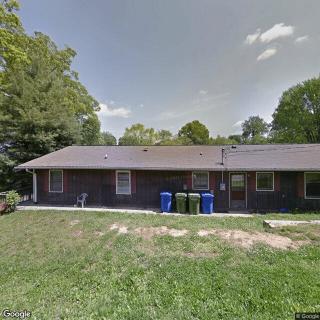
 Exploring the Contrasts Between Assisted Living and Skilled Nursing
 8 Key Indicators That Suggest It May Be Time to Transition from Assisted Living to Skilled Nursing Care
 Vibrant Senior Living: A Comprehensive Guide for Active Older Adults