
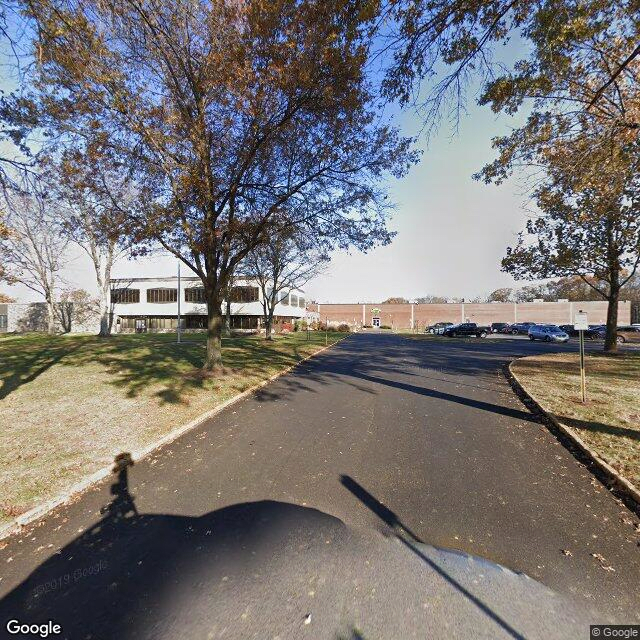
250 W Nyack Rd, West Nyack, NY 10994
To contact a resident: (845) 353-6000
For more information about senior living options: (866) 208-4318
Overall Review of Home Instead - Rockland County, NY
Pros
 The experience was wonderful and the mom was lovingly cared for by Vivian and Pat.
- The family is grateful for the unwavering care and the flexibility when needed.
- Home Instead provided essential help that eased the transition to assisted living.
- The aide was a great fit for mom—fun, vivacious, and caring.
- The home office listened to requests and implemented changes promptly.
- The admin team, including Cassandra, was friendly, understanding, and easy to work with.
- Caregivers delivered reliable care with regular updates and were flexibly extended when needed.
- The staff were unfailingly professional, helpful, and genuinely caring.
- The companions were loving, understanding, and treated the mother like family.
Cons
 Home Instead could not provide the level of care the family needed.
- The step-dad was described as cranky.
Review
This community is best suited for families that want to keep a loved one aging in place with highly flexible, compassionate in-home care, and for those who prize a strong caregiver match backed by an attentive office team. It works best when the goal is to maintain daily routines with someone who can adapt to shifting needs, from mild cognitive changes to more involved tasks, without uprooting the senior to a facility. The model shines for households that are geographically distant or juggling multiple responsibilities, where reliable updates and the ability to scale hours quickly are essential to maintaining peace of mind.
Those who should consider alternatives are not hard to identify. If a senior requires round-the-clock medical supervision, constant on-site oversight, or a highly social environment with structured programming and transportation, an assisted living or memory-care setting may be a better fit. Families facing rapid, significant medical or safety needs, where nursing-level care or 24/7 monitoring is needed, will likely find that in-home care, while excellent for support, cannot fully replace a dedicated community with around-the-clock staffing. Budgetary realities can also push some to weigh facility-based options, especially when predictable, all-inclusive pricing and comprehensive supervision are priorities.
The strongest pros here include consistently reliable care and a precise caregiver fit. Reviews repeatedly praise aides who are described as fun, vivacious, and deeply caring, with the right relationships forming between the senior and caregiver. The office and administration, especially the ability to adjust hours, add resources, and respond to evolving needs, emerge as a core strength. Families note the value of regular updates and feedback, which reduces anxiety for distant relatives and helps families stay aligned on care goals. The flexibility to extend care quickly during illness or as needs change is framed as a major, tangible advantage, enabling seniors to remain in a familiar home environment that supports routine and emotional well-being.
Yet the model does carry practical limits. The in-home framework inherently lacks the constant on-site medical oversight of a facility, and care quality can hinge on caregiver availability and fit on any given shift. While the office team is praised for responsiveness, the ultimate safety net rests with the caregiver network itself; a mismatch or a temporary staffing gap can unsettle families if expectations are not managed. Some cases describe a need for levels of care beyond what in-home services can provide, underscoring that this option is best paired with a realistic plan for escalation should medical or cognitive demands intensify. For families hoping to embed a robust social calendar and built-in transportation, alternatives will often deliver a more complete day-to-day community experience.
These pros and cons balance in favor of Home Instead when the priority is aging in place with dignity, paired with a trusted, communicative partner. The ability to scale care up or down quickly, plus the proven track record of compassionate, dependable aides, can offset the drawbacks of not being in a residential community. The positive caregiver dynamic directly translates into better daily engagement for the senior, more reliable routines, and less caregiver burnout for family members. When a loved one’s mood and participation improve, the investment in in-home support often proves to be a prudent, cost-effective choice relative to more disruptive transitions.
In practical terms, this option is a strong recommendation for families conducting an in-home care search with an emphasis on flexibility, consistent updates, and high caregiver compatibility. Start with a clear needs assessment, and insist on a thoughtful caregiver-matching process that prioritizes personality fit as well as task capability. Demand predictable communication with the office, set expectations for regular reports and a designated contact, so remote families never feel out of the loop. Consider a trial period to gauge how well the caregiver-patient relationship supports daily living, mood, and safety. If medical complexity or a desire for a fixed social environment grows, transition to an assisted living or memory-care setting should be weighed promptly. In the right circumstances, Home Instead West Nyack becomes a trusted extension of the family, keeping seniors at home where they thrive while preserving family equilibrium.
 Westchester Cty (11 miles away)







 Top Canine Companions for Older Adults
 Comprehensive Guide to Blood Pressure Charts for Older Adults: Understanding Normal and High Readings by Age
 Financing Long-Term Nursing Home Care Through Social Security: A Thorough Exploration