The Esplanade at Palisades offers a competitive pricing structure for its care and accommodation options compared to the broader market in Rockland County and New York State. For instance, their semi-private rooms are priced at $3,000 per month, significantly lower than the county average of $4,453 and the state average of $4,389. Similarly, studio apartments at The Esplanade cost $3,500, which is more affordable than both Rockland's average of $4,897 and New York's average of $4,532. One-bedroom units are available for $4,000 - a favorable rate when compared to Rockland County's $5,200 and New York's $4,307. Even their two-bedroom accommodations at $6,000 remain reasonable against Rockland's price of $5,710. Overall, The Esplanade provides valuable options that balance quality with affordability in an increasingly challenging market.
Floor plans
The Esplanade at Palisades
Rockland County
New York
Semi-Private
$3,000
$4,453
$4,389
Studio
$3,500
$4,897
$4,532
1 Bedroom
$4,000
$5,200
$4,307
2 Bedrooms
$6,000
$5,710
$4,786
Overall Review of The Esplanade at Palisades
common13 reviews mention this
Clean, welcoming environment
Residents and visitors repeatedly describe the community as clean and welcoming.
Multiple reviews highlight a clean, well-kept setting and a comfortable “homey” feel. Several people specifically mention cleanliness during tours or visits, and others say the facility is spotless. A few also note the atmosphere as positive and inviting.
common35 reviews mention this
Staff are attentive and kind
Caregivers and staff are described as patient, friendly, and responsive.
Across many reviews, people praise staff kindness and responsiveness, including during transitions into the community. Several residents’ families mention that questions get answered and that interactions feel patient and compassionate. Even in reviews that express frustration, the writers often still point to certain staff as helpful or receptive.
common10 reviews mention this
Dining is a regular focus
Dining shows up often, with residents describing both strong meals and occasional complaints.
Many reviews say the food is good, including mentions of three meals a day and dining room service. Others describe the meal experience during tours as well-prepared and presented. At the same time, a smaller set of reviews calls out the food as a negative, saying management did not address it to their satisfaction.
common12 reviews mention this
Activities keep residents involved
Residents describe an active routine with daily activities and entertainment.
Reviews commonly mention scheduled activities and social time, including crafts and opportunities to socialize. Several also describe entertainment and group involvement as part of day-to-day life. One reviewer adds that the community could improve how well planned activities consistently draw participation.
caveat2 reviews mention this
Dementia suitability is questioned
Some families question whether the community is equipped for Lewy body dementia care.
Two reviews describe experiences with a loved one who had Lewy body dementia and say the facility was not prepared as represented. One writer claims promised memory-care-related plans and therapies did not materialize, while the other describes distress during an episode and says staff did not respond with the dignity and compassion the family expected. These accounts are specific enough that they should be weighed carefully alongside any positive experiences.
differentiator2 reviews mention this
Pricing feels more affordable
Families mention affordability as a factor, and costs are positioned well below local and state benchmarks.
During one tour, the review notes multiple room options and specifically mentions shared rooms at a lower cost, along with an effort to make pricing affordable. Another review calls the community an “amazing value” compared with other places that were considered. Price information is also framed as substantially lower than county and state levels across unit types.
How we summarize
Counts show how many written reviews mention each theme; a review can touch several themes, and only frequently mentioned themes are displayed.
Features
Housing
109 resident community capacity
1-bedroom apartments
2-bedroom apartments
Studio apartments
Types of Care
Assisted Living
Independent Living
Amenities
Activities off-site
Activities on-site
Air-conditioning
Beautician on-site
Beauty salon
Cable or satellite TV
Computer center
Devotional services off-site
Devotional services on-site
Dining room
Fitness room
Fully furnished
Gaming room
Garden
Ground floor units
Guest parking
Handicap accessible
Housekeeping services
Indoor common areas
Kitchenette
Laundry
Move-in coordination
Outdoor common areas
Outdoor space
Party space
Private bathrooms
Resident parking
Respite or short term stays offered
Restaurant-style dining
Small library
TV room
Telephone
Wellness center
Wi-Fi/high-speed internet available
Transportation
Westchester Cty (12 miles away)
LaGuardia (17 miles away)
Community operated transportation
Transportation & parking
Transportation arrangement
Transportation arrangement (non-medical)
Care Services
12-16 hour nursing
24-hour call system
24-hour supervision
Activities of daily living assistance
Ambulatory care
Assistance with bathing
Assistance with dressing
Assistance with transfers
Coordination with health care providers
Diabetes diet
Hospice care
Meal preparation and service
Medication management
Mental wellness program
Physical therapy
Special dietary restrictions
Transportation arrangement (medical)
Transportation to doctors appointments
Dining
Diabetes diet
Guest meals
Kosher
Low / no sodium
Low fat
Meals provided
Restaurant style dining
Room service
Special dietary restrictions
Vegetarian
Activities
Activities off-site
Art classes
Arts and crafts
Catholic services
Community-sponsored activities
Concierge services
Devotional activities offsite
Devotional activities on-site
Educational speakers / life long learning
Fitness programs
Games
Gardening club
Happy hour
Jewish services
Live dance or theater performances
Live musical performances
Live well programs
Planned day trips
Resident-run activities
Scheduled daily activities
Stories
Wine tasting
Languages Spoken
English
Nearby Places of Interest
Parks
Tallman Mountain State Park (0.5 miles)
Piermont Pier (1.9 miles)
Uniontown Playground (3.4 miles)
Hart's Brook Park & Preserve (6.1 miles)
Nyack Beach State Park (7.4 miles)
Rockefeller State Park Preserve (8.1 miles)
Riverdale Park (8.2 miles)
Restaurants
The 9W Market (0.5 miles)
The Filling Station (0.5 miles)
Hudson Social (2.3 miles)
Harvest on Hudson (2.3 miles)
Brrzaar (3.2 miles)
Goosefeather (4.3 miles)
Barley On The Hudson (5.2 miles)
Pharmacies
Walgreens (1 miles)
CVS Pharmacy (1.2 miles)
CVS Pharmacy (2.7 miles)
CVS Pharmacy (4.3 miles)
CVS Pharmacy (4.7 miles)
Walgreens (5.4 miles)
CVS Pharmacy (5.5 miles)
Transportation
Metro North - Dobbs Ferry Train Station (2.3 miles)
Metro North - Tarrytown Train Station (5.3 miles)
Metro North - Hartsdale Train Station (6.6 miles)
Metro North - Bronxville Train Station (6.9 miles)
Metro North - Riverdale Station (7.6 miles)
Bus Stop (8.3 miles)
Metro North - Mt Vernon East Train Station (8.5 miles)
Physicians
Northeast Orthopedics & Sports Medicine - Orangeburg (2.6 miles)
Orangetown Pediatric Associates (2.7 miles)
Babra Saeed (4 miles)
Medical Arts Building (5 miles)
Kayal Orthopedic - Westwood (5.2 miles)
Park Medical Group PA (5.9 miles)
ENT and Allergy Associates (6.1 miles)
Cafes
Art Cafe Of Nyack (5.1 miles)
Boxer Donut & Espresso Bar (5.4 miles)
Coffee Labs Roasters (5.5 miles)
Starbucks (5.5 miles)
Starbucks (6.2 miles)
Starbucks (6.4 miles)
Starbucks (6.4 miles)
Hospitals
Hackensack Meridian Health Pascack Valley Medical Center (5.2 miles)
The Esplanade at Palisades offers a competitive pricing structure for its care and accommodation options compared to the broader market in Rockland County and New York State. For instance, their semi-private rooms are priced at $3,000 per month, significantly lower than the county average of $4,453 and the state average of $4,389. Similarly, studio apartments at The Esplanade cost $3,500, which is more affordable than both Rockland's average of $4,897 and New York's average of $4,532. One-bedroom units are available for $4,000 - a favorable rate when compared to Rockland County's $5,200 and New York's $4,307. Even their two-bedroom accommodations at $6,000 remain reasonable against Rockland's price of $5,710. Overall, The Esplanade provides valuable options that balance quality with affordability in an increasingly challenging market.
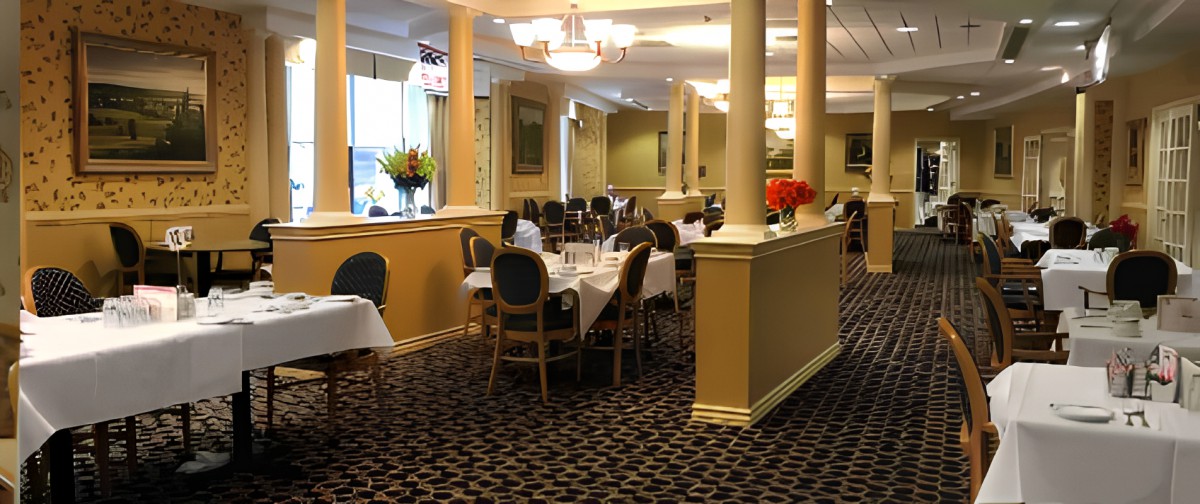
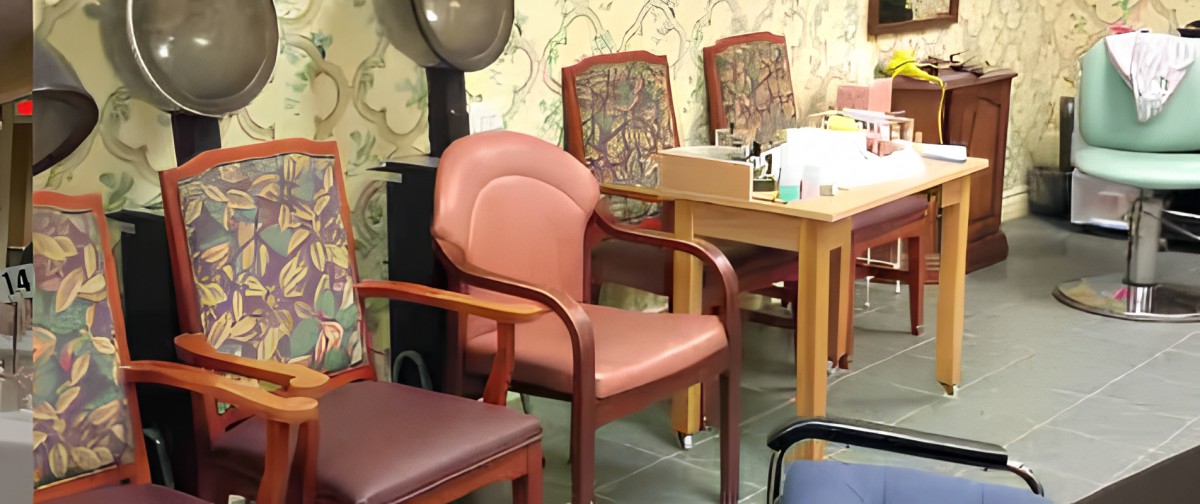
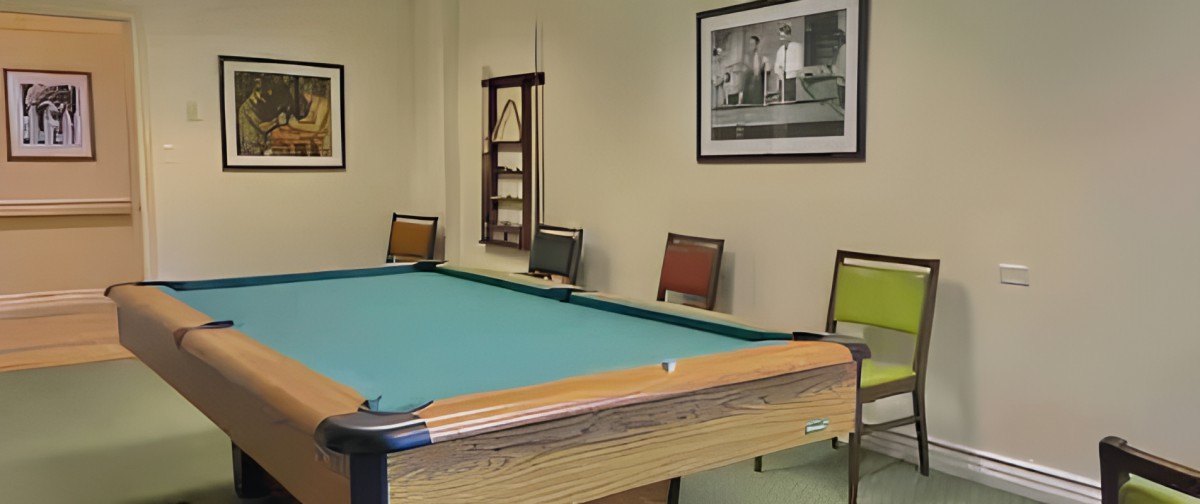
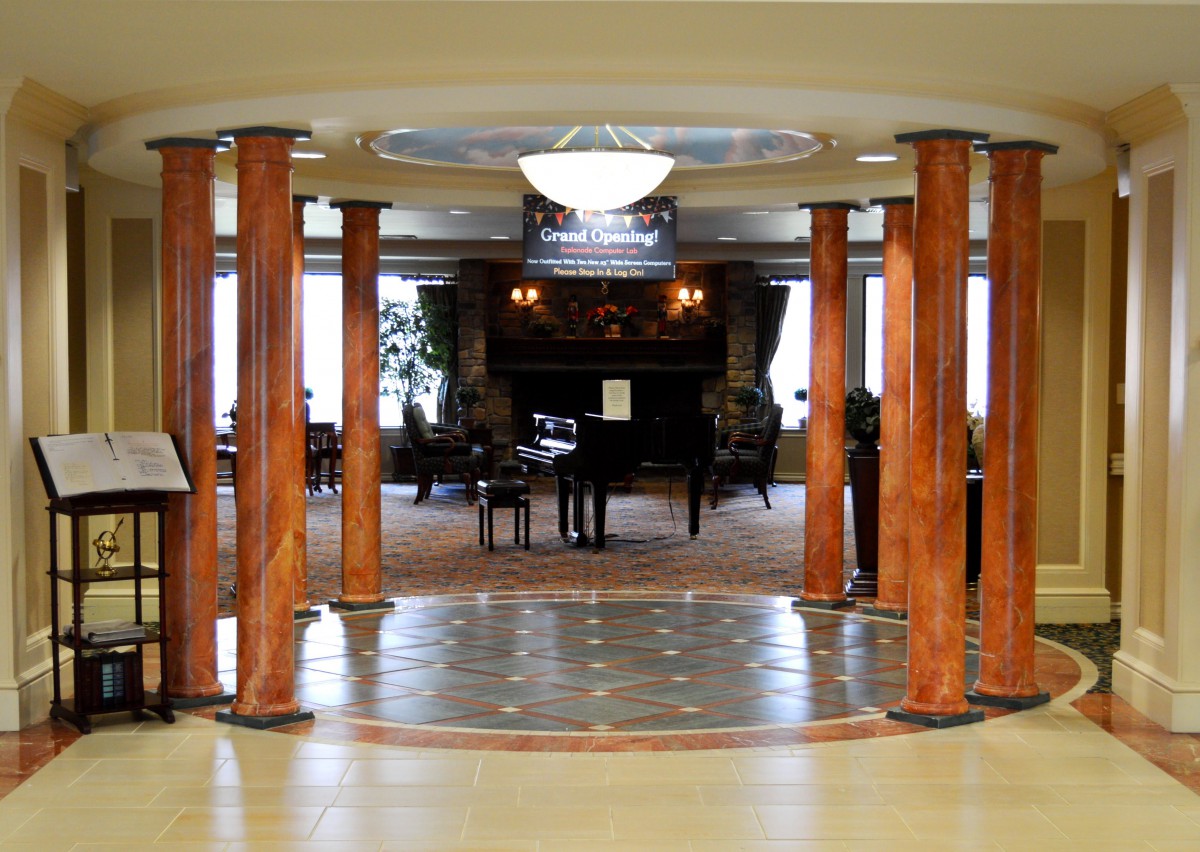
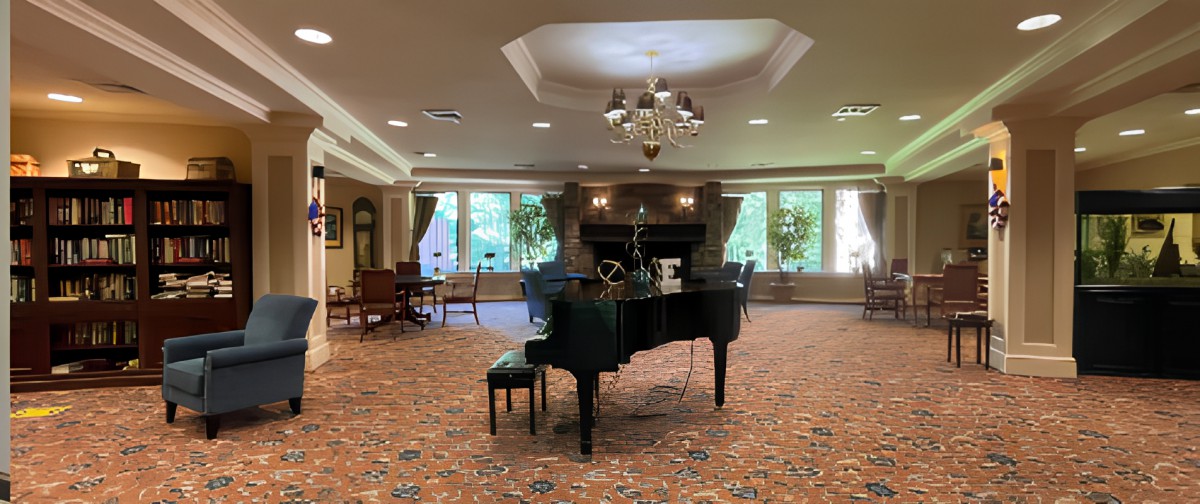
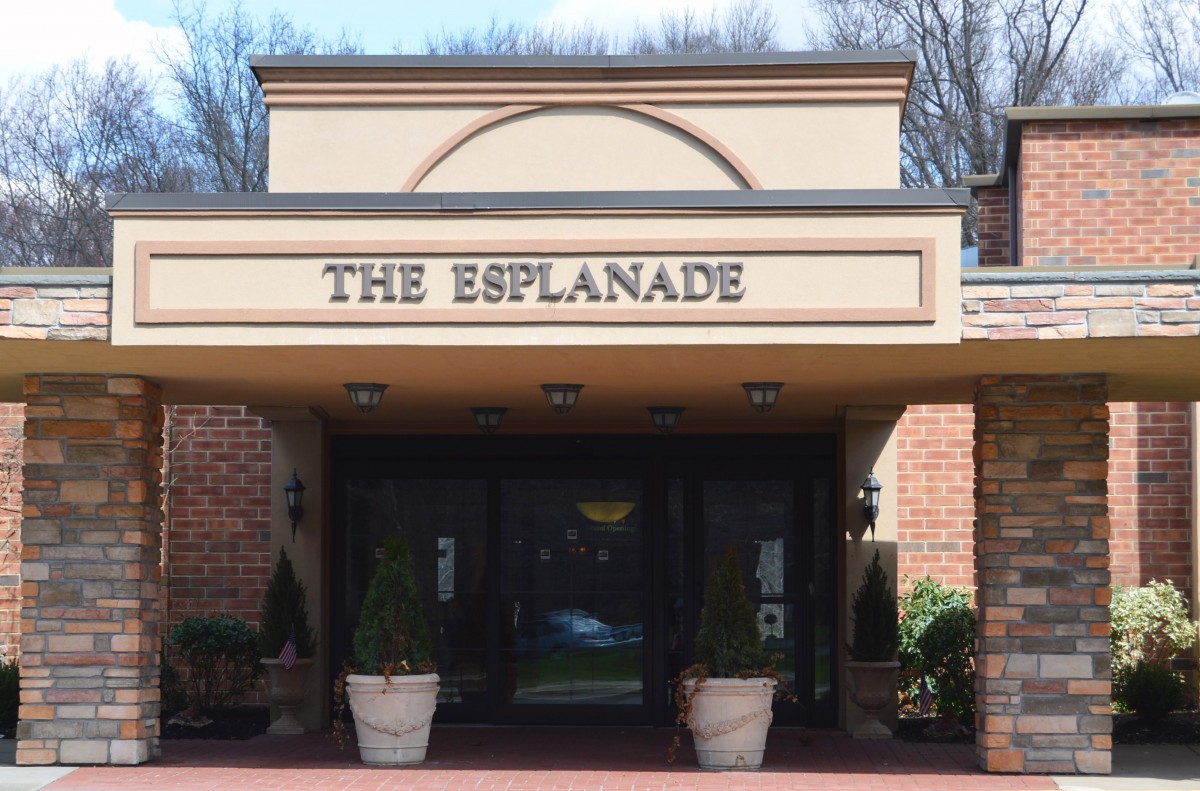
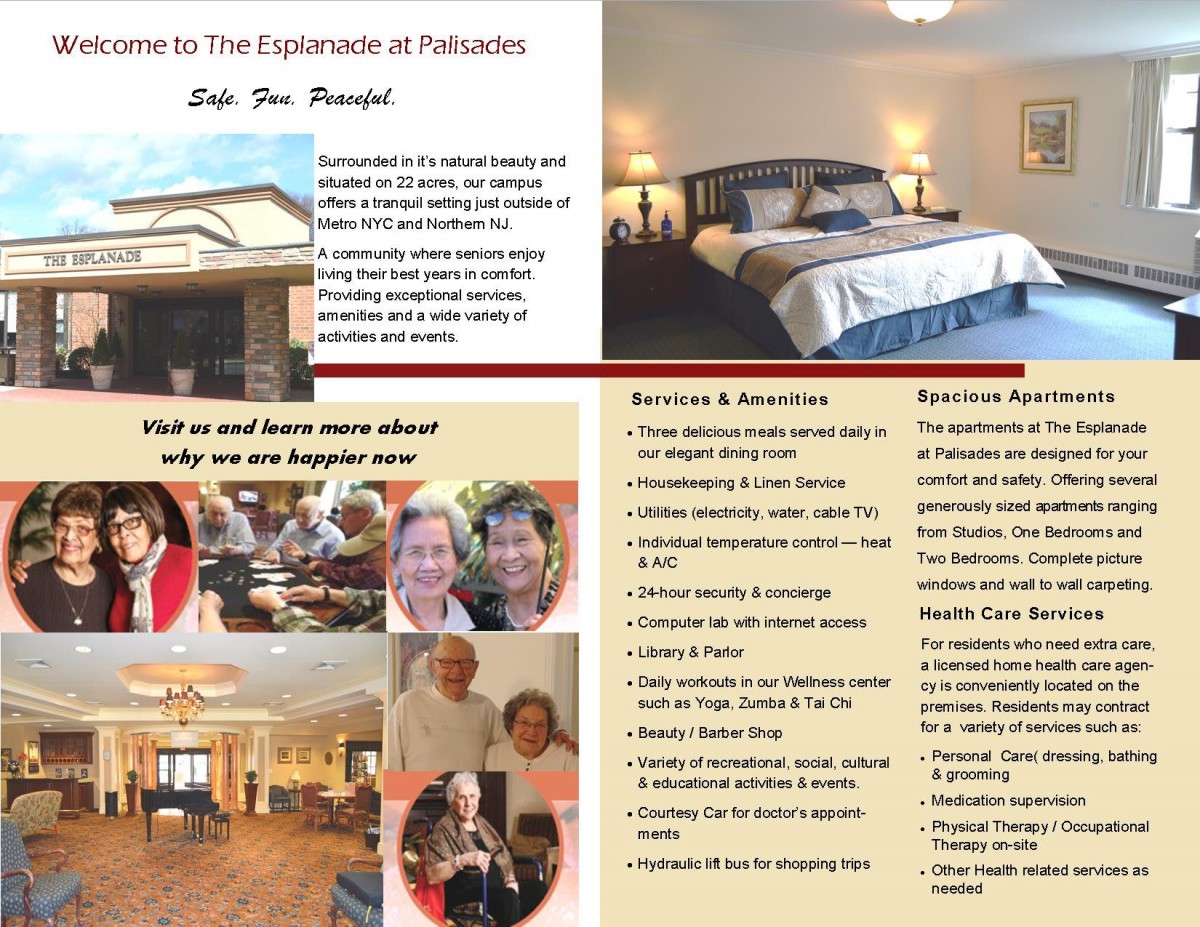
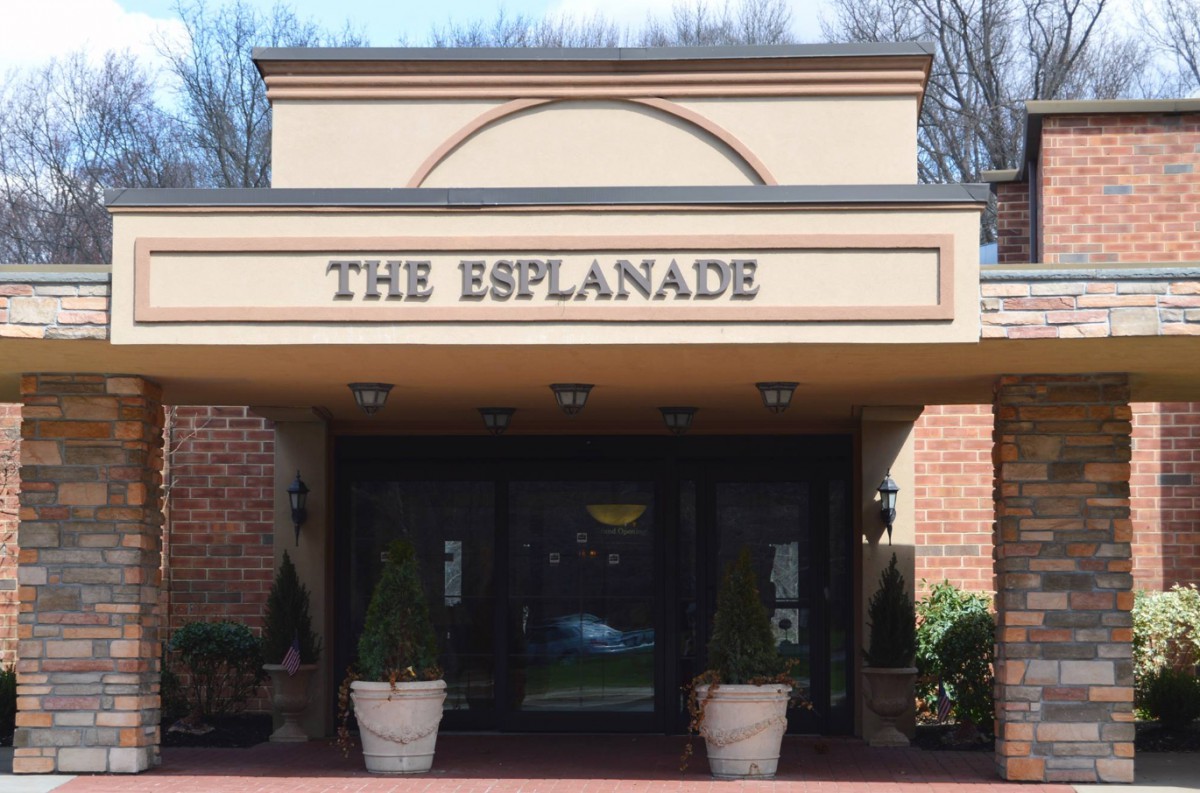
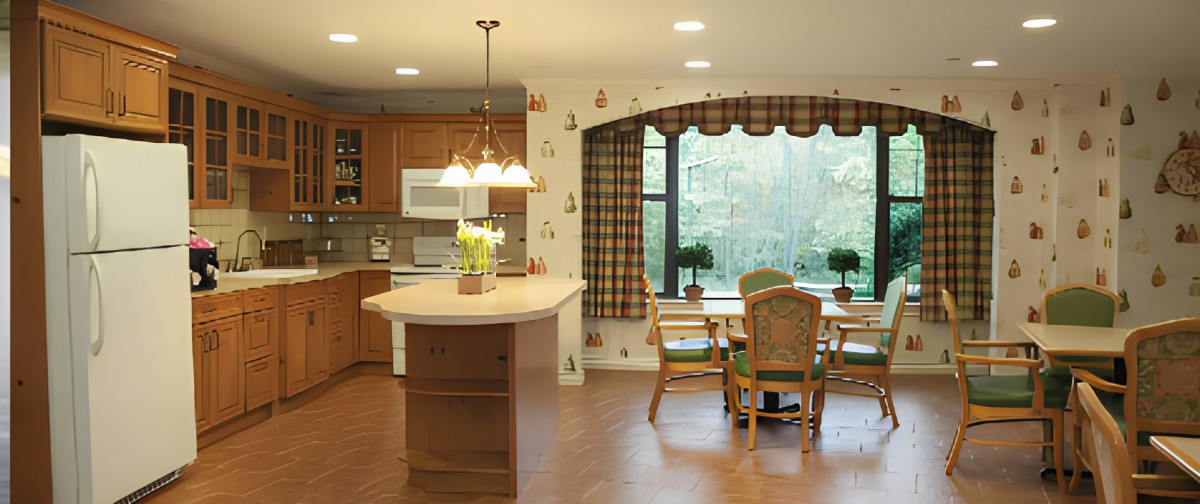
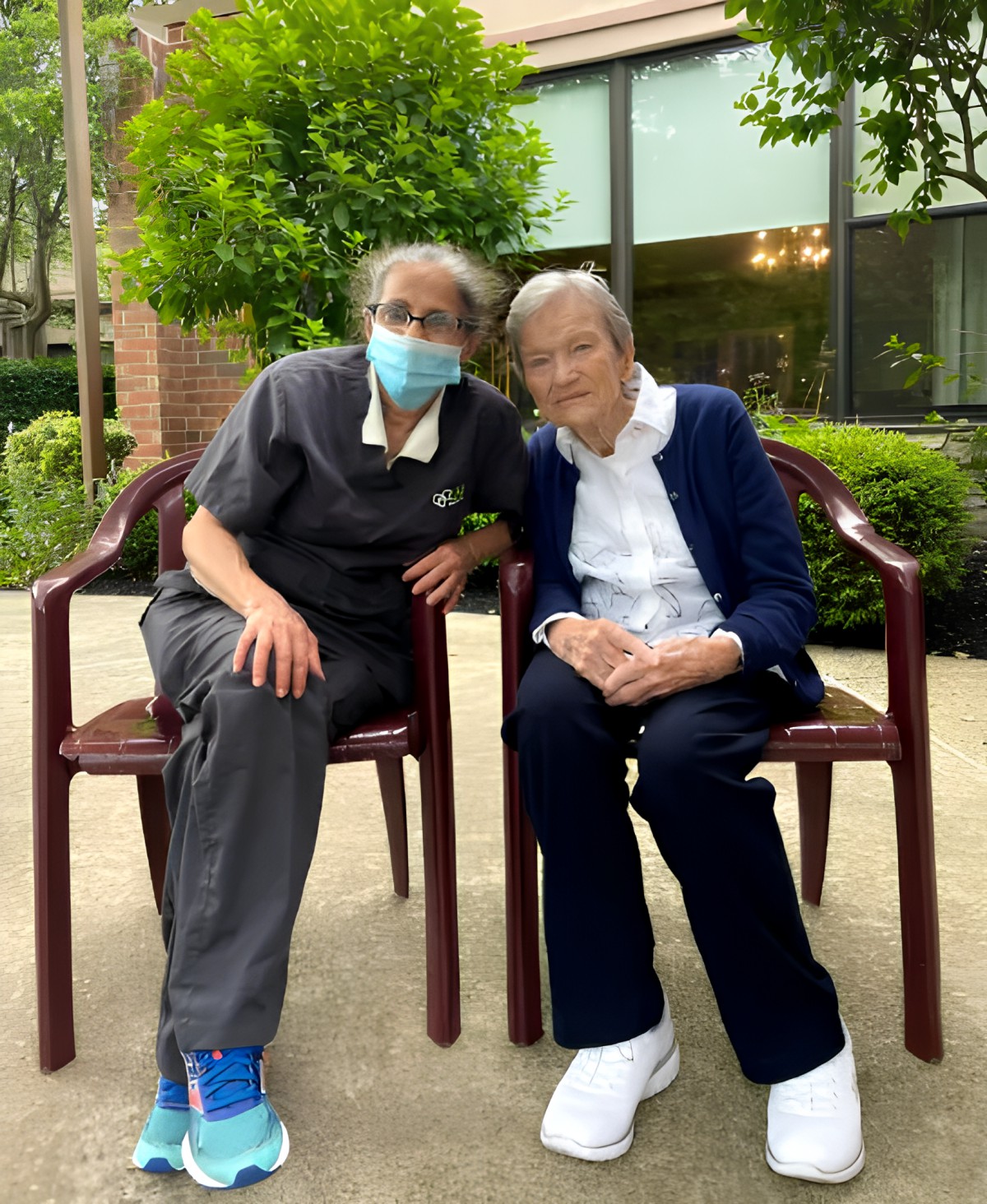
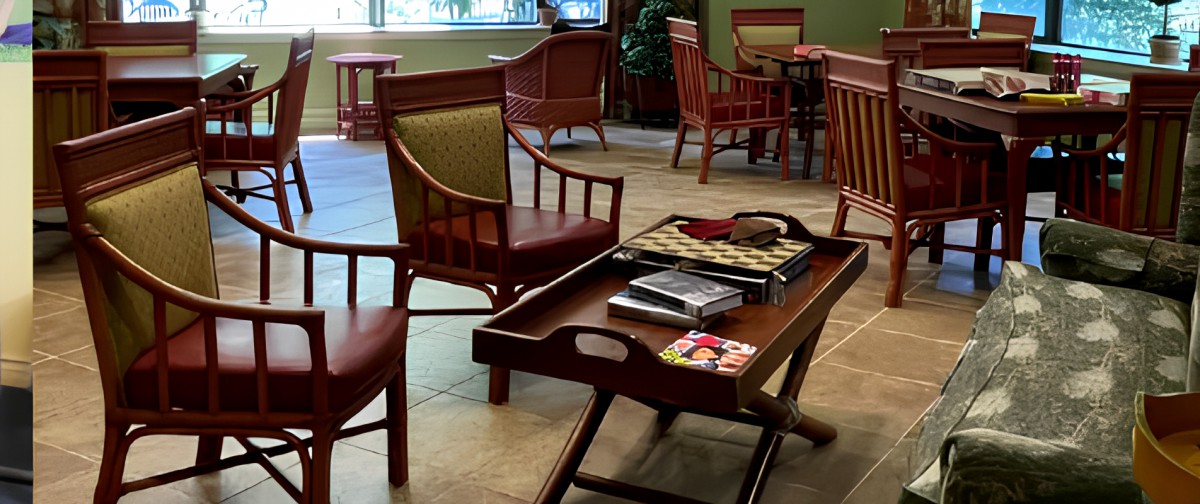
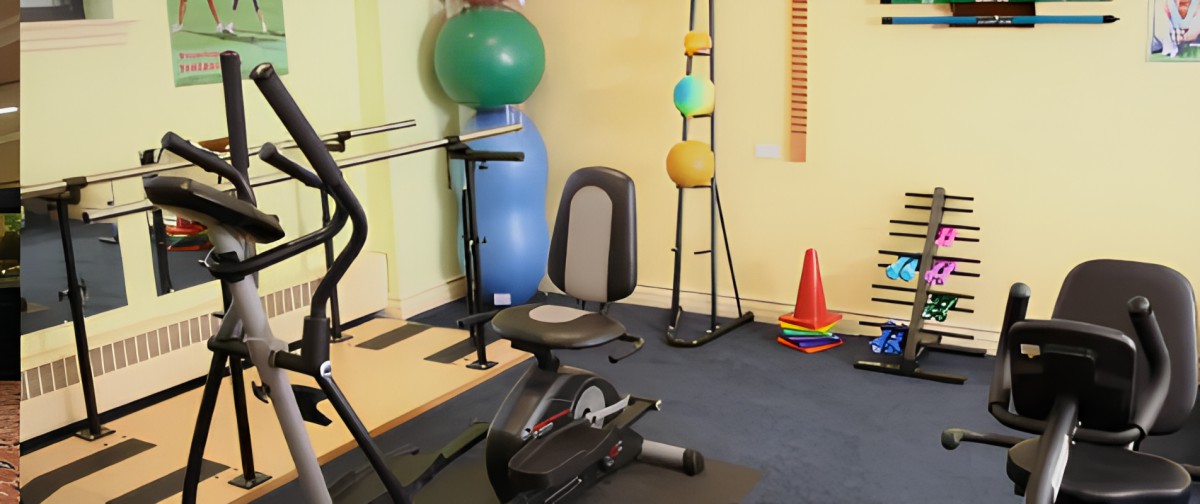
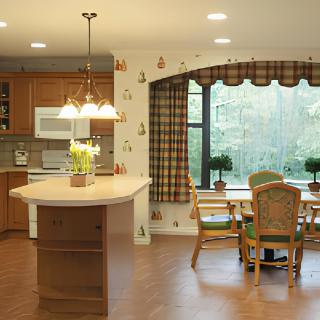
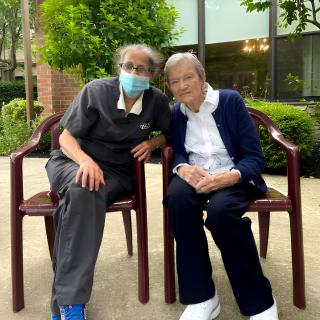
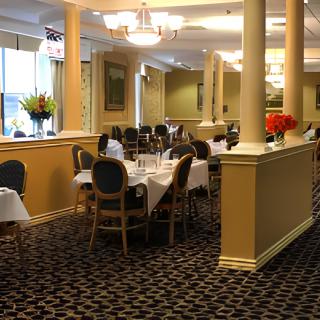
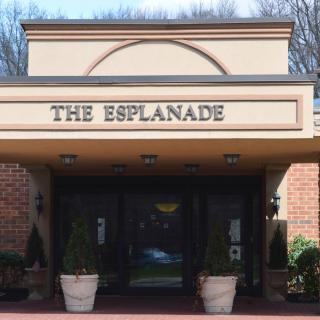
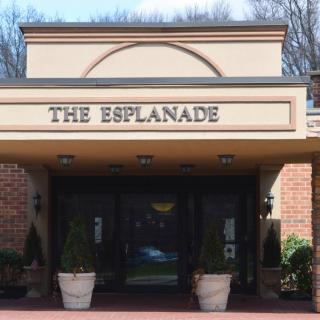
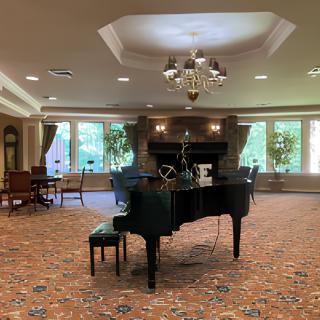
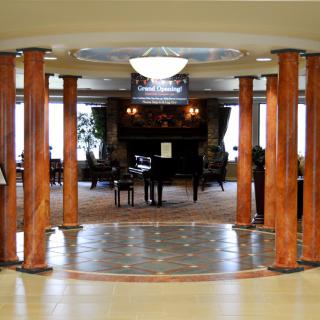
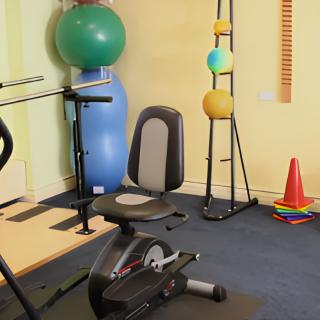
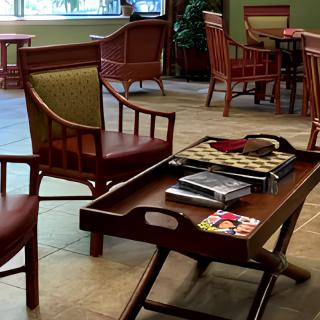
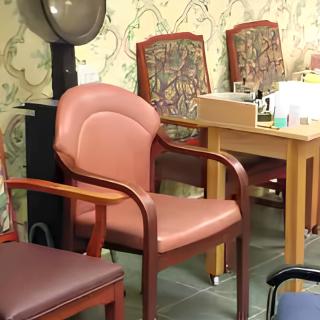
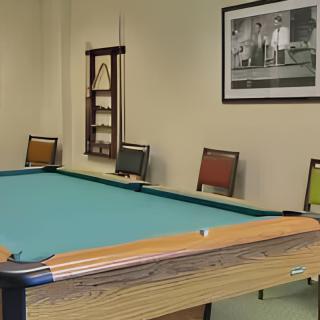
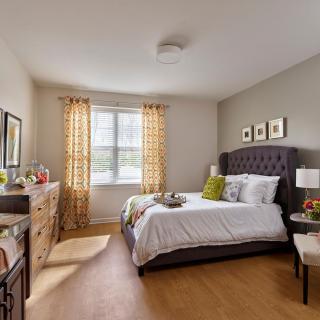
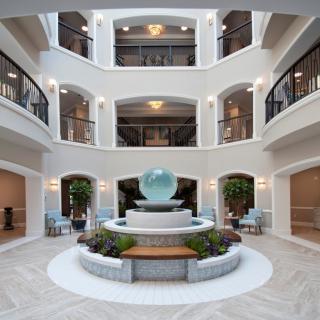
The Esplanade at Palisades on seniors.fyi includes 18 photos including images showing interior, dining, exercise equipment, decor, architecture, piano, waiting area, building, and more.
Nearby Communities
Hearthstone Alzheimer's Care - Palisades
Palisades, NY
4.6 from 39 reviews
$4,895 to $5,295 / month
Specialized memory care with personalized activities in a serene, park-adjacent setting.
Senior Home Care
Palisades, NY
5 from 1 review
Kosher dining with strong Jewish community integration and compassionate, resident-focused care.
Jewish Home At Rockleigh
Rockleigh, NJ
4.7 from 127 reviews
$10,500 / month
Caring, professional staff with well-maintained facilities and strong therapy.
Bergen County Health Care Center
Rockleigh, NJ
24/7 supervision and a wide range of amenities.
Bergen Cnty Healthcare Ctr
Rockleigh, NJ
3 from 2 reviews
Serene, park-adjacent setting with convenient medical access nearby.
Paris Square
Northvale, NJ
4.8 from 6 reviews
Comprehensive care (meal prep, medication management) with dietary options and connectivity.
Arbor Terrace Norwood
Norwood, NJ
4.8 from 113 reviews
$5,000 to $10,070 / month
Warm, attentive staff in a clean, hotel-like setting with engaging dining and activities.
Allegro at Harrington Park
Harrington Park, NJ
4.4 from 78 reviews
$5,200 to $8,775 / month
Modern, well-maintained community with high-quality care, dining, and activities.
Adira At Riverside Rehabilitation And Nursing
Yonkers, NY
3.9 from 133 reviews
Strong respiratory and rehab teams with attentive staff in a clean, well-kept facility.
The guide highlights the importance of assisted living facilities for aging veterans needing daily support, discusses unique challenges they face, and outlines available financial assistance from the VA, including the Aid and Attendance program. It emphasizes understanding eligibility criteria and navigating the VA system to access necessary benefits effectively.
The article compares assisted living and skilled nursing facilities, detailing their differing levels of assistance, medical support, cost structures, and day-to-day experiences. It emphasizes that assisted living is for those needing help with daily activities while maintaining independence, whereas skilled nursing facilities provide intensive medical care with 24-hour staff supervision.
The transition from assisted living to skilled nursing care is often prompted by complex medical needs that assisted living cannot meet, with key indicators including frequent health declines, increased falls, severe memory issues, and caregiver burnout. Families should recognize these signs early to discuss options with healthcare providers and prepare for the emotional and logistical aspects of moving to a facility that offers comprehensive medical support.
Get PricingAsk A QuestionSchedule A TourContact Senior Advisor
By clicking submit, you agree to our Partner's Terms of Use. You
also consent to receive calls and texts, which may be autodialed, from our Partner. Your consent is not a condition to
using our Partner's service. Please visit our Partner's Privacy Policy for information about their privacy practices.

 109 resident community capacity
 1-bedroom apartments
 Assisted Living
 Independent Living
 Activities off-site
 Air-conditioning
 Beautician on-site
 Cable or satellite TV
 Computer center
 Devotional services off-site
 Dining room
 Fitness room
 Fully furnished
 Gaming room
 Garden
 Ground floor units
 Guest parking
 Handicap accessible
 Housekeeping services
 Indoor common areas
 Kitchenette
 Laundry
 Move-in coordination
 Outdoor common areas
 Party space
 Private bathrooms
 Respite or short term stays offered
 Restaurant-style dining
 Small library
 Telephone
 Wellness center
 Wi-Fi/high-speed internet available
 Westchester Cty (12 miles away)
 Community operated transportation
 12-16 hour nursing
 24-hour call system
 Ambulatory care
 Assistance with bathing
 Assistance with dressing
 Assistance with transfers
 Diabetes diet
 Hospice care
 Medication management
 Mental wellness program
 Physical therapy
 Special dietary restrictions
 Transportation arrangement (medical)
 Art classes
 Catholic services
 Concierge services
 Educational speakers / life long learning
 Games
Games Happy hour
 Jewish services
 Live dance or theater performances
 Live musical performances
 Planned day trips
 Stories
 Wine tasting
 English
 Specialized memory care with personalized activities in a serene, park-adjacent setting.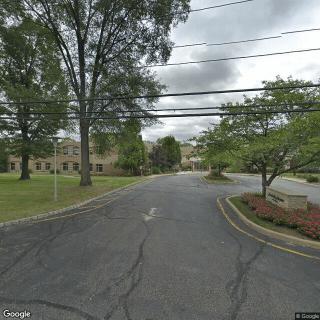

 Assisted Living Support for Veterans: A Complete and Detailed Overview
 Exploring the Contrasts Between Assisted Living and Skilled Nursing
 8 Key Indicators That Suggest It May Be Time to Transition from Assisted Living to Skilled Nursing Care