
640 Oak Tree Rd, Palisades, NY 10964
To contact a resident: (845) 364-7500
For more information about senior living options: (866) 208-4318
Overall Review of Senior Home Care
Pros
 The community is primarily Jewish and offers kosher dining.
- It maintains a close working relationship with the Jewish Home of Rockleigh Nursing & Rehab.
Review
Senior Home Care in Palisades, NY is best suited for Jewish seniors who want a spiritually and culturally familiar setting, especially those who observe kosher dietary laws and appreciate meals prepared under traditional guidelines. The community’s character centers on Jewish life, and it maintains a close working relationship with the Jewish Home of Rockleigh Nursing & Rehab, which provides a practical pathway for skilled nursing and rehab services without leaving the local ecosystem. This arrangement is a practical advantage for families contemplating future transitions, offering a clear, locally embedded route to higher levels of care. For residents who value ritual, routine, and a sense of belonging to a shared religious community, the setting aligns purposefully with those priorities.
That said, this option isn’t for everyone. Alternatives should be considered for non-Jewish residents or families seeking a more secular dining culture, broader dietary flexibility, or a facility that emphasizes on-site medical and rehab resources rather than relying on a partner organization. For seniors who want varied menu options beyond kosher rules, or who desire an environment inclusive of diverse backgrounds and practices, other options will likely feel more welcoming. Additionally, those who anticipate needing frequent advanced therapies or continuous, in-house clinical oversight may find the external rehab connection less appealing if ease of access isn’t guaranteed. In short, the strongest fit prioritizes cultural continuity over broad secular amenities.
On the upside, the major advantages are tangible. Kosher dining and a community oriented around Jewish traditions deliver daily alignment that reduces the friction many families encounter when dietary and ritual expectations conflict with care routines. The partnership with the Jewish Home of Rockleigh Nursing & Rehab can translate into more predictable discharge planning, smoother transfers to rehab, and a network of providers who are already familiar with the community’s norms. In practice, that means less stress during a transition and clearer expectations for family members who want to stay connected to a trusted care system. Those benefits can outweigh a narrower cultural frame if the primary goal is predictable continuity of care.
Nevertheless, reliance on an external rehab facility is a double-edged sword. While it streamlines access to higher levels of care, it can also mean that rehab stays, specialized therapies, or physician availability hinge on the partner’s scheduling and capacity. For residents who require round-the-clock medical oversight or who prefer to handle most clinical needs on-site, this could translate into compromises on immediacy and convenience. Moreover, the emphasis on kosher dining implies that food choices may stay within a defined religious menu, which could feel limiting to those with more diverse preferences or dietary needs not accommodated by the kosher framework. Families should balance the comfort of cultural alignment with the practical realities of care tangibility and flexibility.
When evaluating, set expectations clearly. Ask how kosher dining is managed day to day, whether there are non-kosher or elective menu options, and how flexible meal accommodations are for guests or special occasions. Probe the strength and scope of the alliance with Jewish Home of Rockleigh: what services are included on-site, how seamless are transfers, and what is the typical timeline for accessing rehab after a hospital stay. Inquire about on-site clinical staff, nursing ratios, and how care plans coordinate with the partner facility. Finally, explore the social and spiritual programming, holiday observances, communal activities, and accessibility for family attendance, to determine whether the environment supports sustained engagement and meaningful routines.
In balance, Senior Home Care serves as a compelling choice for Jewish seniors who want a culturally resonant setting with a built-in rehab pathway. The advantages of kosher dining, shared religious life, and a well-defined continuum of care through a trusted partner carry substantial weight for families prioritizing continuity and predictability. Those who do not share the Jewish cultural frame, who require broader dietary options, or who want more in-house medical and rehab capabilities should likely consider alternatives that offer greater secular inclusivity and on-site clinical breadth. The decision rests on aligning care goals with cultural preferences and on ensuring that the care architecture, dining, activities, and rehab access, meets long-term needs with confidence.
 Air-conditioning
 Cable or satellite TV
 Ground floor units
 Kitchenette
 Wi-Fi/high-speed internet available
 Westchester Cty (12 miles away)
 Guest meals
 Art classes
 Catholic services
 Cooking classes
 Day trips and outings
 Educational speakers / life long learning
 Jewish services
 Karaoke
 Live dance or theater performances
 Live musical performances
 Stretching classes


 A Comprehensive Exploration of Common Misunderstandings about Powers of Attorney
 Senior Move Management: Understanding the Role, Value, and Associated Costs
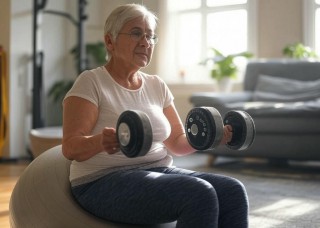 Weight Training for Seniors: Building Strength and Vitality