

One Kendal Way, Sleepy Hollow, NY 10591
To contact a resident: (800) 957-8232
For more information about senior living options: (866) 208-4318
Overall Review of Premier Home Health Care - Sleepy Hollow
Pros
 Kendal on Hudson is described as lovely, with resident-driven activities that empower residents to pursue their interests.
- It is a warm, one-community environment where residents and staff know each other by name and genuinely care.
- The dining program is excellent, featuring CIA-trained chefs and social lunches that encourage residents to mingle.
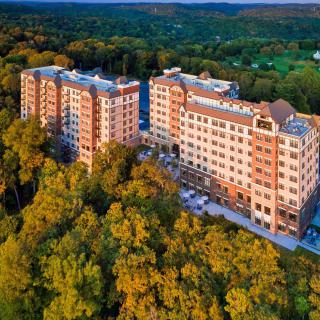
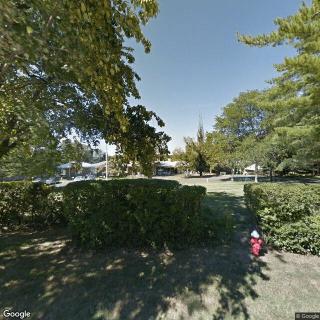
- The campus offers beautiful Hudson River views, riverfront lawns, and attractive surroundings near a state park.
- Move-in planning is thoughtful, with units refurbished to residents’ preferences, including color schemes and flooring.
- The organization emphasizes financial stability and adheres to Quaker principles, fostering confidence in long-term viability.
- Kendal on Hudson provides a full continuum of care on one campus, from independent living to skilled nursing, with convenient access to medical facilities.
Cons
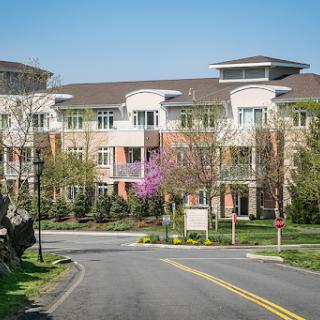
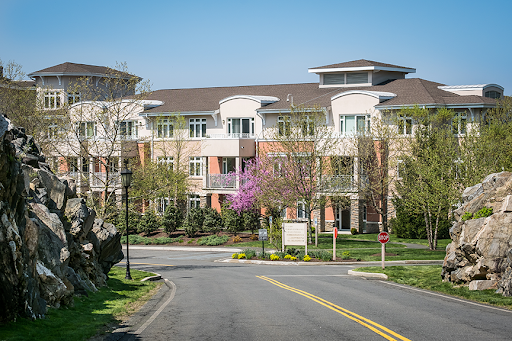
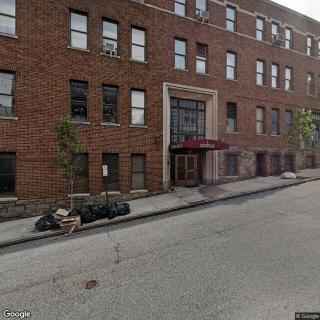
 The visitor entry felt medical and institutional, not like a welcoming hotel-style concierge desk.
- The entrance from the parking lot was described as hospital-like, which turned some visitors off.
- The building is tucked behind a hospital and can be tricky to navigate for those unfamiliar with the area.
- There is no direct access to the Hudson River, which diminishes the appeal of the location.
- Some reviews suggest the community still emphasizes independent living and may not fully address the needs of residents who require more care.
Review
Kendal on Hudson is best suited for families and aging adults who want a true continuing-care community that prioritizes independence, resident-driven living, and long-term stability. It works particularly well for couples or individuals who value a rich social and cultural life, organized by residents themselves, along with a seamless ladder of care from independent living through assisted options and skilled nursing, all within one campus. The appeal rests in a setting that feels like a real community: apartment-style living with full kitchens, river or garden views, and a menu and activity slate that residents actively shape. The move-in experience is personalized, with coordinators who refurbish a new unit to taste and coordinate details to help newcomers feel at home from day one.
Those who may want to consider alternatives include families seeking a more boutique or hotel-like ambiance, with less emphasis on resident governance and a more front-facing concierge experience. The architectural feel at the entry can read hospital-like, with barriers and a sign-in flow that some visitors find off-putting, even as the campus remains welcoming once inside. For residents who prioritize minimal administrative and social friction, or who need highly urgent medical attention on a tighter timeline, a smaller, clubby setting or a setting with a less institutional entrance may be preferable. Budget sensitivity also points toward weighing options, as Kendal’s robust amenities and continuum of care come with a correspondingly strong investment.
The core strengths of Kendal on Hudson offset the notable drawbacks through a compelling value proposition. The campus sits on the Hudson with striking views, expansive grounds, and a true sense of place that blends natural beauty with a hospital-adjacent care continuum for those who need it. The food program, chef-driven and CIA-trained, reads as a standout, making dining a social centerpiece rather than a routine obligation. The real differentiator is the resident-driven activity ecosystem: 28 committees spanning art, music, horticulture, trips, and social events, plus world-class performances, so engagement comes from within the community rather than external programming alone. When needs evolve, the on-site hospital linkage provides a reassurance that transitions to more intensive care can occur without uprooting daily life.
Equally important is the staff culture and governance. Administration is described as seasoned, approachable, and aligned with long-term stability and fiscal strength, a critical factor for families planning ten, fifteen years ahead. The continuous care model means moving from independent living to assisted living or nursing doesn’t require a forced relocation to a new community, which reduces disruption and preserves relationships with staff and neighbors. Residents report that the campus is clean, well-maintained, and integrated with the adjacent hospital and state park, with convenient shuttle options to trains and medical appointments. This connectivity is a practical advantage for active adults who still travel or work part-time and want dependable support when schedules shift.
Housing and amenities reinforce practical decision-making. Apartments are generous and apartment-style, featuring full kitchens, dishwashers, and in many cases river or garden views. Some units even offer ground-level exterior access, a meaningful convenience for walkers or visitors. The grounds include a sense of permanence and safety, with indoor pools, fitness facilities, a library, and an arts-focused environment that aligns with a sophisticated, culturally inclined resident base. The beauty of the setting does come with navigation notes, getting in and out of the complex can be tricky if unfamiliar with the area, and the entry experience is more clinical than concierge in feel, but these are compromises relative to the overall quality and continuity of care.
For families evaluating Kendal on Hudson, the practical verdict is clear: this is a strong, reliable choice for those who want a life-plan style community that merges independent living with a proven pathway to higher levels of care, anchored by exceptional dining, vibrant resident-led programming, and strategic location along the Hudson. It is less ideal for those who prize a non-institutional entry experience, a more intimate boutique vibe, or budget-conscious options that forego extensive on-site care planning. If the priorities include sustained social engagement, long-term stability, and a robust continuum of care on one campus, Kendal on Hudson deserves serious consideration. Tour with a focus on the resident committees, the move-in refurbishments, and the hospital-adjacent care pathway to determine whether the balance of pros over cons aligns with family goals.
 Memory Care
 Westchester Cty (9 miles away)

 Five Subtle Dementia Indicators to Observe: An In-Depth Guide to Understanding “Does My Mom Have Dementia?”
 Dementia, Paranoia, and Caregiver Guidance: Understanding the Connection
 Engaging Memory Care Activities That Enhance Quality of Life