The Fellowship Community in Chestnut Ridge, NY

Save

  • Outdoors

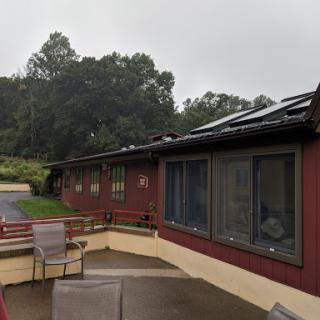
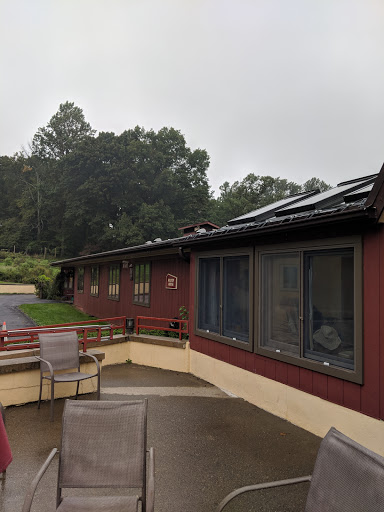
    A rainy day view of a red building showcasing large windows and a terrace area.
  • Building

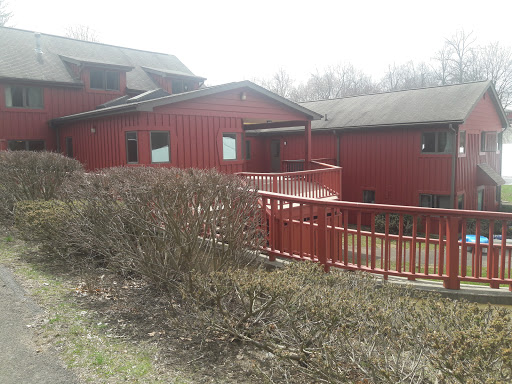
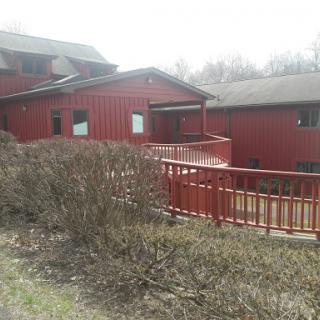
    A red building with a ramp, surrounded by bare bushes.
  • Architecture

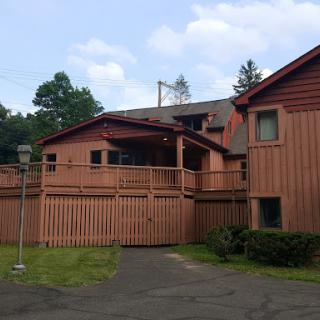
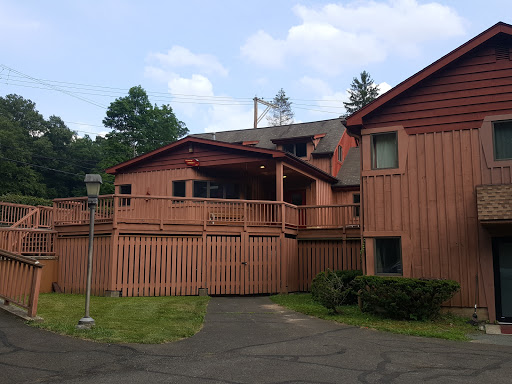
    A charming wooden building surrounded by greenery.
  • Dining

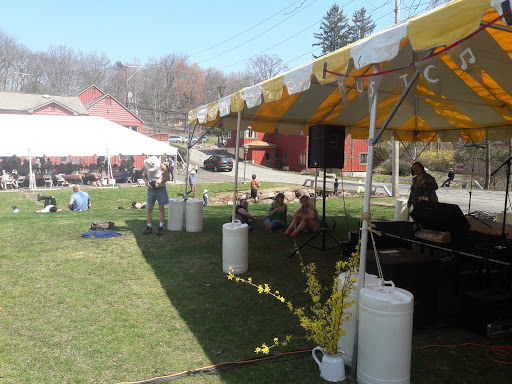
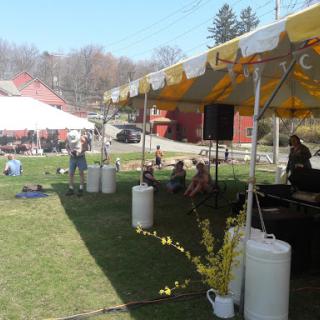
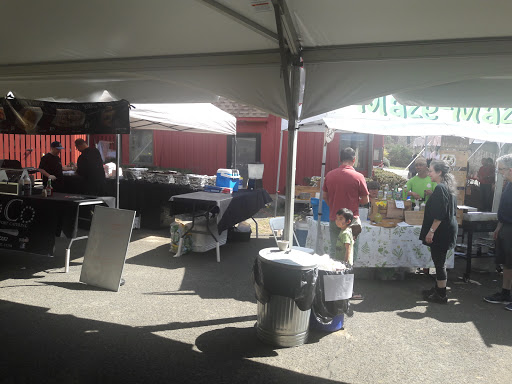
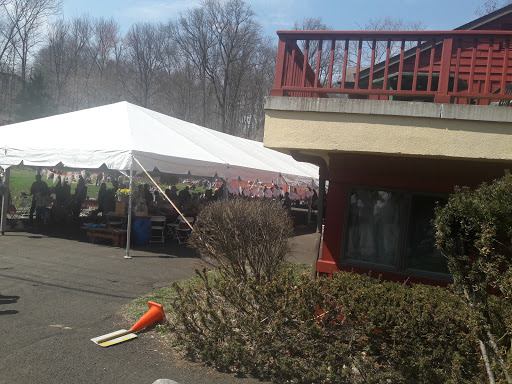
    A vibrant outdoor festival setup with colorful tents, inviting guests to enjoy a day of community and celebration.
  • Landscaping

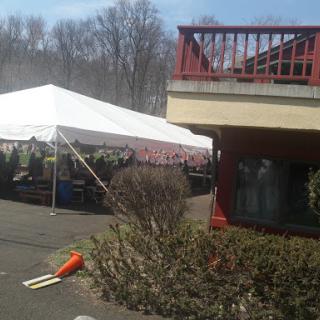
    A spacious outdoor tent set up next to a building, surrounded by greenery on a sunny day.
  • Outdoor

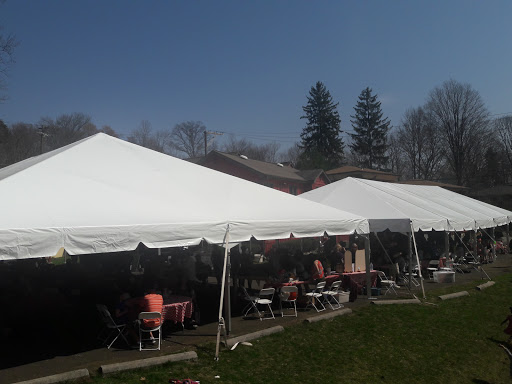
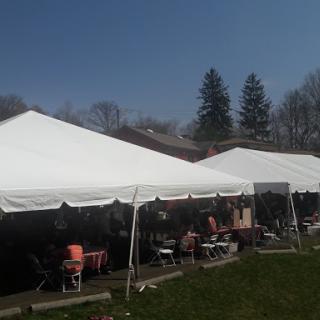
    Tents set up for an outdoor event under a clear blue sky.
  • Outdoor Seating

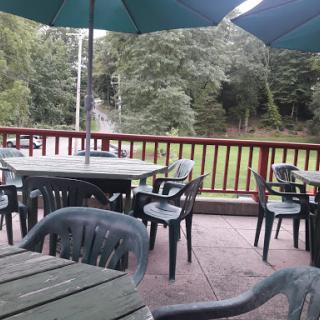
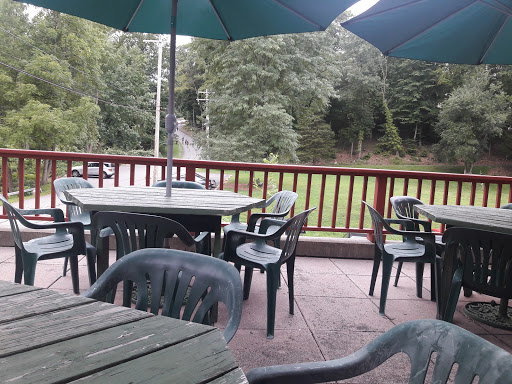
    A view of an outdoor dining area with tables and chairs under green umbrellas, surrounded by nature.
  • Nature

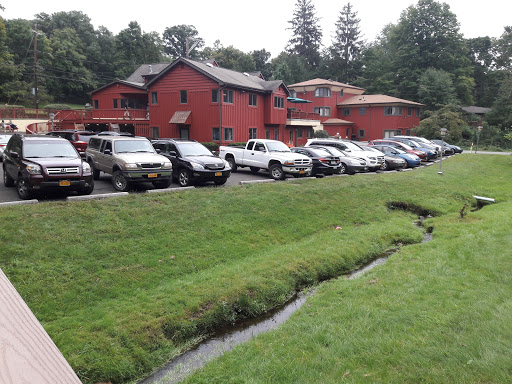
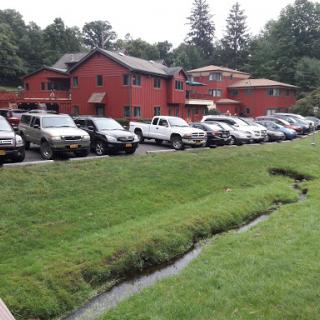
    A view of red buildings with a parking lot filled with various cars, set against a lush green landscape and a small stream.
  • Grass

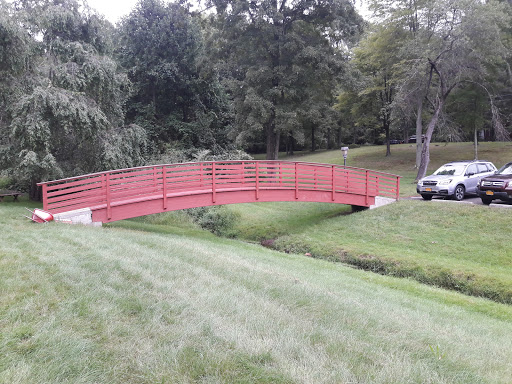
    A vibrant red bridge crosses over a small stream in a serene park setting.

The Fellowship Community in Chestnut Ridge, NY

241 Hungry Hollow Road, Chestnut Ridge, NY 10977

For more information about senior living options: (844) 490-3973

4.7 from 66 reviews
5 stars
58
4 stars
3
3 stars
1
2 stars
0
1 stars
4

Assisted Living Respite Care

What level of care are you interested in?

Assisted Living

Memory Care

Independent Living

Skilled Nursing Facility

Continuing Care Retirement Community (CCRC)CCRC

Other


Request a tour at The Fellowship Community

    Overall Review of The Fellowship Community

    Pros

    • pro Residents feel grateful to live at The Fellowship Community.
    • pro They happily provide companionship care to the most fragile members on the Care Unit.
    • pro They enjoy a home-like living environment with a two-bedroom apartment, a spacious Common Room, and social gatherings.
    • pro They delight in the pottery workshop, raised garden beds, and easy access to the Duryea Farm, including visits to the resident goats.
    • pro The community attracts highly conscious, intelligent, and kind individuals, fostering a true sense of community among members, staff, and administration.
    • pro The Fellowship is a godsend for families, offering kind, attentive care and rich cultural programming.
    • pro The location is beautiful, with an on-site farm where residents can see where their food comes from.
    • pro They feel enriched by human encounters, spiritual study, and opportunities to contribute through committees and service.
    • pro The community offers independent living with accessible help, diverse activities, and meaningful volunteer opportunities.

    Cons

    • pro One reviewer described a terrible experience at the facility, saying staff wouldn't take responsibility and began harassing and threatening them after they spoke their mind.
    • pro The reviewer warned that the facility does not know how to deal with dementia and will eject residents who display uncooperative behavior.
    • pro Another reviewer claimed deceptive practices within the community, suggesting lies and mischaracterizations have persisted.
    • pro A critic cautioned that residents with any level of dementia may be asked to leave the community.

    Review

    The Fellowship Community in Chestnut Ridge, NY is best suited for older adults who want to live in a small, purpose-driven village where independence is respected, care is available on a continuum, and life is infused with a spiritual, cultural, and agrarian rhythm. It works especially well for active seniors who relish contributing to a shared life - whether through volunteering on the farm, tending a garden, joining a workshop, or participating in a rich slate of performances, lectures, and study groups. This is not a sterile, cookie-cutter facility; it is a living, intergenerational neighborhood on a sizeable campus where staff and residents mingle as co-workers and friends, and where on-site farming, animals, and biodynamically grown meals reinforce a holistic, meaning-centered lifestyle.

    Those who may want to consider alternatives are families seeking a traditional, highly structured, hospital-like environment with predictable daily schedules and ultra-modern amenities. The Fellowship's model leans toward a nonconventional cadence, emphasizing community life, voluntary contribution, and spiritual development, which may not align with everyone's expectations for routine, flashy programming, or the latest in senior-living design. Prospective residents who require robust, immediate medical intensity, tightly controlled dementia care, or aggressive behavioral management should explore options that specialize in memory care or higher-acuity settings, where policies and staffing are calibrated to those clinical needs.

    The strongest positives at The Fellowship Community lie in its people, its philosophy, and its setting. Independent living blends smoothly into a care continuum, allowing residents to stay in a familiar apartment while flexible help is available as needs evolve. The 80-acre woods, working farm, gardens, and animal life create an engaging, almost pastoral backdrop that supports daily activity, purpose, and social connection. A robust cultural life - music, films, book groups, and lectures - pairs with opportunities to contribute meaningfully through volunteering in gardens, crafts, ceramics, woodworking, or administrative work. The presence of a doctor in residence and a responsive caregiving culture provides practical reassurance that health needs can be addressed without uprooting the resident from a cherished community. The overall tone is one of warmth, respect, and a shared mission to honor the human being as a spiritual as well as physical presence.

    Yet, the community is not without potential drawbacks, and these must be weighed against the advantages. Some reviews highlight experiences where dementia-related behavior or difficult transitions were not handled as smoothly as hoped, with accusations of mismanagement or reputational pressure. Such concerns, while not universal, signal that policies and staff approaches in challenging moments warrant careful scrutiny during visits. These incidents contrast with the plentiful testimonies of kindness and attentiveness, and they underscore the importance of asking pointed questions about dementia care protocols, resident rights, and the escalation paths for difficult behavior. In short, the strongest cautions relate to how the community handles behavioral complexities, not to a lack of compassion or skill across most caregiving situations.

    The practical takeaway is clear: enter with a clear understanding of personal values and care needs, and verify alignment with the community's strengths. Prospective residents should engage deeply with the farm and garden programs, sample meals, and observe how staff interact with independent residents and those requiring more assistance. Ask for specifics on how care pathways work as health declines, how dementia-related behaviors are addressed, and who supervises care decisions when tensions arise. In addition, request candid conversations with current residents about how involvement in committees, workshops, and cultural life feels in daily practice, and how transparent administration remains under pressure. Financials, housing options, and predictability of services should be reviewed so there are no surprises as needs evolve.

    Ultimately, The Fellowship Community stands out for families seeking a life that blends independence with compassionate, on-campus care within a spiritually oriented, farm-forward environment. It is most compelling for seniors who prize meaning through service, intergenerational connections, and a rich schedule of cultural and hands-on activities, all set against a natural, serene landscape. It is less suitable for those who require a conventional, highly structured daily routine, or who anticipate highly specialized dementia care in a hospital-like setting. For those who can embrace a village-as-home ethos and commit to a community that treats care as a shared, evolving journey, The Fellowship offers a distinctive, durable model of aging well - one that honors both the person and the life they still wish to contribute.

    Features

    Housing

    • 33 resident community capacity 33 resident community capacity

    Types of Care

    • Assisted Living Assisted LivingAssisted living facilities provide crucial support and care for seniors who may need help with daily tasks such as medication management, bathing, and meal preparation. These communities offer a safe and comfortable environment where seniors can maintain their independence while receiving the assistance they need to thrive in their golden years.
    • Respite Care Respite CareRespite care provides temporary relief for caregivers, allowing them to recharge and attend to their own needs. It also gives seniors the opportunity to socialize, receive professional care, and experience a change of scenery, promoting overall well-being and reducing feelings of isolation.

    Amenities

    • Activities on-site Activities on-siteActivities on-site are important for seniors because they provide opportunities for socialization, mental stimulation, physical activity, and overall well-being. Engaging in activities can help seniors stay active, maintain their independence, and improve their quality of life.
    • Beauty salon Beauty salonBeauty salons are important for seniors because they provide a space for them to feel pampered, socialize, and maintain their personal grooming and hygiene. Regular visits to a beauty salon can help boost seniors' self-esteem and overall well-being.
    • Cable or satellite TV Cable or satellite TVCable or satellite TV is important for seniors because it provides entertainment, news, and companionship, helping to combat loneliness and boredom. It also offers a wide range of programming options tailored to different interests and preferences.
    • Devotional services off-site Devotional services off-siteDevotional services off-site are important for seniors as they provide spiritual nourishment, social engagement, and a sense of community outside of the senior living facility. This can enhance overall well-being and help combat feelings of isolation and loneliness often experienced by older adults.
    • Dining room Dining roomDining rooms are important for seniors as they provide a space for socialization, connection, and nutritious meals. They offer opportunities for residents to bond over shared meals, foster a sense of community, and promote healthy eating habits. Dining rooms also ensure that seniors have access to well-balanced meals tailored to their dietary needs and preferences.
    • Fully furnished Fully furnishedFully furnished senior living communities are important for seniors because they provide convenience, comfort, and a hassle-free moving experience. Seniors can easily settle into their new living space without the stress of having to buy and move furniture. This allows them to focus on enjoying their new home and community.
    • Garden GardenGardens are important for seniors as they provide a peaceful and therapeutic environment for relaxation, physical activity, and socialization. Being in nature has been shown to reduce stress, improve mood, and promote overall well-being. Gardens also offer opportunities for seniors to engage in gardening activities, which can improve mobility, flexibility, and cognitive function. Additionally, gardens create a sense of community and connection with others who share a passion for plants and outdoor spaces.
    • Housekeeping services Housekeeping servicesHousekeeping services are important for seniors because they help maintain a clean and safe living environment, promote independence, and reduce the risk of accidents or illnesses. Additionally, having assistance with household chores can alleviate physical strain and allow seniors to focus on other aspects of their well-being.
    • Indoor common areas Indoor common areasIndoor common areas are crucial for seniors as they provide a space for socialization, recreation, and community engagement, promoting overall well-being and reducing feelings of isolation and loneliness.
    • Kitchenette KitchenetteKitchenettes are important for seniors living in senior living communities because they provide the convenience and independence of being able to prepare simple meals and snacks in the comfort of their own living space. This can help promote a sense of autonomy and well-being for seniors, allowing them to maintain some level of control over their dietary choices and daily routines.
    • Move-in coordination Move-in coordinationMove-in coordination is important for seniors because it helps ease the transition into their new living environment. It ensures that all logistics, such as packing, organizing movers, and setting up utilities are taken care of, allowing seniors to focus on settling in and adjusting to their new home. Having a smooth move-in process can alleviate stress and anxiety, making the transition smoother and more enjoyable for seniors.
    • Outdoor space Outdoor spaceOutdoor spaces are important for seniors as they provide opportunities for physical activity, social interaction, exposure to natural light and fresh air, and a sense of connection to nature. Having access to outdoor spaces can improve overall well-being and quality of life for older adults living in senior communities.
    • Restaurant-style dining Restaurant-style diningRestaurant-style dining is important for seniors because it allows them to enjoy delicious, nutritious meals in a social and upscale setting. This enhances their dining experience, promotes healthy eating habits, and fosters socialization with fellow residents, ultimately contributing to their overall well-being and quality of life.
    • Small library Small librarySmall libraries are important for seniors as they provide access to a variety of reading materials, including books, newspapers, and magazines. This can help stimulate their minds, keep them engaged, and provide a sense of community through book clubs and other social activities. Additionally, reading has been shown to improve cognitive function and overall mental well-being in older adults.
    • Telephone TelephoneTelephones are important for seniors as they provide a lifeline for communication with loved ones, emergency services, and healthcare providers. They offer a sense of security and independence, enabling seniors to stay connected and access assistance when needed.
    • Wi-Fi/high-speed internet available Wi-Fi/high-speed internet availableWi-Fi/high-speed internet is important for seniors to stay connected with loved ones, access online resources, and participate in virtual activities to combat feelings of loneliness and isolation. It also allows them to easily manage healthcare needs, access entertainment, and engage in lifelong learning opportunities.

    Transportation

    • Westchester Cty (19 miles away) Westchester Cty (19 miles away)
    • LaGuardia (24 miles away) LaGuardia (24 miles away)

    Care Services

    • 24-hour call system 24-hour call system24-hour call systems are important for seniors because they provide peace of mind and immediate assistance in case of emergencies. This technology ensures that help is always available, promoting safety and security for elderly individuals living alone or in assisted living facilities.
    • 24-hour supervision 24-hour supervision24-hour supervision is important for seniors to ensure their safety, well-being, and access to immediate assistance in case of emergencies or health issues. This constant support provides peace of mind for both seniors and their loved ones, allowing them to age in place with dignity and security.
    • Activities of daily living assistance Activities of daily living assistanceActivities of daily living assistance are important for seniors because they provide essential support with tasks such as eating, bathing, dressing, and mobility. This assistance helps seniors maintain their independence, dignity, and overall quality of life as they age.
    • Ambulatory care Ambulatory care"Ambulatory care services provide essential medical support and treatment to seniors without requiring hospitalization, allowing them to maintain their independence and quality of life while managing chronic conditions or receiving routine medical care."
    • Assistance with bathing Assistance with bathingAssistance with bathing is crucial for seniors as it helps maintain personal hygiene, prevents infections, and ensures their overall well-being and comfort. It also provides a sense of dignity and independence for seniors who may struggle with this task on their own.
    • Assistance with dressing Assistance with dressingAssistance with dressing is important for seniors because it helps maintain their independence, promotes personal hygiene, prevents accidents and injuries, and improves overall quality of life. This service ensures that seniors can continue to dress comfortably and confidently, despite any physical limitations they may have.
    • Assistance with transfers Assistance with transfersAssistance with transfers is crucial for seniors as it helps prevent falls and injuries, maintains their independence, and ensures they can safely navigate their living environment. It also provides peace of mind for both seniors and their loved ones.
    • Diabetes diet Diabetes dietA diabetes diet is crucial for seniors as it helps manage blood sugar levels, reduce risks of complications, and improve overall health and well-being. By following a balanced and nutritious diet tailored to their specific needs, seniors can better control their diabetes and enhance their quality of life.
    • Diabetic care Diabetic careDiabetic care is crucial for seniors as they are more susceptible to developing diabetes due to aging and other health conditions. Proper management of diabetes can help prevent complications such as heart disease, vision loss, and nerve damage, improving the overall quality of life for seniors in senior living communities.
    • Meal preparation and service Meal preparation and serviceMeal preparation and service are crucial for seniors as they may have limited mobility or energy to cook nutritious meals. Having access to healthy and convenient food options can ensure they are getting the proper nutrition needed to maintain their overall health and well-being.
    • Medication management Medication managementMedication management is crucial for seniors to ensure they are taking the right medications at the correct dosages and times. This helps prevent adverse drug interactions, reduces the risk of medication errors, and promotes overall health and well-being. Proactive management also allows for adjustments as needed based on changing health conditions or new prescriptions.
    • Mental wellness program Mental wellness programMental wellness programs are essential for seniors as they promote cognitive stimulation, emotional support, and social engagement. These programs help prevent isolation, depression, and cognitive decline, ultimately enhancing the overall quality of life for older adults.
    • Special dietary restrictions Special dietary restrictionsSpecial dietary restrictions are important for seniors because age-related changes in metabolism and health conditions can make it difficult for their bodies to process certain foods. By following a diet tailored to their specific needs, seniors can maintain their overall health and well-being, manage chronic conditions, and reduce the risk of complications such as malnutrition or food interactions with medications.
    Dining

    • Diabetes diet Diabetes dietA diabetes diet is crucial for seniors as it helps manage blood sugar levels, reduce risks of complications, and improve overall health and well-being. By following a balanced and nutritious diet tailored to their specific needs, seniors can better control their diabetes and enhance their quality of life.
    • Meals provided Meals provided"Meals provided" are crucial for seniors in assisted living communities as it ensures they have access to nutritious, balanced meals without the stress of meal planning and preparation. This can help promote overall health and well-being for seniors who may have limited mobility or cognitive abilities.
    • Special dietary restrictions Special dietary restrictionsSpecial dietary restrictions are important for seniors because age-related changes in metabolism and health conditions can make it difficult for their bodies to process certain foods. By following a diet tailored to their specific needs, seniors can maintain their overall health and well-being, manage chronic conditions, and reduce the risk of complications such as malnutrition or food interactions with medications.

    Activities

    • Activities on-site Activities on-siteActivities on-site are important for seniors because they provide opportunities for socialization, mental stimulation, physical activity, and overall well-being. Engaging in activities can help seniors stay active, maintain their independence, and improve their quality of life.
    • Community-sponsored activities Community-sponsored activitiesCommunity-sponsored activities are important for seniors as they provide opportunities for social interaction, mental stimulation, and physical activity. These activities can help improve overall well-being, combat loneliness and isolation, and promote a sense of belonging and purpose among older adults.
    • Devotional activities offsite Devotional activities offsiteDevotional activities offsite are important for seniors because they provide social engagement, spiritual growth, and a sense of community outside of their living environment. This can improve overall well-being, mental health, and combat feelings of isolation or loneliness.
    • Resident-run activities Resident-run activitiesResident-run activities are important for seniors as they encourage social interaction, creativity, and a sense of autonomy. These activities empower seniors to stay engaged and active in their community while fostering meaningful connections with their peers.
    • Scheduled daily activities Scheduled daily activitiesScheduled daily activities are important for seniors because they provide structure, socialization, mental stimulation, and physical activity. Engaging in regular activities can improve overall well-being and quality of life for seniors living in a community setting.

    Description

    The Fellowship Community in Chestnut Ridge, NY is an assisted living community that provides respite care for seniors who may need a short-term stay. The community offers a range of amenities to enhance the comfort and convenience of its residents. These amenities include a beauty salon where residents can get pampered, cable or satellite TV for entertainment, dining room for enjoying meals together, fully furnished apartments for a cozy living environment, and a beautiful garden to relax and enjoy nature.

    Housekeeping services are provided to ensure that the living spaces are clean and tidy. Indoor common areas offer opportunities for socializing with fellow residents, while the small library provides a quiet space for reading and relaxation. Telephone and Wi-Fi/high-speed internet access are available to keep residents connected with their loved ones.

    The Fellowship Community also offers various care services to meet the individual needs of its residents. There is 24-hour supervision to ensure safety and assistance with activities of daily living such as bathing, dressing, and transfers. Specialized care is provided for diabetic residents, including diabetes diet and medication management. A mental wellness program is offered to promote emotional well-being.

    Meals are provided at the community's dining room, taking into consideration any special dietary restrictions that residents may have. In addition to regular meals, there are also scheduled daily activities organized by the community or resident-run activities that encourage engagement and socialization among residents. Devotional activities offsite provide opportunities for spiritual growth and connection with one's faith.

    The Fellowship Community benefits from its location in Chestnut Ridge, with nearby amenities including cafes, pharmacies, physicians' offices, restaurants, transportation options, places of worship, and theaters. This allows residents to easily access necessary services as well as engage in recreational activities within the surrounding neighborhood.

    Overall, The Fellowship Community in Chestnut Ridge offers a welcoming environment with comprehensive care services and amenities designed to enhance the quality of life for its residents.

    Videos

    Nearby Places of Interest

    This part of Chestnut Ridge, New York offers a convenient and diverse array of amenities and services that cater to senior living needs. With several pharmacies, physicians' offices, transportation options, cafes, restaurants, places of worship, hospitals, and parks within close proximity, residents can easily access healthcare services, entertainment venues, dining options, religious institutions for spiritual support, and outdoor recreational activities. The presence of reputable medical centers like Memorial Sloan Kettering Cancer Center Bergen and Hackensack Meridian Health Pascack Valley Medical Center ensures quality healthcare facilities nearby. Additionally, the nearby parks provide opportunities for seniors to enjoy nature walks and outdoor activities in a peaceful setting. The community's accessibility to various essential establishments makes this area an ideal choice for seniors looking for a convenient and comfortable living environment.

    Pharmacies

    • CVS Pharmacy (1.6 miles)
    • Walgreens (2 miles)
    • CVS Pharmacy (2.1 miles)
    • Walgreens (3 miles)
    • CVS Pharmacy (3.3 miles)
    • CVS Pharmacy (3.8 miles)
    • CVS Pharmacy (3.8 miles)

    Physicians

    • Memorial Sloan Kettering Cancer Center Bergen (2 miles)
    • Advanced Orthopedics & Sports Medicine (2.6 miles)
    • Women's Total Health of Woodcliff Lake (2.8 miles)
    • Md Partners (3.7 miles)
    • New Jersey Regional Eye Care (3.8 miles)
    • Tenafly Pediatrics (3.9 miles)
    • Bardonia Pediatric Associates PC (4.2 miles)

    Transportation

    • Bus Stop (2.2 miles)
    • Metro North / NJT - Suffern Station (4.9 miles)
    • NJT - Waldwick Station (5.9 miles)
    • IHA Arbor Road Bus Stop (7.8 miles)
    • Metro North / NJT - Tuxedo Station (9.7 miles)

    Cafes

    • Starbucks (2.5 miles)
    • Starbucks (2.8 miles)
    • Panera Bread (3.9 miles)
    • Starbucks (4.5 miles)
    • Willow & Whisk (7.3 miles)
    • Boxer Donut & Espresso Bar (7.5 miles)
    • Art Cafe Of Nyack (7.7 miles)

    Theaters

    • Nanuet STM 12 & RPX (2.7 miles)
    • AMC Palisades 21 (5.8 miles)

    Restaurants

    • White Castle (2.7 miles)
    • Wendy's (3.1 miles)
    • Chick-Fil-A (3.4 miles)
    • Kinchley's Tavern (3.8 miles)
    • Taco Bell (3.8 miles)
    • Wendy's (4 miles)
    • Varka Estiatorio (4.3 miles)

    Places of Worship

    • Good Shepherd Lutheran Church (2.9 miles)
    • Congregation Tzemach Tzedek Lubavitch of Monsey (3.2 miles)
    • Bais Hamedrash (3.7 miles)
    • St Pauls Parish (5 miles)
    • Hawthorne Gospel Church (9 miles)
    • All Saints Episcopal Church (9 miles)
    • Community Church Of Glen Rock (9.1 miles)

    Hospitals

    • The Valley Hospital (7.3 miles)
    • Hackensack Meridian Health Pascack Valley Medical Center (7.5 miles)
    • Helen Hayes Hospital (9.7 miles)

    Parks

    • Rockland Lake State Park (8 miles)
    • Nyack Beach State Park (8.4 miles)
    • Piermont Pier (8.7 miles)
    • Saddle River County Park (9 miles)
    • Tallman Mountain State Park (9.4 miles)
    • Saddle River County Park - Dunkerhook Area (9.6 miles)

    Frequently Asked Questions

    Where is The Fellowship Community?
    What photos are available for The Fellowship Community in Chestnut Ridge, New York?

    Nearby Communities

    • Promenade at Chestnut Ridge

      Promenade at Chestnut Ridge

      Chestnut Ridge, NY

      4.3 from 194 reviews
      $3,050 to $6,100 / month

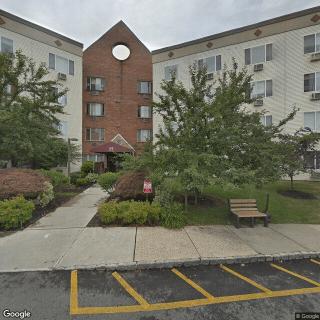
      pro Caring, attentive staff and an engaging activity program in a welcoming environment.

    • Sycamore Crest

      Sycamore Crest

      Spring Valley, NY


      pro Vibrant activities and accessible, pet-friendly environment in a convenient location.

    • Spring Valley Rest Home

      Spring Valley Rest Home

      Nanuet, NY

      5 from 2 reviews
      $1,300 / month

      pro Caring staff and a warm, close-knit community.

    • St Patrick's Villa

      St Patrick's Villa

      Nanuet, NY


      pro Warm, welcoming community with easy access to healthcare, dining, transport, and activities.

    • St Zita's Villa

      St Zita's Villa

      Monsey, NY

       
      $1,850 / month

      pro Affordable studio living at $1,850/month with extensive on-site amenities and 24/7 care options.

    • Venture Inn

      Venture Inn

      Nanuet, NY


      pro Strong nearby healthcare access and diverse nearby amenities (dining, pharmacies, transit, worship, and theaters).

    • Northern Metropolitan Residential Health Care Facility

      Northern Metropolitan Residential Health Care Facility

      Monsey, NY

      4 from 40 reviews
       

      pro Friendly staff, clean renovated rooms, and engaging activities.

    • Fountainview at College Road

      Fountainview at College Road

      Monsey, NY

      4.5 from 17 reviews
      $4,795 to $5,950 / month

      pro Maintenance-free, upscale living with a caring staff and rich daily programming.

    • Woodcliff Lake Health & Rehabilitation Center

      Woodcliff Lake Health & Rehabilitation Center

      Woodcliff Lake, NJ

      4.3 from 106 reviews
       

      pro Caring staff with attentive rehab and personalized care.

    Related Resources

    • assisted living waiver programA Detailed Exploration of Assisted Living Medicaid Waivers Across the United States

      Medicaid waivers for assisted living services provide vital support for seniors and individuals with disabilities in need of long-term care, with varying state-specific eligibility criteria and benefits. These waivers cover personal care and case management but often do not fully cover room and board, leading to waiting lists for many applicants.

    • assisted living for disabled adultsComprehensive Residential Support and Assisted Living Solutions for Individuals with Disabilities

      The article examines the complexities of assisted living for individuals with disabilities, emphasizing the need for tailored care solutions that enhance quality of life and social inclusion, while addressing financial challenges and advocating for community integration. It discusses various housing options, the importance of financial assistance through public benefits, and highlights trends towards integrated and technology-driven solutions in disability-focused housing.

    • assisted living for disabled adultsComprehensive Supportive Living Arrangements for Adults with Disabilities
      Assisted living for adults with disabilities has transformed to provide personalized care and support services aimed at improving residents' quality of life while balancing independence and assistance. However, low-income individuals often face challenges in affording these services, requiring navigation of various financial resources and advocacy for better policies and solutions.


    Get Pricing Ask A Question Schedule A Tour Contact Senior Advisor