
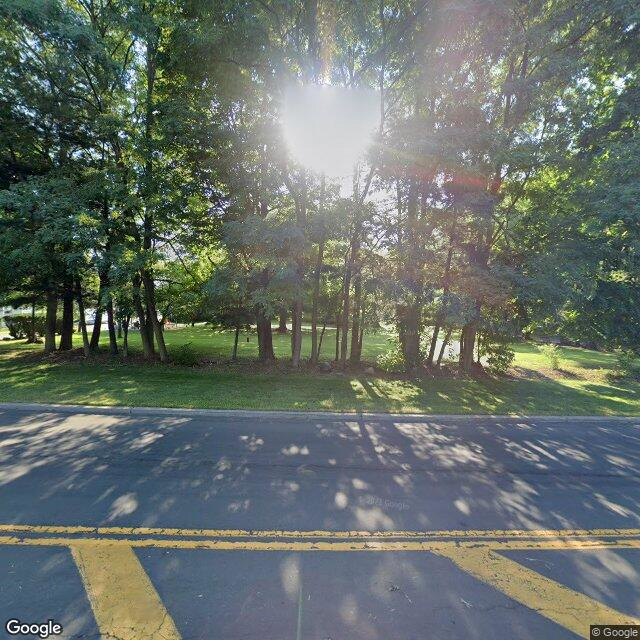
184 South Pascack Road, Nanuet, NY 10954
For more information about senior living options: (866) 208-4318
Spring Valley Rest Home Costs & Pricing
Spring Valley Rest Home offers a competitive pricing model for its studio accommodations, with a monthly cost of $1,300. This figure stands in stark contrast to the average costs in Rockland County, which hover around $4,897 for similar facilities, and even higher at approximately $4,532 across New York State as a whole. By positioning itself significantly below these regional and state averages, Spring Valley Rest Home provides an attractive option for individuals seeking affordable care while maintaining quality standards. This pricing strategy not only makes it accessible to more residents but also reflects a commitment to supporting the community's needs without compromising on the value provided.
| Floor plans | Spring Valley Rest Home | Rockland County | New York |
|---|---|---|---|
| Studio | $1,300 | $4,897 | $4,532 |
Assisted Living communities with a similar price nearby
-
from -$75 / mo
Chester Hill Adult Home
$1,225 to $1,317 / month15.9 miles away -
from +$100 / mo
Green Briar Residential Health
$1,400 to $1,600 / month21.3 miles away -
from +$67 / mo
Lott Community Home Health Care
$1,367 / month20.8 miles away -
from -$75 / mo
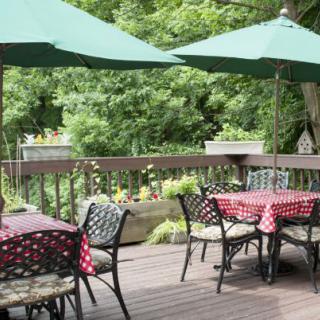
Promenade at Tuxedo Place
$1,225 to $3,900 / month10.5 miles away -
from +$200 / mo
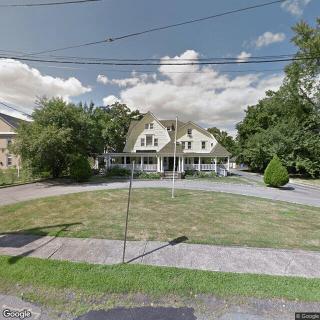
The Parkview
$1,500 to $5,000 / month21.8 miles away
Overall Review of Spring Valley Rest Home
Pros
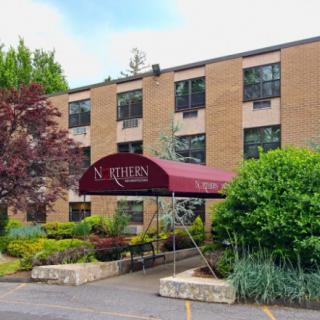
 The Spring Valley Rest Home is a beautiful and wonderful place to call home.
- The accommodations and food are excellent.
- The staff are wonderful, generous, and go the extra mile for residents, led by administrator Myrna Daos.
- The staff's hearts are filled with kindness and are made of gold.
- A hug from a staff member brings warmth and makes residents feel very good inside.
- A hug is described as a gift that is more rewarding than billions of dollars.
- Residents feel very much loved at Spring Valley Rest Home.
- They would choose to spend their remaining days there with their peers and caregivers rather than alone in a mansion.
Review
Spring Valley Rest Home in Nanuet is best suited for seniors who want a warm, home-like setting where personal attention from staff is a daily certainty. It shines for residents who are relatively self-reliant but value readily available help, affectionate interaction, and a sense of being truly cared for. Families weighing options for someone who prioritizes relational warmth over formal, clinical environments will find this community especially compelling. Those seeking extensive medical oversight, complex nursing needs, or a large campus with specialized memory care should consider alternatives.
The first and clearest strength is the environment itself: a beautiful, comfortable place where accommodations and meals are described as excellent. The setting reinforces a feeling of stability and daily normalcy, which matters greatly to residents who value continuity and the assurance that everyday life, food, lodging, and tasteful surroundings, meets high standards. When a resident’s practical needs align with a home-like atmosphere, this combination can deliver a sense of daily satisfaction that reduces stress for both residents and families.
Equally compelling is the staff culture. The team is described as generous, welcoming, and relentlessly generous with time and kindness, all guided by administrator Myrna Daos. The reviews stress that staff go “every extra mile,” with hearts described as gold. That kind of dependable, emotionally present caregiving translates into tangible benefits: more consistent interaction, quicker reassurance during moments of anxiety, and a relational confidence that residents are cherished. The personal warmth, evidenced by moments like a comforting hug, becomes a meaningful, daily differentiator that strengthens feelings of safety and belonging.
The emotional climate translates into a practical advantage as well. Residents report feeling very loved and settled, with one line capturing the overall effect: “I will sleep very well tonight.” For families, that difference can be decisive when evaluating quality of life versus the trade-offs of price, distance, or care level. When care is delivered through genuine relationships, the risk of social isolation diminishes, and daily routines become something residents look forward to rather than endure. In situations where independence is still intact but companionship and reliable support are valued, this setting delivers disproportionate peace of mind.
Not every family will find the same fit, and the reviews do not flag any substantial downsides. Still, the absence of explicit notes about heavy medical services or specialized dementia programming suggests a potential gap for residents needing intense clinical oversight. That gap can be offset by the undeniable strength of staff relationships and the home atmosphere for those whose needs center on companionship, basic daily support, and nourishment. Pros here offset the lack of clinical depth for the right person, but the balance shifts if medical complexity or specialized care becomes the primary criterion.
For families considering this option, the smart move is to prioritize a candid assessment of on-site medical capabilities and daily activity structure, alongside a tour that probes staff-to-resident ratios, meal variety, and transportation or outing opportunities. If the goal is a nurturing, people-centric home where caregivers make residents feel extraordinarily valued, Spring Valley Rest Home stands out as a top-tier choice. If, instead, the decision hinges on robust clinical services, memory-care specialization, or a larger, more impersonal campus, exploring alternatives will yield more suitable matches.
 32 resident community capacity
 Assisted Living
 Respite Care
 Activities on-site
 Beauty salon
 Cable or satellite TV
 Devotional services off-site
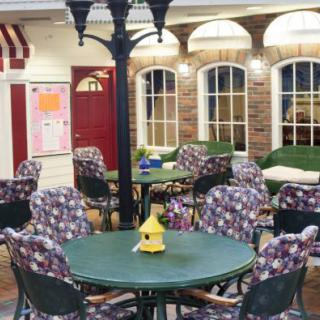
 Dining room
 Fully furnished
 Garden
 Housekeeping services
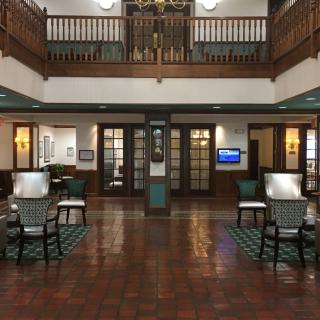
 Indoor common areas
 Kitchenette
 Move-in coordination
 Outdoor space
 Restaurant-style dining
 Small library
 Telephone
 Wi-Fi/high-speed internet available
 Westchester Cty (17 miles away)
 24-hour call system
 Ambulatory care
 Assistance with bathing
 Assistance with dressing
 Assistance with transfers
 Diabetes diet
 Diabetic care
 Medication management
 Mental wellness program
 Special dietary restrictions
 Comprehensive Insights into Activities of Daily Living (ADLs) and Their Assessment
 Medicare Coverage for Assisted Living: An In-Depth Exploration
 Choosing the Right Senior Care: A Detailed Exploration of Assisted Living and Nursing Homes