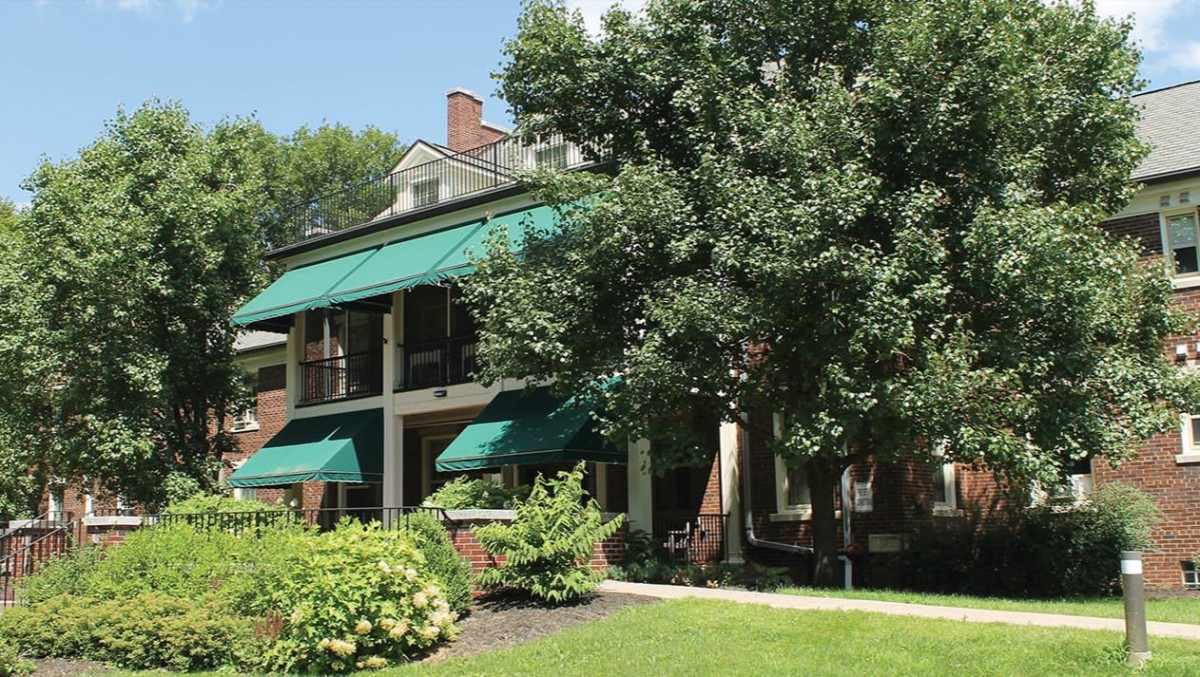
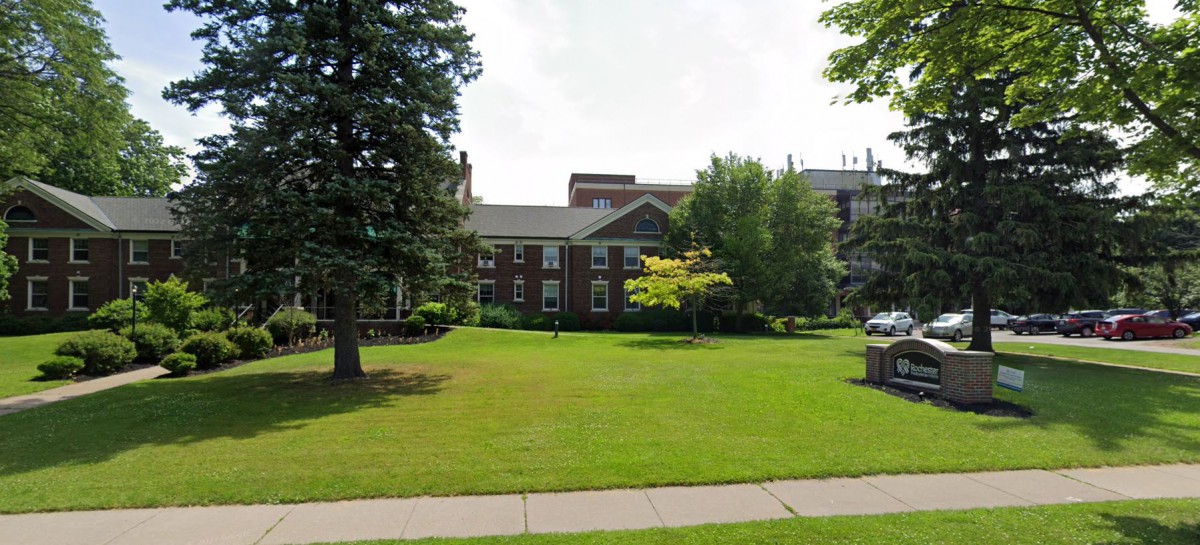
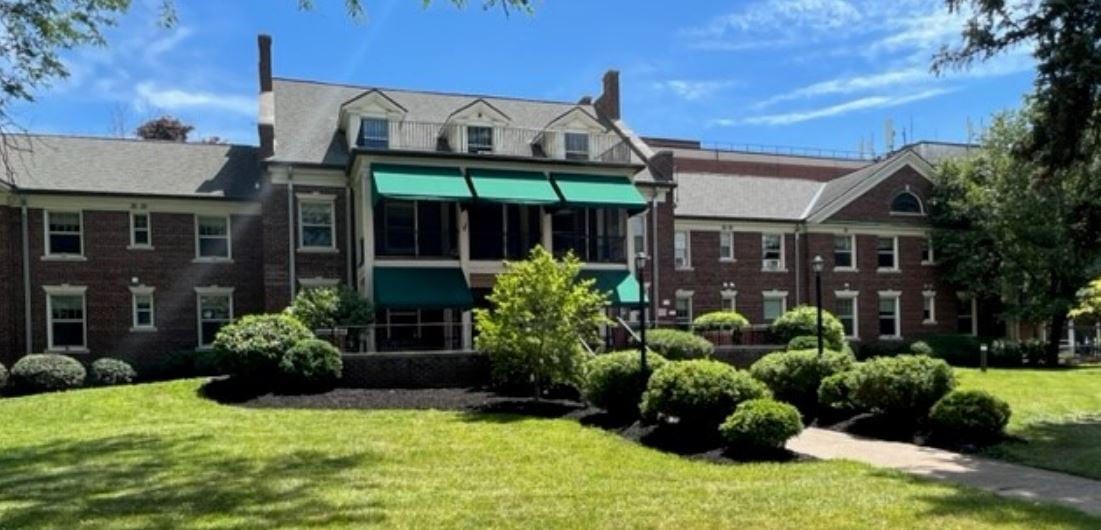
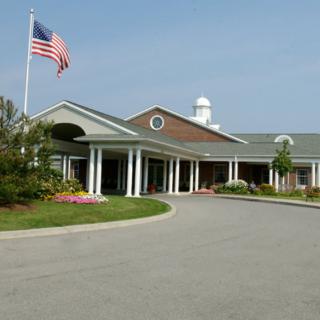
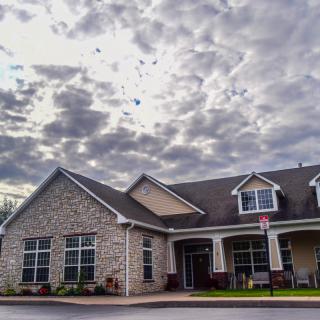
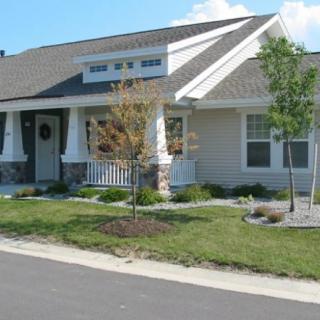
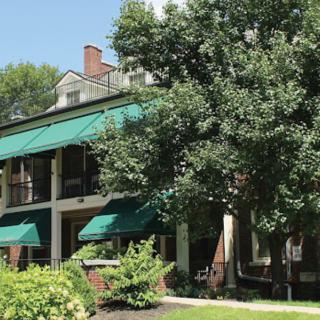
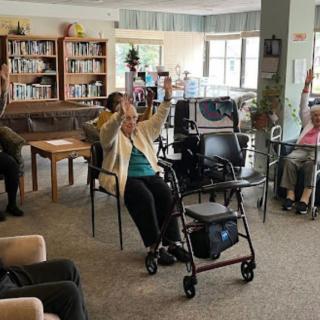
Rochester Presbyterian Home in Rochester, NY

Save

Rochester Presbyterian Home in Rochester, NY

256 Thurston Rd, Rochester, NY 14619

For more information about senior living options: (844) 490-3973

4.8 from 37 reviews
5 stars
33
4 stars
3
3 stars
0
2 stars
0
1 stars
1

Assisted Living Memory Care

Rochester Presbyterian Home Costs & Pricing

Rochester Presbyterian Home offers a studio accommodation at a monthly cost of $5,119. This price reflects the comprehensive services and supportive environment provided to residents, which may surpass the average costs in Monroe County, where similar accommodations are priced around $3,416. Additionally, when comparing this to the broader New York state average of $4,532 for similar living arrangements, it becomes evident that Rochester Presbyterian Home positions itself within a premium segment of the market. While the costs are higher than both county and state averages, potential residents may find value in the quality of care and community atmosphere that distinguishes the home from other options.

Floor plansRochester Presbyterian HomeMonroe CountyNew York
Studio$5,119$3,416$4,532

What level of care are you interested in?

Assisted Living

Memory Care

Independent Living

Skilled Nursing Facility

Continuing Care Retirement Community (CCRC)CCRC

Other


Request a tour at Rochester Presbyterian Home

    Overall Review of Rochester Presbyterian Home

    Pros

    • pro The staff, from administration to aides, are described as phenomenal and caring in their treatment of residents.
    • pro Residents receive excellent, 24-hour care in a safe, home-like environment.
    • pro The staff are consistently warm, engaged, and attentive, making residents feel loved and well cared for.
    • pro The Rochester Presbyterian Home embraces the Eden Alternative philosophy, prioritizing autonomy, dignity, and well-being for elders.
    • pro Families experience peace of mind due to transparent communication, open visiting policies, and prompt responses.
    • pro The community offers meaningful activities and social opportunities, with staff who know residents well.
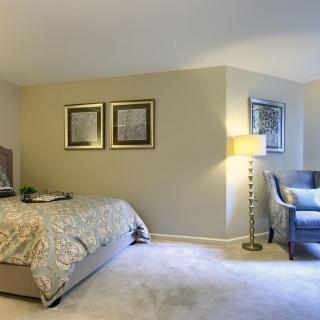
    • pro The environment is warm, homelike, clean, and well-run.
    • pro Staff are noted for going above and beyond, showing compassion and dedication through challenges and holidays alike.

    Cons

    • pro The reviewer notes that the first placement looked appealing, but the level of care there was inconsistent at best.
    • pro It was observed that the mother sometimes soiled herself and required an aide to change her diaper, which was distressing for the family.
    • pro Personal belongings occasionally disappeared from residents' rooms, with items bought for them going missing.
    • pro A resident reportedly grumbled, "They never let us sit," indicating a lack of opportunities for comfortable engagement.
    • pro In one account, items clearly not belonging to a resident were found in the mother's room, suggesting misplacement or intrusion.

    Review

    Rochester Presbyterian Home is best suited for seniors who need memory?care level support within a small, intimate setting that feels like home. This community excels for families who want a warm, person?directed approach to care, where staff know residents well and daily life is structured around autonomy, dignity, and meaningful engagement. It is particularly strong for those who value regular access to on?site clinical staff, consistent communication with families, and a faith?affirming, Presbyterian?leaning environment that still feels comfortable for non?religious residents. For families seeking a larger campus, a more independent lifestyle, or aSetting with less emphasis on memory?care protocols, alternatives deserve consideration.

    The standout advantages are clear and substantial. The staff culture runs through every level of operation, from administration to front?line aides, with frequent notes about kindness, attentiveness, and genuine warmth. Families repeatedly describe care that feels cooperative and open, with administrators who are reachable and responsive. The memory?care floors are staffed to provide substantial supervision and engagement, and the resident community benefits from a robust slate of activities - trips, music, movies, and programs designed to include residents across cognitive ability. On?site chapels and weekly worship services, plus the sense that care teams genuinely treat residents as if they are family, make the days feel purposeful rather than institutional. The setting's security, predictable routines, and 24/7 parent?like access for families reinforce the peace of mind that caregivers crave.

    Nonetheless, there are realities to weigh. A recurring caveat in the feedback is the possibility of occasional lapses in personal belongings or privacy, with a few past anecdotes describing items going missing. Some reviews touch on the demanding nature of dementia care, acknowledging that intimate personal hygiene needs in advanced stages can pose challenges and require ongoing staff intervention. These are not presented as systemic flaws, but as points to monitor for any family evaluating the level of support for an individual with advanced or complex needs. A few outsiders have characterized the Eden?style emphasis on constant activity as potentially busy; however, that same philosophy keeps residents engaged and connected, which many families view as a core strength rather than a drawback.

    Those pros largely offset the occasional concerns through the realities of what the community promises and delivers. The intimate size of the home supports individualized attention, enabling staff to tailor activities and care plans to each resident's history, preferences, and evolving needs. The Eden Alternative framework shifts care away from a cold, one?size?fits?all model toward a more dignified, person?centered experience, which residents consistently highlight as the defining feature. The on?site medical and nursing presence reduces hospital transfers, while frequent family touchpoints - updates, direct access for questions, and transparent problem?resolution - build lasting trust. When evaluated against alternatives, the combination of warmth, engagement, safety, and spiritual accommodations makes the offsetting of any negatives particularly compelling.

    This community is especially well?suited for families who want memory care that remains deeply human. Prospective residents should plan a tour with an eye toward the daily rhythm of life, the degree of staff continuity, the availability of on?site clinicians, and the ways family members can participate in care decisions. Potential residents or families should verify the level of care for advanced dementia on the specific floor, ask about how personal belongings are safeguarded, and explore the process for addressing concerns if they arise. For those who prize a home-like atmosphere, predictable routines, and a culture of care that feels more like a family than a facility, Rochester Presbyterian Home stands out as a strong, credible choice.

    In sum, Rochester Presbyterian Home offers a thoughtful, well?run environment that consistently earns high marks for warmth, care, and meaningful engagement. It is a persuasive match for loved ones who need steady memory?care support but also crave autonomy within a homelike setting, with staff who truly treat residents as beloved members of a community. Alternatives are best considered for families seeking a larger campus, more independent living options, or a setting that emphasizes different spiritual or cultural orientations. For memory care done with humanity, transparency, and a genuinely homey feel, RPH stands among the strongest options in the Rochester area.

    Features

    Types of Care

    • Assisted Living Assisted LivingAssisted living facilities provide crucial support and care for seniors who may need help with daily tasks such as medication management, bathing, and meal preparation. These communities offer a safe and comfortable environment where seniors can maintain their independence while receiving the assistance they need to thrive in their golden years.
    • Memory Care Memory CareMemory care is crucial for seniors as it provides specialized support and services for individuals with dementia or Alzheimer's disease. These programs offer a safe and secure environment where residents receive personalized care, cognitive stimulation, and help with daily activities. Memory care helps seniors maintain their independence, quality of life, and dignity while also providing peace of mind for their families.

    Amenities

    • Activities on-site Activities on-siteActivities on-site are important for seniors because they provide opportunities for socialization, mental stimulation, physical activity, and overall well-being. Engaging in activities can help seniors stay active, maintain their independence, and improve their quality of life.
    • Beautician on-site Beautician on-siteHaving a beautician on-site at a senior living community is important for seniors as it allows them to easily access grooming and personal care services, boosting their self-esteem and overall well-being. It also provides convenience and helps seniors maintain their sense of independence and personal style.
    • Devotional services off-site Devotional services off-siteDevotional services off-site are important for seniors as they provide spiritual nourishment, social engagement, and a sense of community outside of the senior living facility. This can enhance overall well-being and help combat feelings of isolation and loneliness often experienced by older adults.
    • Devotional services on-site Devotional services on-siteDevotional services on-site provide seniors with spiritual support and a sense of community, as well as an opportunity for reflection and guidance during their senior living experience. This can promote emotional well-being and connection to others, leading to a more fulfilling and enriching lifestyle in their later years.
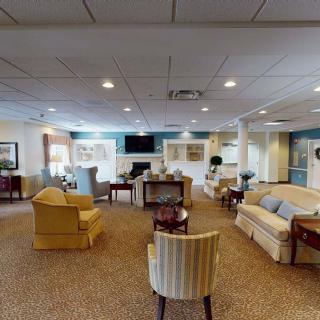
    • Indoor common areas Indoor common areasIndoor common areas are crucial for seniors as they provide a space for socialization, recreation, and community engagement, promoting overall well-being and reducing feelings of isolation and loneliness.
    • Respite or short term stays offered Respite or short term stays offeredRespite or short term stays provide seniors with a temporary solution when their regular caregiver is unavailable, offering them the opportunity to receive additional care and support during times of need, while also giving caregivers a chance to rest and recharge.
    • Wheelchair accessible showers Wheelchair accessible showersWheelchair accessible showers are crucial for seniors as they provide a safe and independent bathing option for those with mobility challenges. These showers help prevent falls and allow seniors to maintain their dignity and autonomy while ensuring they can bathe comfortably.
    • Wi-Fi/high-speed internet available Wi-Fi/high-speed internet availableWi-Fi/high-speed internet is important for seniors to stay connected with loved ones, access online resources, and participate in virtual activities to combat feelings of loneliness and isolation. It also allows them to easily manage healthcare needs, access entertainment, and engage in lifelong learning opportunities.

    Transportation

    • Greater Rochester International (2 miles away) Greater Rochester International (2 miles away)

    Care Services

    • Ambulatory care Ambulatory care"Ambulatory care services provide essential medical support and treatment to seniors without requiring hospitalization, allowing them to maintain their independence and quality of life while managing chronic conditions or receiving routine medical care."
    • Diabetic care Diabetic careDiabetic care is crucial for seniors as they are more susceptible to developing diabetes due to aging and other health conditions. Proper management of diabetes can help prevent complications such as heart disease, vision loss, and nerve damage, improving the overall quality of life for seniors in senior living communities.
    • High acuity care High acuity careHigh acuity care is important for seniors because it provides specialized medical attention and support for individuals with complex medical needs. This level of care ensures that seniors receive the appropriate treatment and assistance to maintain their health and quality of life as they age.
    • Incontinence care Incontinence careIncontinence care is essential for seniors to maintain their dignity, hygiene, and overall quality of life. By addressing incontinence issues promptly and effectively, seniors can enjoy a sense of independence and comfort in their daily activities.
    • Medication management Medication managementMedication management is crucial for seniors to ensure they are taking the right medications at the correct dosages and times. This helps prevent adverse drug interactions, reduces the risk of medication errors, and promotes overall health and well-being. Proactive management also allows for adjustments as needed based on changing health conditions or new prescriptions.

    Dining

    • Low / no sodium Low / no sodiumLow/no sodium options are important for seniors because excessive sodium intake can lead to high blood pressure, heart disease, and other health issues commonly experienced by older adults. By choosing low/no sodium foods, seniors can better manage their health and reduce their risk of developing these conditions.
    • Meals provided Meals provided"Meals provided" are crucial for seniors in assisted living communities as it ensures they have access to nutritious, balanced meals without the stress of meal planning and preparation. This can help promote overall health and well-being for seniors who may have limited mobility or cognitive abilities.
    • No Sugar No SugarNo sugar diets are important for seniors because they can help prevent or manage chronic conditions such as diabetes, heart disease, and obesity. Sugar can also contribute to cognitive decline and inflammation in the body, so reducing sugar intake can lead to overall improved health and well-being in older adults.
    • Special dining programs Special dining programsSpecial dining programs are important for seniors because they provide nutritious meals tailored to their dietary needs and preferences. These programs also offer socialization opportunities, promote overall health and well-being, and can help prevent malnutrition.

    Activities

    • Activities on-site Activities on-siteActivities on-site are important for seniors because they provide opportunities for socialization, mental stimulation, physical activity, and overall well-being. Engaging in activities can help seniors stay active, maintain their independence, and improve their quality of life.
    • BBQs or picnics BBQs or picnicsBBQs or picnics provide seniors with social interaction, enjoyment of the outdoors, and a sense of community, contributing to their overall well-being and quality of life.
    • Day trips and outings Day trips and outingsDay trips and outings are important for seniors as they provide opportunities for socialization, mental stimulation, physical activity, and a break from daily routines. These experiences can enhance overall well-being and quality of life for older adults living in senior communities.
    • Devotional activities offsite Devotional activities offsiteDevotional activities offsite are important for seniors because they provide social engagement, spiritual growth, and a sense of community outside of their living environment. This can improve overall well-being, mental health, and combat feelings of isolation or loneliness.
    • Devotional activities on-site Devotional activities on-siteDevotional activities on-site provide seniors with a sense of community, spiritual fulfillment, and emotional support, promoting overall well-being and a positive sense of purpose in their lives.
    • Intergenerational programs Intergenerational programsIntergenerational programs are important for seniors because they provide social interaction, mental stimulation, and a sense of purpose. These programs allow seniors to connect with younger generations, share their wisdom and experiences, and maintain a sense of belonging in the community. This can help reduce feelings of isolation, improve cognitive function, and promote overall well-being in older adults.
    • Live musical performances Live musical performancesLive musical performances can provide seniors with a sense of joy, nostalgia, and connection. Music has the power to evoke emotions and memories, improve mood and cognitive function, and foster social interaction among seniors. It can also serve as a form of therapy and stress relief for older adults, making it an important activity to include in senior living communities.
    • Other religious services Other religious servicesOther religious services are important for seniors as they provide a sense of community, spiritual comfort, and opportunities for socializing. These services can help seniors feel connected to their faith and maintain a sense of purpose and belonging in their later years.
    • Protestant services Protestant servicesProtestant services are important for seniors because they provide spiritual nourishment, community support, and a sense of belonging. These services can help seniors connect with others who share their faith, find comfort and guidance in times of need, and maintain a sense of purpose and fulfillment in their later years.
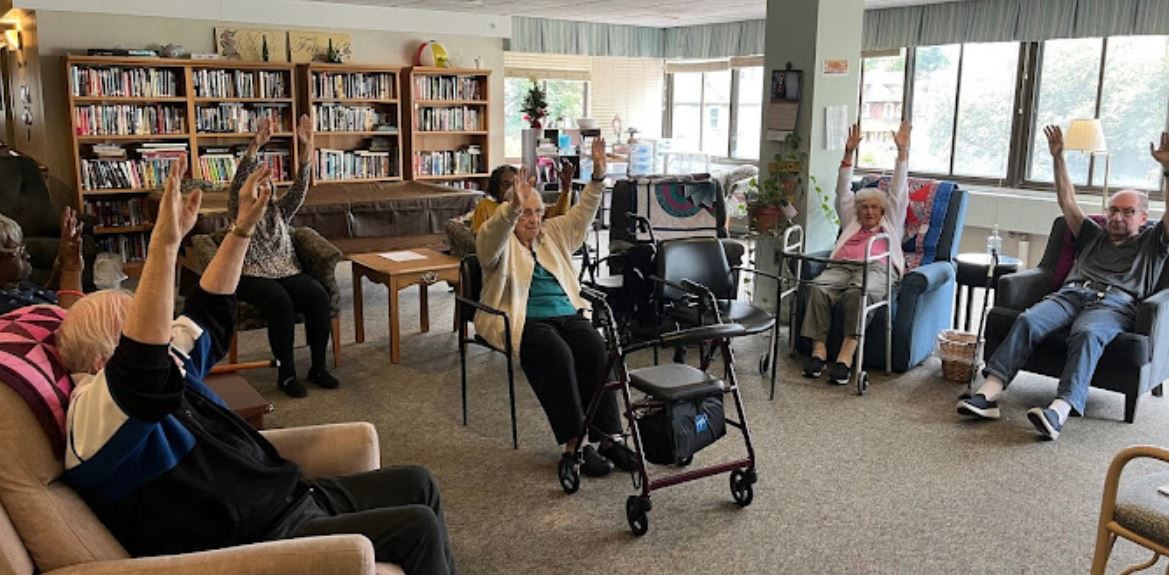
    • Stretching classes Stretching classesStretching classes are important for seniors because they help improve flexibility, reduce the risk of injury, and promote overall health and well-being. Regular stretching can also help alleviate joint pain and stiffness, enhance balance and coordination, and increase range of motion.
    • Visiting chaplain or priest Visiting chaplain or priestHaving a visiting chaplain or priest at a senior living community is important for seniors because it provides spiritual support, comfort, and guidance during a time of life that can be challenging and uncertain. Their presence can help seniors feel connected to their faith, find peace of mind, and cope with the emotional and mental struggles they may face in their later years.

    Description

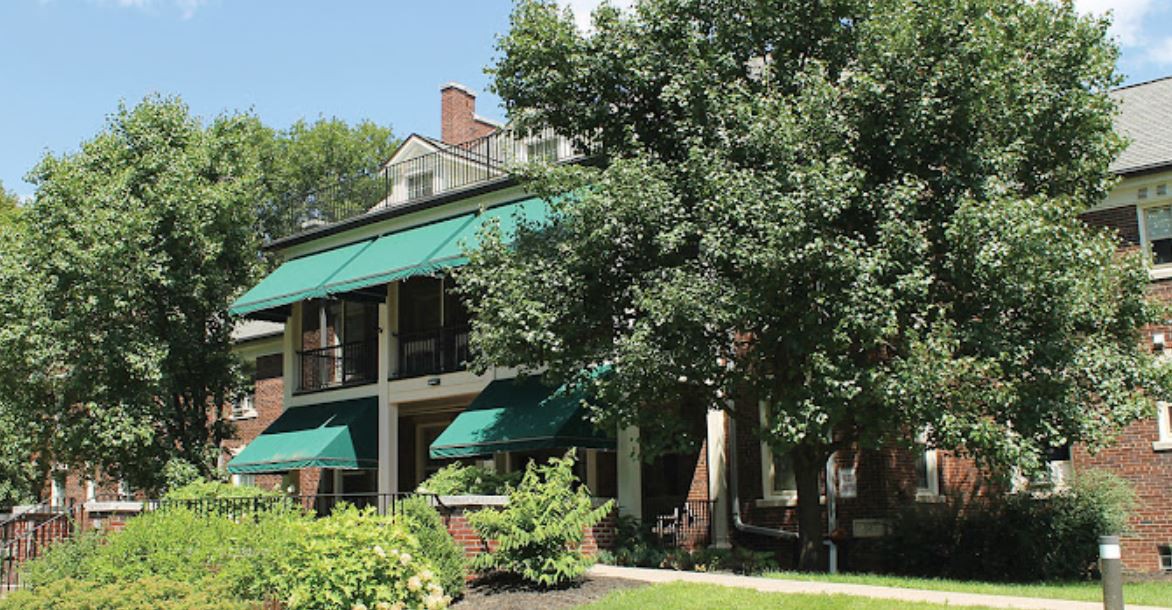
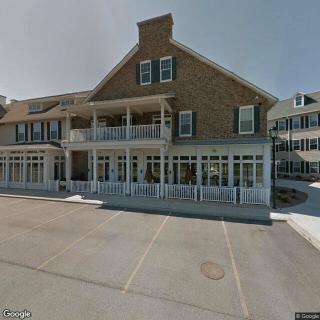
    Located in Rochester, NY, the Rochester Presbyterian Home is an assisted living community that specializes in Memory Care. Our dedicated staff provides personalized care for seniors who are dealing with memory loss or cognitive impairments.

    Our community offers a range of amenities to ensure the comfort and well-being of our residents. We have a beautician on-site, so residents can easily access haircuts and salon services. Devotional services are available both on-site and off-site, allowing residents to practice their faith. Our indoor common areas provide spaces for socializing and relaxation. We also offer respite or short-term stays for those who need temporary assistance.

    At Rochester Presbyterian Home, we prioritize accessibility for all residents. We have wheelchair accessible showers to accommodate individuals with mobility challenges. Additionally, high-speed Wi-Fi is available throughout the community, allowing residents to stay connected with their loved ones.

    The care services at Rochester Presbyterian Home are comprehensive and tailored to individual needs. Our skilled staff provides diabetic care and medication management to ensure the health and safety of our residents. We offer high acuity care for those with more complex medical needs as well as specialized incontinence care.

    Dining at our community is an enjoyable experience with nutritious meals provided daily. We cater to dietary restrictions such as no sugar diets, ensuring that all individual needs are met. Special dining programs are offered to make mealtimes both delicious and engaging.

    Staying active and engaged is important at Rochester Presbyterian Home, which is why we offer a variety of activities for our residents to enjoy. From BBQs and picnics to day trips and outings, there are plenty of opportunities for socialization and exploration. Devotional activities both on-site and off-site allow residents to nurture their spirituality. Intergenerational programs foster connections between different generations, while live musical performances add joy and entertainment to our community.

    Our location provides convenient access to various amenities outside the community. There are 9 cafes, 4 parks, 14 pharmacies, and 36 physicians nearby. For dining options, residents have a choice of 26 restaurants in the vicinity. Transportation services are available for easy access to these amenities. Additionally, there is a place of worship and multiple hospitals located conveniently close by.

    At Rochester Presbyterian Home, we strive to create a warm and supportive environment where seniors with memory care needs can thrive. Our comprehensive care services, array of amenities, and engaging activities make our community an ideal choice for older adults seeking quality assisted living in Rochester, NY.

    Nearby Places of Interest

    This area of Rochester, New York, offers a variety of amenities and services that cater to the needs of seniors. With several pharmacies in close proximity, accessing medications and healthcare essentials is convenient. The presence of hospitals, physicians' offices, and medical centers nearby ensures easy access to healthcare services. Parks like Genesee Valley Park and Highland Park provide opportunities for outdoor activities and relaxation. Additionally, there are plenty of cafes and restaurants offering diverse dining options. Places of worship like Artisan Church cater to spiritual needs within the community. Overall, this area provides a well-rounded environment for senior living with easy access to essential services and recreational facilities.

    Pharmacies

    • Walgreens (0.6 miles)
    • Genesee Campus Apothec (0.9 miles)
    • Walgreens (1.1 miles)
    • Walgreens (1.8 miles)
    • CVS Pharmacy (2 miles)
    • Highland Hospital Pharmacy (2.2 miles)
    • Wegmans (2.5 miles)

    Transportation

    • Greater Rochester International Airport (ROC) (1 miles)
    • Amtrak (2.7 miles)

    Parks

    • Genesee Valley Park (1.5 miles)
    • Highland Park (2.2 miles)
    • Martin Luther King Jr Memorial Park at Manhattan Square (2.6 miles)
    • Cobbs Hill Park (3.8 miles)

    Cafes

    • 1872 Cafe (1.6 miles)
    • Starbucks (2 miles)
    • Starbucks (2 miles)
    • Tim Hortons (2.4 miles)
    • Java's Cafe (2.7 miles)
    • Ugly Duck Coffee (2.9 miles)
    • Locals Only (3 miles)

    Hospitals

    • University Of Rochester Medical Center Surg/Path Lab (1.7 miles)
    • Neuro ICU 8-1200 (1.8 miles)
    • SMH Nicu (1.8 miles)
    • Strong Memorial Hospital - Cardiology (1.8 miles)
    • James P Wilmot Cancer Center (1.9 miles)
    • Highland Hospital (2.2 miles)
    • URMC Sawgrass Surgical Center (2.7 miles)

    Physicians

    • Strong Neurology (1.8 miles)
    • Rochester Colon & Rectal Surgeons (2 miles)
    • Orthopaedics - Chili (2.1 miles)
    • Pain Management Center (2.2 miles)
    • Urmc Pediatric Neurology (2.2 miles)
    • Highland Hospital Radiation/Oncology (2.3 miles)
    • Science Park (2.3 miles)

    Restaurants

    • McDonald's (1.9 miles)
    • Pellegrino's Deli Cafe (1.9 miles)
    • The Distillery (1.9 miles)
    • The Beer Market (2 miles)
    • McDonald's (2 miles)
    • The Vesper (2.3 miles)
    • Genesee Brewhouse (2.4 miles)

    Places of Worship

    • Artisan Church (2.9 miles)

    Frequently Asked Questions

    How much does it cost to live at Rochester Presbyterian Home in Rochester, NY?
    Where is Rochester Presbyterian Home?
    Does Rochester Presbyterian Home provide care for residents with dementia or Alzheimer's disease?
    What photos are available for Rochester Presbyterian Home in Rochester, New York?

    Nearby Communities

    • Rochester Presbyterian Home- The Homestead

      Rochester Presbyterian Home- The Homestead

      Rochester, NY

      4.5 from 34 reviews
       

      pro Caring staff in a warm, home-like environment with memory-care support.
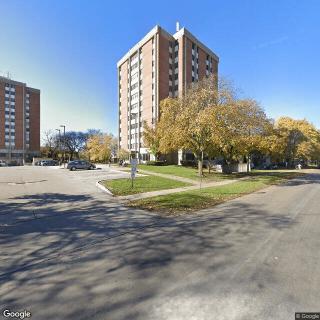

    • Family Srvs/Rochester Ehp1 Danforth Towers East

      Family Srvs/Rochester Ehp1 Danforth Towers East

      Rochester, NY

      1 from 1 review
       

      pro Assisted living with diabetic care and indoor social spaces; access to a wide range of nearby amenities (cafes, pharmacies, physicians, hospitals, restaurants, places of worship).

    • Danforth Towers Apartments

      Danforth Towers Apartments

      Rochester, NY

      3.5 from 11 reviews
       

      pro 24-hour supervision with diabetes care and restaurant-style dining.

    • Unity Living Center

      Unity Living Center

      Rochester, NY

      4 from 1 review
       

      pro Clean facility with good dining and reliable on-site healthcare.

    • Jonathan Child Apartments

      Jonathan Child Apartments

      Rochester, NY

      5 from 1 review
       

      pro 24/7 supervision with ADL support, restaurant-style dining, and on-site activities.

    • Jack Kenny Memorial Housing

      Jack Kenny Memorial Housing

      Rochester, NY

      4.2 from 13 reviews
      $2,800 to $3,200 / month

      pro Affordable pricing with strong access to nearby amenities (cafes, parks, pharmacies, hospitals, restaurants).

    • Brickstone by St Johns

      Brickstone by St Johns

      Rochester, NY

      4.7 from 52 reviews
       

      pro Independent living with optional assistance and diabetic care

    • The Gables of Brighton

      The Gables of Brighton

      Rochester, NY

      4.2 from 106 reviews
      $2,430 to $3,575 / month

      pro Caring staff, clean environment, and spacious, well-equipped apartments with activities.

    • Dunn Tower II

      Dunn Tower II

      Rochester, NY

      3.7 from 11 reviews
       

      pro High?standard, reputable retirement community with courteous staff and a willingness to reconsider applications.

    Related Resources

    • active senior livingVibrant Senior Living: A Comprehensive Guide for Active Older Adults

      Vibrant Senior Living emphasizes active senior living communities that promote independence and engagement through diverse amenities and activities, fostering wellness and social interaction among older adults. These communities range from independent to assisted living, with a focus on personal growth, family involvement, financial planning, and leveraging technology to enhance residents' experiences.

    • assisted living vs memory careAssisted Living and Memory Care: Understanding Their Core Differences

      Assisted living provides moderate support for seniors seeking independence, while memory care offers specialized support for individuals with dementia or cognitive impairments through structured routines and trained staff. Key differences include care approaches, environment security measures, staff training levels, activity types, and cost considerations.

    • assisted living vs nursing homeChoosing the Right Senior Care: A Detailed Exploration of Assisted Living and Nursing Homes
      Choosing between assisted living and nursing homes involves evaluating emotional and financial factors, with assisted living offering independence and support for daily activities at a lower cost, while nursing homes provide intensive medical care for individuals with significant health needs. The decision is influenced by personal preferences, health status, cognitive function, and varying Medicaid coverage across states.


    Get Pricing Ask A Question Schedule A Tour Contact Senior Advisor