
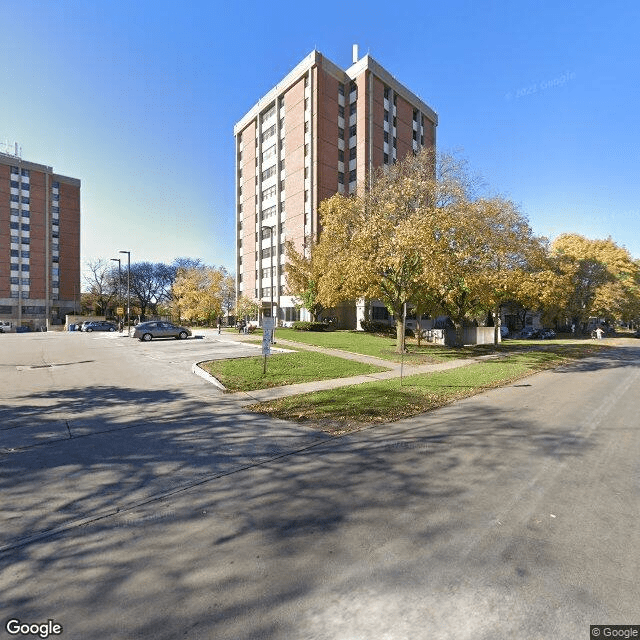
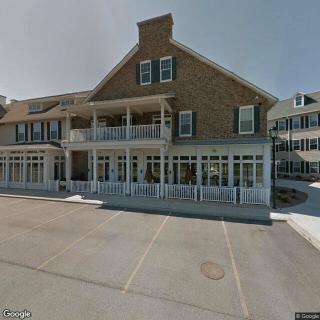
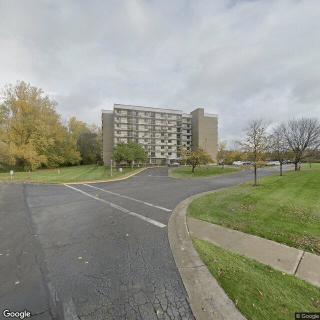
140 W Avenue, Rochester, NY 14611
To contact a resident: (585) 481-9400
For more information about senior living options: (866) 208-4318
Overall Review of Family Srvs/Rochester Ehp1 Danforth Towers East
Pros
 The program aims to help a large number of participants.
- The reviewer notes a strong commitment to serving many people.
- There is evident dedication to assisting individuals in the program.
- The overall message reflects goodwill toward those seeking help.
- The initiative is driven by a sincere effort to support numerous participants.
Cons
 The service is very poor.
- There are too many people on the program, and they can't take care of them all.
- The reviewer gives one or two stars.
Review
This Rochester community is best suited for seniors who require very little daily support and can tolerate uneven, less reliable service. The sole review available describes a setting stretched by high enrollment, with staff spread thin and insufficient, consistent attention for each resident. For individuals who prioritize affordability while accepting a higher likelihood of gaps in care, this option might seem appealing at first glance, but the implications for safety, dignity, and daily peace of mind are substantial. This is not a place to rely on for predictable, proactive caregiving.
Anyone prioritizing dependable support, predictable routines, and responsive care should seriously consider alternatives. Facilities with transparent staffing, smaller resident loads, and clearly documented care plans offer far stronger assurances of timely assistance and individualized attention. If budget is a concern, the comparison must include total costs and the hidden price of slower responses or missed calls. In short, this option functions more as a temporary stopgap than a long-term solution for families seeking consistent, high-quality care.
Regarding potential strengths, none are evident in the available feedback. The review provides no evidence of meaningful advantages, no highlighted amenities, staff stability, or proven positive outcomes. Without any documented positives, the major downside, overcapacity and stretched caregiving capacity, dominates the impression. The absence of a favorable balance between what residents receive and what is promised makes any potential savings or convenience unlikely to materialize as real value. The main con clearly overwhelms any unproven benefits.
Families evaluating this option should demand concrete evidence before committing. Arrange a tour during peak activity to observe how staff manage multiple residents, how quickly requests are acknowledged, and whether caregivers appear engaged rather than overwhelmed. Request the latest staffing ratios, turnover rates, and a sample weekly care plan. Speak with current residents or families about response times, medication administration, and consistency of daily routines. Compare marketing materials with real-world outcomes, and verify whether wraparound services or external supports exist to supplement gaps. A candid reality check now prevents future disappointment and costly relocations.
Prepare for the practical reality that under-staffed environments depend on expectations more than delivered care. Investigate meal regularity, cleanliness, safety checks, and how emergency calls are prioritized. Look into transportation, activity programming, and social engagement during busy periods to determine whether residents still receive meaningful opportunities. If proceeding, secure a clearly defined care plan with performance benchmarks, escalation procedures, and routine reviews. Establish a plan for supplemental support, such as home health aides or family-provided assistance, to fill gaps the facility may not consistently cover. This proactive planning sharpens the decision and reduces later frustration.
Bottom line: based on a single strongly negative review highlighting overcapacity and unreliable service, this community does not emerge as a recommended primary choice for most seniors. It may be considered only for those who can tolerate limited, inconsistent care and who have robust external supports to compensate. For the majority, prioritize facilities with transparent staffing, proven caregiving consistency, and positive resident feedback. When in doubt, broaden the search to nearby options with stronger track records and clearer commitment to reliable, attentive care. A disciplined evaluation, focusing on staffing stability, response times, and care plans, will yield a safer, more predictable outcome for a loved one.
 Assisted Living
 Activities on-site
 Devotional services off-site
 Indoor common areas
 Greater Rochester International (3 miles away)
 Ambulatory care
 Diabetic care
 Meals provided



 Medicare Coverage for Assisted Living: An In-Depth Exploration
 Choosing the Right Senior Care: A Detailed Exploration of Assisted Living and Nursing Homes
 Understanding the True Cost of Assisted Living in 2025: A Comprehensive Guide