
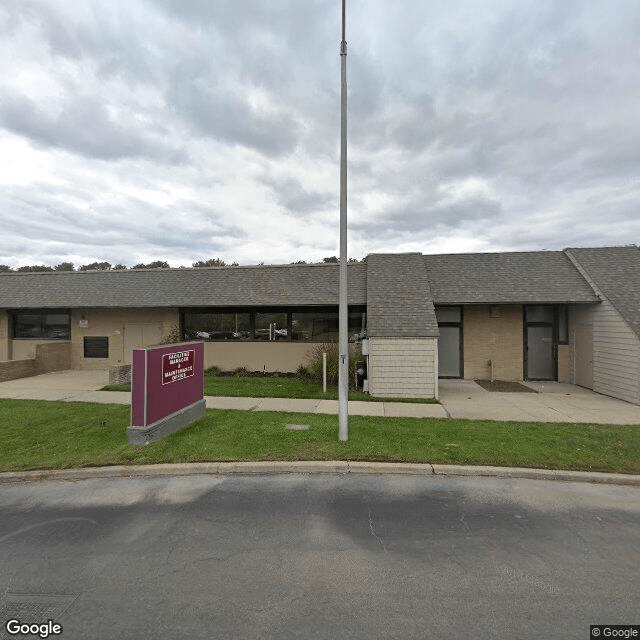
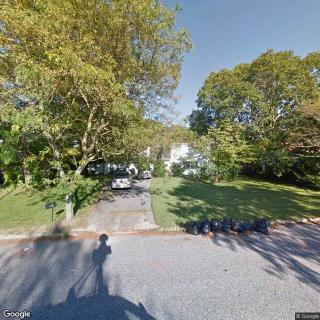
3239 Route 112 Building 8, Medford, NY 11763
To contact a resident: (631) 561-0028
For more information about senior living options: (866) 208-4318
SeniorBridge - Medford, NY Costs & Pricing
At SeniorBridge in Medford, NY, the monthly cost for a private room is $4,244. This amount is slightly above the average for Suffolk County, which stands at $4,234, indicating that SeniorBridge offers competitively priced accommodations within the local context. However, when compared to the overall state average of $5,159 in New York, SeniorBridge presents a more affordable option for those seeking quality care in a private setting. This pricing structure reflects both the regional market dynamics and the organization's commitment to providing accessible senior living solutions tailored to individual needs.
| Floor plans | SeniorBridge - Medford, NY | Suffolk County | New York |
|---|---|---|---|
| Private | $4,244 | $4,234 | $5,159 |
Senior living communities with a similar price nearby
-
from +$551 / mo
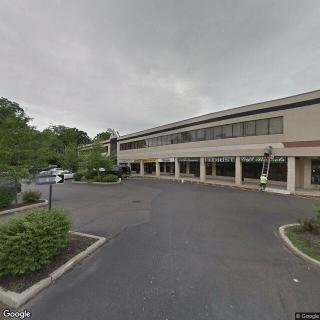
Home Instead Senior Care - Hauppauge, NY
$4,795 to $9,895 / month11.8 miles away -
from -$744 / mo

Pleasantview Home for Adults
$3,500 to $6,500 / month14.8 miles away -
from +$556 / mo

The Bristal At Sayville
$4,800 to $9,600 / month7.7 miles away -
from +$306 / mo

Whisper Woods of Smithtown
$4,550 to $6,650 / month12.5 miles away -
from +$156 / mo

The Bristal at Holtsville
$4,400 to $8,100 / month1.9 miles away
Overall Review of SeniorBridge - Medford, NY
Pros
 Nice size apartment for the price.
Cons
 The property is poorly managed, with repairs that can take months and supplies rarely in stock.
- The management is accused of “robbing Peter to pay Paul.”
- There is only one maintenance technician to handle all tasks.
- Some neighbors are very questionable.
- The staff is unprofessional, especially when handling inquiries.
Review
SeniorBridge Medford is best suited for seniors who need affordable housing with genuinely decent living space and who can tolerate a lean, less supervised operations model. The apartments themselves offer a comfortable footprint for the price, which matters for residents trying to stretch fixed incomes without sacrificing room to move, store belongings, or entertain guests. This is not a luxury setting; it will appeal to those who prioritize cost efficiency over high-touch service, handholding, or extensive on-site programming. In practical terms, the space-and-price combination is the primary attraction, and the trade-off is a background where maintenance and management responsiveness are not the priorities.
Those who should explicitly consider alternatives include anyone who depends on reliable, timely maintenance and strong administrative support. Families and residents who need a consistently professional customer service experience should look elsewhere. The reviews highlight unprofessional interactions and a general sense of service softness, suggesting a culture where problems are not rapidly prioritized. For seniors who require regular assistance, medication oversight, or visible, proactive safety oversight, this facility is unlikely to deliver the level of reliability and oversight that higher-tier communities promise.
On the upside, the apartment sizes offer real value for the price, delivering breathing room that can ease daily living and accommodate a broad range of furnishings and activities. This is meaningful for residents who want functional space without negotiating a steep rent increase. The cost savings can be redirected toward personal care, transportation, or customized in-home supports that residents arrange themselves. Yet these advantages are undermined by operational fragility: maintenance requests tend to face long delays, and supply shortages compound everyday inconveniences. The impression of financial juggling within the operation further erodes trust that the community can sustain consistent service, turning a practical perk into a potential source of ongoing frustration.
The core negatives are concrete and persistent: poorly managed operations, slow or delayed maintenance, and limited response capacity because there is only one maintenance technician covering the property. Coupled with concerns about the social environment, neighbors described as questionable, these factors raise real concerns about safety, community feel, and the ability to keep equipment and facilities in reliable working order. Communications about inquiries or requests are labeled unprofessional by some, which compounds a sense that resident needs may be deprioritized. Taken together, the drawbacks significantly offset the apartment’s value, translating into a living experience that may feel unstable or under-supported over time.
Despite the flaws, decisions should hinge on individual priorities. If budget is the absolute driver and the resident can supervise repairs, tolerate gaps in supply, and accept a less polished service presence, the option remains viable. For families with higher expectations around timely maintenance, safety guarantees, and consistent staff responsiveness, it is prudent to explore other communities first. Prospective renters should demand clear maintenance timelines, clarify what rent covers, and investigate the process for urgent repairs. Speaking with current residents to gauge daily reliability and consistency of service can reveal patterns not evident in marketing or initial tours. Have a concrete plan for communication and escalation if problems arise.
In the end, SeniorBridge Medford serves a narrow segment: those who want affordable, decently sized apartments and can accept lean management and slower maintenance. The main cons, slow repairs, supply constraints, and a sense of financially stressed operations, substantially diminish the value proposition for most families evaluating assisted living options. Alternatives with stronger management, more responsive maintenance, and clearer safety assurances should be prioritized for nearly any resident who can choose. If the budget truly cannot stretch further and the resident is equipped to handle a less assisted, more self-directed environment, this community may fit as a last-resort option, but only after thorough on-site evaluation and decisive confirmation of service expectations.
 Long Island - MacArthur (6 miles away)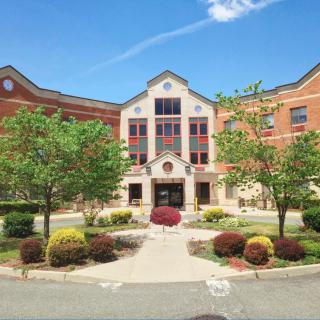


 Understanding the Full Cost of 24/7 In-Home Care: A Detailed Overview
 Exploring the World of Home Health Nurses: Qualifications, Roles, and Hiring Tips
 Navigating Medicare Coverage for In-Home Care Services