
373 Canisteo Street, Hornell, NY 14843
To contact a resident: (607) 968-8193
For more information about senior living options: (866) 208-4318
Overall Review of Lincoln Gardens Senior Living Community
Cons
 The place needs to be cleaned up.
- It is running rapid with COVID, and no one has tried to get it out of there.
- So many people have been hospitalized for COVID and don't isolate themselves.
- When they get out of the hospital and go back, they end up right back in the hospital.
Review
Lincoln Gardens Senior Living Community in Hornell, NY is best suited for families that must choose a budget-conscious option and can tolerate a lean operation where daily conditions require close oversight. The single, pointed critique indicates ongoing cleanliness and basic-safety gaps that could affect daily quality of life. In practical terms, this is a community for residents who are relatively independent, with an understanding that housekeeping, maintenance, and oversight may not meet higher expectations. It is not presented as a premium care setting, but rather as a more affordable choice where monitoring by family or a trusted advocate becomes part of the care plan.
Alternatives to consider are communities with demonstrable strengths in housekeeping, prompt maintenance, and proactive care management. Families should prioritize facilities with multiple independent reviews highlighting clean environments, consistent staffing, and transparent maintenance routines. Look for places where there is a track record of reducing avoidable health issues through better space management, clearer resident oversight, and visible accountability from leadership. In short, seek options that combine reasonable cost with reliable daily operations and tangible safety practices.
The core concerns raised by the available feedback center on cleanliness and a potential infection-control risk. The reviewer describes a need for cleanup and notes a pattern of hospitalizations linked to inadequate isolation and containment within the facility. Practically, this translates into a higher-risk environment for residents with health vulnerabilities, where cross-contamination and ongoing maintenance gaps could undermine stability and wellbeing. These issues are not trivial; they define the day-to-day experience and have direct implications for safety, comfort, and peace of mind. The absence of clearly documented mitigations or timely improvements amplifies the seriousness of the risk.
In terms of balancing factors, there are no clearly identified positives within the provided feedback to offset the main concerns. Without explicit advantages, such as consistently tidy spaces, strong housekeeping leadership, or proactive problem-solving, the negatives dominate the decision calculus. Even if amenities or social programming exist, they would have to be exceptionally compelling to counterbalance persistent cleanliness lapses and potential safety shortcomings. The review does not supply a counterweight strong enough to change the practical conclusion: the risks materially influence suitability for most seniors, particularly those needing dependable daily management.
For families evaluating options, concrete diligence is essential. When visiting, place heavy emphasis on how cleaning is performed, how often touchpoints are disinfected, and how housekeeping quality is assured across rooms, common areas, and dining spaces. Probe the maintenance response times and whether there is a transparent, trackable schedule for repairs. Inquire about current staffing stability, leadership accountability, and how resident concerns are escalated and resolved. Request copies of the latest health and safety inspections, incident reports, and any corrective action plans. Speak with current residents and their families about their lived experience, with a focus on cleanliness, responsiveness, and overall safety culture.
The bottom line is clear: the reported cleanliness and safety concerns create a serious red flag that cannot be ignored. Unless a family is prepared to implement rigorous oversight, regular oversight visits, and a contingency plan in the event conditions do not improve, higher-performing alternatives should be prioritized. If Lincoln Gardens is still in consideration, approach it with a disciplined, risk-aware framework: demand visible, sustained improvements, insist on transparent reporting, and set firm benchmarks for cleanliness and resident safety. The choice should be grounded in credible, ongoing assurance that daily living will be clean, safe, and well-managed.
 Active Adult Communities (55+)
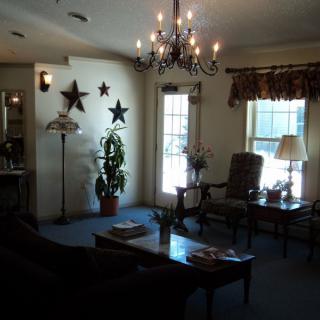
 Comprehensive care with 24-hour supervision, ADL support, medication management, diabetes diet, transportation to medical appointments, and engaging daily activities; plus amenities like dining room, garden, fully furnished spaces, housekeeping, move-in coordination, Wi-Fi, and telephone.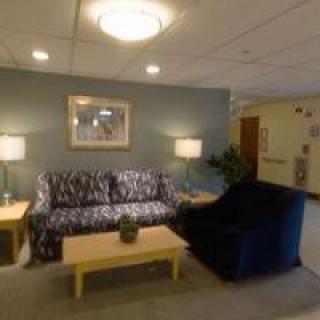
 A Detailed Examination of Nursing Home Costs Across the U.S.
 Exploring Nonmedical Home Care: Understanding Services, Costs, and Financial Approaches
 Engaging Brain Games and Innovative Apps to Keep Senior Minds Active