




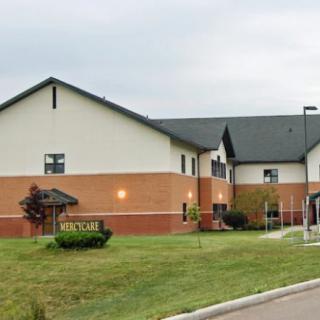
434 Monroe Avenue, Hornell, NY 14843
For more information about senior living options: (866) 208-4318
Overall Review of Hornell Gardens
Pros
 The staff, especially Jen and Amanda, are extremely helpful and accommodating.
- They made every effort to allow family visits with Covid precautions.
- The RN and CNAs are consistently friendly and caring toward residents.
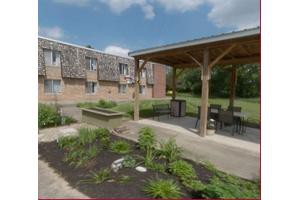
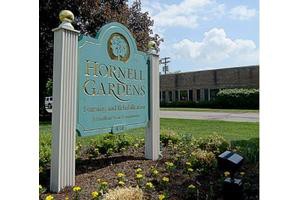
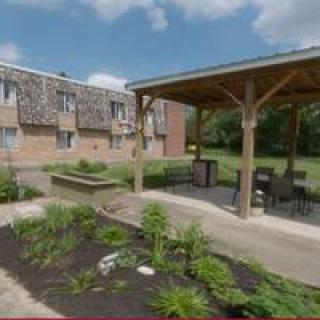
- They provide educational and recreational activities and have gardens for residents.
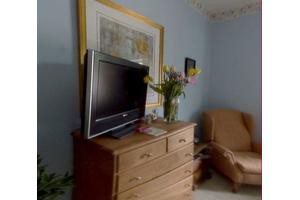
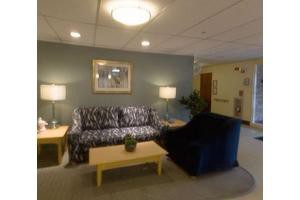
- The staff create a warm, home-like atmosphere with good care.
- They allow residents to visit with small dogs, which residents enjoy.
- Therapy is fantastic.
Cons
 The facility lost all of the resident’s mother’s clothes.
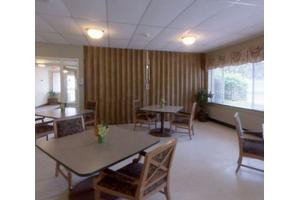
- The food is horrible and worse than jail food.
- The facility allowed residents to assault the resident’s mother.
- Aides left the resident in a bedpan for hours and were verbally and physically abusive.
- The facility is filthy.
- The facility does not follow COVID safety protocols.
- The facility is like a prison.
- There is head lice in the facility.
- Aides are not doing a good job of showering and cleaning the patients.
- The aides are not compassionate or caring and are too interested in their personal lives and phones.
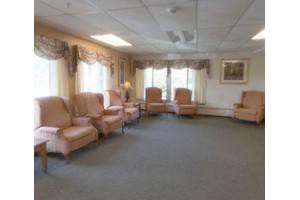
- The second floor Day Room is dirty and disgusting.
- Weekends are a joke due to not enough help on the second floor.
- Beds are only changed on shower days.
- There are not enough nurses for the ratio of patients.
- The family is charged $9,100 per month for care.
Review
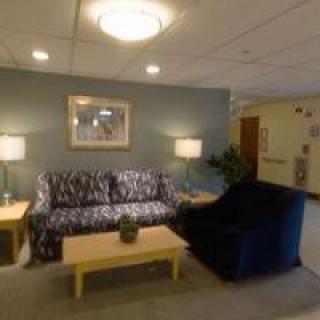
Hornell Gardens is best suited for seniors who want a warm, activity-filled setting in the Hornell area, where staff are approachable and family participation is encouraged. The community tends to appeal to residents who value ongoing therapy programs, social events, and a home-like atmosphere that supports regular visits, including pet visits. It is not an antiseptic, clinical model; it honors a livelier, engaged lifestyle with programs designed to keep residents connected. Those who can stay actively involved with care planning and who are prepared to monitor day-to-day quality will likely derive the most benefit.
However, this is not a fit for families who prioritze flawless safety and impeccable cleanliness. Alternatives should be considered for seniors who require very reliable supervision, consistent staffing on all shifts, and a consistently sanitary environment. Reviewers consistently flag concerns about safety lapses, dirty conditions, and the potential for neglect, so families who cannot tolerate questions about staffing ratios or who expect uniform quality across departments may want to look elsewhere. The decision becomes tighter for those facing higher care needs, dementia-related behaviors, or mobility limits that demand steady, vigilant staffing and well-maintained facilities.
On the positive side, multiple observers describe warm, approachable staff and moments of genuine care. When staff are on duty, residents can receive attention, and the facility earns praise for therapy services, social activities, and the ability to bring in a visiting pet. The environment offers a home-like feel, with nurses and aides who are described as friendly and responsive, and with a willingness to accommodate family visits. Programs such as summer gardens and animal-visit opportunities contribute to quality-of-life that some families value highly. For those who want an active social calendar and meaningful personal interaction, these elements deliver real benefits.
Yet the negative feedback centers on several systemic issues that cannot be ignored. Allegations of neglect and abuse, dirty rooms and bed linens, and episodes of poor hygiene are repeatedly raised. Long delays for assistance, understaffing on weekends, and concerns about aides who seem distracted by personal devices undermine confidence in daily care. Lice outbreaks and visible cleanliness problems erode trust and raise questions about ongoing oversight. The physical environment, often described as musty or old-fashioned in appearance, further undermines comfort and willingness to accept risk. Cost adds another layer, with some families feeling the price is not matched by consistently reliable care.
Pros can offset only to a degree when care quality is inconsistent. The engaging activities, therapy offerings, and supportive staff on certain shifts provide a tangible quality-of-life lift, but the weight of safety and cleanliness doubts makes long-term residency risky for families with high expectations of daily functioning and protection. For a family willing to advocate day-to-day, ensure rigorous oversight, and insist on disciplined staffing, Hornell Gardens could function as a lower-cost, flexible option compared with some peers. This, however, requires active involvement and a clear escalation path if concerns arise.
Overall, Hornell Gardens demands careful due diligence. Prospects should prioritize an in-person tour focused on cleanliness, staff responsiveness, and the consistency of care across shifts. Probe for detailed staffing ratios, incident logs, and a plan to address any observed deficiencies. If the answers fall short or if the family’s tolerance for risk is low, exploring alternative facilities in the region with stronger safety records and more uniformly clean environments is prudent. For families able to monitor and press for improvement, this community can offer meaningful social and therapeutic benefits at a potentially more affordable price, but only with vigilant advocacy and clear expectations.
 114 resident community capacity
 Skilled Nursing Facility
 Air-conditioning
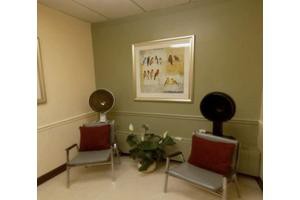
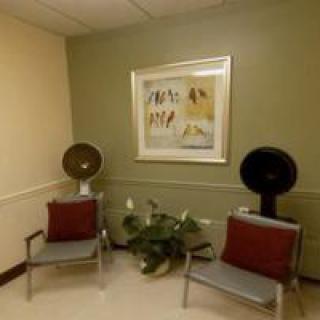
 Beauty salon
 Cable or satellite TV
 Computer center
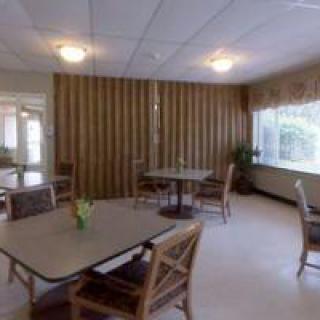
 Dining room
 Fitness room
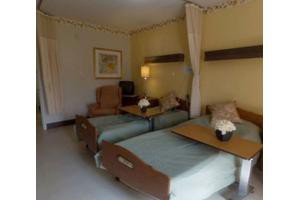
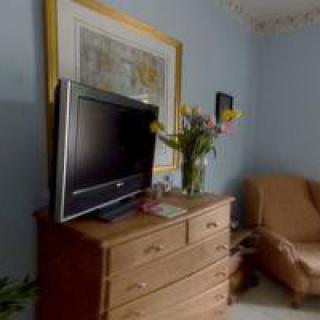
 Fully furnished
 Gaming room
 Garden
 Housekeeping services
 Kitchenette
 Move-in coordination
 Outdoor space
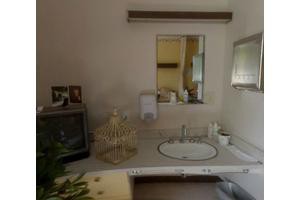
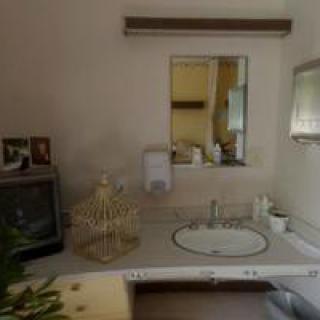
 Private bathrooms
 Restaurant-style dining
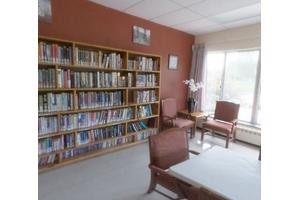
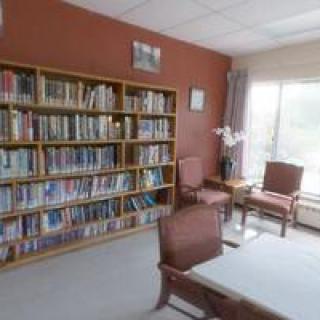
 Small library
 Telephone
 Wellness center
 Wi-Fi/high-speed internet available
 Community operated transportation
 12-16 hour nursing
 24-hour call system
 Activities of daily living assistance
 Assistance with bathing
 Assistance with dressing
 Assistance with transfers
 Diabetes diet
 Medication management
 Mental wellness program
 Special dietary restrictions
 Concierge services
 Planned day trips


 Recognizing the Journey: Understanding and Navigating Anticipatory Grief
 Encouraging Participation in Adult Day Care: A Guide to Supporting a Hesitant Parent
 Comprehensive Exploration of Living Wills and Other Advance Directives