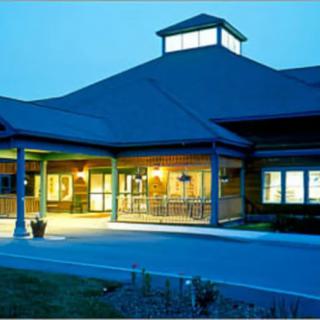
Essex Center Rehab
Save
PO Box 127, Elizabethtown, NY 12932
For more information about senior living options: (844) 490-3973
A wide range of residents and family members describe the Essex Center as a place where experiences vary dramatically - from moments of genuine praise for compassionate care to troubling reports of neglect, mismanagement, and unsafe conditions. On one end of the spectrum, several reviews celebrate dedicated nurses, therapists, and administrative staff who made an immediate, positive impression and helped patients regain or maintain their independence. On the other end, a substantial share of accounts allege serious problems that affected safety, dignity, and health, prompting investigations, complaints to state inspectors, and legal counsel.
Several reviewers recount alarming safety and medical concerns. One family describes a resident who fell out of bed and lay unattended for nearly an hour, raising questions about monitoring and responsiveness on the floor. Others report skin infestations and inadequate hygiene - claims of scabies, poor bathing, and unsanitary conditions in bathrooms and showers. The same themes recur with chronic medical oversight gaps: UTIs that persisted for years, a resident who could not advocate for herself due to full assist status, and repeated requests for specialist evaluations that never materialized in a timely fashion. These narratives portray a facility struggling to meet basic standards of medical attention and preventive care.
Hygiene and facility conditions are a recurring source of concern. Several reviews describe persistent odors, dirty or ill-kept spaces, soiled linens left on the floor, and general neglect in rooms and common areas. The physical environment is sometimes depicted as threadbare and uncomfortable, with inadequate climate control and insufficient staffing to maintain cleanliness. Complaints extend beyond resident rooms to the overall atmosphere of care, including reports of patients not being offered showers or regular hygiene care and staff who seemed overwhelmed or inattentive to cleanliness and comfort.
Communication and responsiveness emerge as another major thread. Families report long wait times when seeking information or updates, difficulty reaching administrators, and inconsistent information from staff about discharge plans or ongoing care. Some reviews recount delays in receiving medical records after a loved one's death, with concerns about mishandling or misplacing paperwork that could have aided families in finalizing affairs. The difficulty in obtaining timely calls or clear answers from the facility appears to amplify distress for families already navigating challenging circumstances, sometimes intensifying fears about whether loved ones are being adequately monitored.
Within the same set of experiences, there are notable contrasts in how staff are perceived. A number of reviewers praise the PT and SLP teams, the kindness of nurses, and the responsiveness of certain departments. Some patients or families credit specific staff members with making a difference during a difficult stay and highlight episodes of effective communication and problem-solving. Conversely, other accounts tell of front-desk friction, language barriers, or staff who appeared unable or unwilling to share information, sometimes citing vaccination policies or other procedures as flashpoints for conflict rather than avenues for cooperative care. This juxtaposition underscores a broader impression of inconsistency in the quality of day-to-day interactions.
Discharge planning and transitions emerge as a particular source of frustration and risk. Several reviews describe promises of coordinated services that never come to fruition, leaving families to assume responsibility for arranging post-acute care, transportation, or home supports. One family describes discovering that critical services were not set up for discharge, forcing other relatives to step in and arrange care from out of state - a situation described as dangerous and disorienting for the patient. In some cases, the failure to align services with a resident's needs appears tied to miscommunication and organizational gaps, with the social work and discharge teams blamed for breakdowns that affected safety and living arrangements after leaving the facility.
Despite the criticisms, some voices offer a more favorable assessment, noting that aspects of care have been positive and that certain departments or individuals performed admirably under challenging circumstances. There are mentions of compassionate staff, effective care from therapy teams, and administrative personnel who addressed concerns promptly. These affirmations acknowledge that, even amid broader complaints, there can be meaningful, person-centered care experiences that leave families feeling grateful for what was done well.
Taken together, the collection of experiences paints a complex portrait of the Essex Center. The themes of safety, hygiene, and medical responsiveness sit alongside testimonies of dedicated caregivers and moments of high-quality service. The divergence in these accounts - from extreme praise to severe accusations of neglect - suggests a facility that struggles with consistency in operations, communication, and oversight. For families and residents, the most urgent takeaways are clear: the need for rigorous attention to basic daily care, timely medical evaluation, transparent and responsive communication, and robust discharge planning to ensure safety, dignity, and continuity of care.
Essex Center Rehab in Elizabethtown, NY is a vibrant assisted living community nestled in a serene location. With its close proximity to various amenities, this community offers convenience and accessibility for its residents.
For nature enthusiasts, there is a park just a short distance away where residents can enjoy leisurely strolls or picnics amidst beautiful landscapes.
The presence of a nearby pharmacy ensures that residents have easy access to their medications and healthcare needs.
In case of any medical concerns, the community benefits from having physicians located nearby who can provide prompt healthcare services to the residents.
Food lovers will find great delight in the three restaurants situated close by. Whether they are craving local cuisine or international delicacies, residents can indulge in a variety of dining options without having to travel far.
Spiritual well-being is important to many individuals, which is why having two places of worship in close proximity provides residents with the opportunity to practice their faith and attend religious services.
Additionally, having a hospital nearby offers peace of mind to both residents and their families knowing that quality medical care is readily available if ever needed.
Overall, Essex Center Rehab in Elizabethtown, NY is an assisted living community that combines convenience and comfort. It caters to the diverse needs and preferences of its residents while providing them with essential amenities located nearby for their utmost convenience and well-being.
Located in Elizabethtown, New York, this area offers a variety of amenities and services that cater to senior living. With nearby places of worship such as the Life Church Of Elizabethtown and the Southern Baptist Convention, residents have easy access to spiritual support. The Elizabethtown Community Hospital is conveniently located for any medical needs, while parks like The Footbridge Park provide opportunities for outdoor recreation and relaxation. Dining options like Deer's Head Inn and Wooden Nickel offer delicious meals, and pharmacies such as Kinney Drugs are close by for prescription needs. Transportation options include the Amtrak Westport Station and rental car services for easy travel. Additionally, cafes like Old Mountain Coffee provide a cozy atmosphere for socializing with friends. Overall, this part of Elizabethtown offers a well-rounded community for seniors seeking a comfortable and convenient place to call home.
Essex Center Rehab is located at PO Box 127, Elizabethtown, NY 12932 in Essex County, New York
Essex Center For Rehabilitation And Healthcare
Elizabethtown, NY
Comprehensive on-site amenities and 24/7 care.


Essex Center For Rehabilitation And Healthcare reviews
Essex Center For Rehabilitation And Healthcare images
Keene Valley Neighborhood House
Keene Valley, NY
Attentive, cross-trained staff in a clean, home-like setting with engaging activities and strong family communication.
Keene Valley Neighborhood House costs
Keene Valley Neighborhood House reviews
Keene Valley Neighborhood House images
Champlain Valley Senior Community
Willsboro, NY
Compassionate staff and engaging activities in a hotel-like setting.
Champlain Valley Senior Community costs
Champlain Valley Senior Community reviews
Champlain Valley Senior Community images
Vergennes Residential Care
Vergennes, VT
Caring staff with personalized attention and engaging activities in a small, intimate setting.
Vergennes Residential Care reviews
Vergennes Residential Care images
The Residence at Shelburne Bay
Shelburne, VT
Friendly, attentive staff; bright, clean facility with ample amenities.
The Residence at Shelburne Bay costs
The Residence at Shelburne Bay reviews
The Residence at Shelburne Bay images
Recognizing the Journey: Understanding and Navigating Anticipatory Grief

Anticipatory grief is an emotional response to the impending loss of a loved one, characterized by complex emotions such as sadness and anger, and involves navigating stages similar to those identified by Kübler-Ross. Coping strategies are vital for managing this process, emphasizing compassionate communication, self-care, and support groups while recognizing the cultural influences on grieving.
Encouraging Participation in Adult Day Care: A Guide to Supporting a Hesitant Parent
Adult day care programs offer essential support and activities for older adults, yet many hesitate to participate due to concerns about independence and stigma. To alleviate these apprehensions, families should facilitate open discussions, explore financial resources, suggest trial visits, and collaborate with healthcare providers to highlight the benefits of such services for both the participants and their caregivers.
Comprehensive Exploration of Living Wills and Other Advance Directives
Living wills and advance directives are crucial legal documents that outline an individual's healthcare preferences when they cannot make decisions themselves, enhancing patient autonomy and alleviating family stress during medical crises. The article emphasizes the need for these documents to be personalized, legally valid, and regularly updated, while also encouraging communication about end-of-life wishes among family members and healthcare providers.