
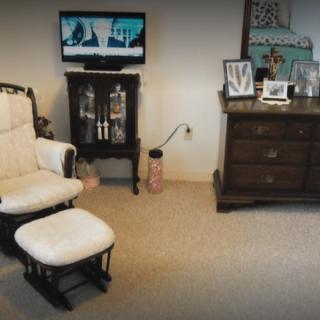
1782 Route 73, Keene Valley, NY 12943
For more information about senior living options: (866) 208-4318
Keene Valley Neighborhood House Costs & Pricing
Keene Valley Neighborhood House offers a range of accommodation options that reflect a competitive pricing structure when compared to both Essex County and the broader New York state averages. For those seeking semi-private accommodations, the cost is set at $2,600 per month, which is slightly below the county average of $2,633 and significantly more affordable than the state average of $4,389. Studio apartments are available for $4,500, positioning them competitively within Essex County's average of $4,250 while remaining just under the statewide figure of $4,532. Finally, a one-bedroom unit is priced at $4,850; although this exceeds the county average of $3,922, it still remains lower than New York state's average cost of $4,307. Overall, Keene Valley Neighborhood House provides residents with quality options that offer notable savings in certain categories while maintaining a comfortable living environment.
| Floor plans | Keene Valley Neighborhood House | Essex County | New York |
|---|---|---|---|
| Semi-Private | $2,600 | $2,633 | $4,389 |
| Studio | $4,500 | $4,250 | $4,532 |
| 1 Bedroom | $4,850 | $3,922 | $4,307 |
Assisted Living communities with a similar price nearby
-
from +$400 / mo
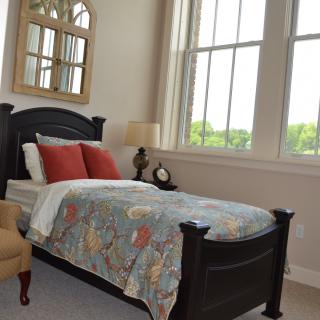
Champlain Valley Senior Community
$3,000 to $7,900 / month23.0 miles away
Overall Review of Keene Valley Neighborhood House
Pros
 They rate all categories as five and find the staff great to work with.
- They chose Keene Valley Neighborhood House because it was willing to work with their finances and meet the needs of their loved one and the whole family.
- They describe the community as wonderful, like a home, and extremely clean.
- They note the staff is cross-trained, tenured, and able to help with everything, and they would recommend the community to others.
- They describe the residence as small, homey, comfortable, and clean, with attentive staff who check each resident hourly.
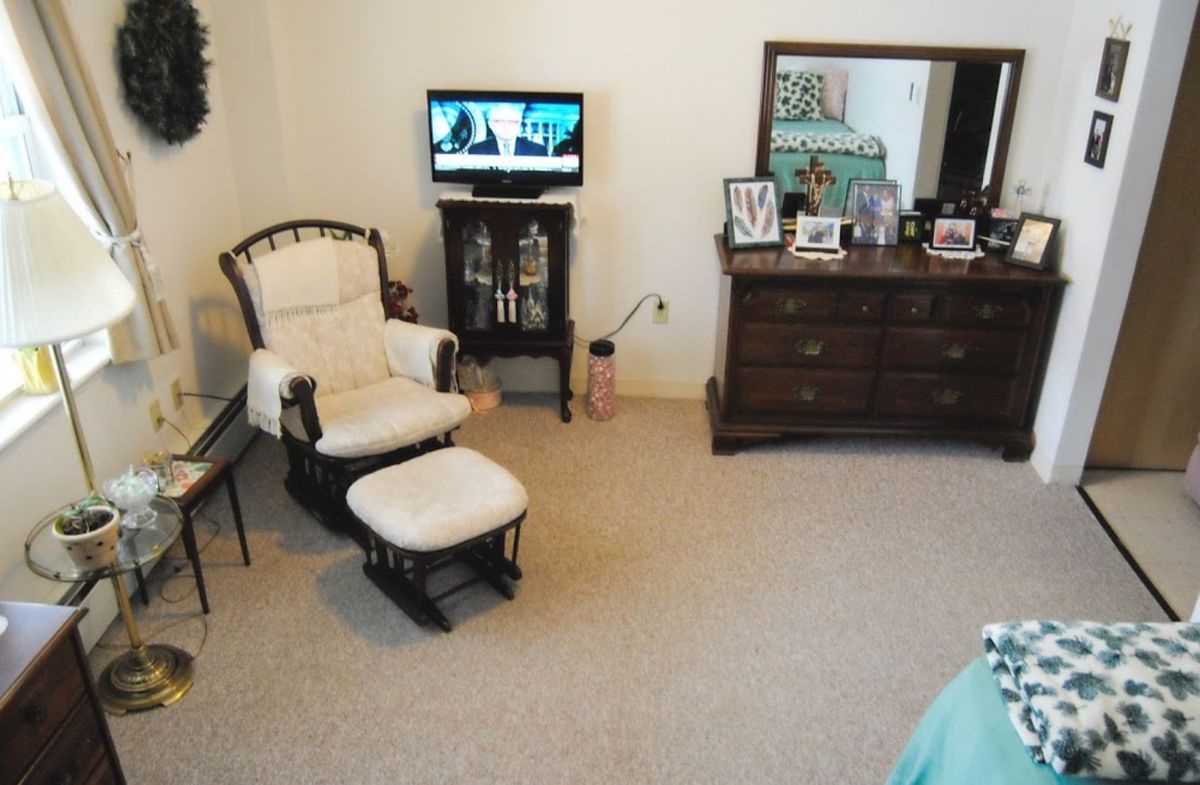
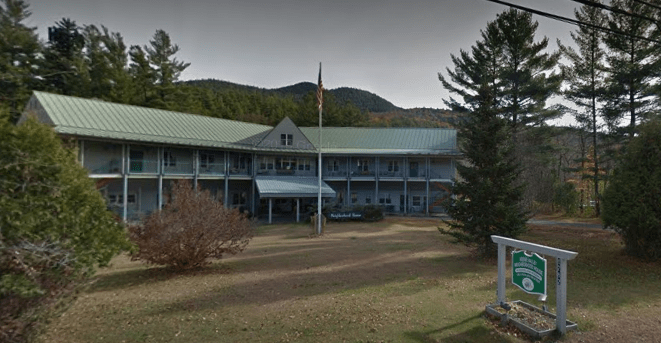
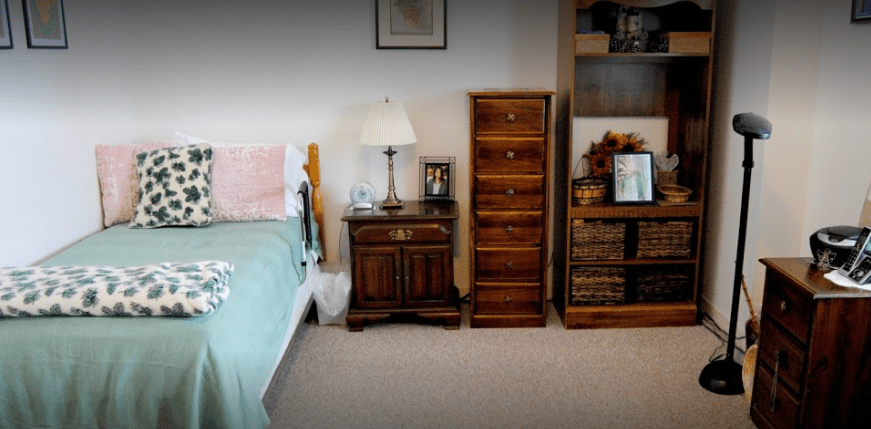
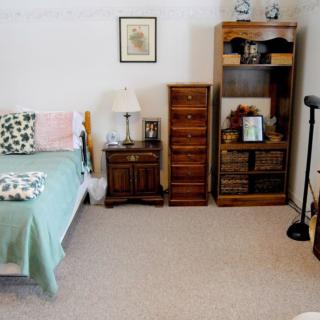
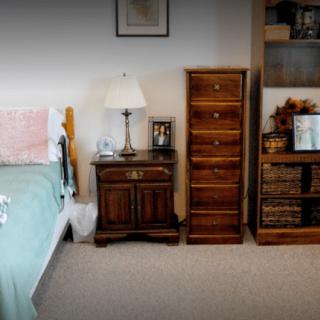
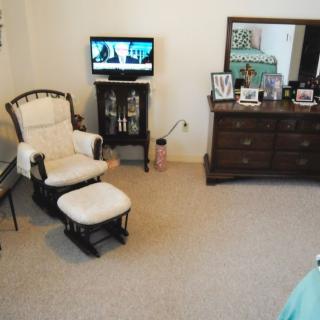
- They highlight the large rooms with private baths, scenic views, eight acres of wooded walkways, and the freedom for residents to walk around.
- They praise the meals and the variety of activities, including multiple rooms and social opportunities.
- They recount that the grandmother found companionship and enjoyed games, stories, and entertainment after moving to Neighborhood House, which they describe as lovely inside and out.
Cons
 The grandmother was described as a hermit who lived in the woods and preferred her own company.
- The family was afraid she would wander off and not be found.
- Moving her to Neighborhood House forced her to be around people as she shared a room.
- Gram felt the meals were not like her own cooking.
- Eventually, they had to move her to a full-time facility, which was not the Neighborhood House.
Review
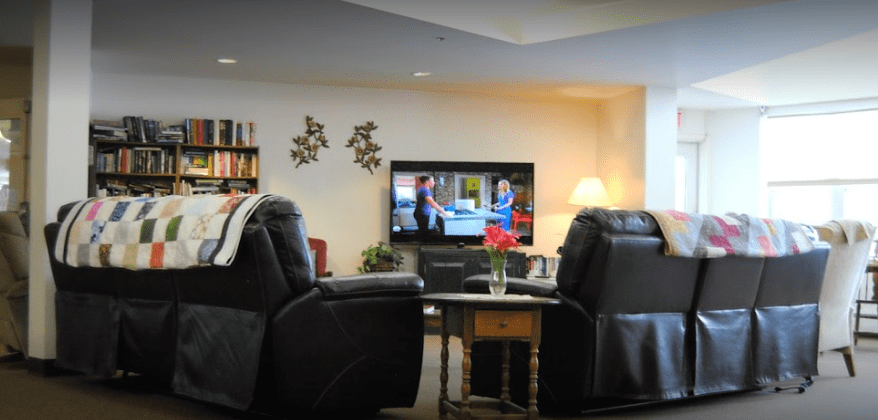
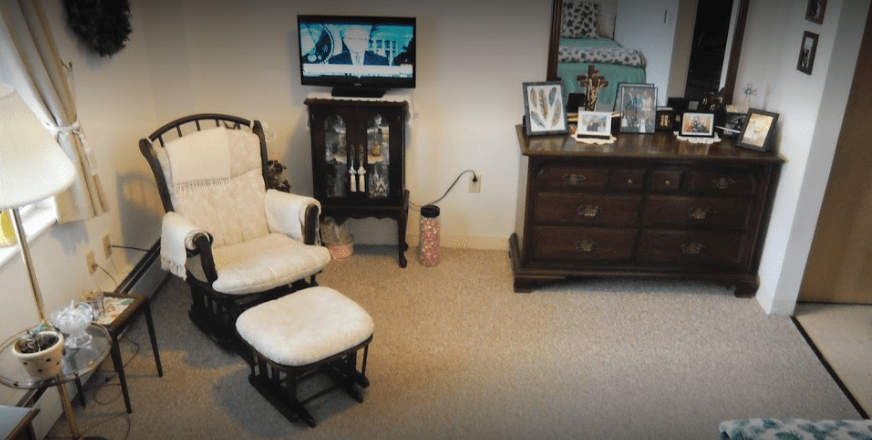
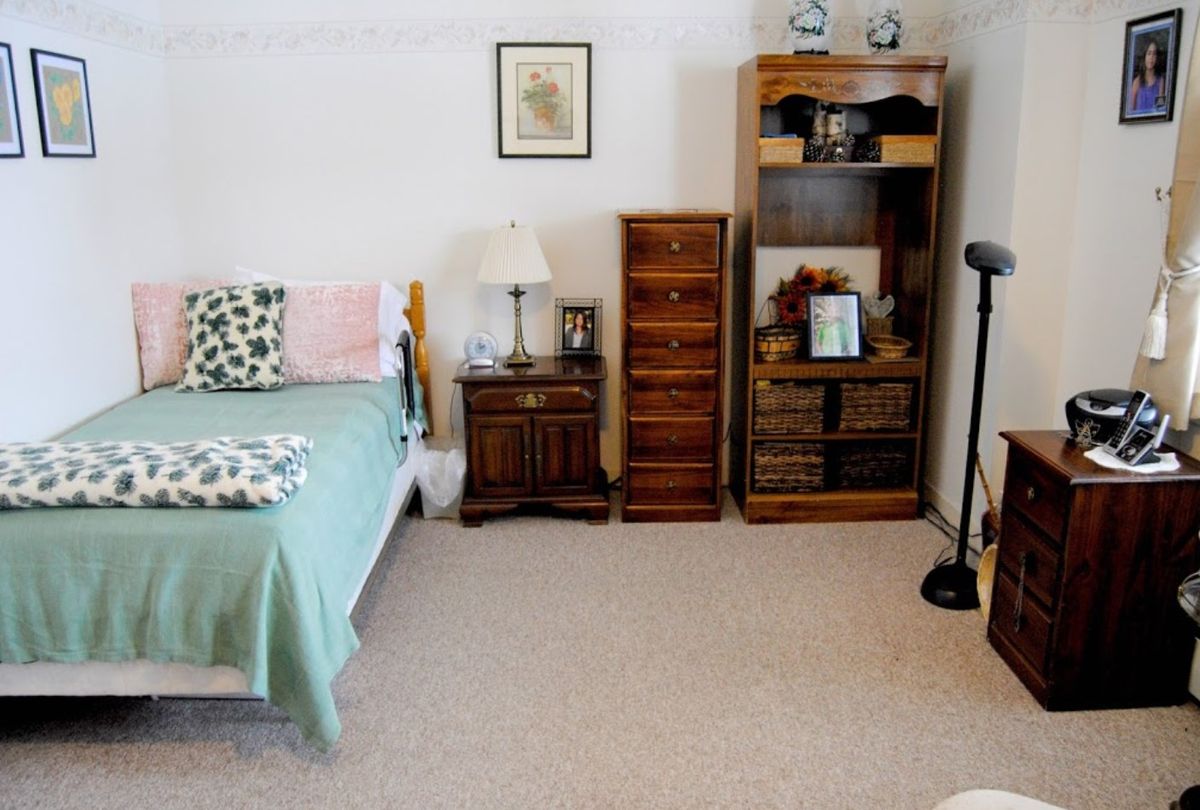
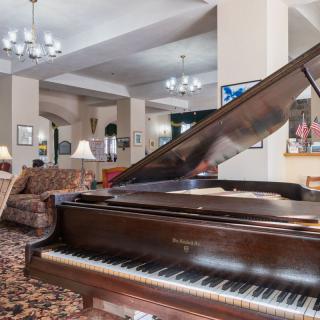
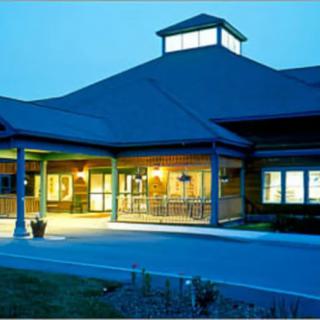
Keene Valley Neighborhood House is best suited for seniors who want a warm, home-like setting where staff know residents well, decisions are explained patiently, and finances can be worked out to fit a family’s situation. The campus is intimate rather than institutional, tucked into a small village feel with eight wooded acres that invite gentle walks. Living arrangements are flexible enough to accommodate different preferences: some rooms offer privacy with private baths and ample storage, while others accommodate double occupancy. The overall impression is clean, comfortable, and stable, with large windows that brighten daily life. The care approach centers on quick responsiveness to health changes, delivered through long-tenured, cross-trained staff who communicate with families in a straightforward way. For families prioritizing continuity, warmth, and a sense of belonging, this community delivers in spades.
Those evaluating options should explicitly consider alternatives if medical intensity or scale matters. The small size and village setting mean fewer on-site specialized services and a narrower programming slate than larger campuses, which can leave some residents craving broader amenities. For households where private, single-occupancy rooms are non-negotiable across the board, or where memory-care needs require more formalized, high-acuity supervision, this residence may not fulfill every requirement unless a specific room type is available. Likewise, while supervision and escorting for outdoor time provide safety, they can feel restrictive to someone who prizes maximum independence. In scenarios where privacy, breadth of on-site clinical services, or a bustling, campus-wide activity calendar are essential, it makes sense to explore other communities as well.
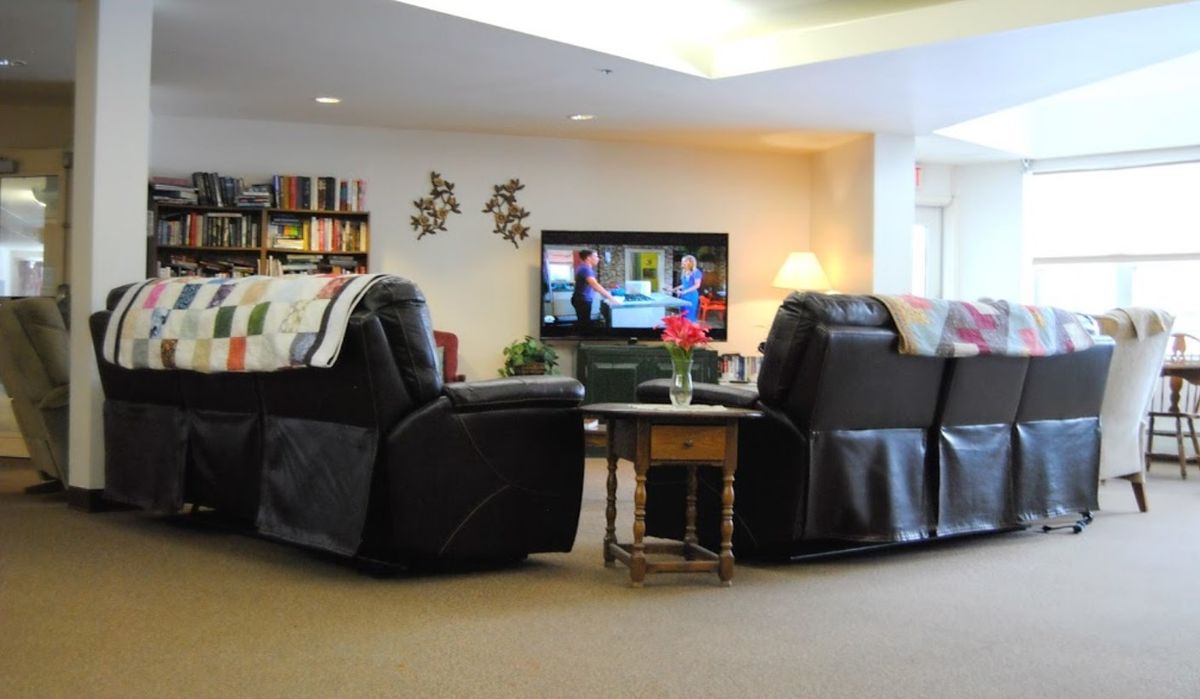
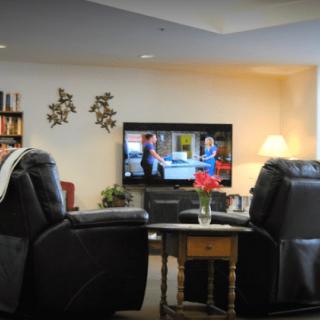
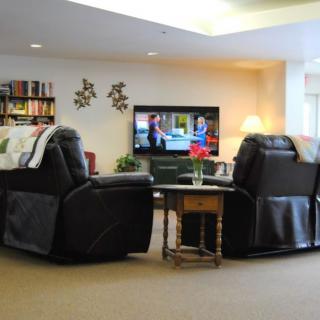
On balance, the pros here are meaningful enough to offset most typical concerns. The willingness to work with family finances translates directly into a lower-stress path to care, helping families avoid disruptive moves and keep loved ones settled in a familiar setting. Cleanliness, stability, and a staff team that has stayed together for years translate into reliability families can trust. The social life tends to feel organic rather than manufactured: residents share meals, stories, and activities, and there are multiple common rooms plus an on-site gym to support ongoing engagement. Outdoor access feels purposeful rather than incidental, with walkways on eight acres that invite fresh air and light activity. This combination of safety, sociability, and homelike comfort is hard to replicate in larger, more clinical environments.
The day-to-day environment reinforces the sense of home while preserving structure. Dining is described as good, with staff mindful of individual tastes, evidenced by adjustments like spice levels to accommodate Gram’s preferences. Room configurations vary, but the emphasis remains on practical comfort: spacious enough to feel private when possible, with storage and accessibility that makes daily living straightforward. The campus layout, several gathering rooms, activity spaces, and a gym, supports both social connection and independent exploration. The policy allowing residents to walk within the grounds with supervision strikes a thoughtful balance between autonomy and safety. In short, the setting emphasizes ease of living, approachable care, and meaningful community life over ostentatious amenities.
Prospective families should walk through a focused decision checklist before committing. Confirm exact room types and verify which configurations include private baths, along with current occupancy terms. Request a written, up-to-date care plan and ask how changes in health are communicated and managed, this is a clear strength, but the specifics matter for every individual. Review the programming calendar to ensure it aligns with personal interests, clarify whether transportation is available for off-site activities, and understand how outdoor outings are coordinated. Finally, scrutinize the financial discussion: what costs are bundled, what flexibility exists, and how family input shapes ongoing care decisions. This due-diligence will illuminate how well the community can adapt to evolving needs over time.
Overall, Keene Valley Neighborhood House stands out as a strong choice for families seeking a small, personable setting with a high touch of safety, warmth, and practical care. It shines where continuity, affordability, and social connectedness trump grand scale and clinical spectacle. Those with a strong preference for private rooms across the board, or for highly specialized memory-care services, should weigh alternatives that offer more breadth. The best-fit decision hinges on whether the resident values a village-like atmosphere, long-tenured staff, and a layout that makes daily life feel like home, over the comforts of a larger, more expansive campus. When the match is right, this community delivers stability, dignity, and genuine peace of mind.
 50 resident community capacity
 Assisted Living
 Cats allowed
 Dogs allowed
 Activities off-site
 Beautician on-site
 Cable or satellite TV
 Devotional services off-site
 Dining room
 Fully furnished
 Garden
 Housekeeping services
 Indoor common areas
 Kitchenette
 Move-in coordination
 Outdoor space
 Restaurant-style dining
 Small library
 Telephone
 Wi-Fi/high-speed internet available
 24-hour call system
 Ambulatory care
 Assistance with bathing
 Assistance with dressing
 Assistance with transfers
 Diabetes diet
 Diabetic care
 Medication management
 Mental wellness program
 Special dietary restrictions
 BBQs or picnics
 Birthday parties



 Comprehensive Insights into Activities of Daily Living (ADLs) and Their Assessment
 Medicare Coverage for Assisted Living: An In-Depth Exploration
 Choosing the Right Senior Care: A Detailed Exploration of Assisted Living and Nursing Homes