For more information about senior living options: (866) 208-4318
4.6 from 62 reviews
5 stars
50
4 stars
8
3 stars
0
2 stars
2
1 stars
2
Champlain Valley Senior Community Costs & Pricing
Champlain Valley Senior Community offers a range of living options that are competitively priced within Essex County and the broader New York state. For semi-private rooms, residents can expect to pay $3,000 per month, which is notably lower than the county average of $2,633 but still above the state average of $4,389. Studio apartments are offered at $3,650, a figure that falls below Essex County's average of $4,250 while remaining slightly lower than statewide averages. The pricing for one-bedroom units stands at $6,200; although this is higher than both Essex County's average of $3,922 and New York's average of $4,307. For two-bedroom accommodations, the cost rises to $7,900 - this too exceeds the county mean of $4,335 and state norm of $4,786. Overall, Champlain Valley Senior Community provides attractive pricing for certain options while reflecting local market dynamics in others.
Floor plans
Champlain Valley Senior Community
Essex County
New York
Semi-Private
$3,000
$2,633
$4,389
Studio
$3,650
$4,250
$4,532
1 Bedroom
$6,200
$3,922
$4,307
2 Bedrooms
$7,900
$4,335
$4,786
Skilled Nursing Facilities with a similar price nearby
Overall Review of Champlain Valley Senior Community
common25 reviews mention this
Staff care and communication stand out
Residents and families consistently describe attentive, responsive staff who stay in touch.
Many reviewers emphasize how friendly, helpful, and accommodating the staff is when they visit or when families have questions. Several families mention regular updates and proactive communication about condition changes, appointments, and care needs. A number of reviews also highlight case management and the way staff follow through on requests and resolve concerns.
differentiator16 reviews mention this
Memory care support for dementia
Reviewers specifically mention memory care staff providing structured support for dementia.
Reviews frequently connect the move to the community’s ability to support residents with memory issues, including dementia. Families describe staff in the memory care setting as professional and compassionate, with an approach that helps residents feel settled and safe. Some reviewers also reference individualized accommodations and continued communication during changes, including behavioral challenges and medical needs.
common18 reviews mention this
Dining feels restaurant-style
Food and dining services are repeatedly described as a high point of the experience.
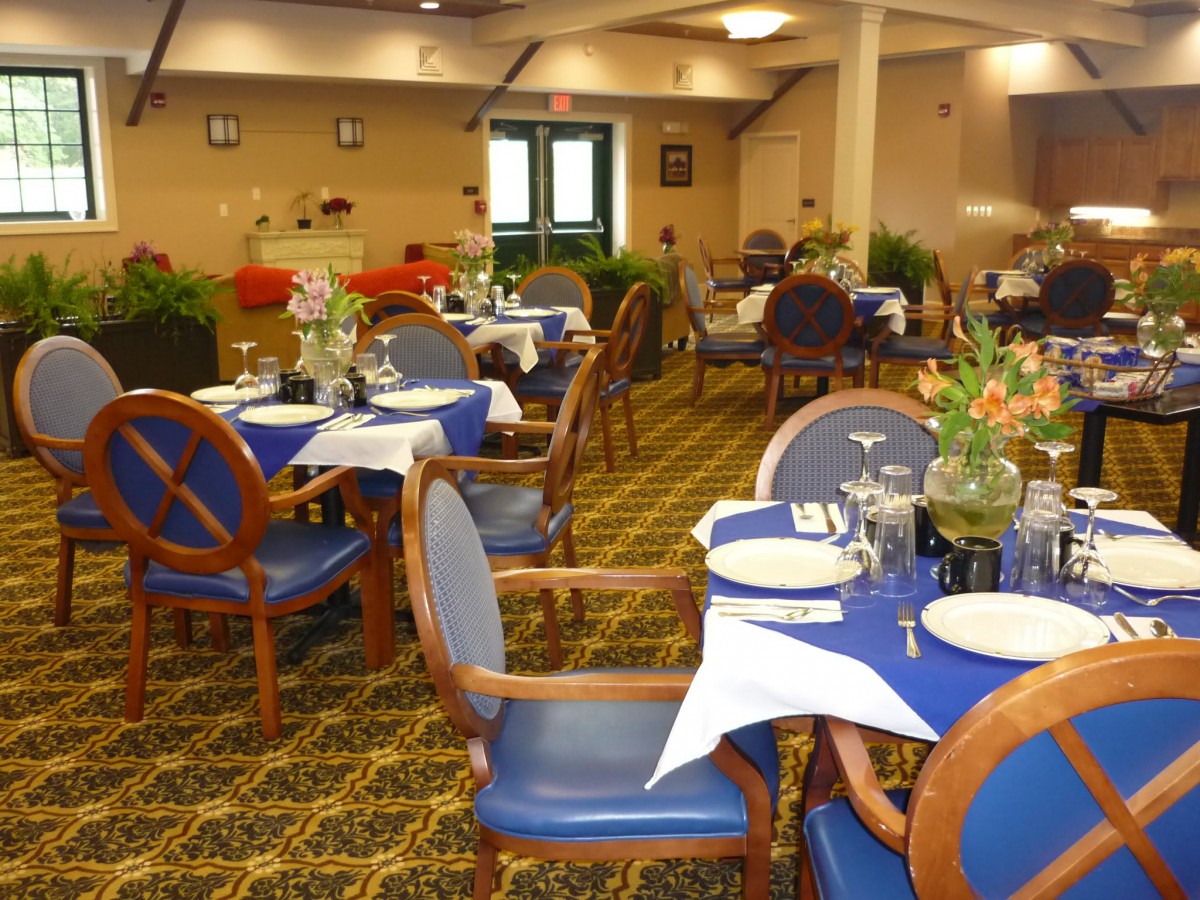
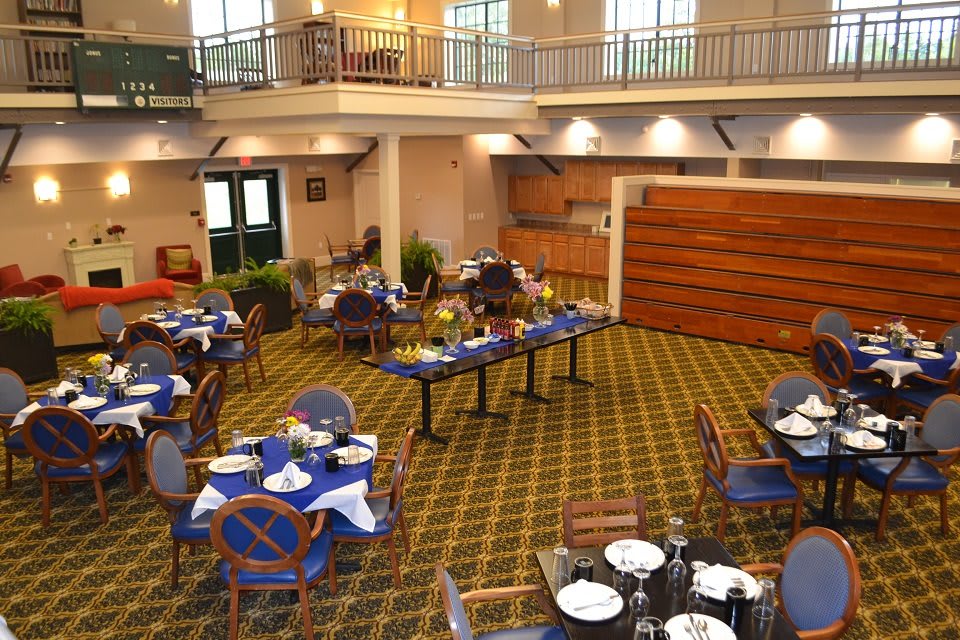
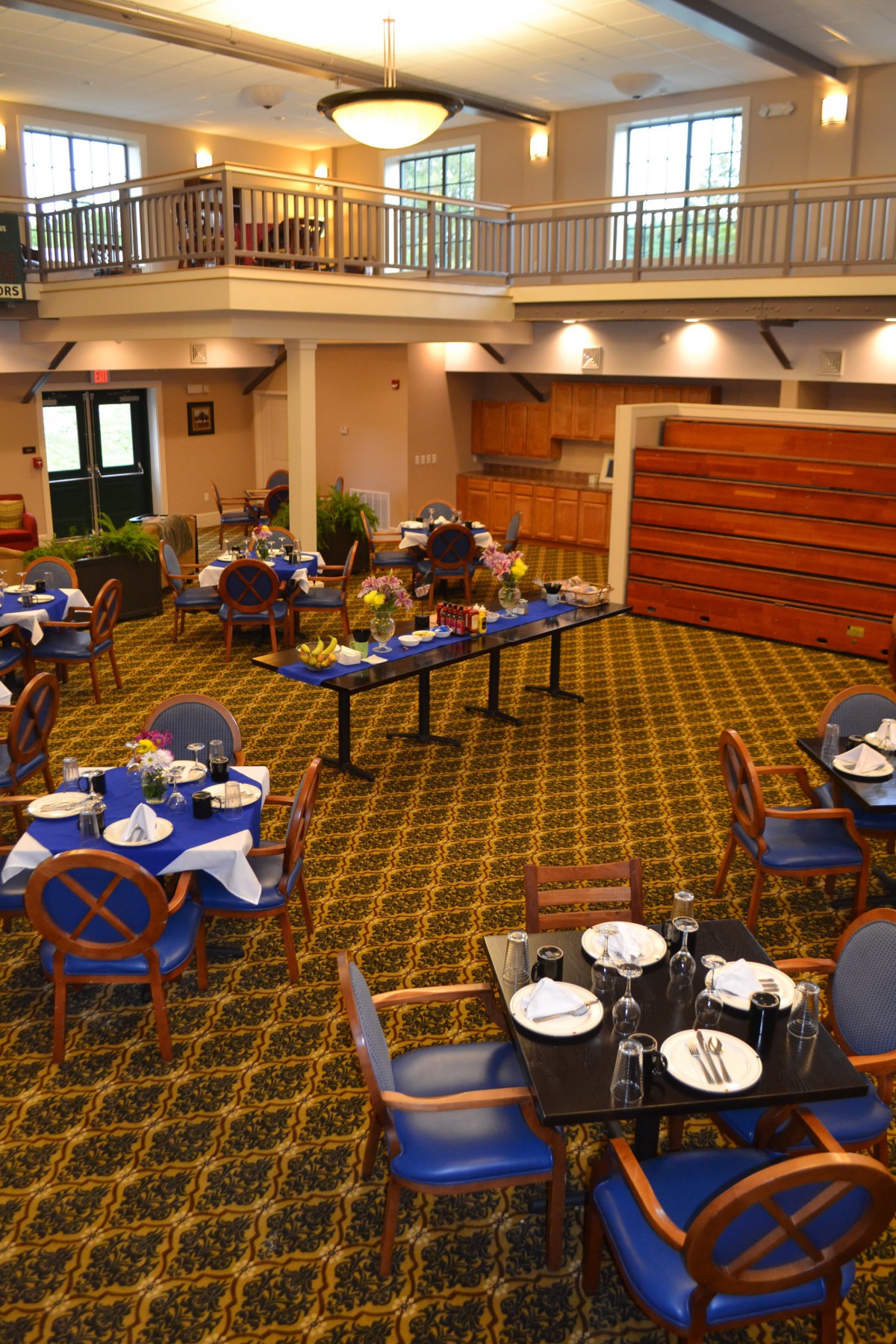
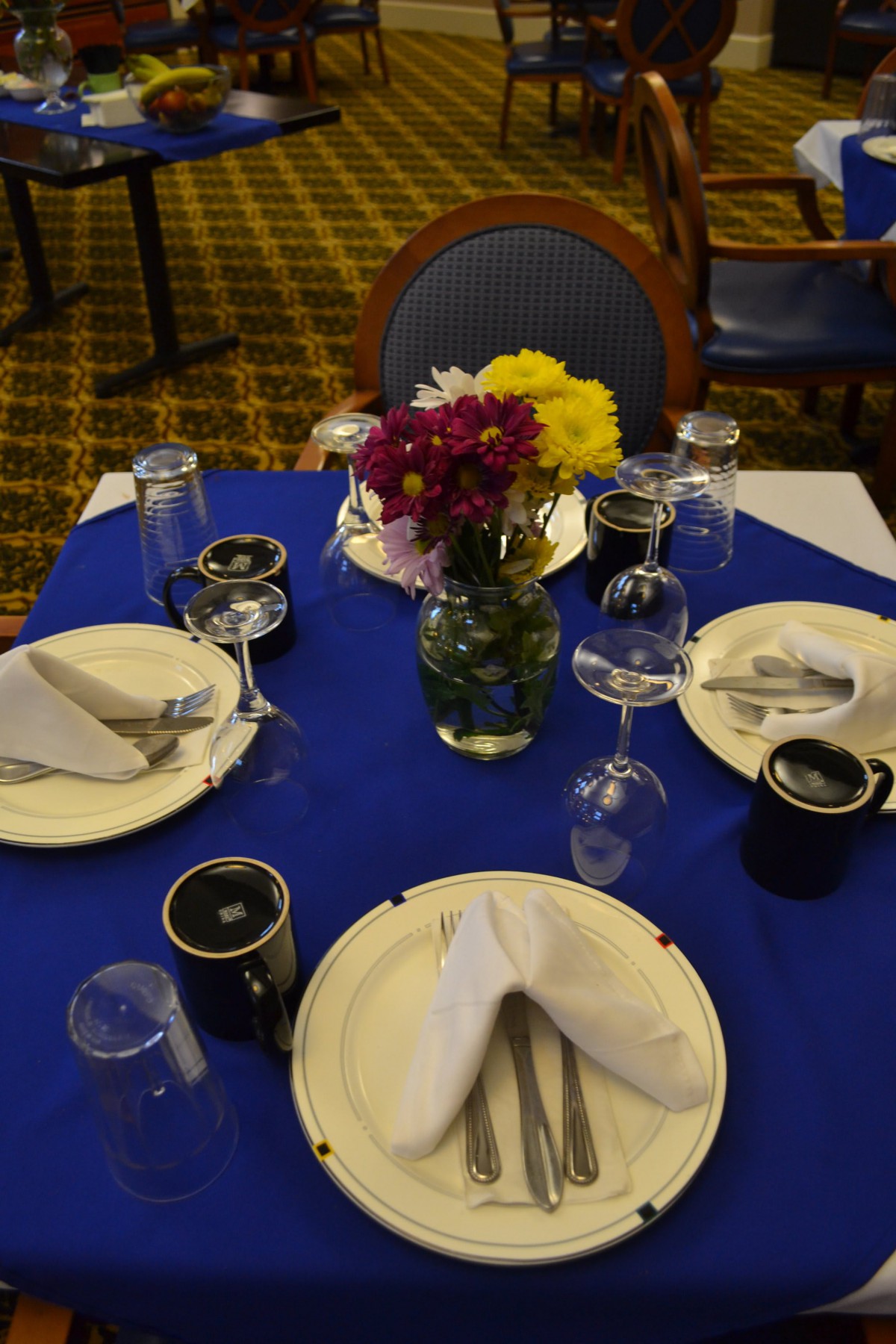
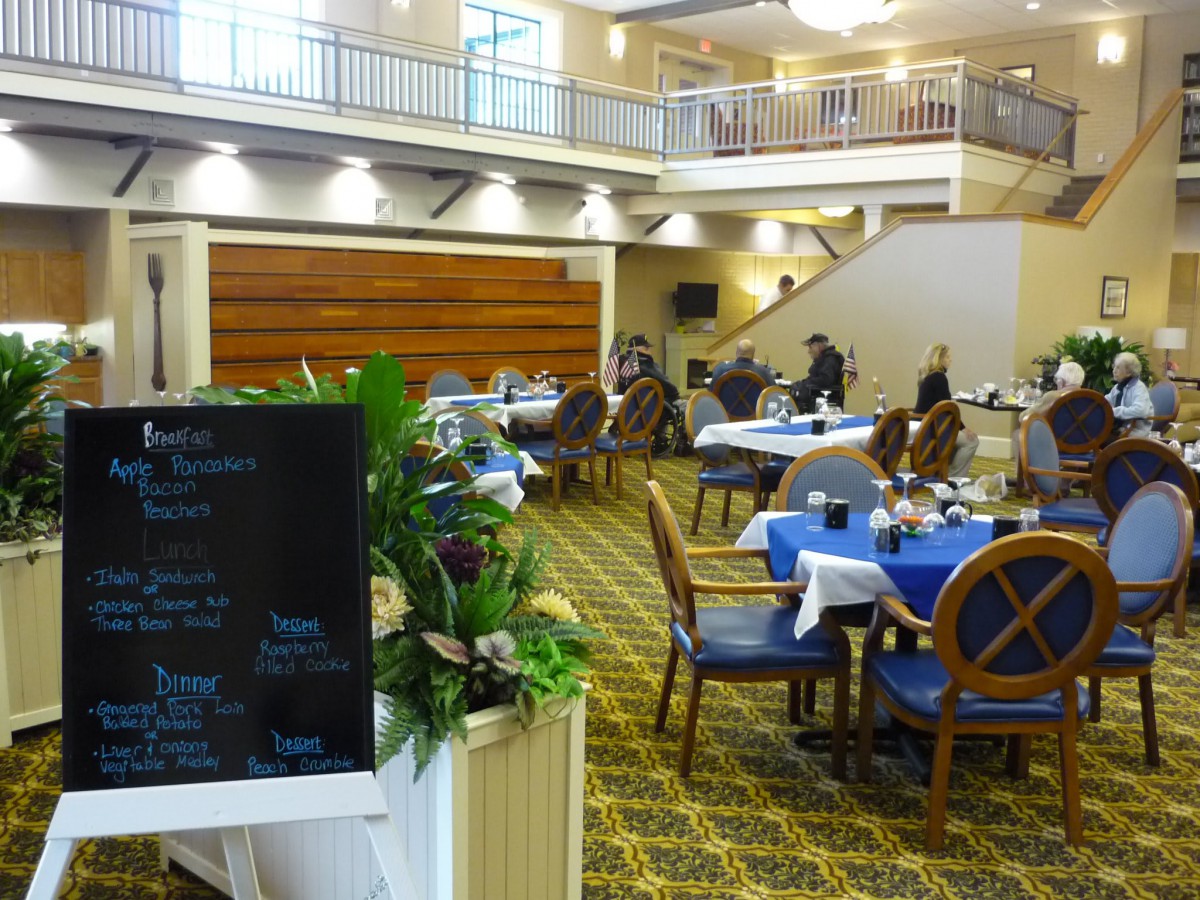
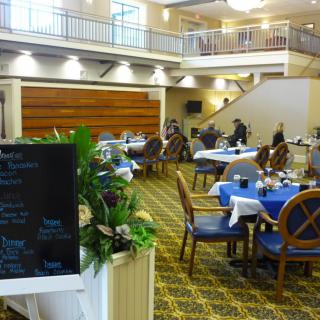
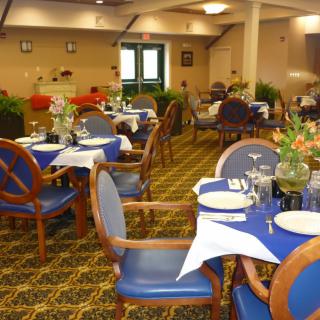
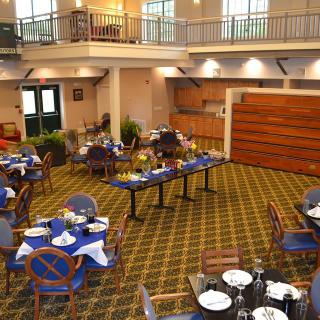
Multiple reviewers praise the meals, describing good food quality and meals that make residents feel included. Several families mention shared meals with loved ones and enjoyment of dining time as a social routine. The community also offers restaurant-style dining options and meal service details reviewers recognize in day-to-day life.
common18 reviews mention this
Activities keep residents engaged
Residents are described as staying engaged through regular activities and outings.
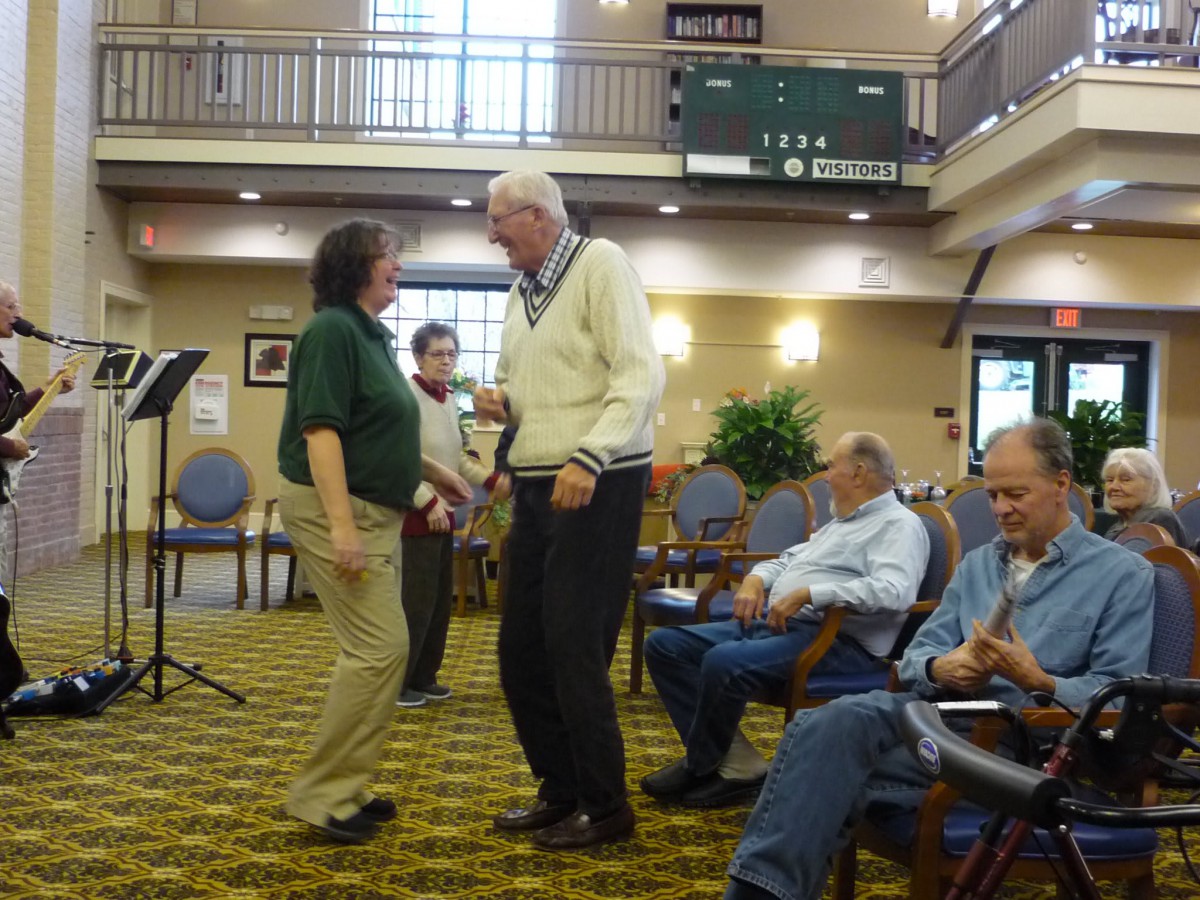
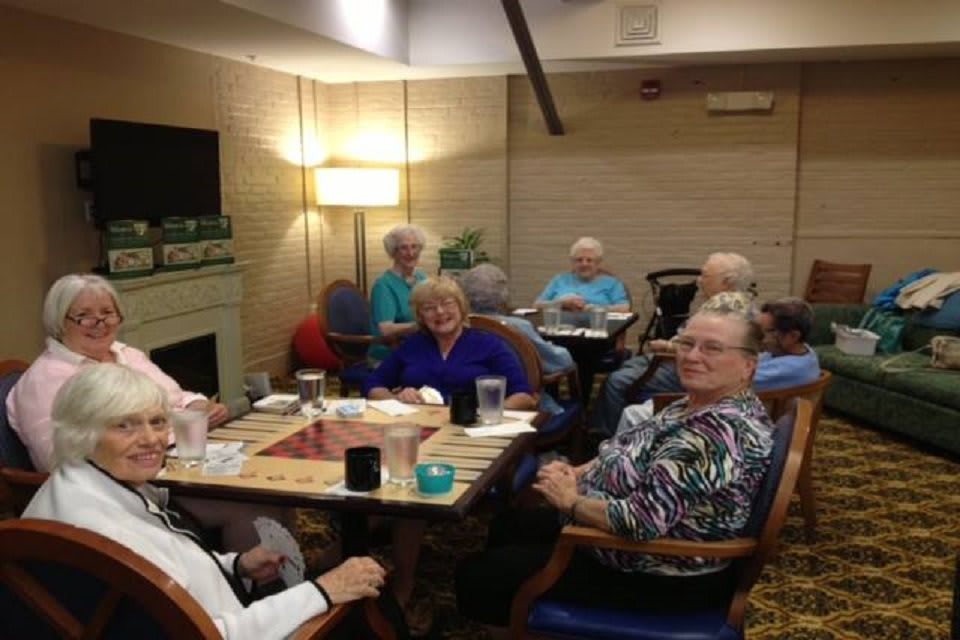
Reviewers point to frequent activities—from music and bingo to day trips and other scheduled programming—as a reason families see improved engagement. Several mention residents participating in activities after moving in, including residents who had been less active before. The community also provides a wide set of on-site and off-site activity options that align with what families describe seeing day to day.
caveat2 reviews mention this
Staffing and safety concerns
A minority of reviews raise concerns about staffing levels and resident safety.
While many reviewers are positive, one review reports that staffing felt insufficient and affected check-ins and overall safety at times. That same reviewer describes staff being spread across multiple responsibilities and questions medication processes. These concerns are not echoed across the rest of the reviews, but they are notable enough to stand apart.
caveat2 reviews mention this
Pricing varies by unit type
Pricing is presented as variable by apartment size, with benchmark comparisons shown per unit type.
Some reviewers speak favorably about value, while pricing details are also shown to vary across unit types. This community’s pricing range is consistent across studio, one-bedroom, semi-private, and two-bedroom options, with benchmark comparisons provided for each. Families considering affordability may want to review the specific unit type and how it compares to both local and statewide benchmarks.
How we summarize
Counts show how many written reviews mention each theme; a review can touch several themes, and only frequently mentioned themes are displayed.
Features
Housing
81 resident community capacity
1-bedroom apartments
Studio apartments
Types of Care
Assisted Living
Memory Care
Skilled Nursing Facility
Pets
Cats allowed
Dogs allowed
Amenities
Activities off-site
Activities on-site
Air-conditioning
Bath tubs
Beautician on-site
Beauty salon
Cable or satellite TV
Computer center
Devotional services off-site
Devotional services on-site
Dining room
Fitness room
Fully furnished
Gaming room
Garden
Ground floor units
Handicap accessible
Housekeeping services
Indoor common areas
Kitchenette
Move-in coordination
Outdoor common areas
Outdoor space
Private bathrooms
Respite or short term stays offered
Restaurant-style dining
Small library
Telephone
Wellness center
Wheelchair accessible showers
Wi-Fi/high-speed internet available
Transportation
Burlington International (14 miles away)
Community operated transportation
Transportation arrangement
Transportation arrangement (non-medical)
Transportation to doctors appointments
Care Services
12-16 hour nursing
24-hour call system
24-hour supervision
Activities of daily living assistance
Assistance with bathing
Assistance with dressing
Assistance with transfers
Diabetes diet
Diabetic care
High acuity care
Incontinence care
Meal preparation and service
Medication management
Mental wellness program
Mild cognitive impairment
Special dietary restrictions
Specialized memory care programming
Dining
Diabetes diet
Guest meals
Low / no sodium
Meals provided
No Sugar
Professional chef
Restaurant style dining
Room service
Special dietary restrictions
Special dining programs
Activities
Art classes
Catholic services
Community-sponsored activities
Concierge services
Day trips and outings
Devotional activities offsite
Devotional activities on-site
Educational speakers / life long learning
Fitness programs
Happy hour
Live musical performances
Live well programs
Planned day trips
Resident-run activities
Scheduled daily activities
Visiting chaplain or priest
Wine tasting
Videos
Nearby Places of Interest
Located in Willsboro, New York, this area offers a variety of amenities and services that cater to senior residents. With numerous dining options such as Turtle Island Cafe and Chez Lin & Rays, as well as pharmacies like Kinney Drugs and Walgreens nearby, seniors can easily access essential needs. Additionally, the proximity to parks like Beggs Park and Shelburne Bay Park provides opportunities for outdoor recreation and relaxation. For medical care, there are reputable physicians such as Charlotte Family Health Center and UVM Medical Center Ophthalmology in the vicinity. With cafes like Rustic Roots and Panera Bread offering cozy atmospheres for socializing, along with theaters like Jan Cannon Pottery for entertainment, seniors in this area have a range of activities to enjoy while embracing a peaceful lifestyle in Willsboro.
Restaurants
Turtle Island Cafe (0.1 miles)
Old Dock House (4.2 miles)
Chez Lin & Rays (4.4 miles)
The Inn at Shelburne Farms (6 miles)
The Scoop (8.7 miles)
Sisters of Anarchy Ice Cream (9.9 miles)
Dogwood Bread Company (9.9 miles)
Places of Worship
Willsboro United Methodist Church (0.3 miles)
Roman Catholic Diocese Burlington (10.5 miles)
St Joseph Church (11.9 miles)
Physicians
Smith House Health Care Center (0.6 miles)
Charlotte Family Health Center (7.6 miles)
Howard Center (10.4 miles)
Avada Hearing Care Center (10.7 miles)
Retina Center of Vermont (10.8 miles)
Burlington Primary Care (10.8 miles)
UVM Medical Center Ophthalmology - Shelburne Road (10.8 miles)
Champlain Valley Senior Community offers a range of living options that are competitively priced within Essex County and the broader New York state. For semi-private rooms, residents can expect to pay $3,000 per month, which is notably lower than the county average of $2,633 but still above the state average of $4,389. Studio apartments are offered at $3,650, a figure that falls below Essex County's average of $4,250 while remaining slightly lower than statewide averages. The pricing for one-bedroom units stands at $6,200; although this is higher than both Essex County's average of $3,922 and New York's average of $4,307. For two-bedroom accommodations, the cost rises to $7,900 - this too exceeds the county mean of $4,335 and state norm of $4,786. Overall, Champlain Valley Senior Community provides attractive pricing for certain options while reflecting local market dynamics in others.
Champlain Valley Senior Community's comprehensive features are designed to enhance the quality of life for residents with dementia or Alzheimer's disease. The 24-hour supervision ensures a safe environment, while assistance with activities of daily living--such as bathing, dressing, and transfers--promotes dignity and fosters independence. Incontinence care and meal preparation address essential needs in a compassionate manner, helping residents maintain their routines. Medication management is crucial for health stability, allowing for accurate tracking and compliance. Furthermore, the mental wellness program supports emotional well-being, while specialized memory care programming caters to individual cognitive levels, including mild cognitive impairment. Together, these services create a supportive atmosphere that encourages engagement and optimal functioning.
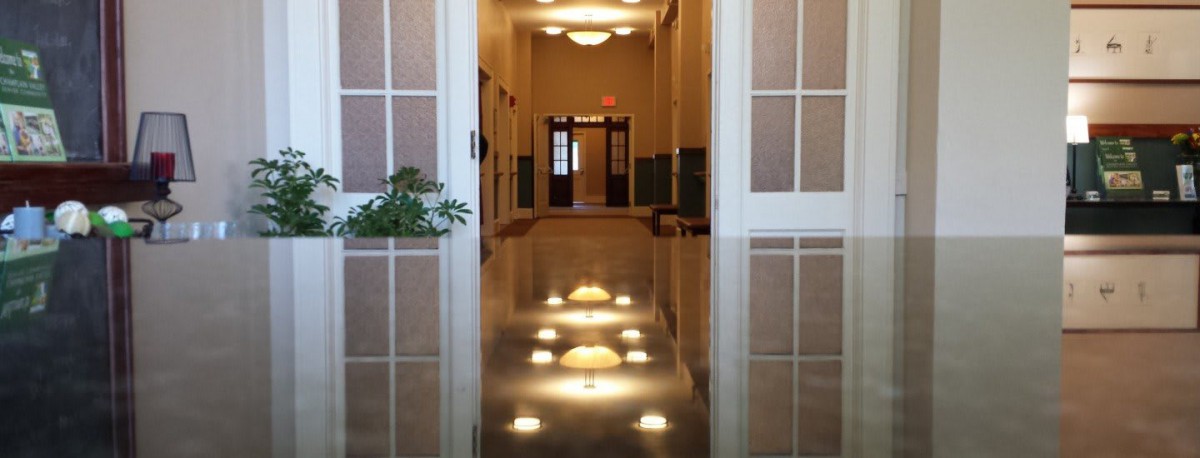
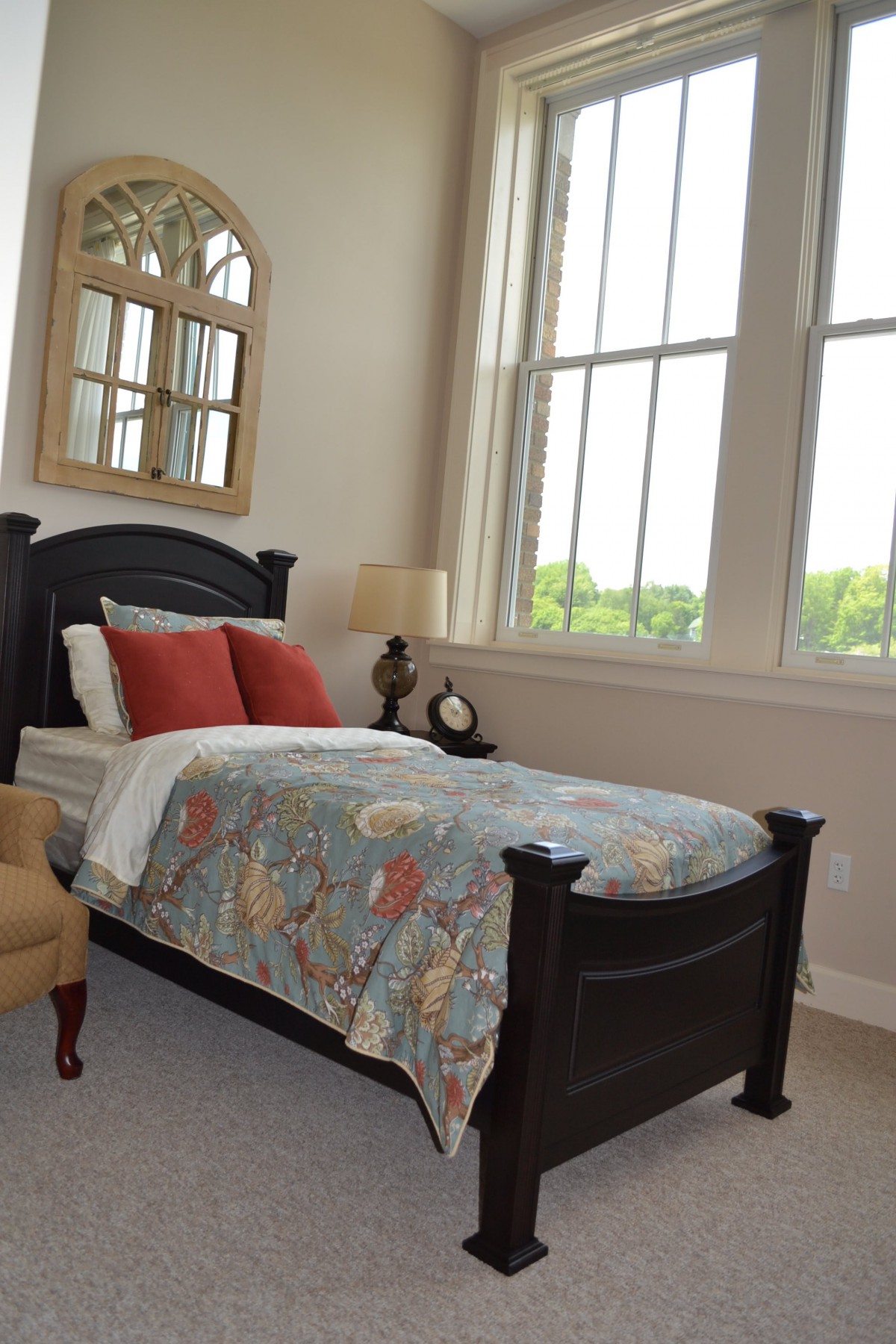
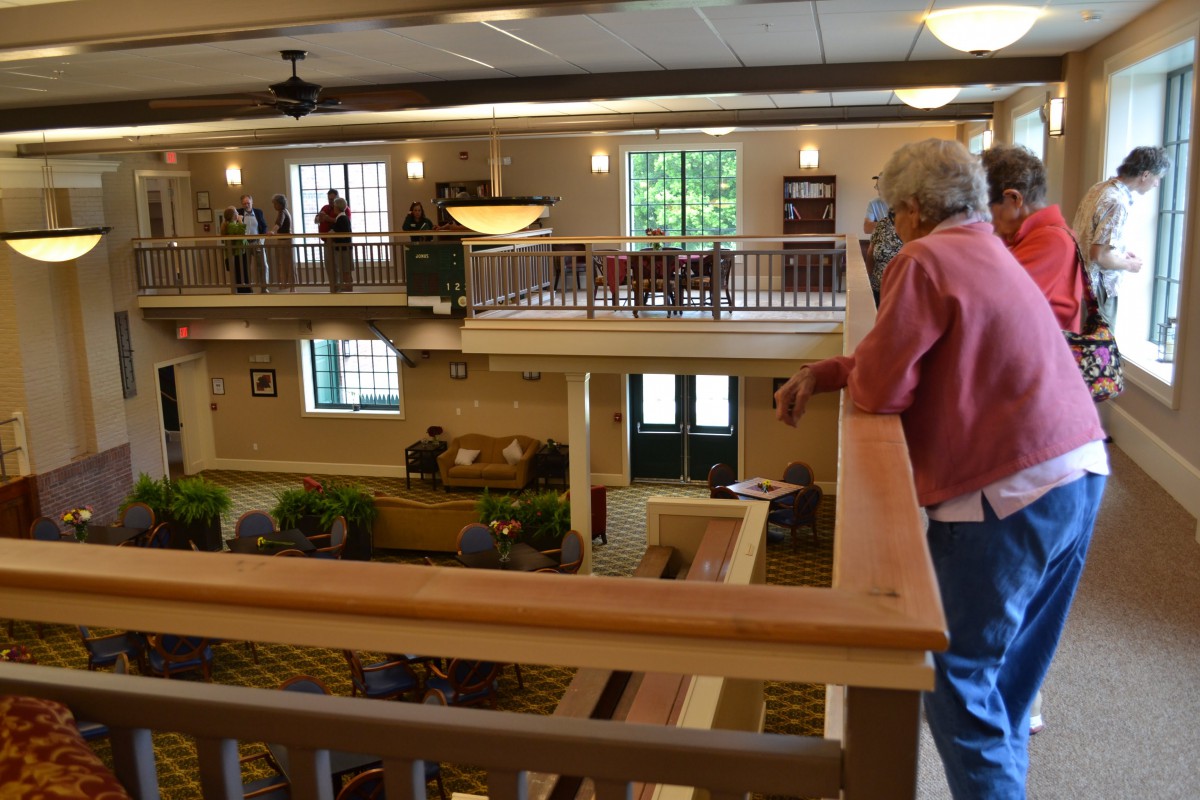
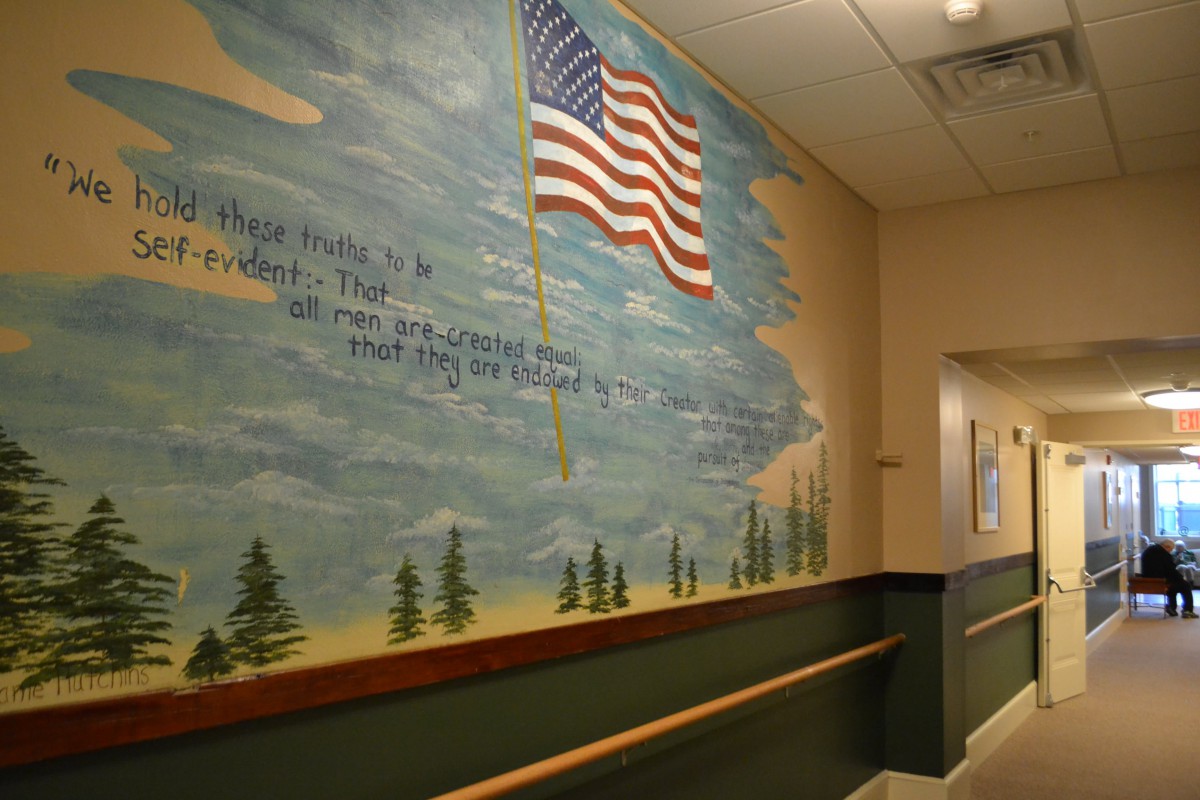
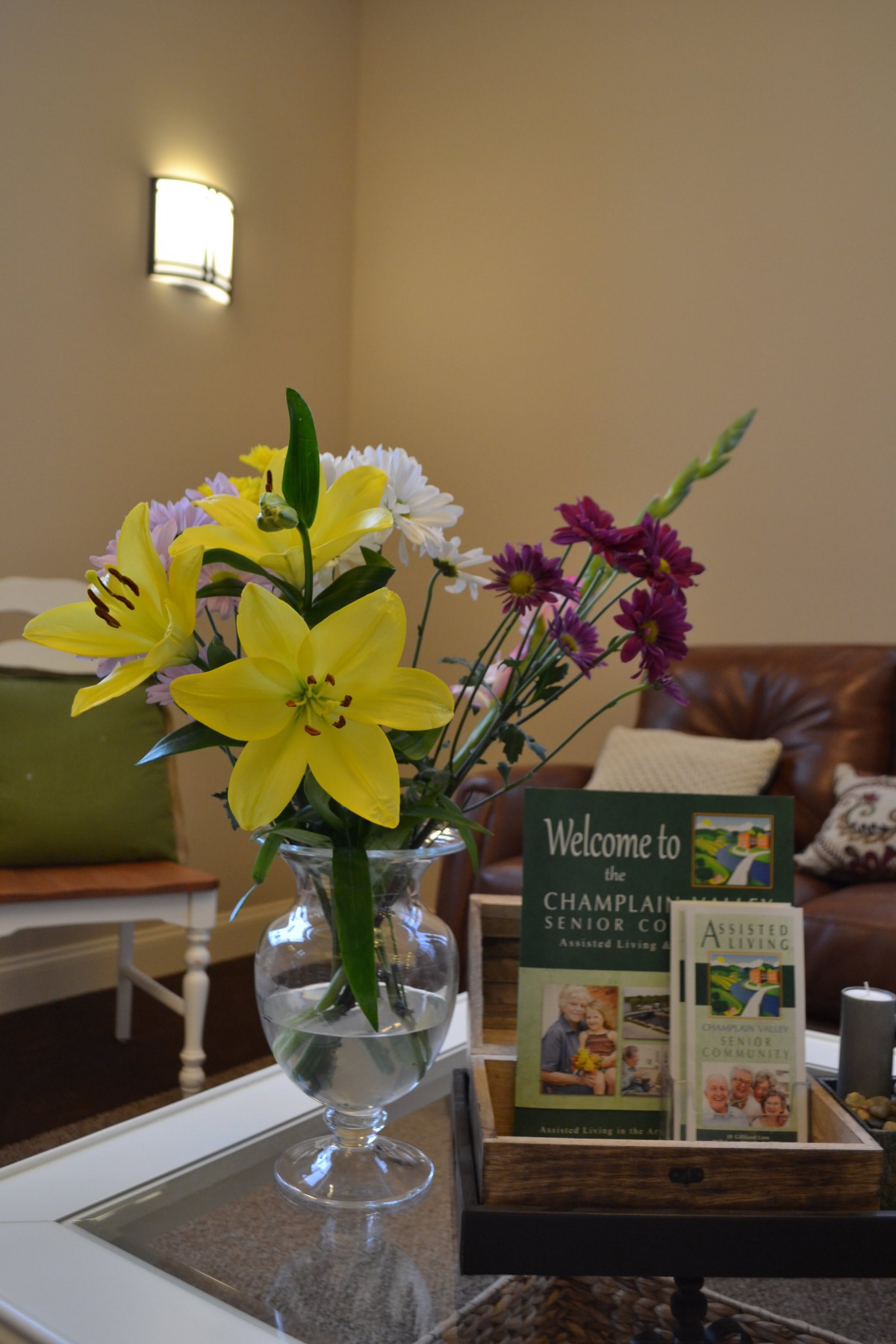
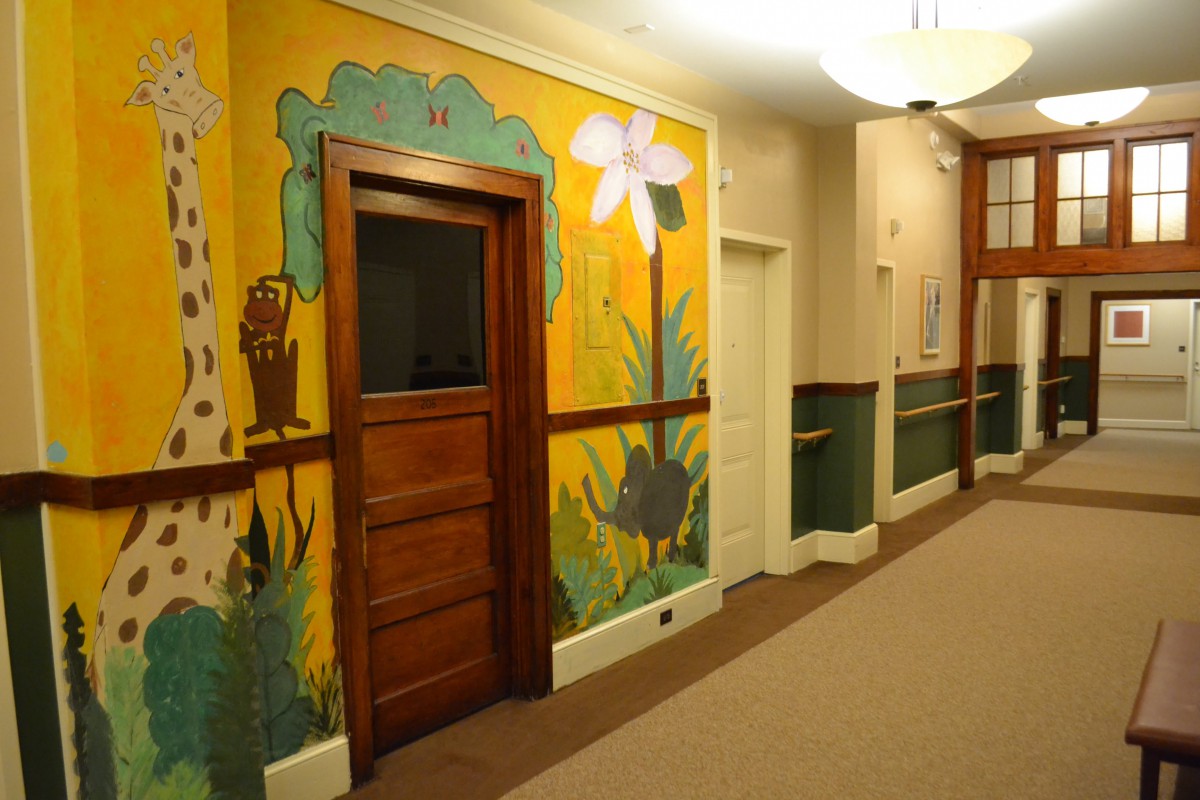
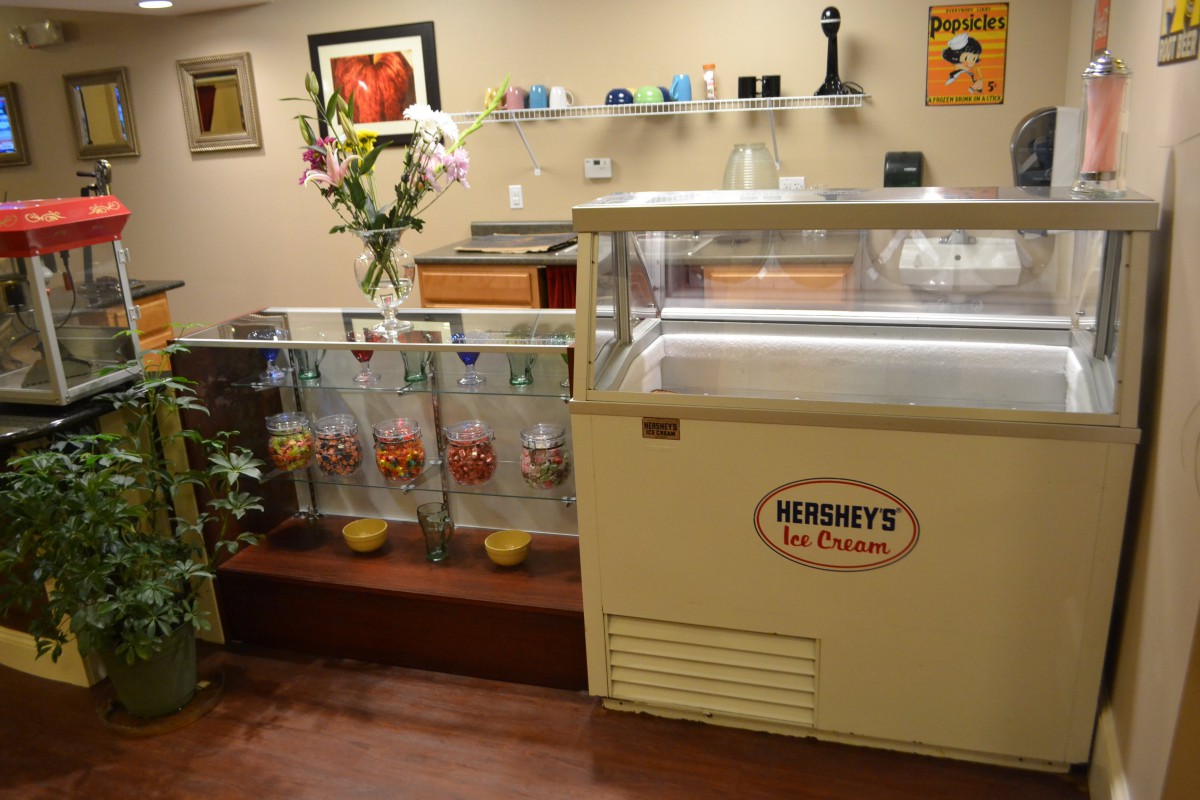
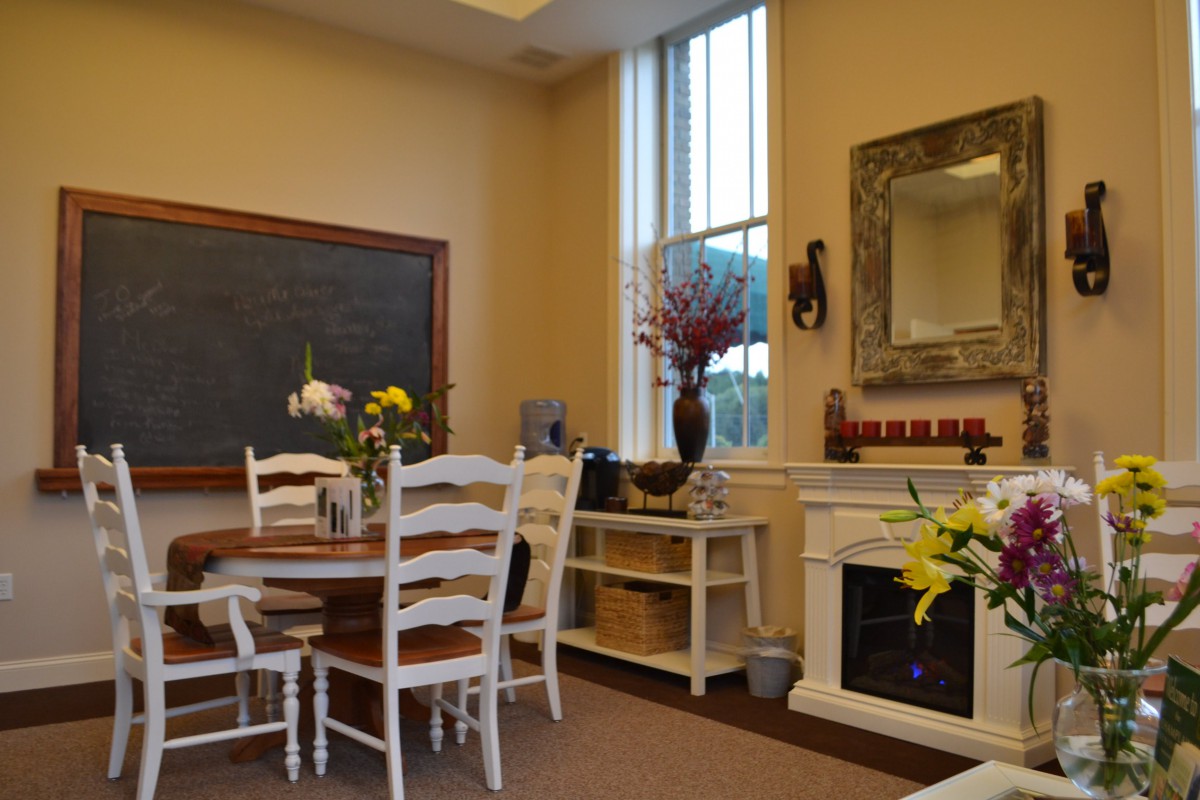
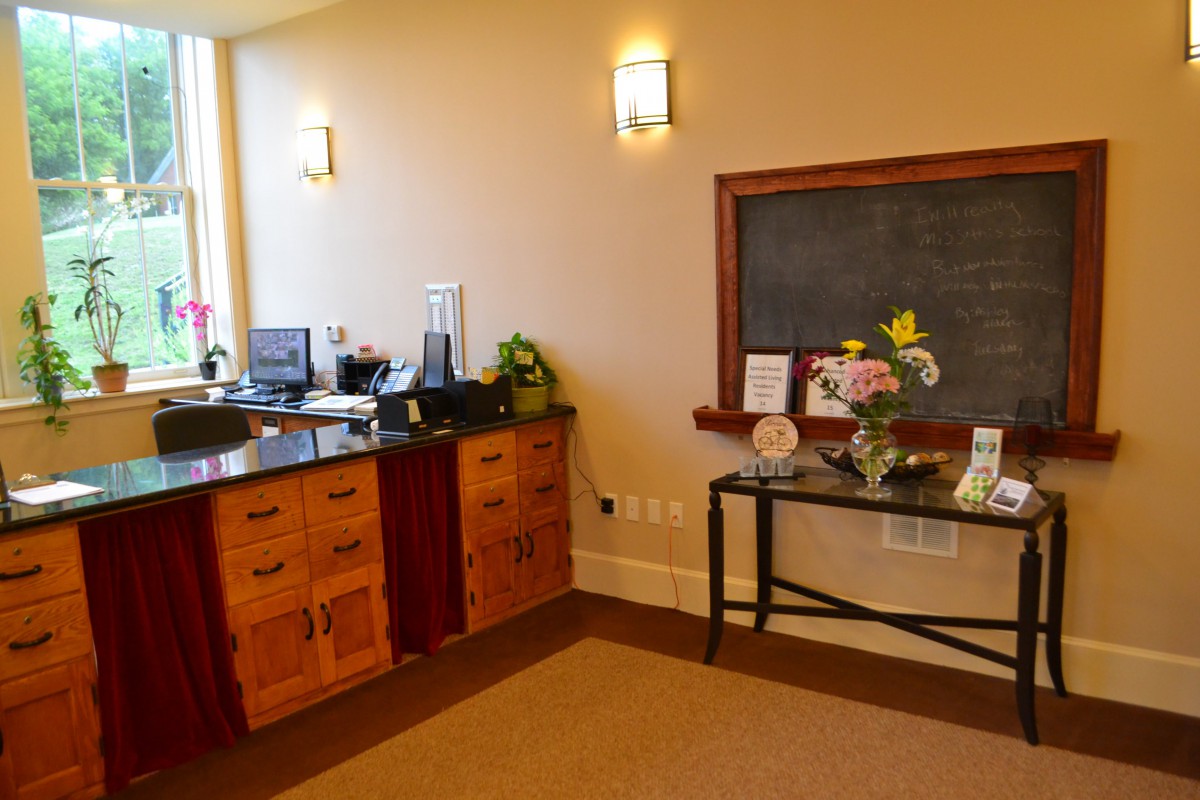
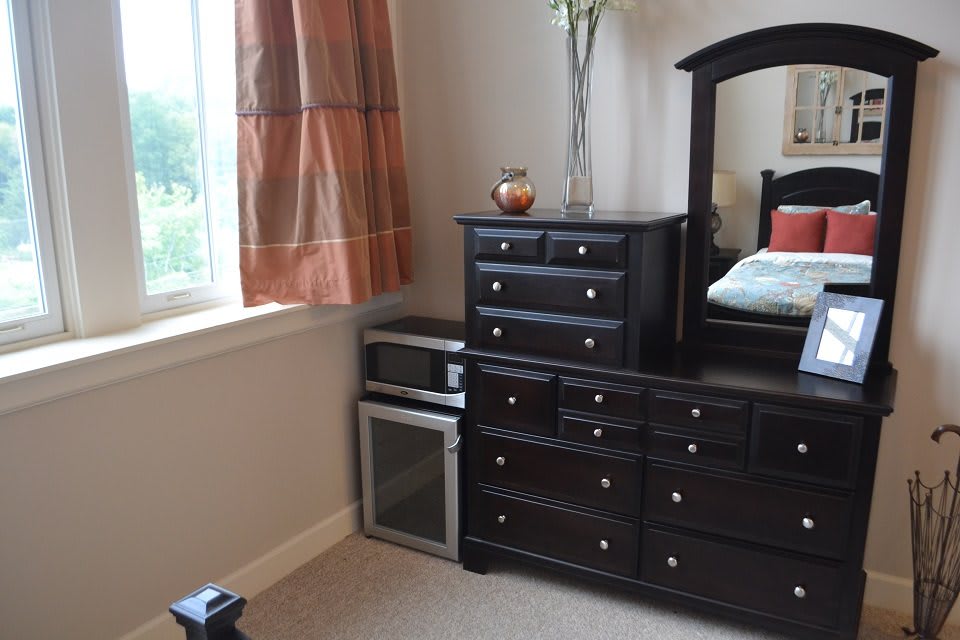
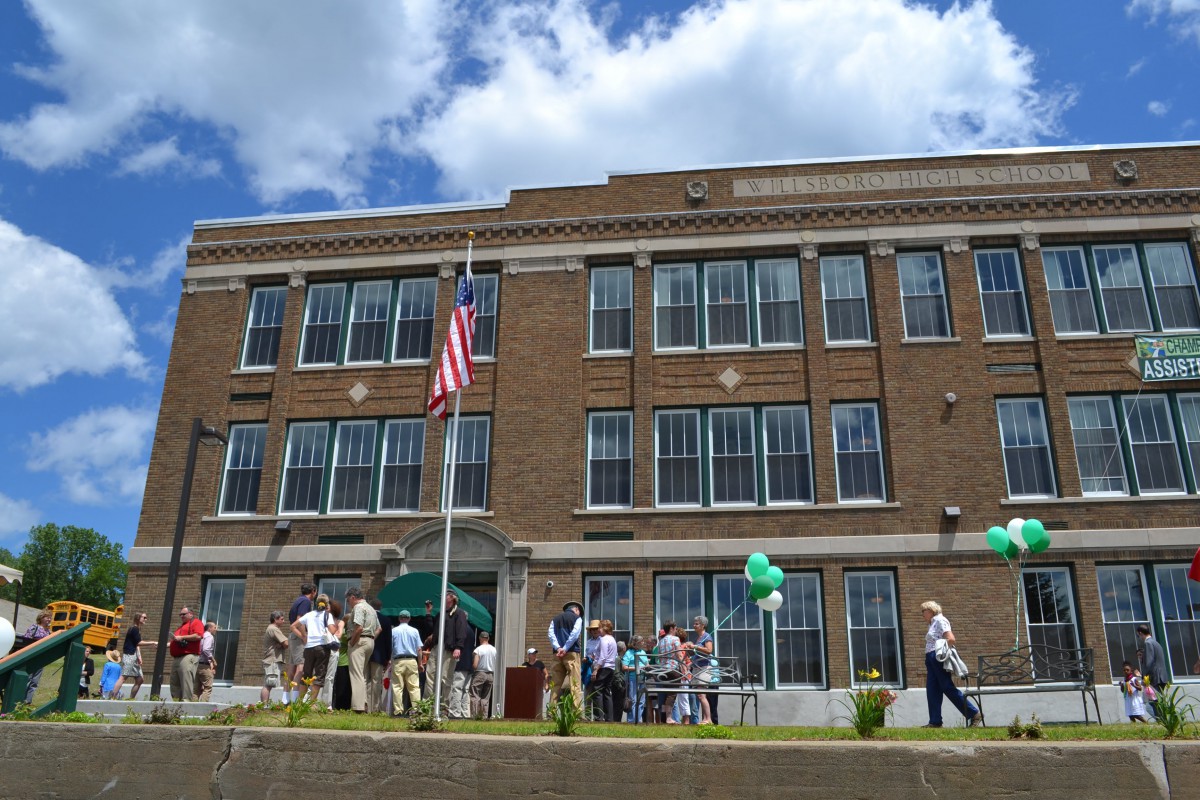
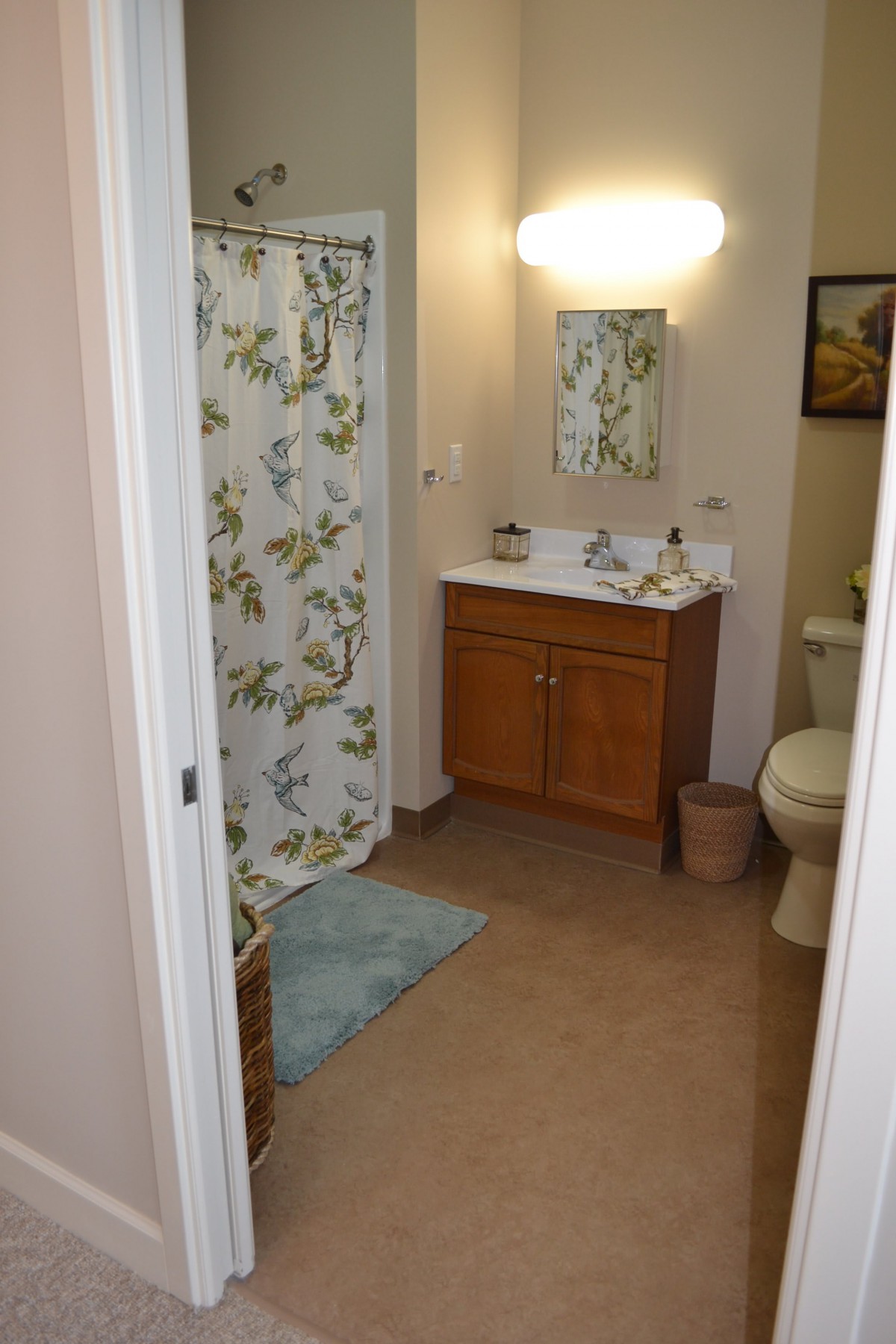
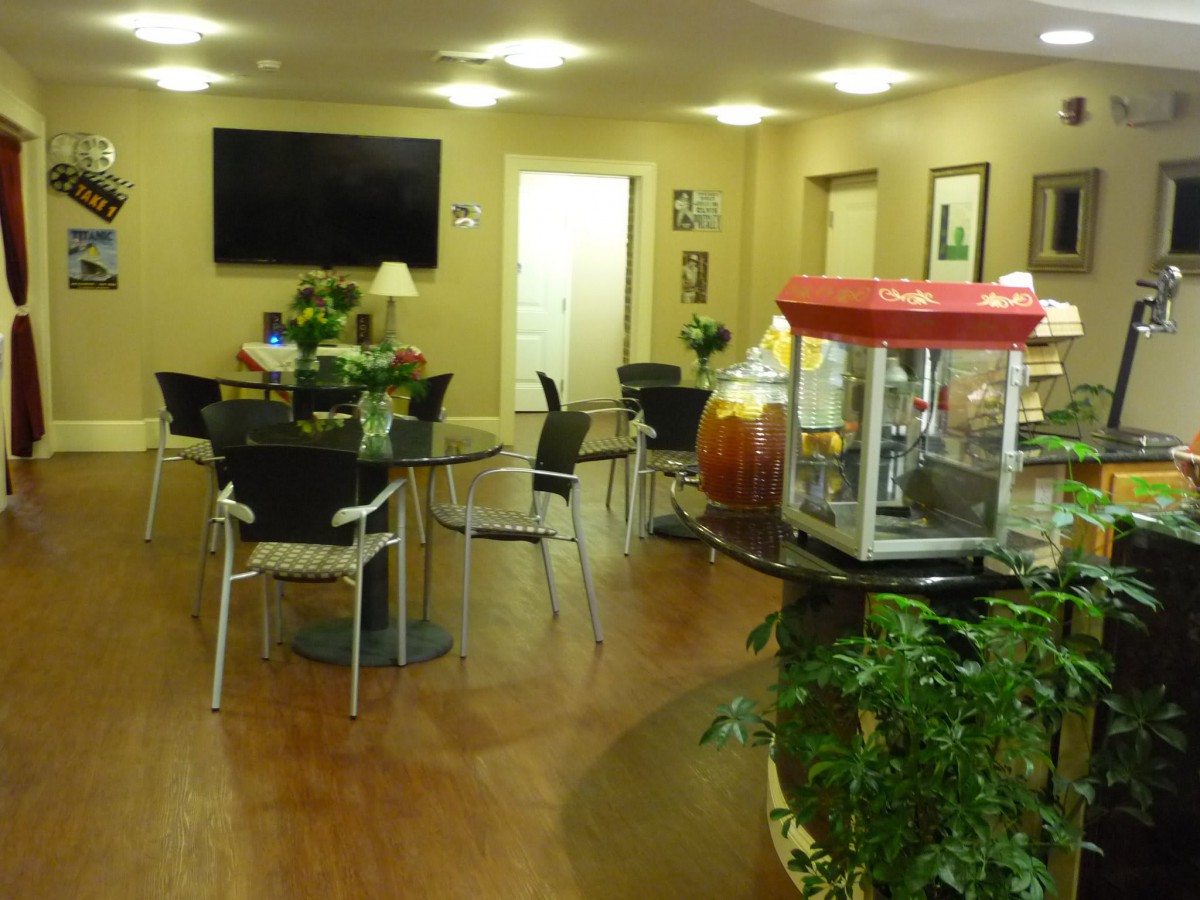
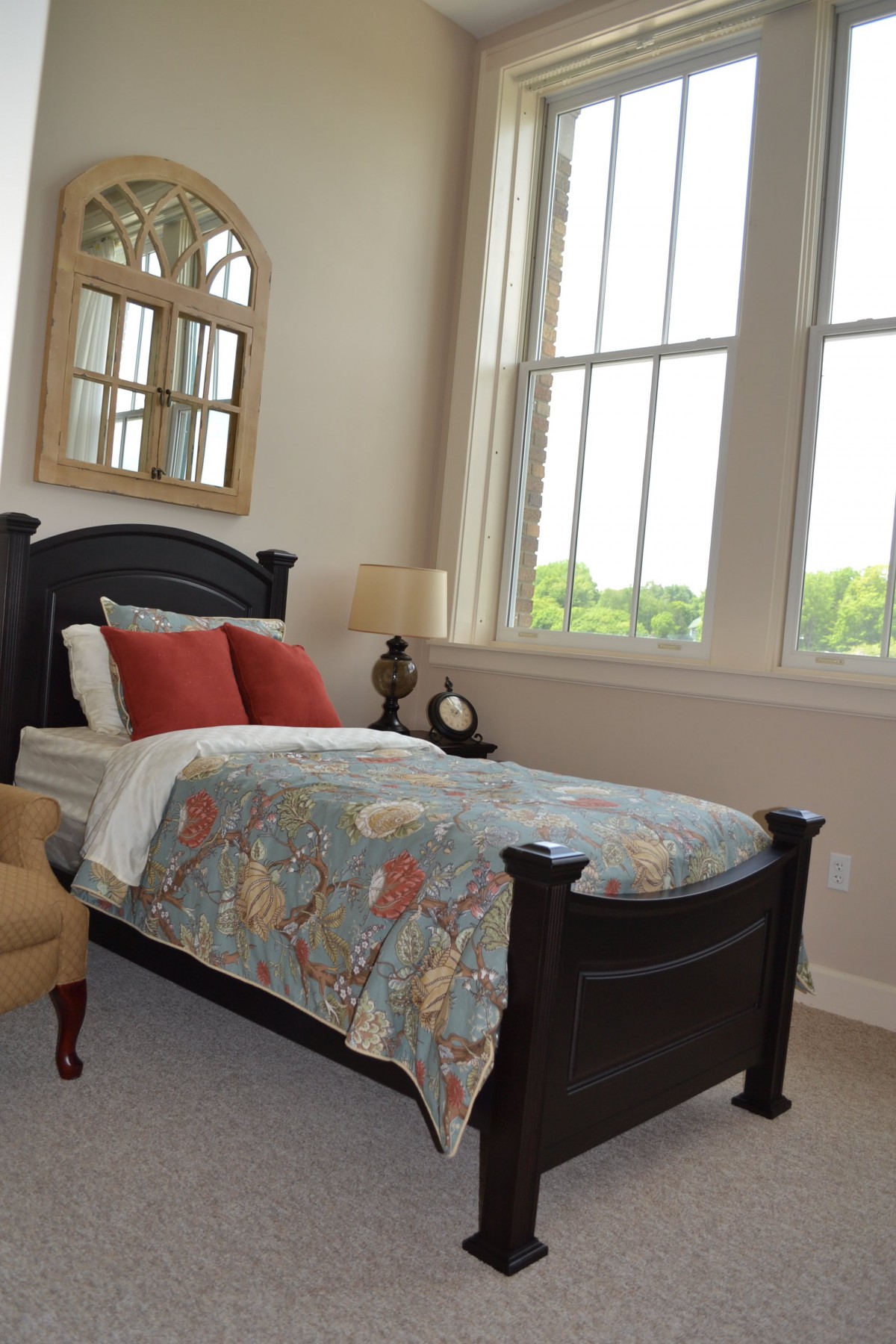
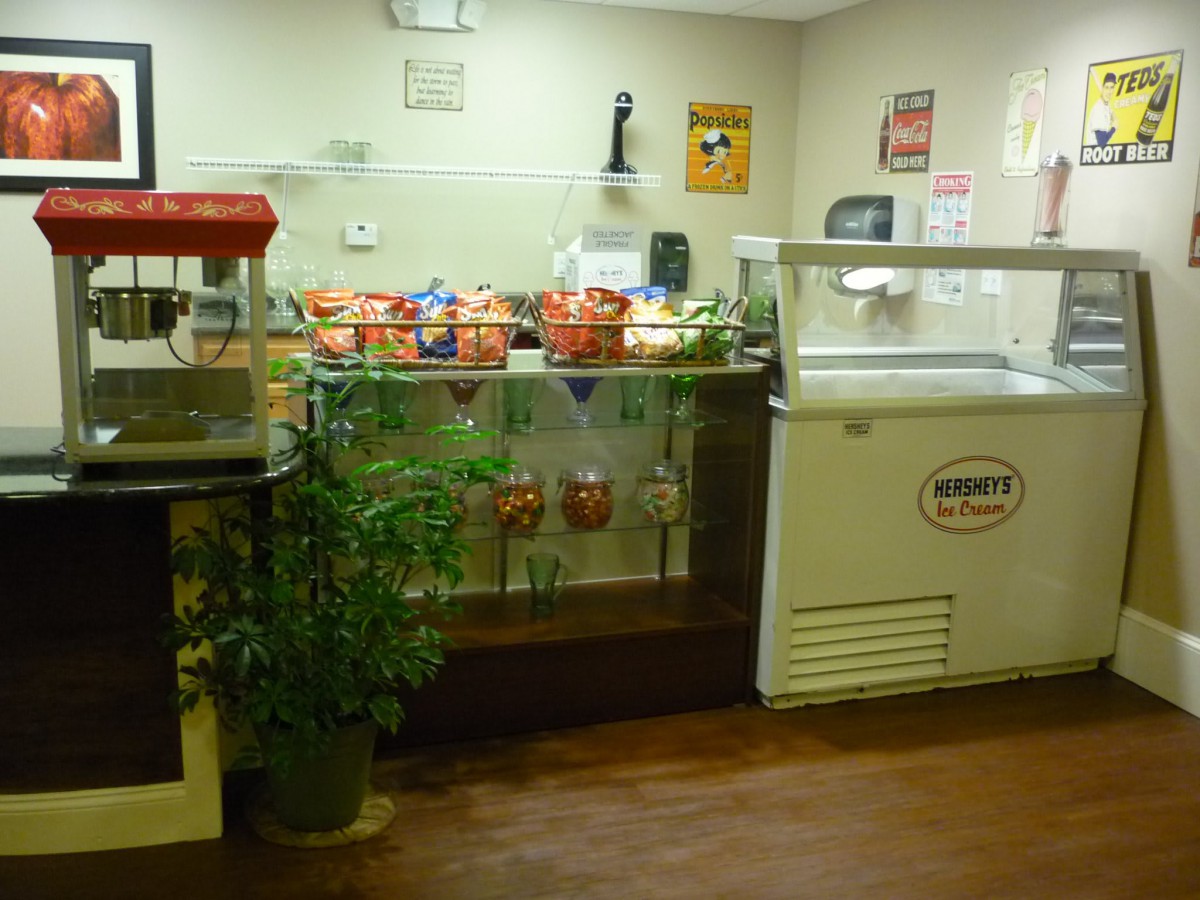
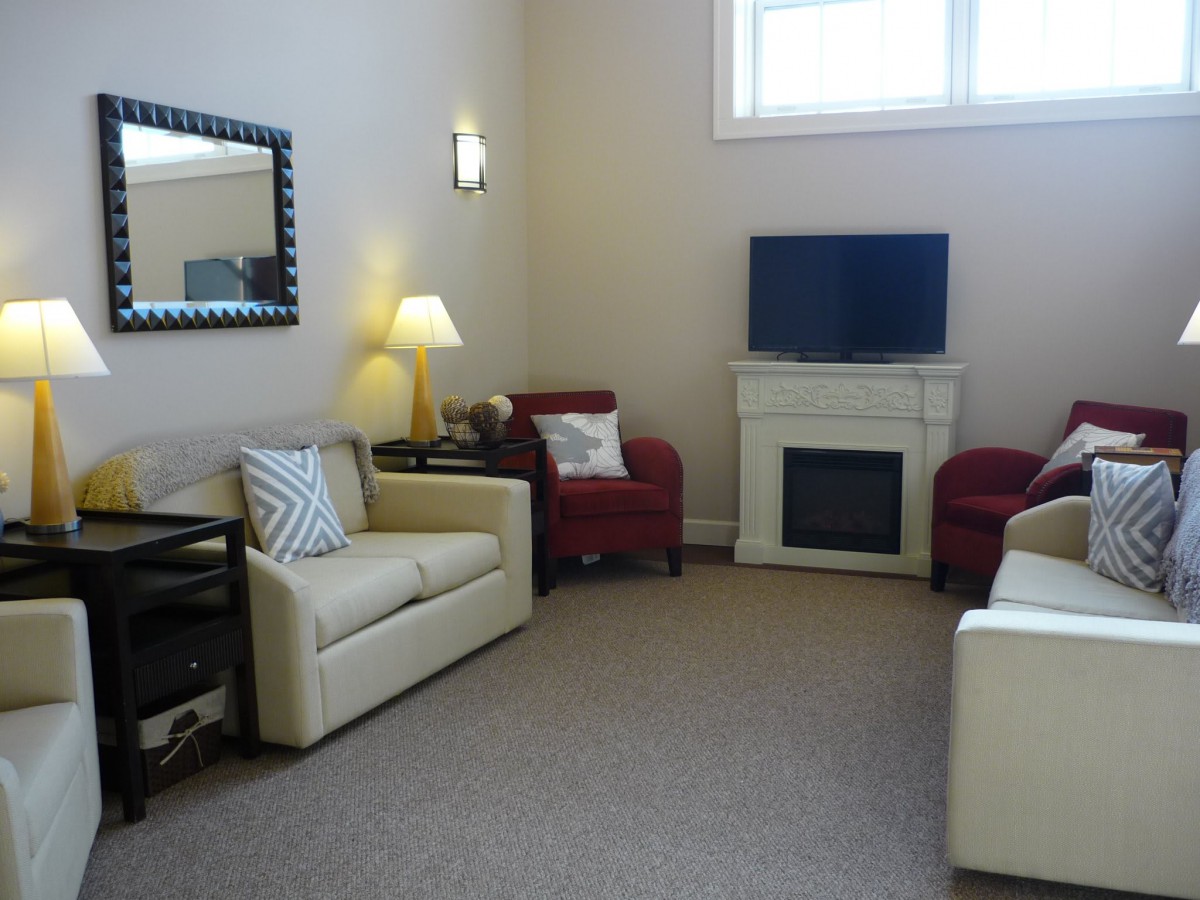
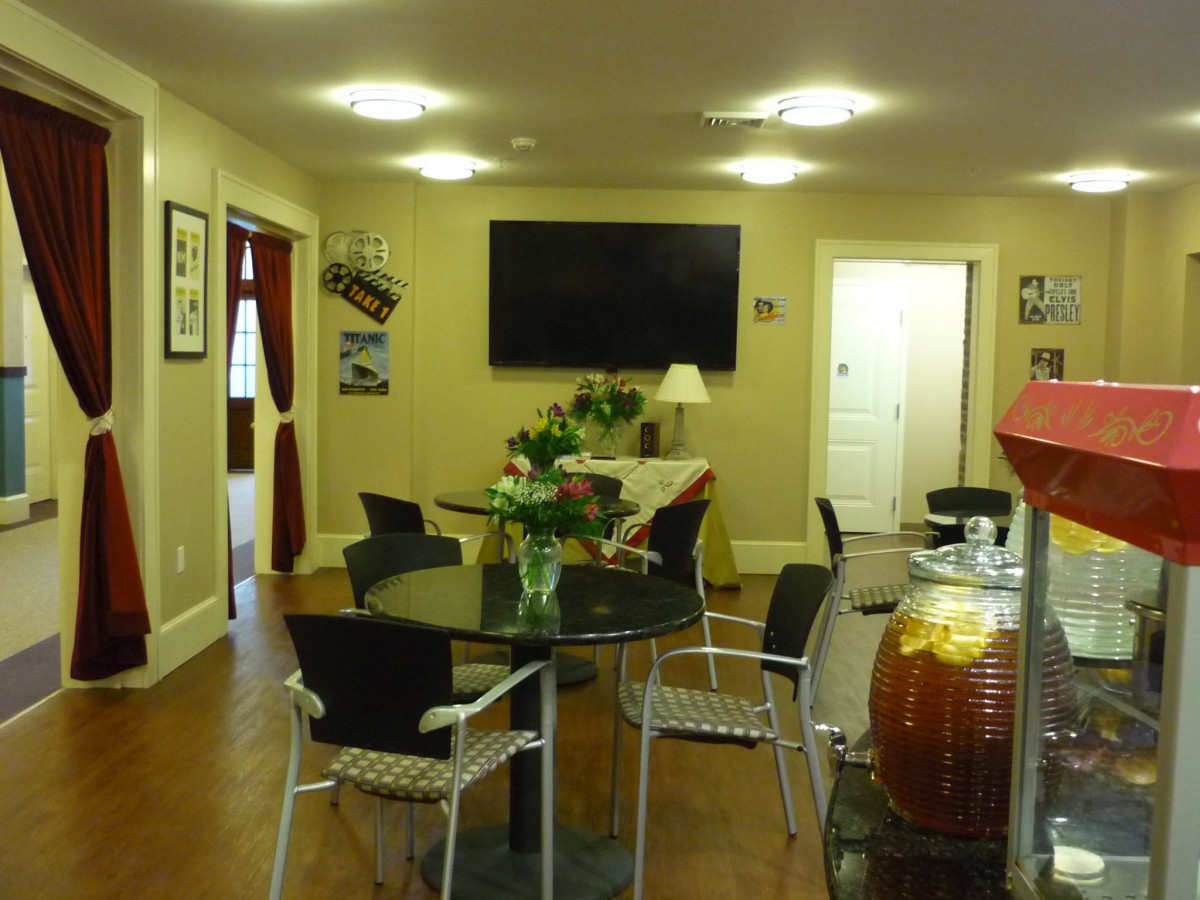
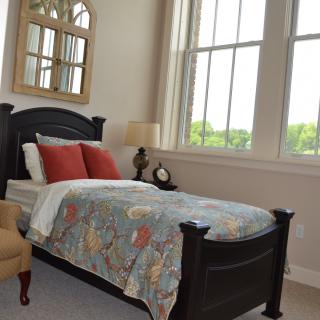
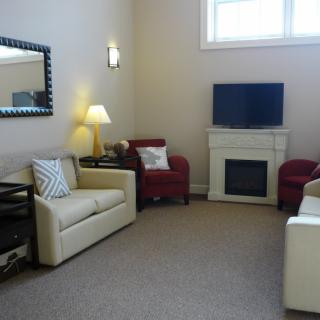
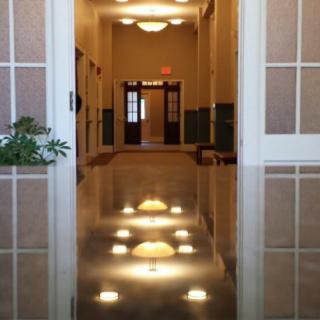
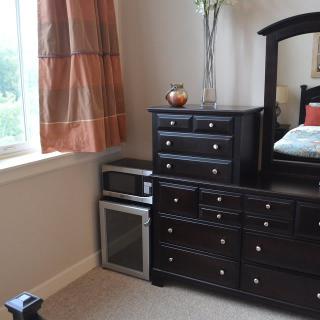
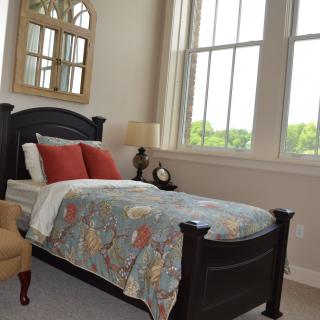
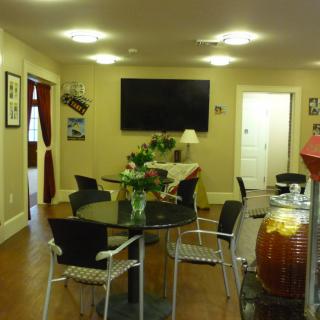
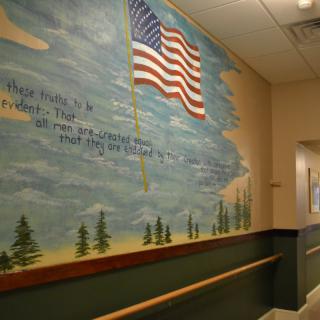
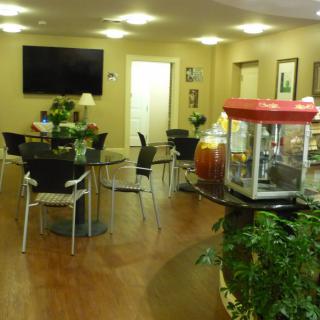
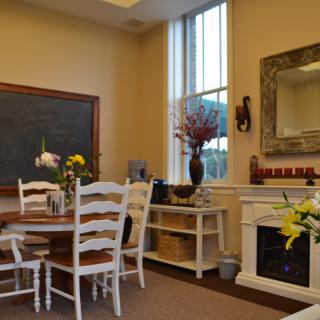
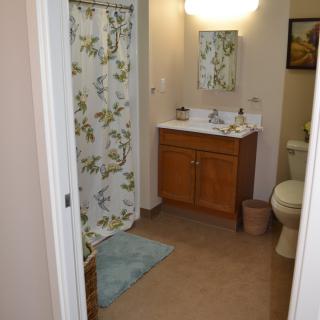
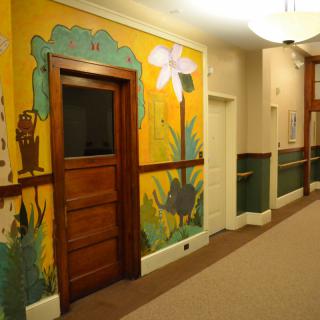
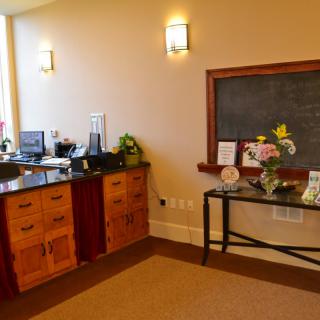
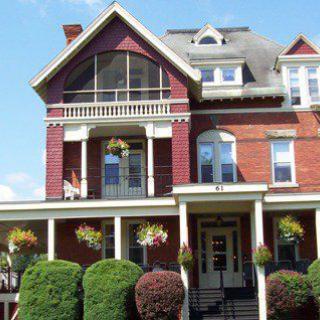
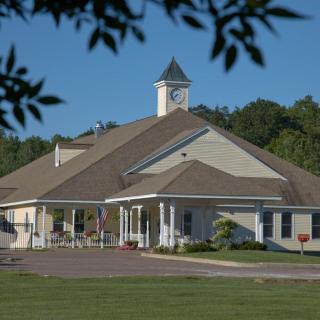
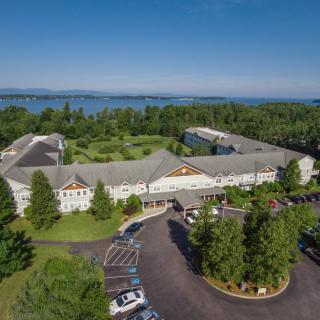
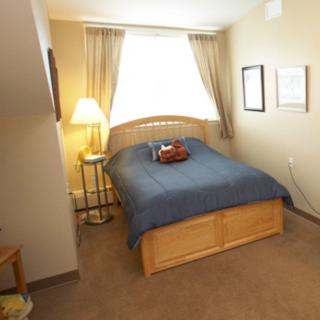
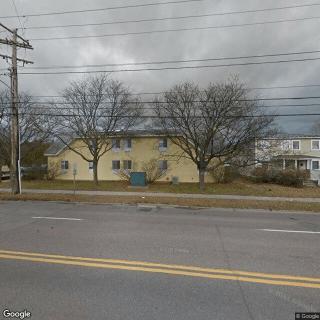
Champlain Valley Senior Community on seniors.fyi includes 24 photos including images showing interior, dining, decor, bedroom, television, hallway, windows, bathroom, and more.
Nearby Communities
Grand Senior Living
Charlotte, VT
Diabetic care support with on-site activities
Linden At Wake Robin
Shelburne, VT
4.4 from 34 reviews
Comprehensive assisted living with diabetic care and convenient access to nearby amenities
Wake Robin
Shelburne, VT
4.3 from 36 reviews
Vibrant community with extensive activities and 24/7 attentive care.
The Arbors of Shelburne
Shelburne, VT
4.8 from 59 reviews
$9,200 to $12,950 / month
Caring staff with dementia-focused care and engaging activities.
Arbors
Shelburne, VT
4.8 from 35 reviews
Compassionate staff providing personalized, dignified care in a homey, engaging environment.
Terraces
Shelburne, VT
4.7 from 9 reviews
$3,200 / month
Intimate community with attentive leadership and affordable pricing.
The Residence at Shelburne Bay
Shelburne, VT
4.6 from 102 reviews
$3,500 to $6,690 / month
Friendly, attentive staff; bright, clean facility with ample amenities.
The Converse Home
Burlington, VT
4.5 from 17 reviews
Warm, welcoming atmosphere with attentive, knowledgeable staff and strong dementia care.
Ethan Allen Residence
Burlington, VT
4.2 from 5 reviews
24/7 supervision with ADL and medication management; fully furnished with dining, housekeeping, Wi?Fi, and outdoor spaces.
Dementia encompasses a range of cognitive impairments characterized by types such as Alzheimer's and vascular dementia, and follows a seven-stage progression model known as the Global Deterioration Scale (GDS), highlighting varying symptoms and decline timelines. Early detection allows for lifestyle adjustments to potentially slow progression, while caregivers need support and resources to manage the challenges involved in caring for affected individuals.
The article presents eight strategies for preserving cognitive health and memory in older adults, emphasizing a nutrient-rich diet, regular exercise, intellectually stimulating activities, adequate sleep, social connections, stress management techniques, limiting harmful substances, and regular medical checkups to mitigate age-related memory decline.
Activities of Daily Living (ADLs) are fundamental tasks vital for an individual's independence, particularly in older adults over 85, and include functions like bathing and dressing; assessing ADLs alongside Instrumental Activities of Daily Living (IADLs) helps determine the level of required assistance due to age-related health challenges. Tailored support plans, involving family and community resources, are essential for maintaining dignity and autonomy in assisted living environments.
Get PricingAsk A QuestionSchedule A TourContact Senior Advisor
By clicking submit, you agree to our Partner's Terms of Use. You
also consent to receive calls and texts, which may be autodialed, from our Partner. Your consent is not a condition to
using our Partner's service. Please visit our Partner's Privacy Policy for information about their privacy practices.


 81 resident community capacity
 1-bedroom apartments
 Assisted Living
 Memory Care
 Skilled Nursing Facility
 Cats allowed
 Dogs allowed
 Activities off-site
 Air-conditioning
 Bath tubs
 Beautician on-site
 Cable or satellite TV
 Computer center
 Devotional services off-site
 Dining room
 Fitness room
 Fully furnished
 Gaming room
 Garden
 Ground floor units
 Handicap accessible
 Housekeeping services
 Indoor common areas
 Kitchenette
 Move-in coordination
 Outdoor common areas
 Private bathrooms
 Respite or short term stays offered
 Restaurant-style dining
 Small library
 Telephone
 Wellness center
 Wheelchair accessible showers
 Wi-Fi/high-speed internet available
 Burlington International (14 miles away)
 Community operated transportation
 12-16 hour nursing
 24-hour call system
 Assistance with bathing
 Assistance with dressing
 Assistance with transfers
 Diabetes diet
 Diabetic care
 High acuity care
 Incontinence care
 Medication management
 Mental wellness program
 Special dietary restrictions
 Art classes
 Catholic services
 Concierge services
 Day trips and outings
 Educational speakers / life long learning
 Happy hour
 Live musical performances
 Wine tasting
 Diabetic care support with on-site activities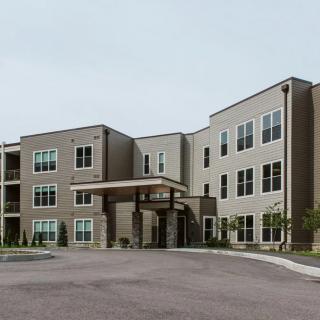
 Understanding Dementia Through Its Seven Stages: A Comprehensive Look at Progression and Expectations
 Safeguarding Your Memory Through the Golden Years: Eight Ways to Preserve Cognitive Health
 Comprehensive Insights into Activities of Daily Living (ADLs) and Their Assessment