
Linden At Wake Robin in Shelburne, VT
SaveInterior

Decor
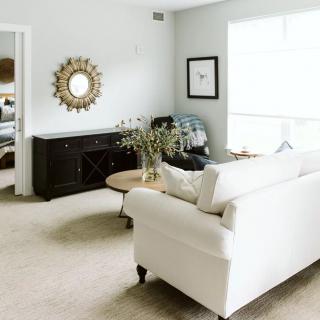
Living Room
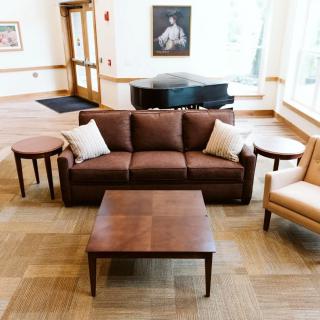
Building
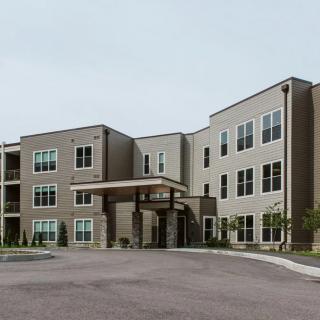
Architecture
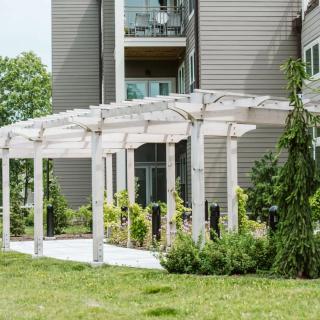
Windows
Lighting
Bathroom
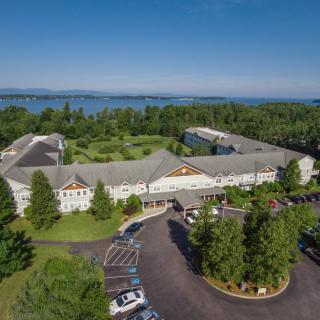
Linden At Wake Robin is an assisted living community in Shelburne, VT.
Information last verified:
200 Wake Robin Dr, Shelburne, VT 05482
For more information about senior living options: (866) 208-4318
 The facility is beautiful and clean, with very personable staff. It is a very nice place for the elderly. It is a beautiful retirement destination with lots to do and a friendly atmosphere. The staff are great, the campus is inviting, and there are many programs and activities for residents. It is a first-class facility with exceptional staff and management, showing care for every resident. The staff are very kind. The staff are caring and knowledgeable; the food from local farms and suppliers is great, and the views are amazing, making it a wonderful place to work and live. Residents are well taken care of.
 The retirement community is expensive. There is a long waiting list to get in.
Linden at Wake Robin in Shelburne, Vermont is best suited for active seniors who want a premium, life-rich retirement environment with dependable care. This community shines for families seeking a campus-style setting where programming runs the full spectrum, from fitness and arts to social activities, without sacrificing day-to-day support. The patient, personable staff, clean and attractive surroundings, and a management team that communicates clearly create a sense of reliability. The welcome is consistently warm, with residents and visitors treated like family, and the views and on-site dining built around a quality, local-food ethos. The combination of a beautiful physical plant and a robust activity calendar makes it a compelling option for those who view senior living as an ongoing lifestyle choice rather than a simple housing decision.
However, Linden at Wake Robin is not for budgets constrained by price, nor for families seeking a lightweight, ultra-independent experience. The community’s premium positioning means higher costs, and there is a well-known long waiting list, which can delay transitions for those with urgent care or tighter timelines. Prospective residents who prefer a more casual pace or a smaller, less structured environment may find options elsewhere that feel less formal. Those requiring highly specialized memory care or outsized clinical support may want to confirm Wake Robin’s current capabilities and whether a seamless escalation path exists within the same campus.
On the plus side, the core advantages are hard to ignore. Residents consistently praise the beautiful, clean facility and the campus atmosphere, with staff described as caring, knowledgeable, and genuinely kind. The offerings feel expansive: diverse programs and activities, engaging social life, and dining sourced from local farms that emphasize quality. The setting, amazing views, adds a tangible quality-of-life boost that matters for daily mood and motivation. Staff competency and management adherence to resident well-being come through in multiple accounts, including remarks that Wake Robin truly cares about each person and that care is delivered with warmth and respect. For families, this translates into less day-to-day stress about safety, meals, and meaningful engagement.
Still, the downsides cannot be ignored. The price tag is real, and the expense is repeatedly cited as a consideration against the backdrop of other options. The wait to gain admission further complicates planning, especially for those who need a move within a defined window. A few negative voices appear in the mix, signaling that not every experience aligns with the aspirational image; those looking for a flawless, uniform experience should approach with diligence. The right match emerges when the costs are weighed against the tangible benefits, relational warmth, strong care teams, and a high-caliber living environment, but the potential gaps underscore the necessity of careful due diligence before committing.
To make the evaluation practical, tours should be treated as interviews. Prospective families should observe care routines, meet frontline staff and management, and ask to talk with current residents about daily life. Scrutinize the calendar of activities, dining menus, transportation options, and any additional care services that might be billed separately. Clarify what is included in base fees versus add-ons, and verify future financial terms, such as potential increases. If possible, request trial visits or respite stays to gauge fit. Gather references, and consider how the community’s philosophy aligns with long-term goals for mobility, independence, and social engagement.
In short, Linden at Wake Robin excels for families seeking a premium, socially vibrant setting with a dependable care team and outstanding staff culture, and for residents who value luxury finishes, ongoing programming, and a picturesque Vermont backdrop. Those with tighter budgets or urgent timelines, or those who need very targeted memory-care support beyond what the campus currently demonstrates, should explore alternatives with lower costs and faster admission paths. The strongest course is to engage early, compare several communities side by side, and anchor the decision to how well the pace of life, care framework, and financial plan align with the family’s goals. When the match is right, Wake Robin delivers on its promise of dignified, compassionate aging in a genuinely welcoming environment.
 Assisted Living
 Activities on-site
 Devotional services off-site
 Indoor common areas
 Burlington International (9 miles away)
 Ambulatory care
 Diabetic care
 Meals provided Activities on-site Devotional activities offsite
Linden At Wake Robin is a premier assisted living community located in the scenic town of Shelburne, VT. Our community offers a range of amenities and care services to ensure our residents' comfort and well-being.
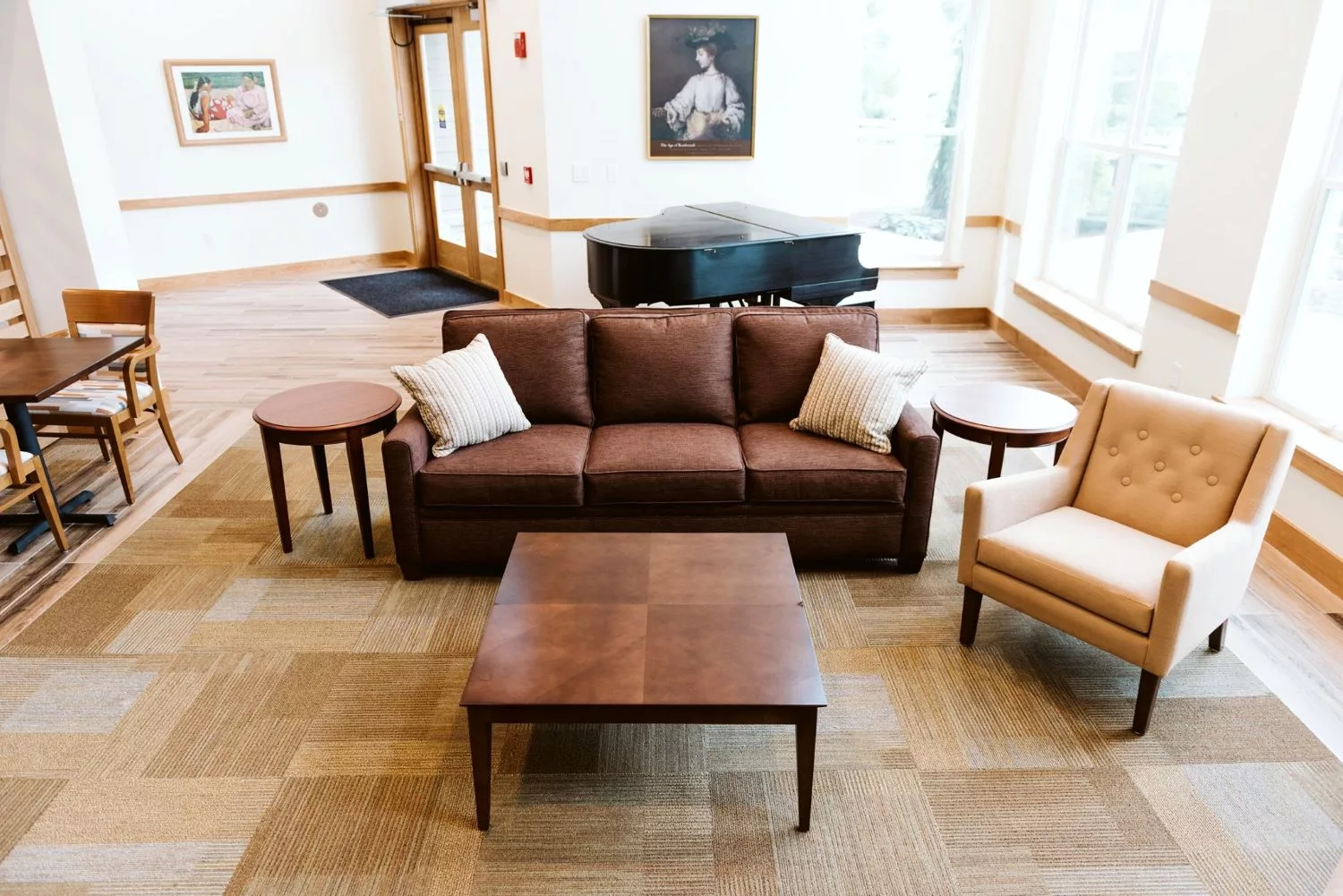
For those seeking spiritual fulfillment, devotional services are available off-site, providing residents with opportunities for reflection and connection. Our indoor common areas provide inviting spaces for socializing, relaxation, and entertainment.
We understand the importance of catering to specific healthcare needs, which is why we offer specialized diabetic care services. Our trained staff members are equipped to provide personalized support to residents with diabetes, ensuring they receive the attention and assistance they require.
In addition to comprehensive care services, Linden At Wake Robin also prioritizes maintaining an active lifestyle for our residents. Devotional activities are organized offsite, giving individuals the chance to participate in meaningful spiritual experiences within their community.
Convenience is a key aspect of our location. With several cafes, parks, pharmacies, restaurants, physicians' offices, and places of worship nearby, our residents have easy access to various amenities and services that enhance their quality of life.
At Linden At Wake Robin in Shelburne, VT, we strive to create a warm and nurturing environment where seniors can thrive in their retirement years.
Linden At Wake Robin is located at 200 Wake Robin Dr, Shelburne, VT 05482 in Chittenden County, Vermont
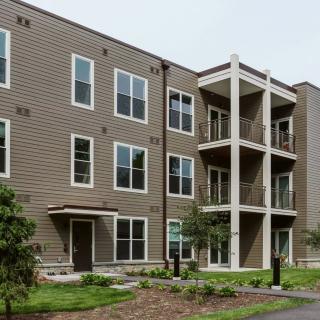
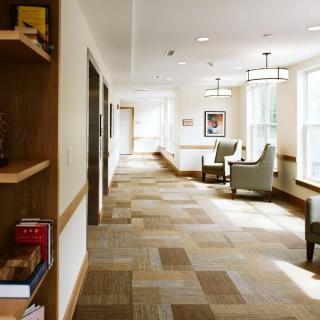
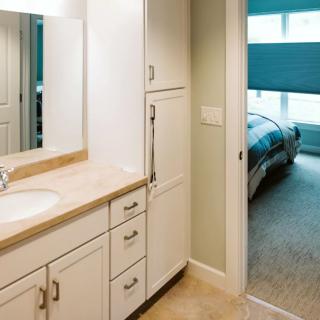
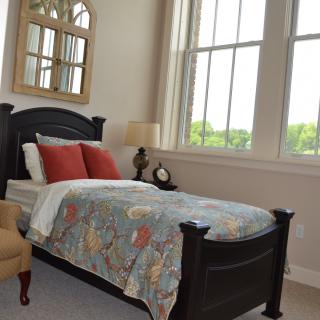
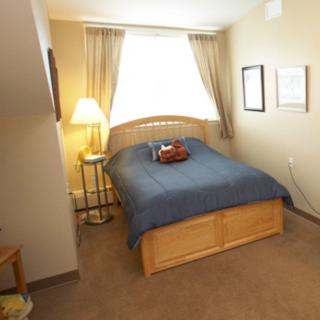
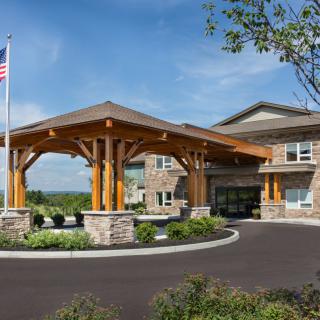
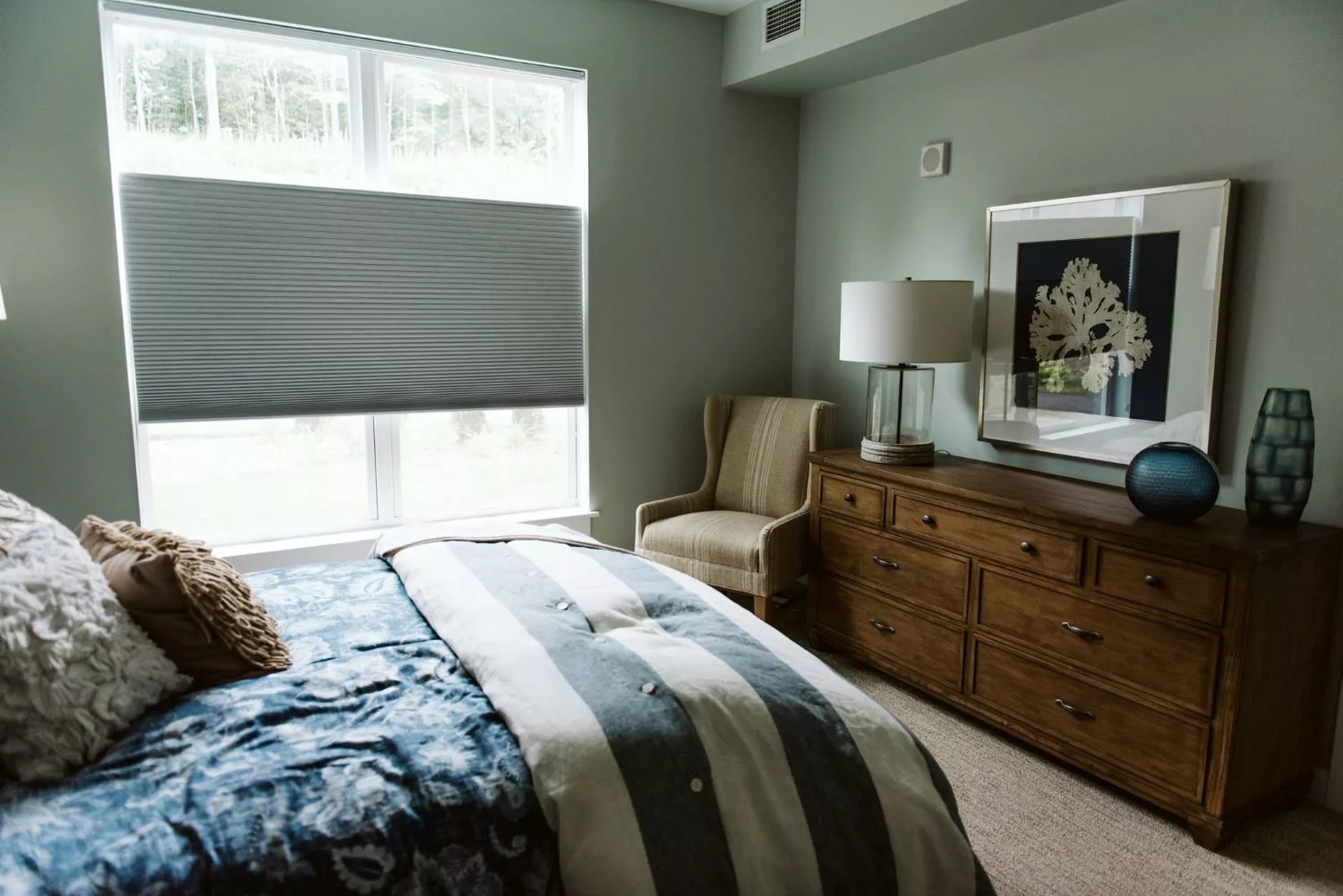
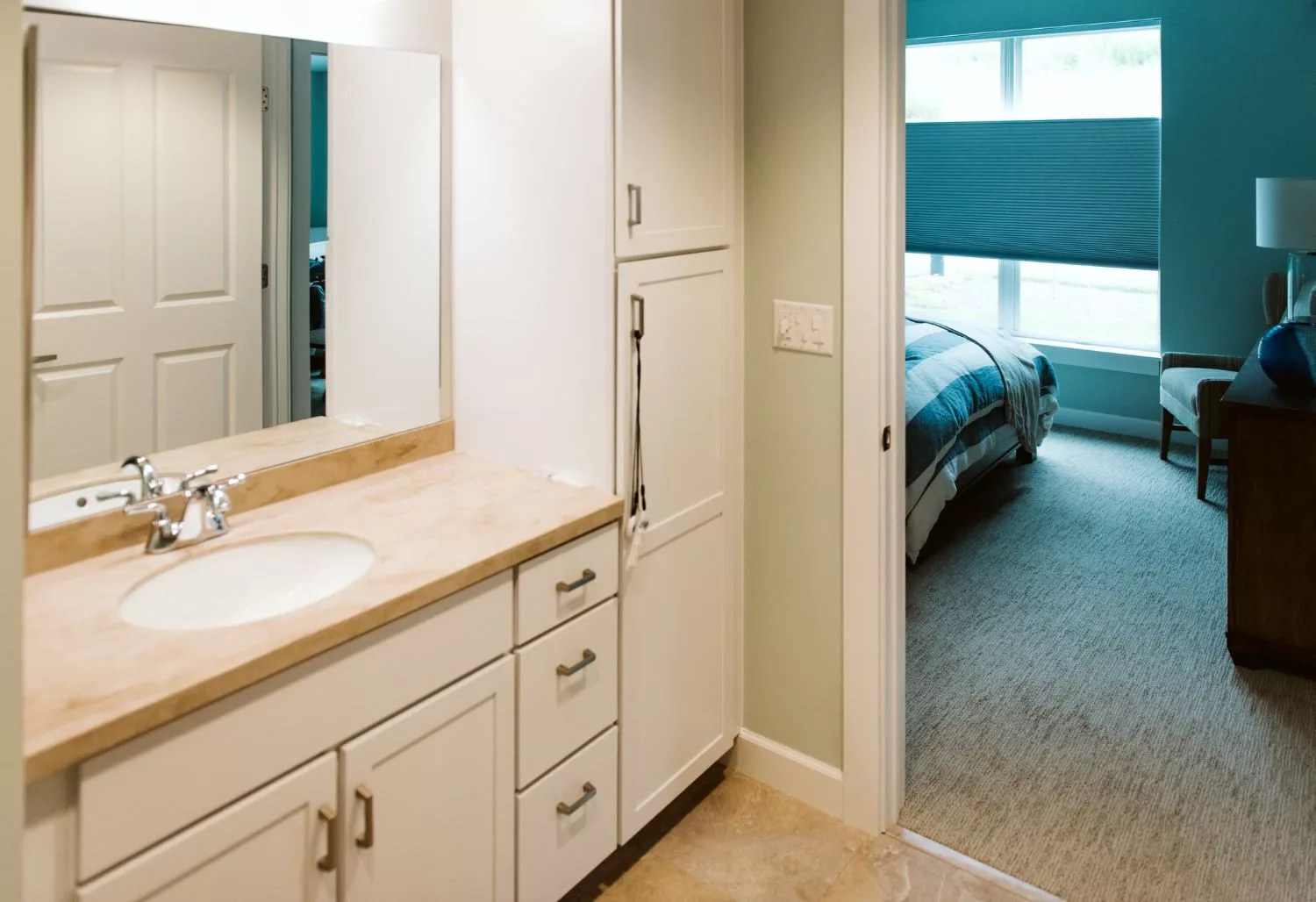
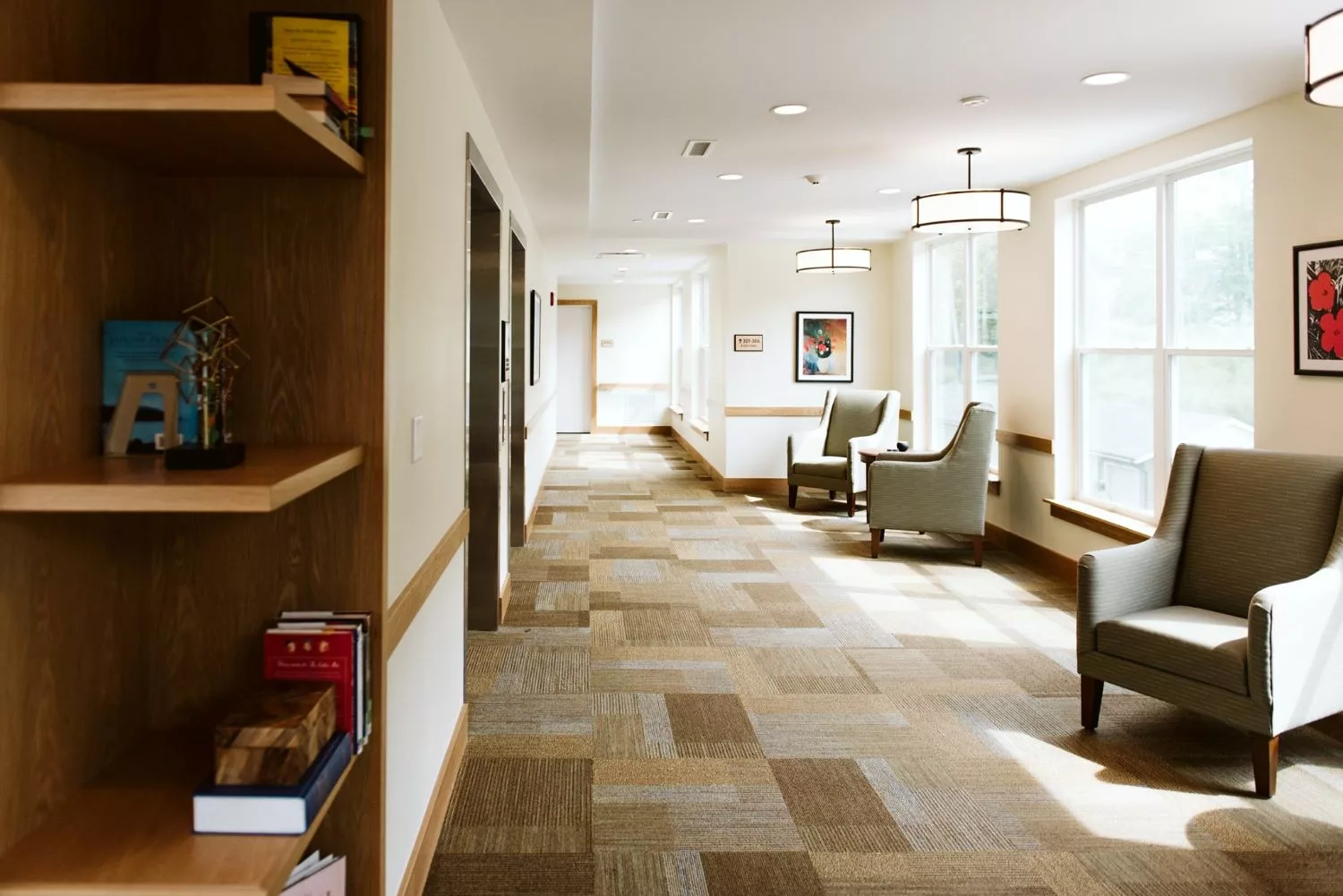
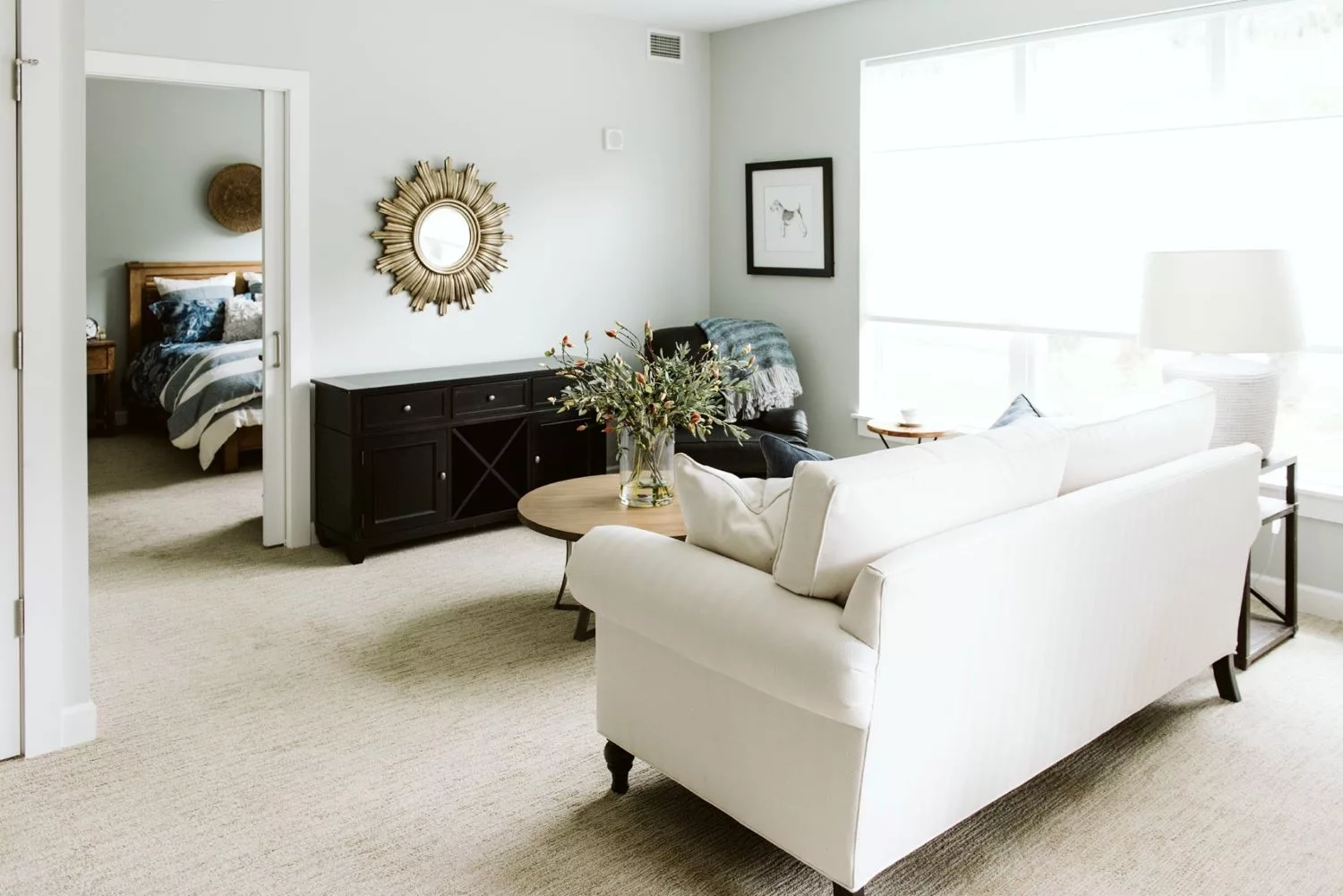
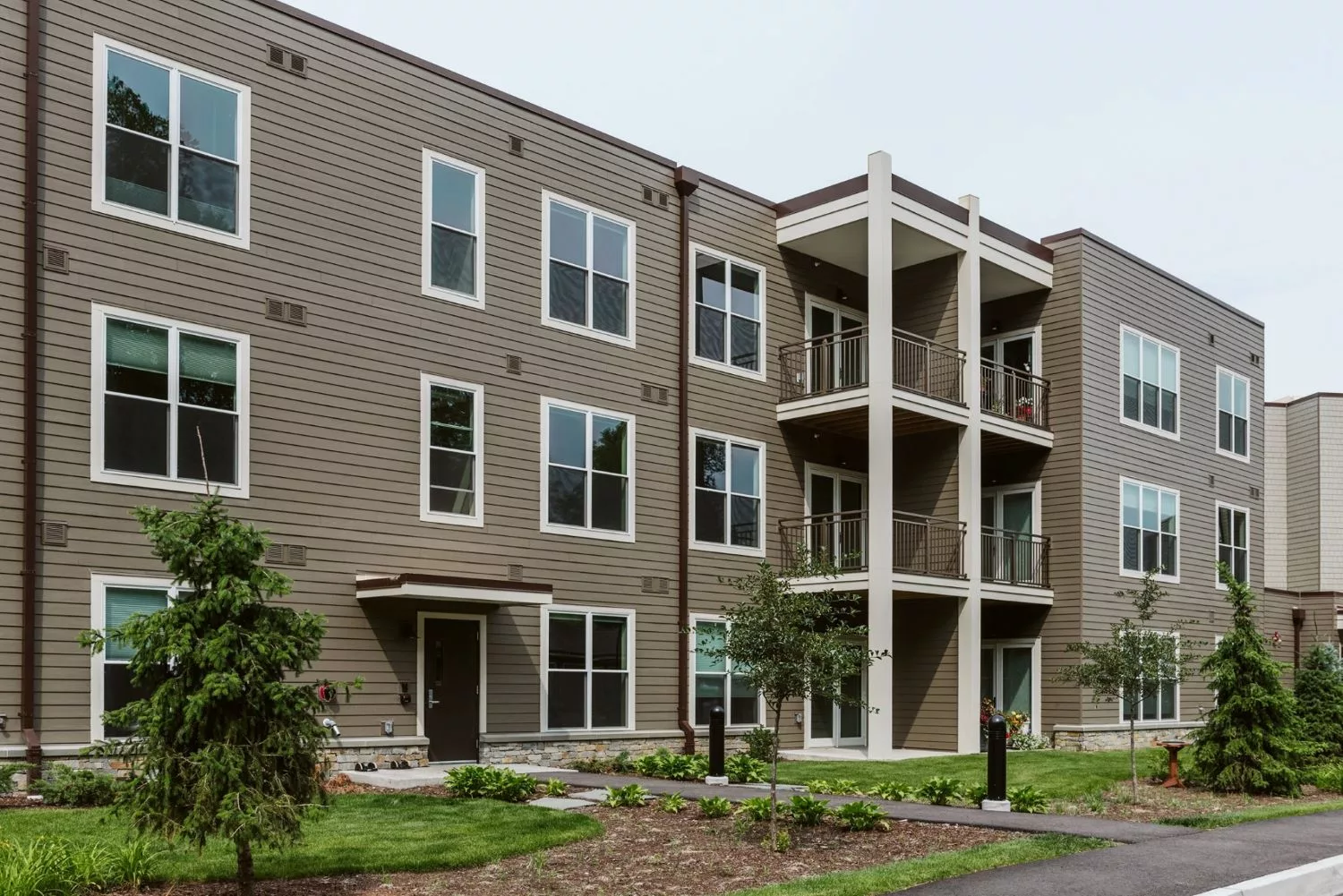
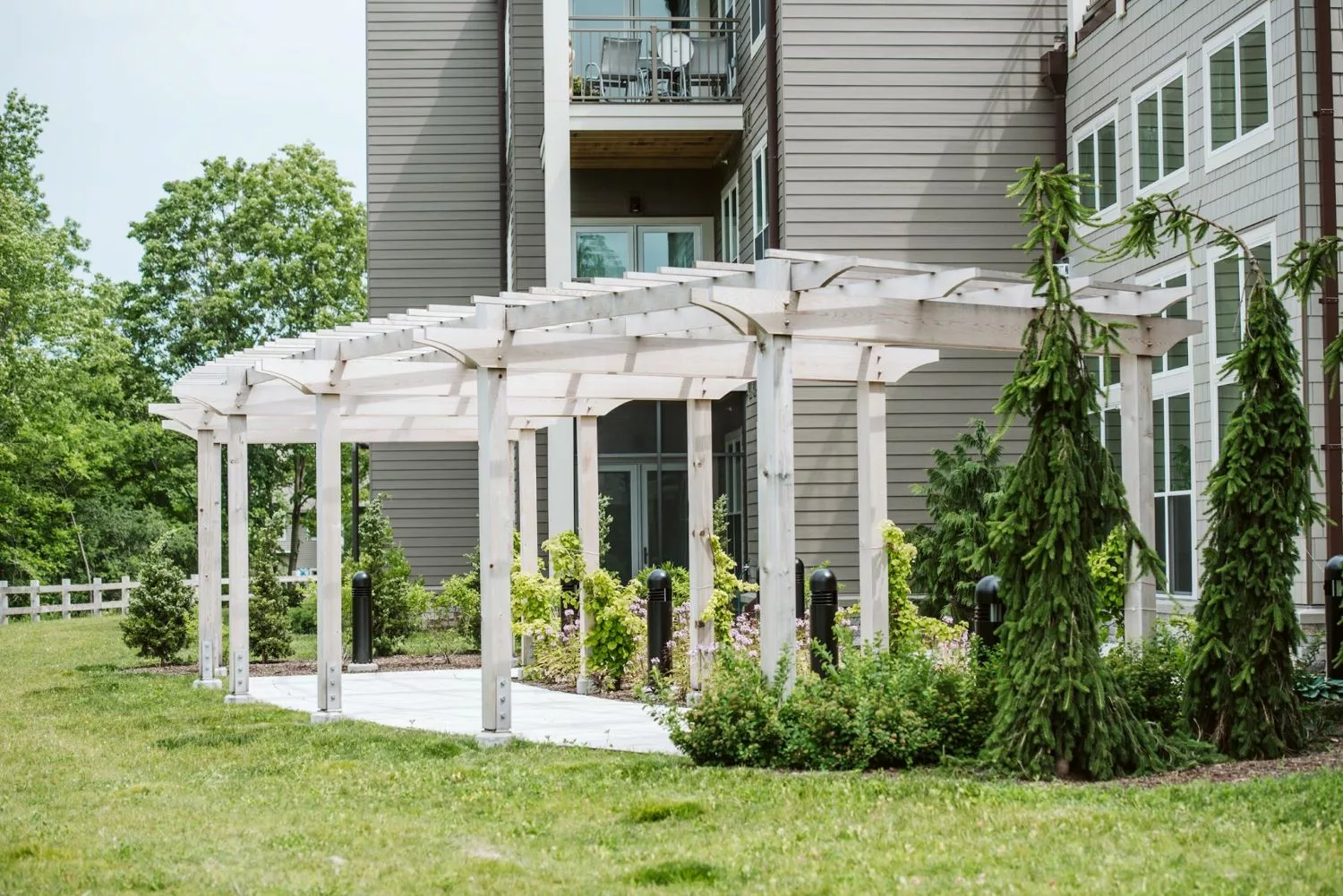
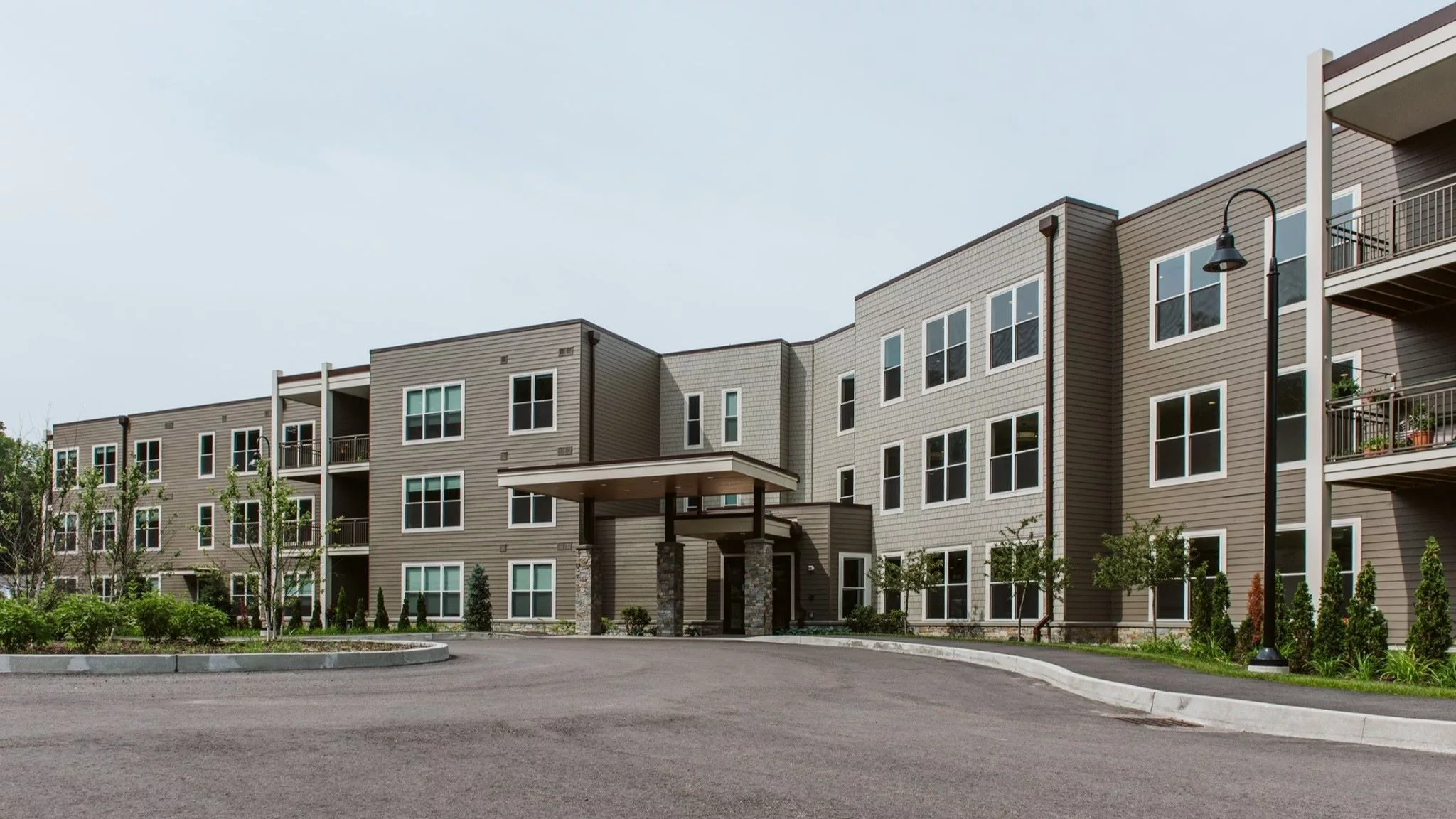
Linden At Wake Robin on seniors.fyi includes 8 photos including images showing interior, windows, landscaping, living room, architecture, apartment building, bedroom, bathroom, and more.
Wake Robin
Shelburne, VT
Vibrant community with extensive activities and 24/7 attentive care.
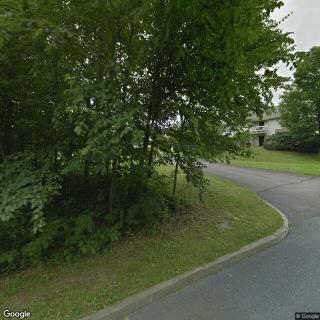
Terraces
Shelburne, VT
Intimate community with attentive leadership and affordable pricing.
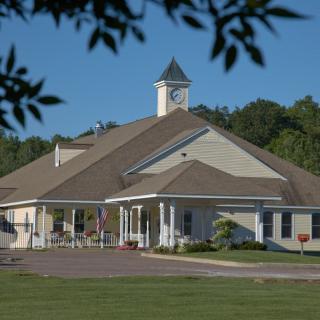
The Arbors of Shelburne
Shelburne, VT
Caring staff with dementia-focused care and engaging activities.
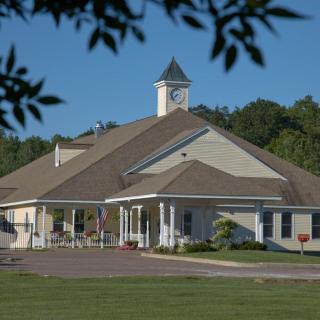
Arbors
Shelburne, VT
Compassionate staff providing personalized, dignified care in a homey, engaging environment.
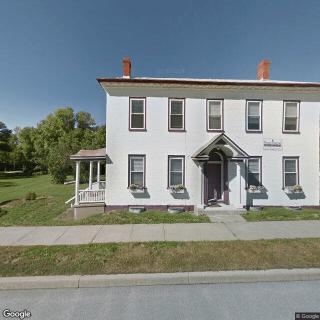
Home Instead - Shelburne, VT
Shelburne, VT
Compassionate, well-matched caregivers and supportive staff delivering personalized care.
The Residence at Shelburne Bay
Shelburne, VT
Friendly, attentive staff; bright, clean facility with ample amenities.
Champlain Valley Senior Community
Willsboro, NY
Compassionate staff and engaging activities in a hotel-like setting.
The Converse Home
Burlington, VT
Warm, welcoming atmosphere with attentive, knowledgeable staff and strong dementia care.
The Residence at Quarry Hill
South Burlington, VT
Caring, responsive staff; clean, well-maintained spaces; engaging activities and solid rehab support.
The transition from assisted living to skilled nursing care is often prompted by complex medical needs that assisted living cannot meet, with key indicators including frequent health declines, increased falls, severe memory issues, and caregiver burnout. Families should recognize these signs early to discuss options with healthcare providers and prepare for the emotional and logistical aspects of moving to a facility that offers comprehensive medical support.
 Vibrant Senior Living: A Comprehensive Guide for Active Older Adults
Vibrant Senior Living emphasizes active senior living communities that promote independence and engagement through diverse amenities and activities, fostering wellness and social interaction among older adults. These communities range from independent to assisted living, with a focus on personal growth, family involvement, financial planning, and leveraging technology to enhance residents' experiences.
Transitioning from assisted living to memory care is driven by an individual's cognitive decline and specific needs, requiring careful evaluation of indicators like increased confusion and wandering. The process involves consulting medical professionals, researching suitable communities, considering financial and legal aspects, and ensuring effective communication for personalized care plans.
Interior
Decor
Living Room
Building
Architecture
Windows
Lighting
Bathroom

 8 Key Indicators That Suggest It May Be Time to Transition from Assisted Living to Skilled Nursing Care
 When to Transition from Assisted Living to Memory Care: Key Indicators, Steps, and Finding the Right Community