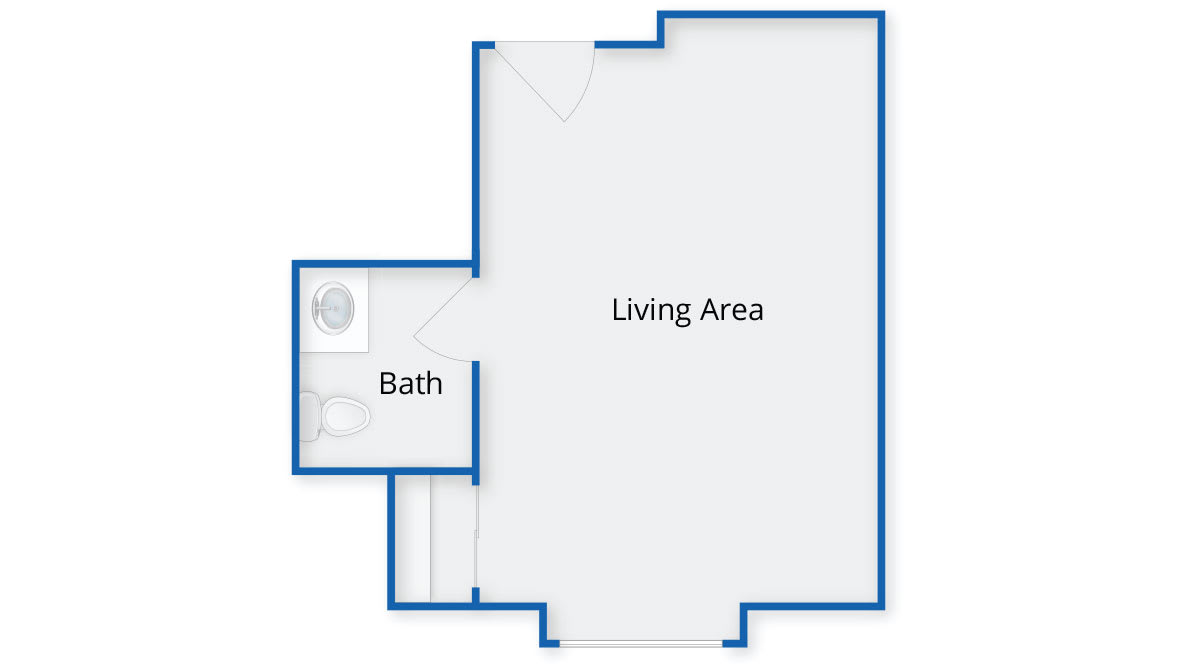
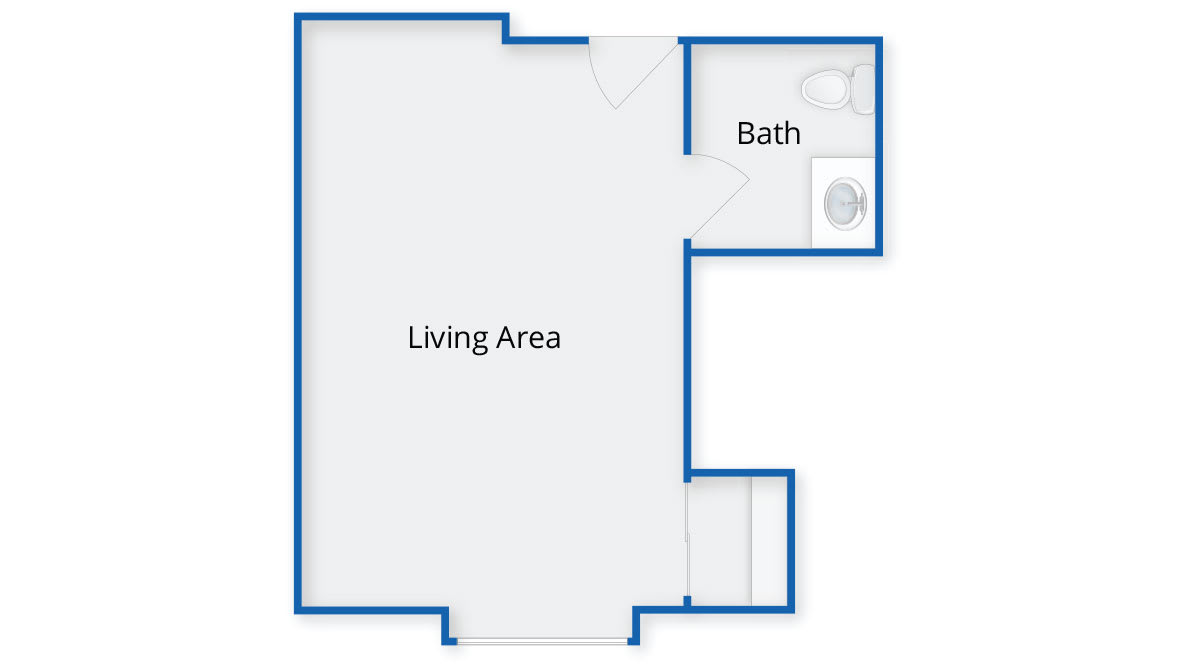
The Arbors of Shelburne offers a distinctive pricing structure that reflects its premium services and amenities. For a semi-private room, residents can expect to pay $9,200 per month, significantly higher than the averages in Chittenden County at $6,080 and throughout Vermont at $5,174. Similarly, the cost for a studio unit is positioned at $12,950, well above the county average of $5,865 and the state average of $5,259. This pricing suggests that The Arbors of Shelburne caters to those seeking an elevated level of care and comfort within a vibrant community setting.
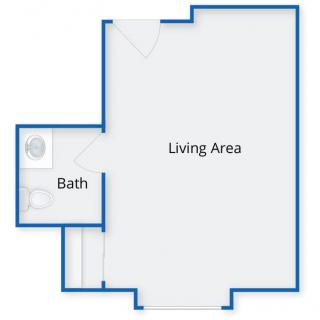
Floor plans
The Arbors of Shelburne
Chittenden County
Vermont
Semi-Private
$9,200
$6,080
$5,174
Studio
$12,950
$5,865
$5,259
Memory care communities with a similar price nearby
Residents and families consistently describe staff who are kind, professional, and quick to help.
Across reviews, the most repeated theme is how residents are treated like people, not just patients. Family members describe staff members as respectful, patient, and attentive to daily needs, and they often mention frequent check-ins and clear updates. Several reviewers also highlight that staff respond promptly when problems come up and help both residents and visitors feel supported during transitions.
differentiator18 reviews mention this
Memory care programming and engagement
The community focuses on keeping residents engaged through daily activities designed for memory care needs.
Residents and families describe a schedule of activities that goes beyond basic supervision. Reviews mention day-to-day programming, outings, and group engagement, with some residents encouraged or supported to participate as much as possible. Multiple comments connect the activity plan to comfort and quality of life as symptoms and needs change over time.
common8 reviews mention this
Food and meal enjoyment
Food is a consistent positive point, with meals described as enjoyable and supportive of care needs.
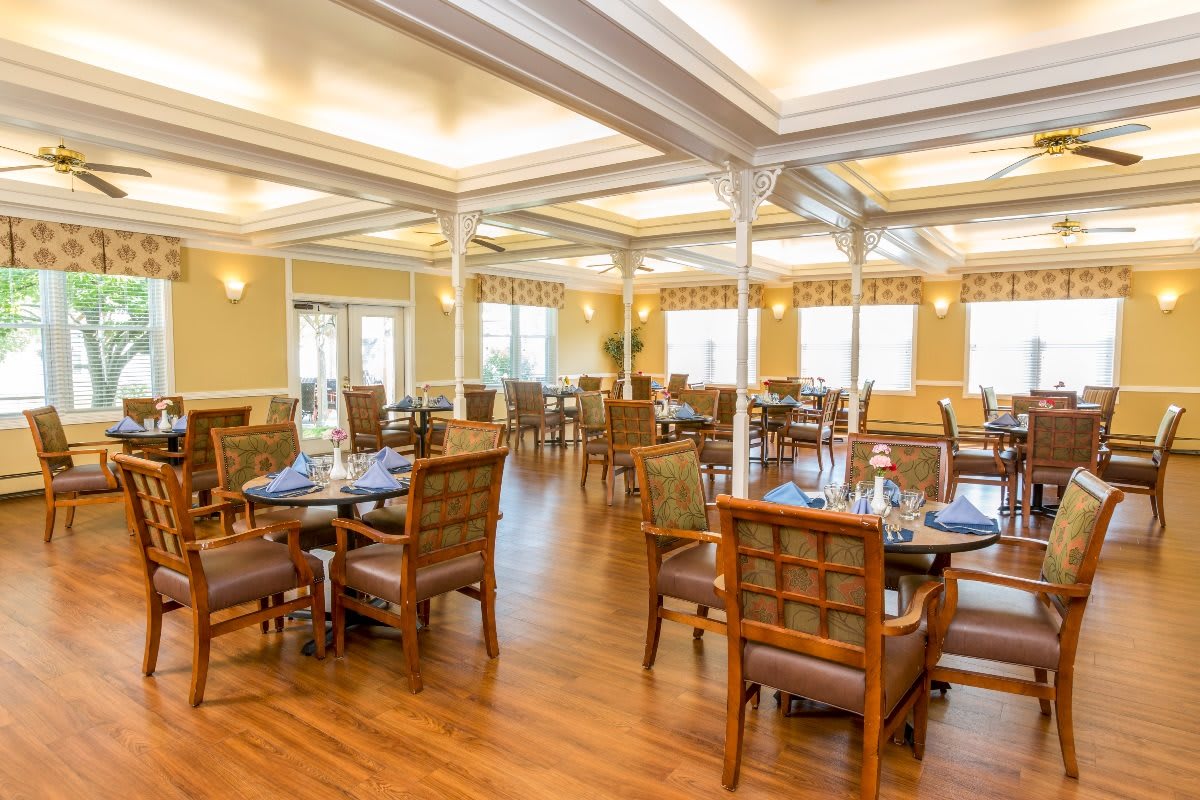
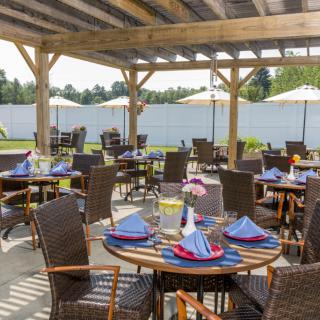
Several reviewers say residents like the food and look forward to meals. A few families also describe staff handling meal timing and needs in ways that help residents feel comfortable. The community also offers restaurant-style dining and meals with multiple dietary options listed in the listing details.
caveat2 reviews mention this
Pricing runs higher than average
Pricing is described as higher than average across the unit types shown in the listing details.
The listing details show rent ranges that sit notably above both the county and state benchmarks for the unit types provided. Reviews in this set are not detailed price-focused, so cost is best read from the listing figures rather than day-to-day complaints in the text.
How we summarize
Counts show how many written reviews mention each theme; a review can touch several themes, and only frequently mentioned themes are displayed.
Features
Types of Care
Memory Care
Pets
Cats allowed
Dogs allowed
Amenities
Activities off-site
Activities on-site
Bath tubs
Beautician on-site
Devotional services on-site
Ground floor units
Indoor common areas
Outdoor common areas
Respite or short term stays offered
Wheelchair accessible showers
Transportation
Burlington International (8 miles away)
Care Services
Diabetic care
High acuity care
Incontinence care
Medication management
Dining
Gluten-free
Guest meals
Kosher
Low / no sodium
Meals provided
Organic
Professional chef
Restaurant style dining
Special dining programs
Vegetarian
Activities
Art classes
Catholic services
Cooking classes
Day trips and outings
Devotional activities on-site
Educational speakers / life long learning
Live dance or theater performances
Live musical performances
Protestant services
Stretching classes
Visiting chaplain or priest
Nearby Places of Interest
Located in Shelburne, Vermont, this area offers a mix of amenities suitable for seniors looking to settle down in a peaceful community. With several cafes nearby such as Rustic Roots and Kestrel Coffee Roasters, residents can enjoy leisurely outings for coffee and conversation. Pharmacies like Walgreens and Kinney Drugs are conveniently located within a short drive for easy access to medication and healthcare needs. For outdoor enthusiasts, parks like Shelburne Bay Park and Mount Philo State Park provide opportunities for nature walks and relaxation. Additionally, there are various dining options such as The Inn at Shelburne Farms and Olive Garden for enjoyable meals with family and friends. Medical services from reputable providers like UVM Medical Center Ophthalmology and Hagan, Rinehart, & Connolly Pediatricians ensure quality healthcare is easily accessible. Places of worship like the Roman Catholic Diocese Burlington cater to spiritual needs, while entertainment venues like Jan Cannon Pottery offer cultural enrichment opportunities. Overall, this part of Shelburne presents a well-rounded living environment that caters to the needs of seniors seeking a comfortable and vibrant community.
Cafes
Rustic Roots (0.8 miles)
Panera Bread (4.1 miles)
Starbucks (4.9 miles)
Kestrel Coffee Roasters (6.4 miles)
Muddy Waters (6.6 miles)
Starbucks (6.7 miles)
Vivid Coffee Roasters (6.9 miles)
Pharmacies
Walgreens (0.8 miles)
Kinney Drugs (2.1 miles)
Hannaford Pharmacy (4.4 miles)
Walgreens (5 miles)
Kinney Drugs (5.4 miles)
Lunaroma Aromatic Apothecary (6 miles)
Hannaford Supermarket & Pharmacy (6.4 miles)
Parks
Shelburne Bay Park (1 miles)
LaPlatte River Nature Park (1 miles)
William Szymanski Park (4.2 miles)
Red Rocks Park (4.4 miles)
Mount Philo State Park (4.8 miles)
Oakledge Park (4.9 miles)
Oakledge Park and Beach (4.9 miles)
Restaurants
The Scoop (1.5 miles)
The Inn at Shelburne Farms (2 miles)
Sisters of Anarchy Ice Cream (2.6 miles)
Bliss Bee - South (4 miles)
McDonald's (4.1 miles)
Olive Garden (4.3 miles)
Burlington Bagel Bakery & Cafe (4.4 miles)
Physicians
Howard Center (4.6 miles)
Retina Center of Vermont (4.7 miles)
Avada Hearing Care Center (4.7 miles)
UVM Medical Center Ophthalmology - Shelburne Road (5.1 miles)
The Arbors of Shelburne offers a distinctive pricing structure that reflects its premium services and amenities. For a semi-private room, residents can expect to pay $9,200 per month, significantly higher than the averages in Chittenden County at $6,080 and throughout Vermont at $5,174. Similarly, the cost for a studio unit is positioned at $12,950, well above the county average of $5,865 and the state average of $5,259. This pricing suggests that The Arbors of Shelburne caters to those seeking an elevated level of care and comfort within a vibrant community setting.
Medication management is crucial for residents with dementia or Alzheimer's, as these individuals often require a structured approach to ensure they receive the correct medications at the right times to manage symptoms effectively. By implementing a comprehensive medication management system, The Arbors of Shelburne can minimize the risk of medication errors and enhance adherence, ultimately contributing to their overall well-being. Incontinence care further supports residents by providing dignity and comfort; specialized staff are trained to assist with personal hygiene and changing routines that reduce anxiety around incontinence issues. This level of personalized attention not only helps maintain physical health but also fosters a sense of security and trust, allowing residents to focus on cognitive engagement rather than worry about their basic needs.
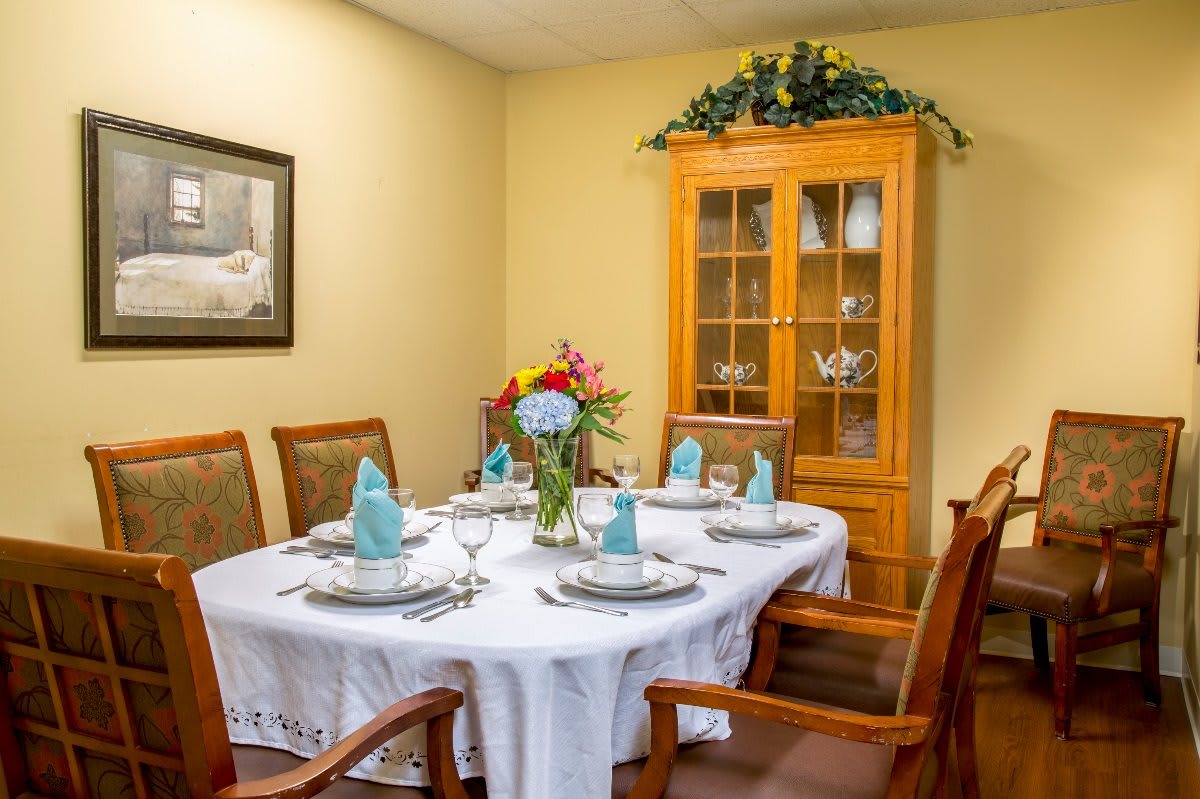
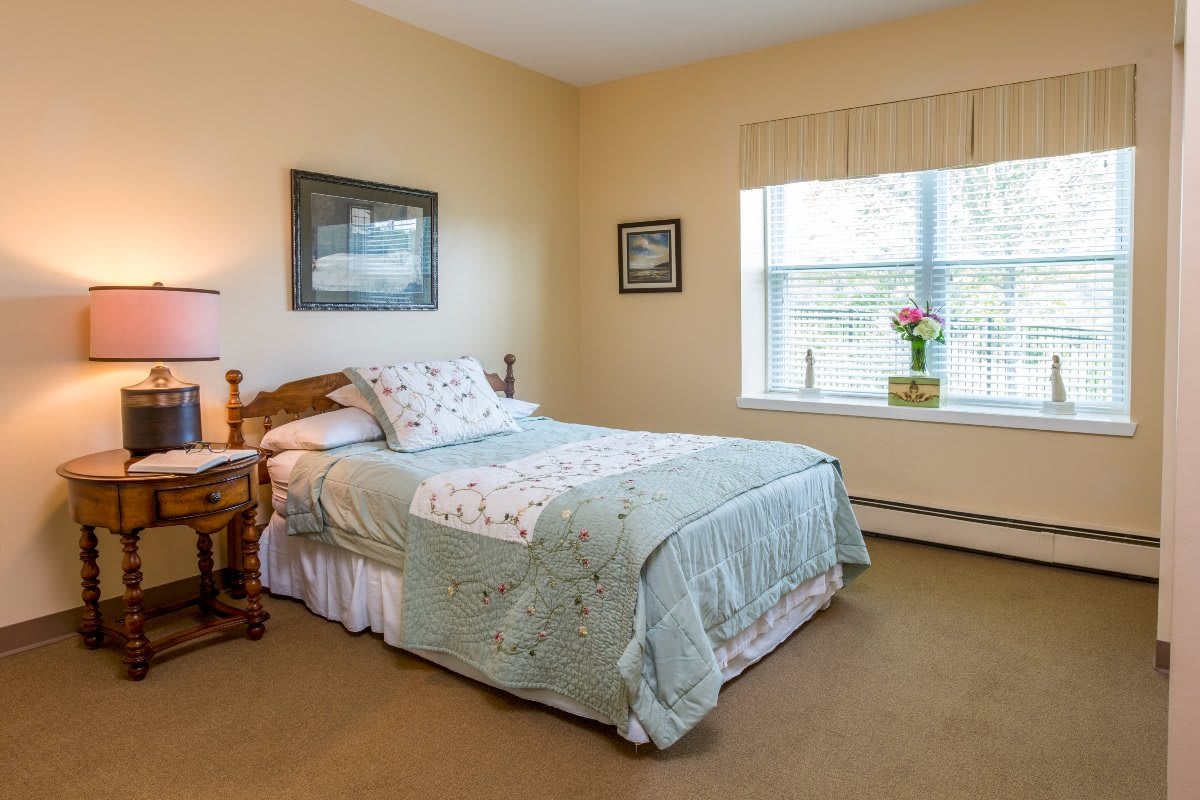
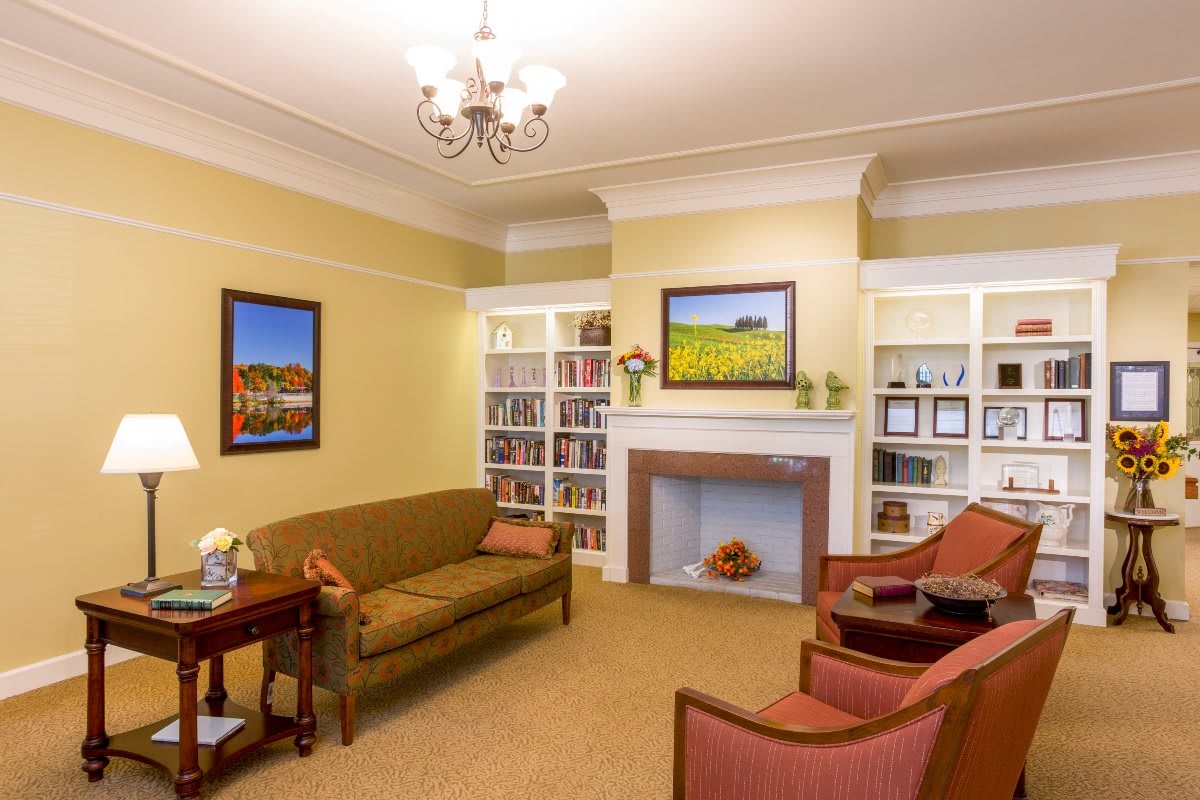
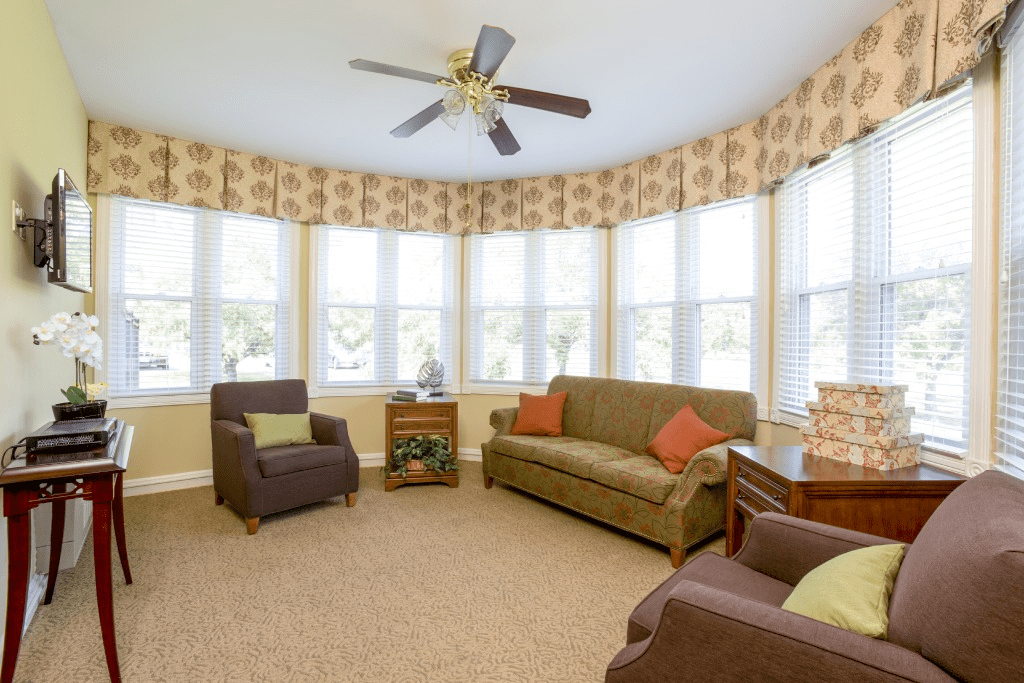
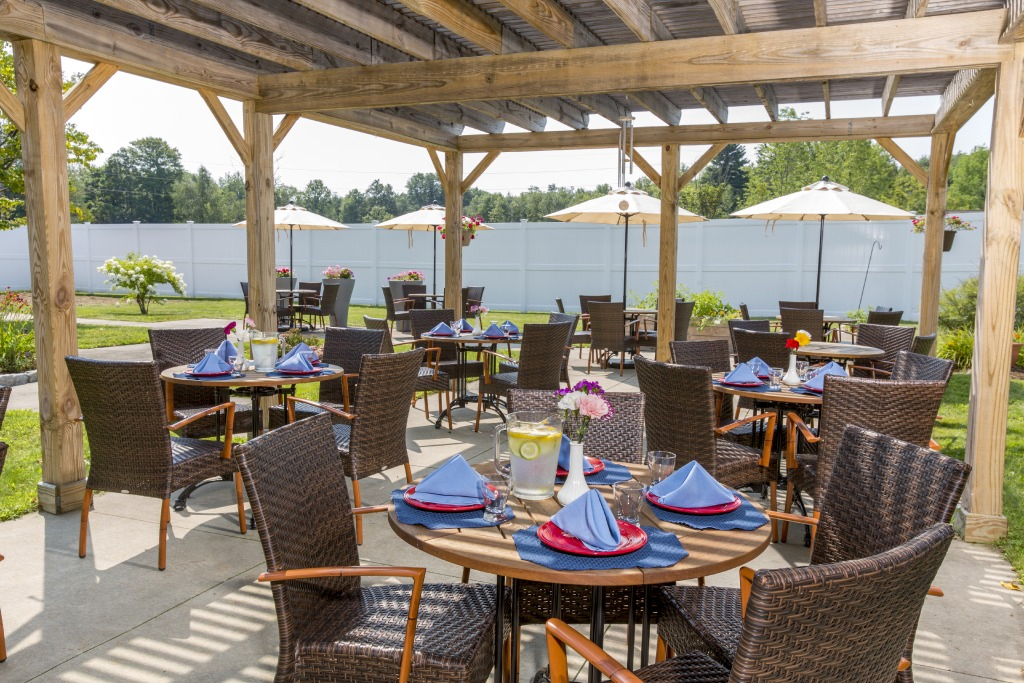
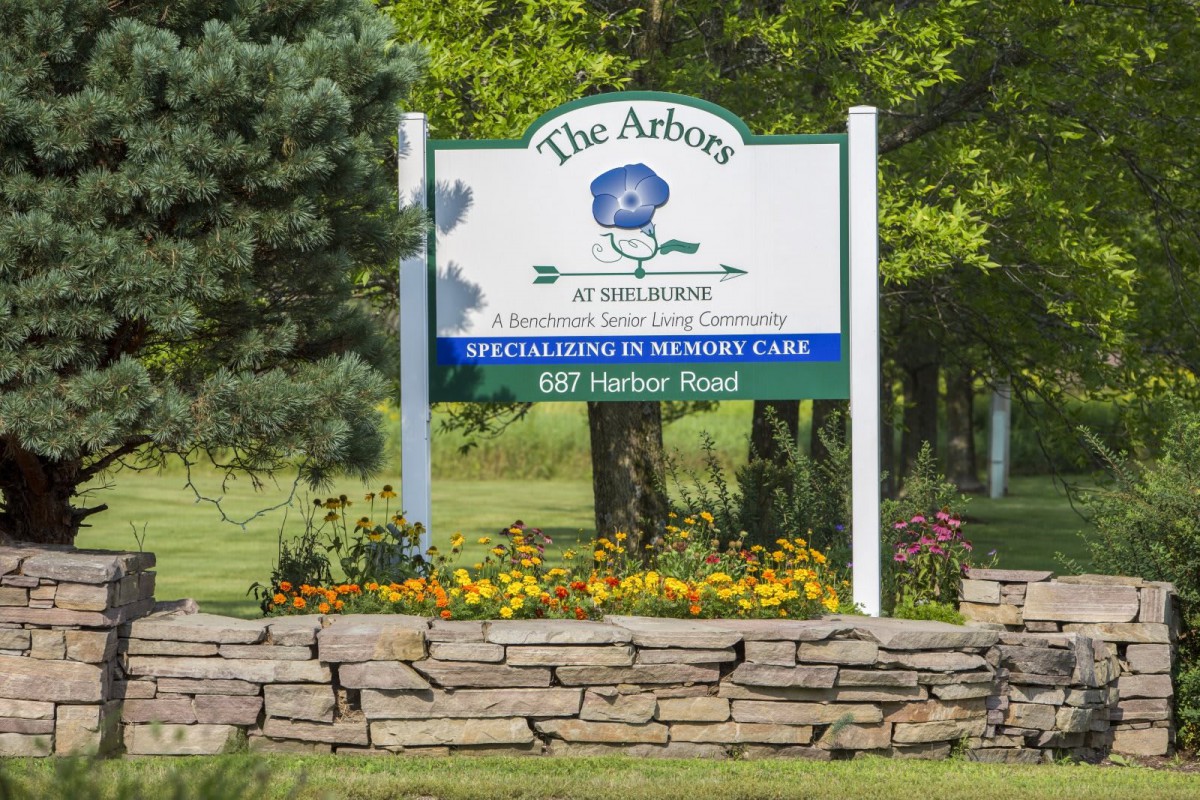
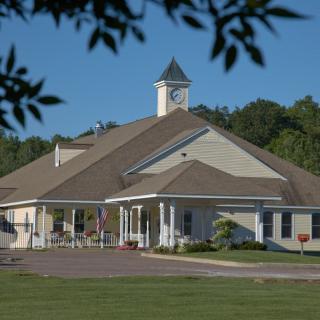
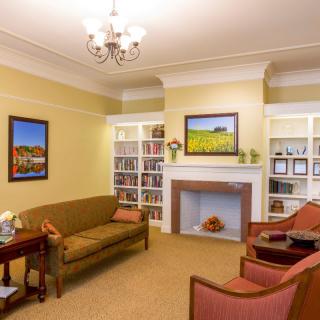
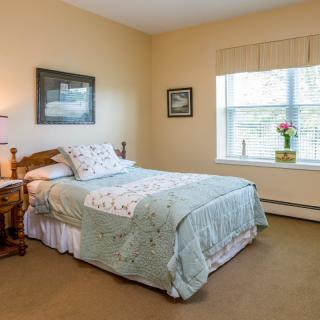
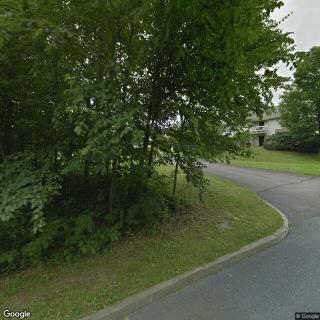
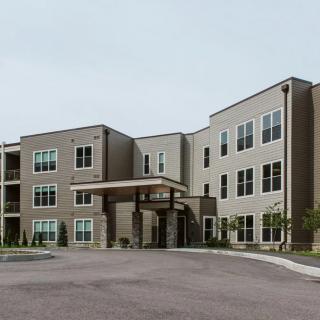
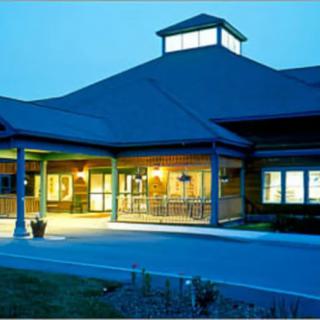
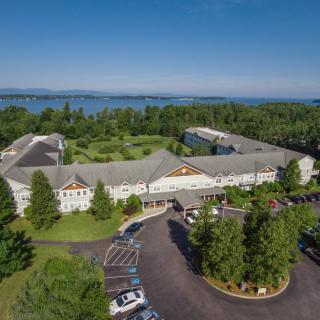
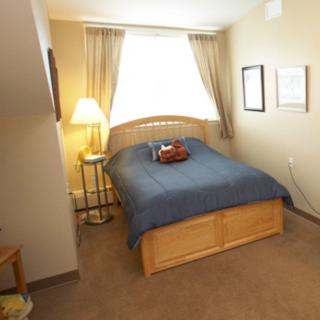
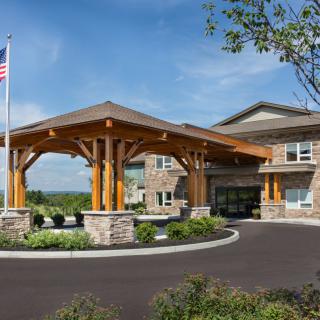
The Arbors of Shelburne on seniors.fyi includes 13 photos including images showing dining, floor plan, decor, bedroom, artwork, outdoors, landscaping, interior, and more.
Nearby Communities
Arbors
Shelburne, VT
4.8 from 35 reviews
Compassionate staff providing personalized, dignified care in a homey, engaging environment.
Home Instead - Shelburne, VT
Shelburne, VT
4.6 from 19 reviews
Compassionate, well-matched caregivers and supportive staff delivering personalized care.
Terraces
Shelburne, VT
4.7 from 9 reviews
$3,200 / month
Intimate community with attentive leadership and affordable pricing.
Linden At Wake Robin
Shelburne, VT
4.4 from 34 reviews
Comprehensive assisted living with diabetic care and convenient access to nearby amenities
Wake Robin
Shelburne, VT
4.3 from 36 reviews
Vibrant community with extensive activities and 24/7 attentive care.
The Residence at Shelburne Bay
Shelburne, VT
4.6 from 102 reviews
$3,500 to $6,690 / month
Friendly, attentive staff; bright, clean facility with ample amenities.
The Converse Home
Burlington, VT
4.5 from 17 reviews
Warm, welcoming atmosphere with attentive, knowledgeable staff and strong dementia care.
Dementia leads to cognitive impairment and can cause emotional and behavioral changes, including aggression that arises from frustration, confusion, or fear. Effective coping strategies for caregivers include understanding dementia's nature, recognizing triggers, using empathetic communication, and employing non-pharmacological interventions like music and art therapy.
Dementia causes cognitive decline and challenging behaviors that caregivers must manage, necessitating an understanding of the neurological basis of these issues. Effective strategies and self-care for caregivers can enhance support for those with dementia and improve their daily lives.
The content outlines five key early indicators of dementia, including significant memory loss and confusion about time and place, while emphasizing the need for professional evaluation and emotional support for both individuals showing symptoms and their caregivers. It encourages family members to monitor these signs closely and use online quizzes for initial awareness.
Living Room, Chandelier, Fireplace, Bookshelves, and Traditional Decor
Landscaping
Floor Plan, Bathroom, and Living Area
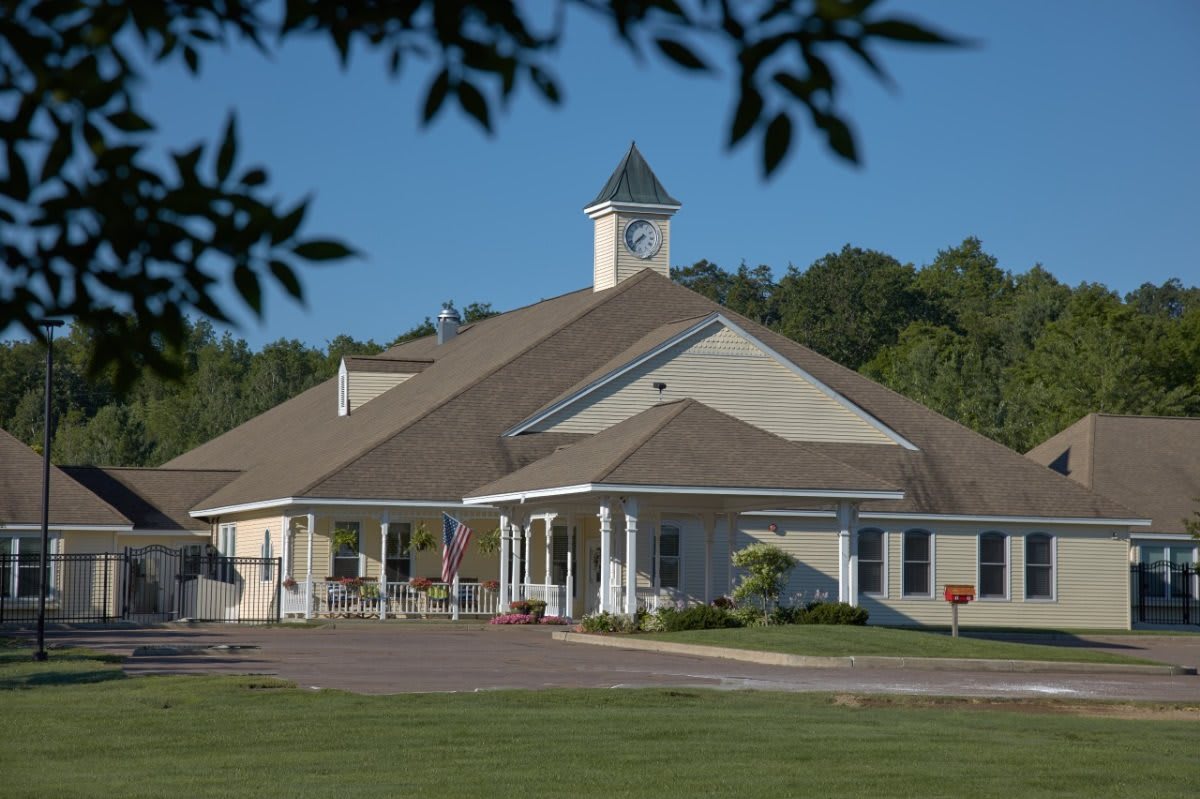
Building, Architecture, and Trees
Lighting
Artwork
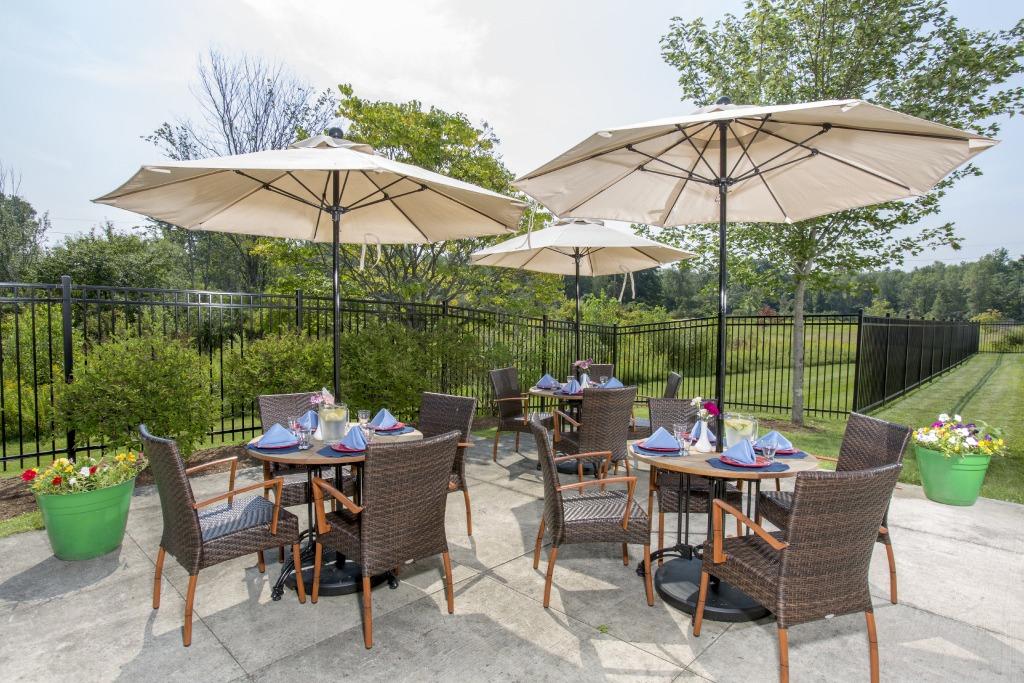
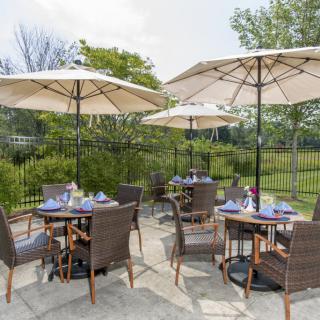
Patio and Umbrellas
Outdoors
Outdoor Seating
Nature
Studio
Outdoor Dining
Get PricingAsk A QuestionSchedule A TourContact Senior Advisor
By clicking submit, you agree to our Partner's Terms of Use. You
also consent to receive calls and texts, which may be autodialed, from our Partner. Your consent is not a condition to
using our Partner's service. Please visit our Partner's Privacy Policy for information about their privacy practices.

 Memory Care
 Cats allowed
 Dogs allowed
 Activities off-site
 Bath tubs
 Beautician on-site
 Devotional services on-site
 Ground floor units
 Indoor common areas
 Outdoor common areas
 Respite or short term stays offered
 Wheelchair accessible showers
 Burlington International (8 miles away)
 Diabetic care
 High acuity care
 Incontinence care
 Medication management
 Gluten-free
 Art classes
 Catholic services
 Cooking classes
 Day trips and outings
 Educational speakers / life long learning
 Live dance or theater performances
 Live musical performances
 Stretching classes
 Compassionate staff providing personalized, dignified care in a homey, engaging environment.

 When Dementia Sparks Anger and Aggression: Understanding the Connection and Ways to Cope
 Dementia Behaviors: In-Depth Understanding and Effective Coping Strategies
 5 Early Indicators of Dementia and What You Can Do