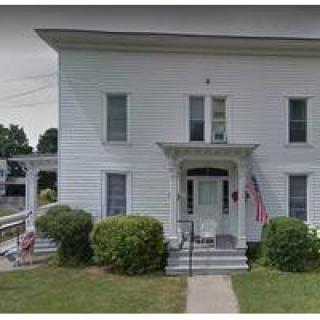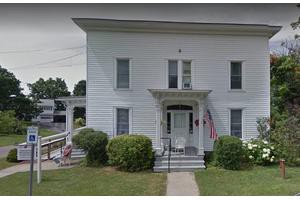
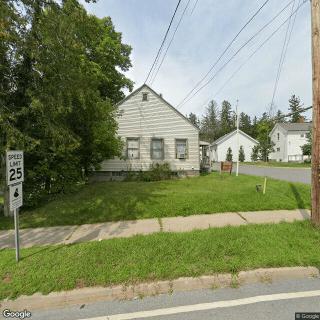
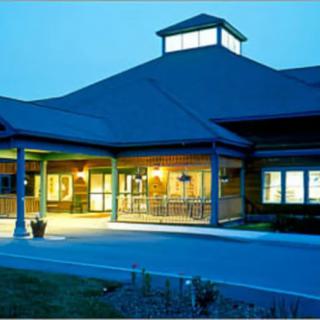
34 North Street, Vergennes, VT 05491
For more information about senior living options: (866) 208-4318
Overall Review of Vergennes Residential Care
Pros
 The staff are caring and considerate.
- The facility offers activities for residents that are fun and engaging.
- Community-style meals in a communal dining hall encourage residents to socialize.
- It is a small and intimate community.
- The staff encourage residents’ creativity, including poetry and writing, even as they become forgetful.
Cons
 They warned that one should not work there, as they would regret it.
Review
This community is best suited for older adults who thrive in a small, intimate setting where staff know residents by name and social connection takes center stage. Vergennes Residential Care works well for seniors who value structured, communal activities, sharing meals in a dining hall, participating in group programs, and pursuing creative interests in a supportive atmosphere. The emphasis on social opportunities, modest size, and a home-like feel makes it a natural home for those who want companionship, ready access to caregivers, and encouragement to keep personal passions alive.
Families should be aware that the available feedback is limited and not uniformly positive. One account hints at internal dissatisfaction, which can signal staff morale or turnover challenges that might affect day-to-day reliability. Those who require robust medical oversight, frequent nursing care, dedicated memory support, or rapid response to incidents should consider alternatives. With only two reviews, the picture is fragile; current families should validate the present staffing stability and the consistency of care before committing.
On the positive side, the caregiving team appears to be caring and conscientious in residents’ day-to-day lives. Residents benefit from activities that are engaging and designed to prevent isolation, and the communal dining model naturally fosters interaction and socialization. The small-scale environment supports a sense of belonging, with staff more likely to know personal histories, which matters for residents who are becoming forgetful yet still crave recognition and respect. The facility’s encouragement of creativity, such as writing, helps residents maintain a sense of identity and purpose.
The notable caveat is the existence of a contrasting voice about the workplace environment, which cannot be dismissed. If staffing morale or turnover is indeed a concern, that can ripple through consistency of care, responsiveness, and the ability to maintain routines, factors that significantly matter to families evaluating long-term placement. The limited review pool further compounds risk; families should press for current data on staff tenure, turnover rates, and any recent changes in leadership or caregiving protocols. A candid conversation with administration about these issues is essential.
When pros are weighed against the potential downsides, the strongest offset remains the community’s warm, intimate atmosphere and the staff’s demonstrated commitment to residents’ social and personal engagement. For residents who prize companionship, meaningful activities, and a sense of belonging, these elements can compensate for uncertainties about staffing stability if verified as current. Prospective families should demand a transparent walkthrough focusing on staffing patterns by shift, the presence of medical support on site, and the scope of memory-care-friendly programming if that need exists. A thorough, daylight tour will reveal how the rhythm and responsiveness feel in real life.
Bottom line: Vergennes Residential Care is a compelling choice for seniors seeking a neighborly, low-key setting with an active social calendar and encouragement to pursue personal interests. It is less clearly aligned with those needing robust medical oversight, complex dementia care, or high nursing dependency. For families drawn to alternatives, nearby options with larger scales or dedicated memory-care wings offering stronger staffing consistency and medical support may be worth considering. The prudent path is a careful visit, frank conversations with current residents and families, and a review of state inspections and recent staff changes. This approach will show whether the positives are sustainable and aligned with the resident’s long-term needs.
 18 resident community capacity
 Assisted Living
 Cable or satellite TV
 Dining room
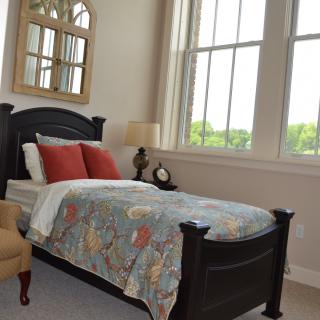
 Fully furnished
 Garden
 Housekeeping services
 Move-in coordination
 Outdoor space
 Telephone
 Wi-Fi/high-speed internet available
 Burlington International (22 miles away)
 24-hour supervision
 Activities of daily living assistance
 Assistance with bathing
 Assistance with dressing
 Assistance with transfers
 Diabetes diet
 Meal preparation and service
 Medication management
 Special dietary restrictions
 Transportation arrangement (medical)
 Transportation to doctors appointments

 Understanding Medicaid Coverage for Assisted Living: A Comprehensive Guide
 How and When Medicaid May Cover Assisted Living Costs
 A Detailed Exploration of Assisted Living Medicaid Waivers Across the United States