
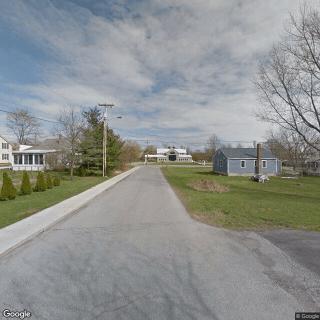
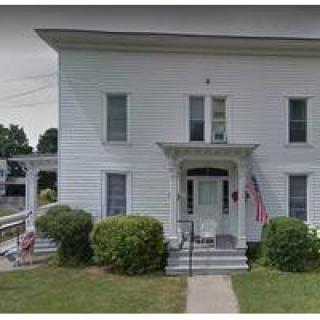
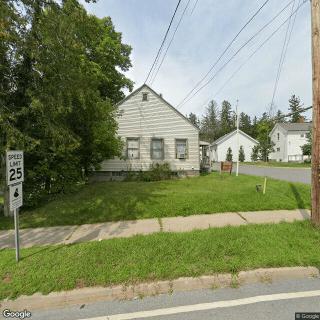
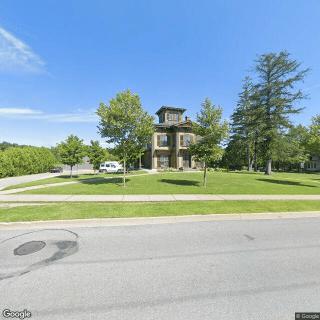
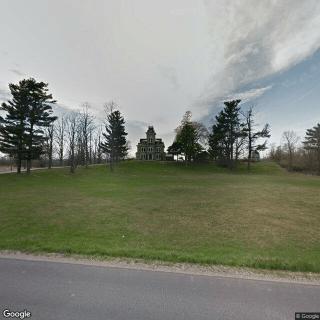
71 Maple Street, Bristol, VT 05443
For more information about senior living options: (866) 208-4318
Overall Review of Living Well Residence
Pros
 Her grandmother is happy there.
- The staff provide friendly and professional care and treat residents like family.
- There is a nice homey feel for older adults who cannot live on their own but don’t want to be somewhere that feels medical.
- Family visits were welcomed, and dogs could visit; the dog was loved by all the residents.
Cons
 This facility has closed. It is now a private residence.
- This residence has closed.
Review
Living Well Residence in Bristol, Vermont is best suited for families seeking a compact, home-like setting where an elder who needs daily assistance can be cared for with warmth and without a heavy clinical atmosphere. The stories about staff who treat residents almost like family, along with a homey vibe that avoids a hospital feel, make it appealing for families who value personal touch over clinical rigor. Yet this particular community has closed and now operates as a private residence, a shift that fundamentally changes its viability as a long-term care option and raises questions about ongoing supervision, licensing, and access to professional care.
Those who should consider alternatives are families needing steady, licensed care with on-site nursing support, memory-care programming, or more formalized services. The closure status means there is no assurance of consistent availability or adherence to standard assisted-living regulations, and private-residence arrangements typically come with less predictable oversight. For residents who require emergency medical response, regular monitoring, or step-down support, larger, licensed facilities in the region will deliver greater reliability, clearer care plans, and protections built into the operating model.
On the upside, the positive experiences cited by families point to a genuine strength: attentive, friendly staff who make residents feel valued and secure. The environment’s homey quality, rather than a clinical or institutional setting, can significantly ease daily life for older adults who do not want to feel confined by a medical regime. Perks such as flexible visiting, including the ability to take a relative out for meals, and a welcoming attitude toward pets, reinforce a sense of normalcy and companionship that many families prize. In practical terms, these elements translate into better mood, more dignity, and stronger family involvement.
However, the most significant drawback remains the facility’s closure. That single factor undermines reliability for anyone shaping a long-term care plan, because it eliminates the guarantees families rely on: stable staffing, consistent services, and a regulated environment designed for ongoing oversight. The combination of a warm, person-centered culture with an uncertain operational future creates a paradox: strong interpersonal care in a setting that may not deliver predictable, licensed care over time. Prospective residents must weigh the emotional benefits against the practical need for continuity and formal care structures.
For families who can align with a private-residence model and who prize warmth and a non-institutional atmosphere, there is still value in understanding what made Living Well notable. It could function as a transitional arrangement or as a supplemental living option if a clear, ongoing plan with another licensed provider is in place to assume stronger care needs as they arise. Crucially, prospective residents should seek transparent information about current staffing, on-site availability, emergency protocols, and how the private-residence arrangement translates into day-to-day caregiving and safety.
Actionable next steps are essential. Confirm the current status with local licensing authorities and the property owner to understand whether any formal caregiving remains on premises and what level of oversight is actually provided. Request a written outline of services that are available locally and how they would be delivered if required. Compare this option against nearby licensed assisted-living facilities, focusing on care levels, staff-to-resident ratios, and clear, enforceable care plans. If warmth and a home-like environment are top priorities, balance those strengths against the need for reliable, ongoing professional care. The strongest path forward prioritizes a plan that delivers both comfort and dependable, licensed support.
 15 resident community capacity
 Assisted Living
 Cable or satellite TV
 Dining room
 Fully furnished
 Garden
 Housekeeping services
 Move-in coordination
 Outdoor space
 Telephone
 Wi-Fi/high-speed internet available
 Burlington International (23 miles away)
 24-hour supervision
 Activities of daily living assistance
 Assistance with bathing
 Assistance with dressing
 Assistance with transfers
 Diabetes diet
 Meal preparation and service
 Medication management
 Special dietary restrictions
 Transportation arrangement (medical)
 Transportation to doctors appointments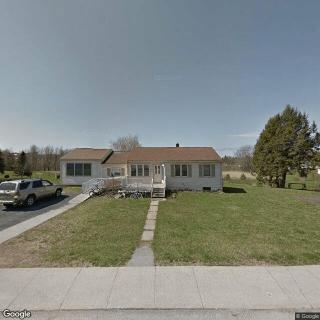


 Exploring the Path to Senior Living: A Comprehensive Look at Independent Living and Assisted Living
 Is Assisted Living Deductible on Your Taxes? Understanding the Complexities of Assisted Living Expenses and Deductions
 Assisted Living Support for Veterans: A Complete and Detailed Overview