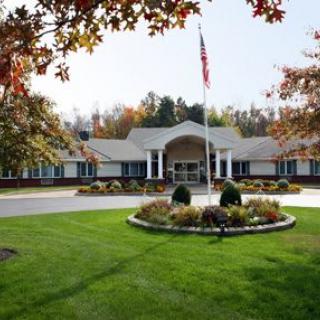
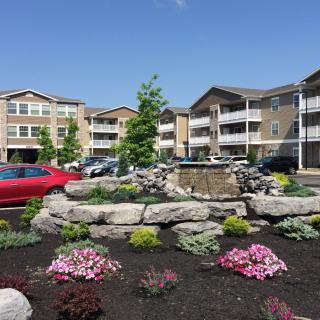
Bristol Village in Clarence Center, NY

Save

  • Interior

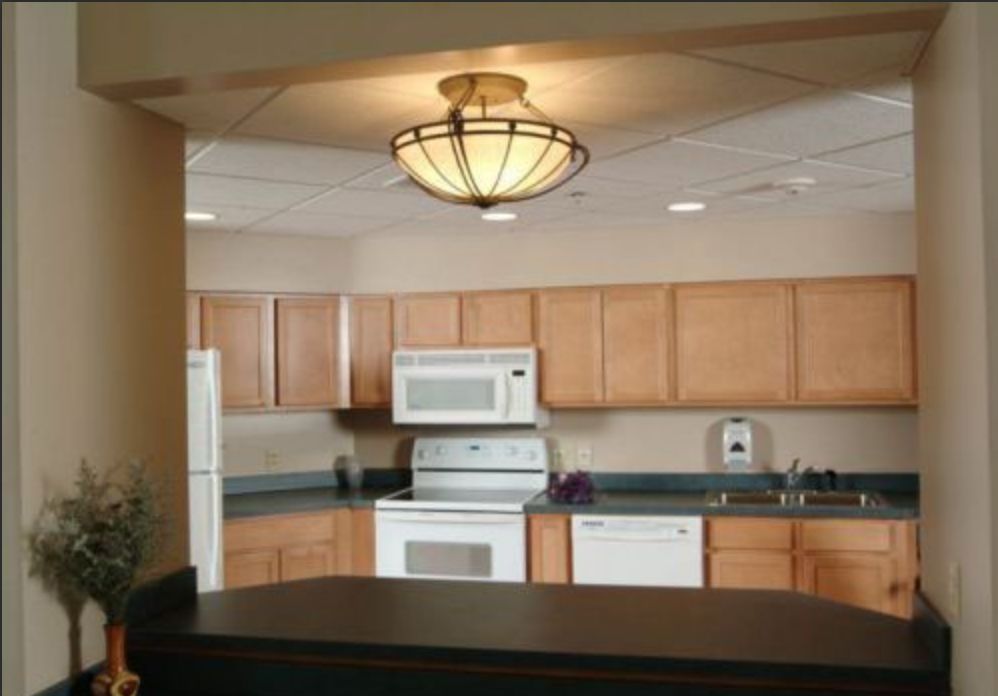
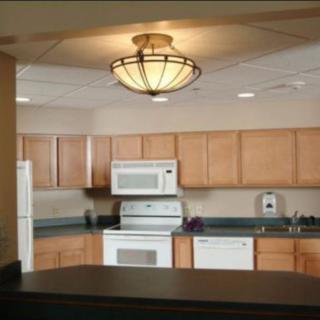
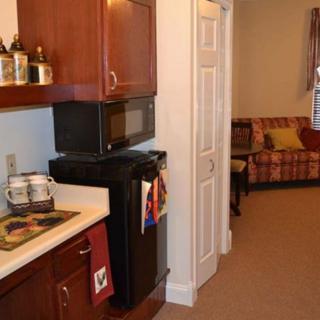
    A modern kitchen with wooden cabinets and appliances.
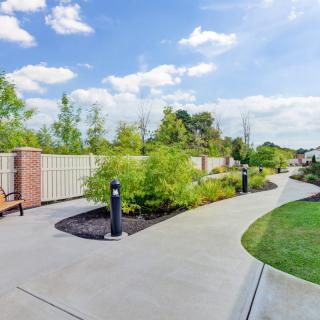
  • Outdoors

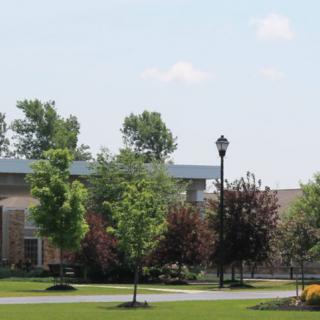
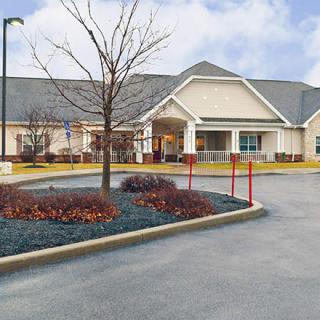
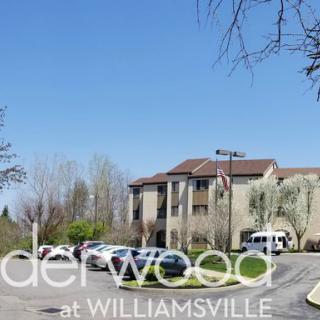
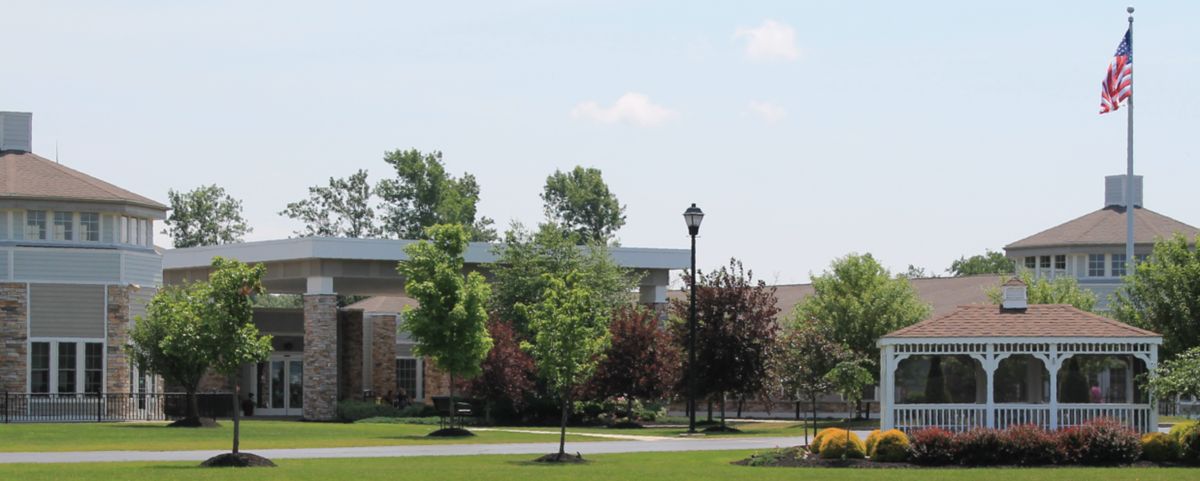
    A scenic view of a landscaped area with trees, a building, and a pathway under a clear sky.
  • Decor

    A cozy interior featuring a blue door with wall decorations and a vase of sunflowers.
  • Living Room

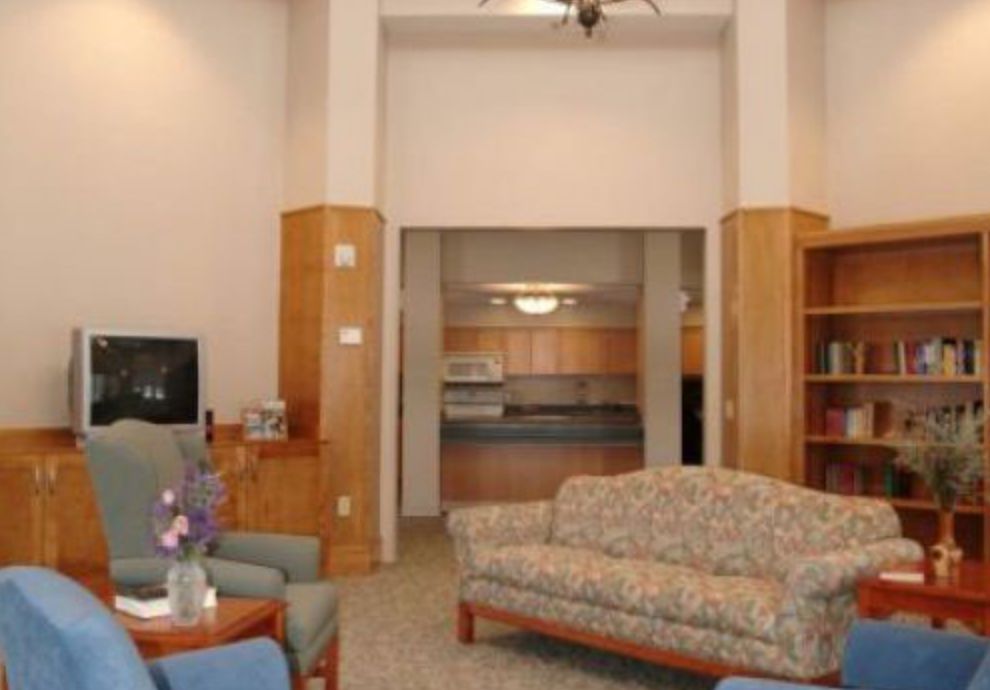
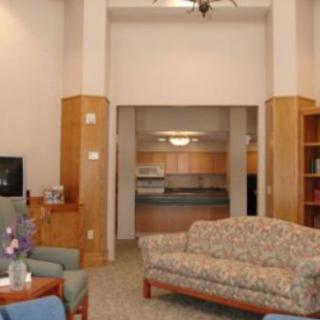
    A cozy living room with a view into the kitchen, featuring comfortable seating and wooden furniture.
  • Architecture

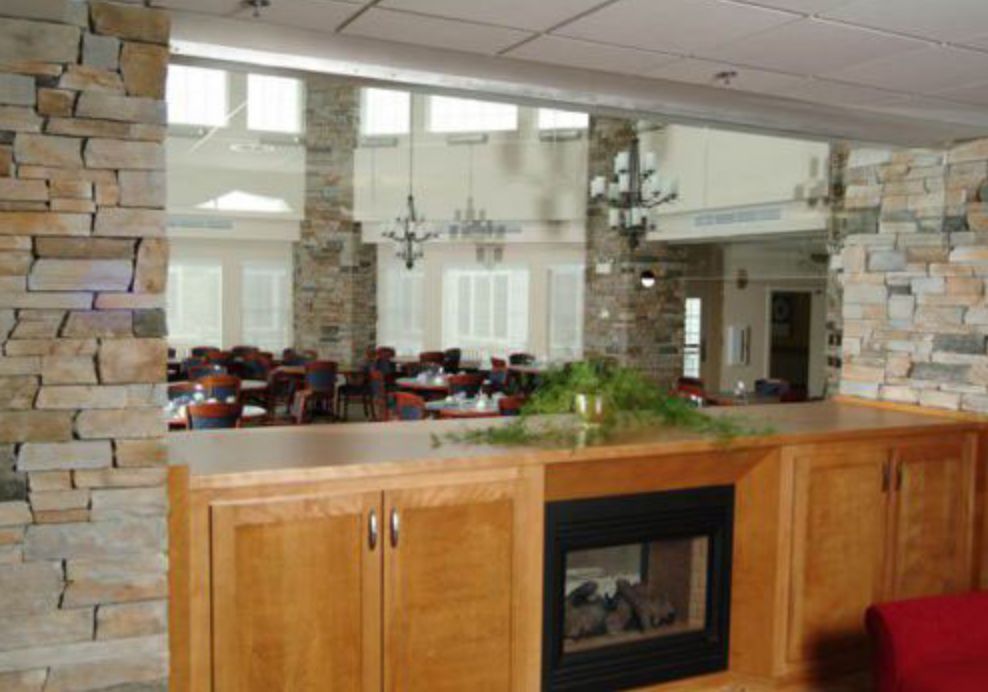
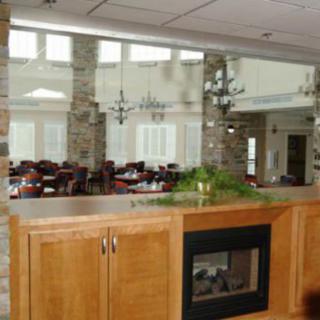
    A spacious and elegant dining area with wooden furniture and decorative mirrors on the walls.
  • Windows

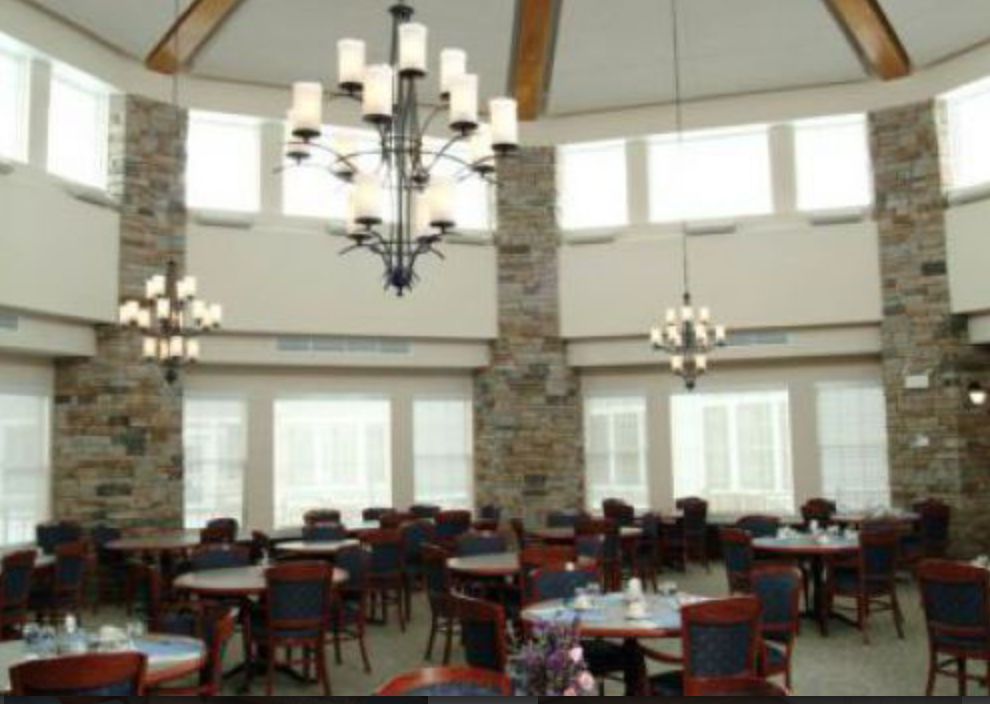
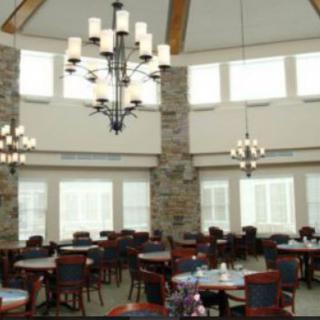
    A spacious dining room with multiple chandeliers, tables, and chairs.
  • Dining

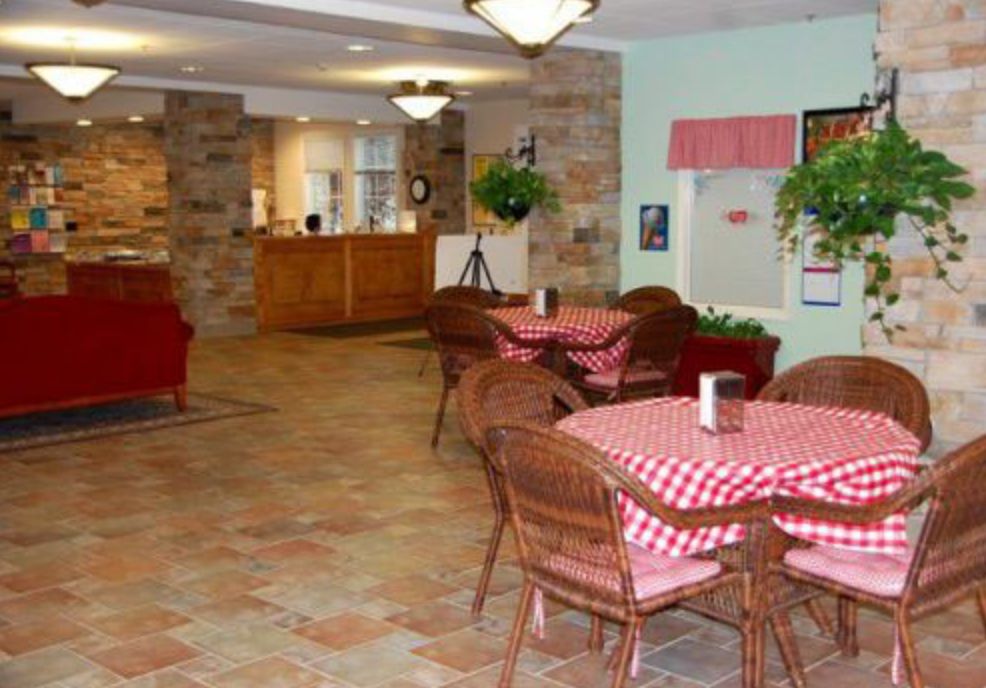
    A cozy cafe with red checkered tablecloths and stone walls.
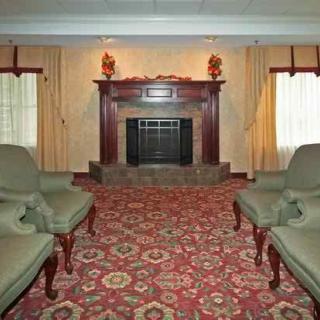
  • Seating Area

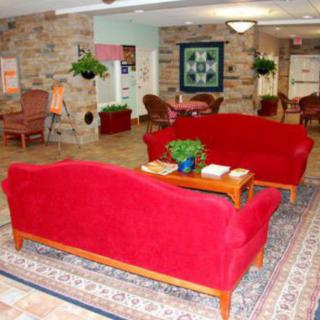
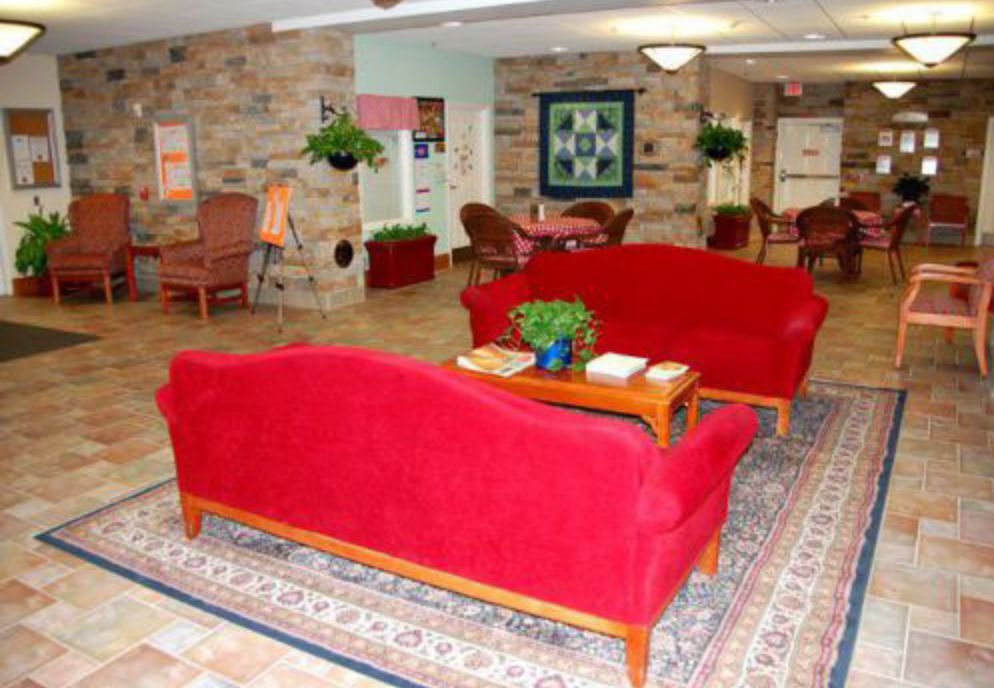
    A cozy lobby area featuring vibrant red sofas and a decorative rug.

Bristol Village in Clarence Center, NY

Information last verified:

8455 Clarence Center Road, Clarence Center, NY 14032

For more information about senior living options: (844) 490-3973

4 from 66 reviews
5 stars
44
4 stars
3
3 stars
5
2 stars
5
1 stars
9

Bristol Village Costs & Pricing

Bristol Village offers a range of living accommodations with pricing that reflects its unique value in comparison to regional and state averages. For a studio apartment, residents can expect to pay $3,900 per month, which is slightly above the Niagara County average of $3,762 but notably below the New York State average of $4,532. The one-bedroom units are priced at $4,300, again positioned higher than the county's average rent of $3,428 while closely aligning with the state's average of $4,307. For those seeking more spacious living quarters, private rooms are available at $5,800; this is higher than both the Niagara County's rate of $4,925 and New York State's rate of $5,159. Overall, Bristol Village stands out as a competitive option in terms of quality and community ambiance amidst varying costs in the broader area.

Floor plansBristol VillageNiagara CountyNew York
Studio$3,900$3,762$4,532
1 Bedroom$4,300$3,428$4,307
Private$5,800$4,925$5,159

Overall Review of Bristol Village

Pros

  • pro The staff are friendly and attentive.
  • pro The facility is beautiful, well kept, and clean.
  • pro The food is consistently described as wonderful.
  • pro Residents and families feel welcomed and part of a caring community.
  • pro Management knows each resident by name and safety is a priority.
  • pro The environment is bright, open, and full of engaging activities.
  • pro The memory care unit provides safe, patient, and high-quality care.
  • pro The rooms are spacious, on one level, and easy to navigate.
  • pro The outdoor spaces, greenspace, and gazebo provide a relaxing setting.
  • pro Families frequently express gratitude and confidence in the care.

Cons

  • pro They report a resident went missing and was found face-down in a puddle at night, with the director reportedly shrugging it off.
  • pro They say the facility looks nice but does very little with residents and things go missing from residents’ rooms.
  • pro They claim the memory care unit seems unprepared for common dementia progression, and the coordinator is rude and condescending.
  • pro They describe it as a bad nursing home because the staff are not engaged and there is little going on for residents.
  • pro They note the place is very expensive for limited facilities and services, calling into question the value.
  • pro They describe the front desk as unprofessional and the overall place as a “garbage place.”
  • pro They observe that rarely anyone is in the hallways and there is little activity among residents.

Review

Bristol Village in Clarence Center is best suited for families seeking a premium, one-floor lifestyle for an older adult who values a resort-like environment, attentive caregivers, and robust memory-care support. The community's strongest draw is the combination of immaculate maintenance, inviting public spaces, and a staff culture that residents and families consistently describe as compassionate, attentive, and personally oriented. The dining experience, expansive common areas, and well-kept grounds create a sense of safety and ease that many families salivate over during tours. For residents who thrive on routine, social programming, and a predictable daily rhythm, Bristol Village delivers a level of polish and consistency that is hard to match in the Western New York region.

That said, this is not the right fit for every family. Alternatives deserve consideration when budget is a primary constraint, when two-bedroom configurations are non-negotiable, or when proximity to relatives matters most. Several reviews flag the price as a significant hurdle, noting the facility’s premium positioning relative to comparable communities. Waiting lists can also delay placement, which frustrates families in urgent need of care. For those whose loved one requires more aggressive social programming across the entire resident body, or who expect highly dynamic, high-frequency engagement from staff in every shift, Bristol Village can feel less intensive on a day-to-day basis in comparison to facilities that emphasize constant activity and outreach.

The positives consistently cited in reviews more than offset the few drawbacks for most families. The staff is repeatedly described as friendly, respectful, and loyal, with management that greets residents by name and emphasizes safety and clear communication. Residents and families alike highlight the cleanliness and beauty of the space, with interiors that feel like a well-appointed resort and common areas that invite social interaction. Meals are frequently praised as a standout, with an emphasis on quality and freshness; several families remark on dining that feels restaurant-like and upscale. Even memory care receives strong endorsements when families observe dedicated staff, low turnover, and a structure that preserves dignity while delivering meaningful activities and regular live performances or social events.

Yet, several negative threads recur and cannot be dismissed. A subset of reviewers recount experiences that raise questions about engagement levels for some residents, noting quiet hallways and a perception that activity opportunities are not as pervasive as expected. A few accounts mention issues with safety incidents in memory care, and others accuse certain staff or administrators of unprofessional behavior or insufficient responsiveness. These anecdotes tend to cluster around a fear that residents who are not highly independent may be underserved if the facility becomes too large or too focused on maintaining a polished image. Family members also report variability in the admissions process and the consistency of information provided during tours, which can leave decision-makers uncertain about what to expect on move-in day.

In practice, Bristol Village’s strongest advantages, superb staff-to-resident relationships, a comprehensive calendar of activities, convenient on-site services (such as a beauty shop and on-site GP), and abundant indoor and outdoor spaces, can compensate for a higher price tag and occasional gaps in day-to-day programming. Families who prize a turnkey environment where care planning is nuanced, staff know residents personally, and daily life feels secure and predictable will find that the cons are manageable trade-offs. The facility’s design, single-story layouts, large common rooms, accessible dining areas, and beautifully kept outdoor spaces, meaningfully reduces the friction of daily living for many seniors and makes family visits more effortless and longer-lasting.

For those weighing Bristol Village against alternatives, the decision often narrows to three questions: how much value is placed on a top-tier, all-on-one-floor setting with immediate access to care; how critical is price and availability, especially for two-bedroom needs or longer-term wait times; and how essential is a highly engaged social fabric with frequent, resident-centered activities across all levels of independence. If the answer leans toward prioritizing premier staff, pristine environments, and strong memory-care protocols, paired with a willingness to invest, the verdict is favorable. If, instead, cost containment, broad-based daily programming, or a more immedately active campus life across all residents holds greater importance, exploring options with more aggressive activity staffing, more predictable availability, or lower price points may be prudent.

Ultimately, Bristol Village stands out as a high-quality, well-regarded community that delivers peace of mind through excellence in staffing, cleanliness, and safety, coupled with sophisticated amenities and a genuine sense of community. It remains an excellent choice for families seeking a trusted “home away from home” where care feels personalized and consistent, particularly for residents who can take advantage of a one-floor layout, strong dining experiences, and an engaging memory-care program. The prudent path is to match expectations to budget and timing, ask pointed questions about activity levels and staff engagement across shifts, and verify the current waitlist and availability for a specific apartment configuration. In the right scenario, Bristol Village offers a compelling blend of comfort, care, and community that families will remember as a decisive, reassuring step in their loved one’s next chapter.

Features

Housing

  • 104 resident community capacity 104 resident community capacity
  • Studio apartments Studio apartmentsStudio apartments are important for seniors because they offer a smaller, more manageable living space that is easier to navigate and maintain as physical abilities decline. Additionally, studio apartments provide seniors with independence and privacy while still being part of a community that offers support and social opportunities.

Types of Care

  • Assisted Living Assisted LivingAssisted living facilities provide crucial support and care for seniors who may need help with daily tasks such as medication management, bathing, and meal preparation. These communities offer a safe and comfortable environment where seniors can maintain their independence while receiving the assistance they need to thrive in their golden years.
  • Memory Care Memory CareMemory care is crucial for seniors as it provides specialized support and services for individuals with dementia or Alzheimer's disease. These programs offer a safe and secure environment where residents receive personalized care, cognitive stimulation, and help with daily activities. Memory care helps seniors maintain their independence, quality of life, and dignity while also providing peace of mind for their families.

Pets

  • Cats allowed Cats allowed"Pet friendly" senior living communities are important for seniors because pets provide companionship, reduce feelings of loneliness and depression, promote physical activity and mental stimulation, and offer a sense of purpose and responsibility. Pets can improve overall well-being and quality of life for seniors in many ways.

Amenities

  • Activities off-site Activities off-siteEngaging in off-site activities is crucial for seniors to maintain social connections, stay active, and stimulate their minds. It promotes overall well-being and helps combat feelings of isolation and loneliness.
  • Activities on-site Activities on-siteActivities on-site are important for seniors because they provide opportunities for socialization, mental stimulation, physical activity, and overall well-being. Engaging in activities can help seniors stay active, maintain their independence, and improve their quality of life.
  • Air-conditioning Air-conditioningAir conditioning is important for seniors as they are more vulnerable to heat-related illnesses and may have underlying health conditions that make it difficult for them to regulate their body temperature. It helps to keep them comfortable, safe, and healthy in hot weather.
  • Beautician on-site Beautician on-siteHaving a beautician on-site at a senior living community is important for seniors as it allows them to easily access grooming and personal care services, boosting their self-esteem and overall well-being. It also provides convenience and helps seniors maintain their sense of independence and personal style.
  • Beauty salon Beauty salonBeauty salons are important for seniors because they provide a space for them to feel pampered, socialize, and maintain their personal grooming and hygiene. Regular visits to a beauty salon can help boost seniors' self-esteem and overall well-being.
  • Cable or satellite TV Cable or satellite TVCable or satellite TV is important for seniors because it provides entertainment, news, and companionship, helping to combat loneliness and boredom. It also offers a wide range of programming options tailored to different interests and preferences.
  • Computer center Computer centerA computer center is essential for seniors as it provides access to technology, communication tools, and resources that can enhance their daily lives. It allows them to stay connected with loved ones, engage in online activities, and learn new skills, ultimately promoting socialization and mental stimulation.
  • Devotional services off-site Devotional services off-siteDevotional services off-site are important for seniors as they provide spiritual nourishment, social engagement, and a sense of community outside of the senior living facility. This can enhance overall well-being and help combat feelings of isolation and loneliness often experienced by older adults.
  • Devotional services on-site Devotional services on-siteDevotional services on-site provide seniors with spiritual support and a sense of community, as well as an opportunity for reflection and guidance during their senior living experience. This can promote emotional well-being and connection to others, leading to a more fulfilling and enriching lifestyle in their later years.
  • Dining room Dining roomDining rooms are important for seniors as they provide a space for socialization, connection, and nutritious meals. They offer opportunities for residents to bond over shared meals, foster a sense of community, and promote healthy eating habits. Dining rooms also ensure that seniors have access to well-balanced meals tailored to their dietary needs and preferences.
  • Fitness room Fitness roomHaving a fitness room in a senior living community is essential for seniors to stay active, maintain their physical health, and improve their overall well-being. Regular exercise can help prevent falls, reduce the risk of chronic diseases, and promote mental sharpness. It also provides social opportunities for residents to connect with others and enjoy a sense of community.
  • Fully furnished Fully furnishedFully furnished senior living communities are important for seniors because they provide convenience, comfort, and a hassle-free moving experience. Seniors can easily settle into their new living space without the stress of having to buy and move furniture. This allows them to focus on enjoying their new home and community.
  • Gaming room Gaming roomGaming rooms are important for seniors as they provide a fun and engaging environment for socializing, cognitive stimulation, and physical activity. Games can improve memory, problem-solving skills, and overall mental well-being while fostering friendships and reducing feelings of isolation.
  • Garden GardenGardens are important for seniors as they provide a peaceful and therapeutic environment for relaxation, physical activity, and socialization. Being in nature has been shown to reduce stress, improve mood, and promote overall well-being. Gardens also offer opportunities for seniors to engage in gardening activities, which can improve mobility, flexibility, and cognitive function. Additionally, gardens create a sense of community and connection with others who share a passion for plants and outdoor spaces.
  • Guasts at mealtime Guasts at mealtime"Guests at mealtime" offer seniors the opportunity for social interaction, companionship, and a sense of community during meals, which can help combat feelings of loneliness and isolation commonly experienced in senior living environments. It can also enhance their overall dining experience and improve their mental and emotional well-being.
  • Guest parking Guest parkingGuest parking is important for seniors because it allows their friends and family members to visit them easily and safely. Having convenient parking options can help combat feelings of isolation and loneliness, promote regular social interaction, and improve overall mental and emotional well-being for seniors in senior living communities.
  • Housekeeping services Housekeeping servicesHousekeeping services are important for seniors because they help maintain a clean and safe living environment, promote independence, and reduce the risk of accidents or illnesses. Additionally, having assistance with household chores can alleviate physical strain and allow seniors to focus on other aspects of their well-being.
  • Indoor common areas Indoor common areasIndoor common areas are crucial for seniors as they provide a space for socialization, recreation, and community engagement, promoting overall well-being and reducing feelings of isolation and loneliness.
  • Kitchenette KitchenetteKitchenettes are important for seniors living in senior living communities because they provide the convenience and independence of being able to prepare simple meals and snacks in the comfort of their own living space. This can help promote a sense of autonomy and well-being for seniors, allowing them to maintain some level of control over their dietary choices and daily routines.
  • Laundry LaundryLaundry services are important for seniors as they may have difficulty with physical tasks such as bending, lifting, or carrying heavy loads. Having access to laundry services can help seniors maintain personal hygiene, cleanliness, and independence in their daily lives.
  • Move-in coordination Move-in coordinationMove-in coordination is important for seniors because it helps ease the transition into their new living environment. It ensures that all logistics, such as packing, organizing movers, and setting up utilities are taken care of, allowing seniors to focus on settling in and adjusting to their new home. Having a smooth move-in process can alleviate stress and anxiety, making the transition smoother and more enjoyable for seniors.
  • Outdoor common areas Outdoor common areasOutdoor common areas are important for seniors as they provide a space for socialization, physical activity, and relaxation. Being outside in nature can improve mood and overall well-being, while also encouraging movement and engagement with others. These spaces can help combat feelings of isolation and promote a sense of community among residents.
  • Outdoor space Outdoor spaceOutdoor spaces are important for seniors as they provide opportunities for physical activity, social interaction, exposure to natural light and fresh air, and a sense of connection to nature. Having access to outdoor spaces can improve overall well-being and quality of life for older adults living in senior communities.
  • Overnight guests Overnight guestsOvernight guests provide companionship, social engagement, and emotional support for seniors in senior living communities. They can help reduce feelings of loneliness, isolation, and boredom, while also promoting mental well-being and overall quality of life. Additionally, overnight guests can offer a sense of familiarity and comfort for seniors who may be transitioning into a new living environment.
  • Party space Party spaceHaving access to party space is important for seniors as it provides opportunities for socialization, connection, and enjoyment. These spaces allow seniors to celebrate special occasions, host gatherings with friends and family, and participate in community events, enhancing their overall well-being and quality of life.
  • Private bathrooms Private bathroomsPrivate bathrooms are important for seniors in senior living communities because they provide independence, dignity, and comfort. Having a private bathroom allows seniors to maintain their personal hygiene routines without the need for assistance, promoting a sense of autonomy and privacy. Additionally, private bathrooms help prevent the spread of infections and provide a safe and clean environment for seniors to navigate safely.
  • Private cleaning services Private cleaning servicesPrivate cleaning services are important for seniors because they provide a safe and healthy living environment, maintain independence, and alleviate the physical strain of household chores. These services ensure that seniors can remain in their own homes longer and enjoy a higher quality of life.
  • Resident parking Resident parkingResident parking is crucial for seniors in a senior living community as it provides convenience, accessibility, and safety for residents who may have limited mobility or rely on personal vehicles for transportation. Having designated parking spaces ensures that seniors can easily access their homes without having to walk long distances or navigate crowded parking lots, ultimately enhancing their overall quality of life and sense of independence.
  • Respite or short term stays offered Respite or short term stays offeredRespite or short term stays provide seniors with a temporary solution when their regular caregiver is unavailable, offering them the opportunity to receive additional care and support during times of need, while also giving caregivers a chance to rest and recharge.
  • Restaurant-style dining Restaurant-style diningRestaurant-style dining is important for seniors because it allows them to enjoy delicious, nutritious meals in a social and upscale setting. This enhances their dining experience, promotes healthy eating habits, and fosters socialization with fellow residents, ultimately contributing to their overall well-being and quality of life.
  • Small library Small librarySmall libraries are important for seniors as they provide access to a variety of reading materials, including books, newspapers, and magazines. This can help stimulate their minds, keep them engaged, and provide a sense of community through book clubs and other social activities. Additionally, reading has been shown to improve cognitive function and overall mental well-being in older adults.
  • TV room TV roomTV rooms are important for seniors in senior living communities because they provide a space for social interaction, entertainment, and relaxation. Watching TV can help reduce feelings of loneliness and boredom, and create a sense of community among residents. Additionally, TV rooms offer a break from daily routines and can be a source of comfort and familiarity for seniors.
  • Telephone TelephoneTelephones are important for seniors as they provide a lifeline for communication with loved ones, emergency services, and healthcare providers. They offer a sense of security and independence, enabling seniors to stay connected and access assistance when needed.
  • VA Benefits Consultation VA Benefits ConsultationVA Benefits Consultations are important for seniors because they provide valuable information on the benefits and resources available to them as veterans. These consultations can help seniors access financial assistance, healthcare services, and other support that can greatly improve their quality of life in their later years.
  • Wellness center Wellness centerWellness centers are important for seniors because they offer a variety of programs and services that promote physical, mental, and emotional well-being. These centers provide opportunities for exercise, socialization, education, and relaxation, helping seniors maintain their overall health and quality of life.
  • Wi-Fi/high-speed internet available Wi-Fi/high-speed internet availableWi-Fi/high-speed internet is important for seniors to stay connected with loved ones, access online resources, and participate in virtual activities to combat feelings of loneliness and isolation. It also allows them to easily manage healthcare needs, access entertainment, and engage in lifelong learning opportunities.

Transportation

  • Buffalo Niagara International (6 miles away) Buffalo Niagara International (6 miles away)
  • Community operated transportation Community operated transportationCommunity operated transportation is crucial for seniors as it provides them with the means to access essential services, social activities, and medical appointments. It allows seniors to maintain their independence and quality of life by ensuring they can participate in activities outside of their homes. Additionally, community-operated transportation services offer a safe and reliable way for seniors to travel without having to rely on family or friends for assistance.
  • Transportation & parking Transportation & parkingTransportation and parking are vital for seniors as they offer access to essential services, activities, and social interactions. Reliable transportation options can help seniors maintain independence, stay connected within their community, and enjoy a higher quality of life. Additionally, convenient parking facilities ensure that seniors can easily access necessary resources and amenities without added stress or difficulty.
  • Transportation arrangement Transportation arrangementTransportation arrangements are crucial for seniors as they may face challenges with driving, mobility, or access to public transportation. Having reliable transportation services ensures that seniors can easily attend appointments, social activities, and maintain their independence and quality of life.
  • Transportation arrangement (non-medical) Transportation arrangement (non-medical)Transportation arrangements are essential for seniors as they provide access to essential services, activities, and social interactions outside the home. This service helps maintain independence, mobility, and overall well-being for seniors who may have limited transportation options.
  • Transportation to doctors appointments Transportation to doctors appointmentsTransportation to doctors appointments is crucial for seniors as it ensures they have access to necessary medical care and support, promoting their health and well-being. It allows them to receive timely treatment, monitor existing conditions, and address any new health concerns efficiently. Additionally, transportation services can help seniors maintain their independence and quality of life by enabling them to stay connected with their healthcare providers.

Care Services

  • 12-16 hour nursing 12-16 hour nursing12-16 hour nursing care is crucial for seniors in order to ensure around-the-clock monitoring, timely medication administration, and prompt response to any health concerns or emergencies. This level of care helps to promote the overall well-being and safety of seniors living in senior living communities.
  • 24-hour call system 24-hour call system24-hour call systems are important for seniors because they provide peace of mind and immediate assistance in case of emergencies. This technology ensures that help is always available, promoting safety and security for elderly individuals living alone or in assisted living facilities.
  • 24-hour supervision 24-hour supervision24-hour supervision is important for seniors to ensure their safety, well-being, and access to immediate assistance in case of emergencies or health issues. This constant support provides peace of mind for both seniors and their loved ones, allowing them to age in place with dignity and security.
  • Activities of daily living assistance Activities of daily living assistanceActivities of daily living assistance are important for seniors because they provide essential support with tasks such as eating, bathing, dressing, and mobility. This assistance helps seniors maintain their independence, dignity, and overall quality of life as they age.
  • Ambulatory care Ambulatory care"Ambulatory care services provide essential medical support and treatment to seniors without requiring hospitalization, allowing them to maintain their independence and quality of life while managing chronic conditions or receiving routine medical care."
  • Assistance with bathing Assistance with bathingAssistance with bathing is crucial for seniors as it helps maintain personal hygiene, prevents infections, and ensures their overall well-being and comfort. It also provides a sense of dignity and independence for seniors who may struggle with this task on their own.
  • Assistance with dressing Assistance with dressingAssistance with dressing is important for seniors because it helps maintain their independence, promotes personal hygiene, prevents accidents and injuries, and improves overall quality of life. This service ensures that seniors can continue to dress comfortably and confidently, despite any physical limitations they may have.
  • Assistance with transfers Assistance with transfersAssistance with transfers is crucial for seniors as it helps prevent falls and injuries, maintains their independence, and ensures they can safely navigate their living environment. It also provides peace of mind for both seniors and their loved ones.
  • Diabetes diet Diabetes dietA diabetes diet is crucial for seniors as it helps manage blood sugar levels, reduce risks of complications, and improve overall health and well-being. By following a balanced and nutritious diet tailored to their specific needs, seniors can better control their diabetes and enhance their quality of life.
  • Diabetic care Diabetic careDiabetic care is crucial for seniors as they are more susceptible to developing diabetes due to aging and other health conditions. Proper management of diabetes can help prevent complications such as heart disease, vision loss, and nerve damage, improving the overall quality of life for seniors in senior living communities.
  • Hospice care Hospice careHospice care is important for seniors as it provides specialized end-of-life support, pain management, and emotional comfort for both the senior and their loved ones. It allows seniors to maintain dignity, receive personalized care, and spend their remaining time in a peaceful and comfortable environment.
  • Incontinence care Incontinence careIncontinence care is essential for seniors to maintain their dignity, hygiene, and overall quality of life. By addressing incontinence issues promptly and effectively, seniors can enjoy a sense of independence and comfort in their daily activities.
  • Meal preparation and service Meal preparation and serviceMeal preparation and service are crucial for seniors as they may have limited mobility or energy to cook nutritious meals. Having access to healthy and convenient food options can ensure they are getting the proper nutrition needed to maintain their overall health and well-being.
  • Medication management Medication managementMedication management is crucial for seniors to ensure they are taking the right medications at the correct dosages and times. This helps prevent adverse drug interactions, reduces the risk of medication errors, and promotes overall health and well-being. Proactive management also allows for adjustments as needed based on changing health conditions or new prescriptions.
  • Mental wellness program Mental wellness programMental wellness programs are essential for seniors as they promote cognitive stimulation, emotional support, and social engagement. These programs help prevent isolation, depression, and cognitive decline, ultimately enhancing the overall quality of life for older adults.
  • Mild cognitive impairment Mild cognitive impairment"Mild cognitive impairment" is important for seniors because it is an early stage of cognitive decline that can potentially progress to more severe conditions such as dementia. Recognizing and addressing mild cognitive impairment can help seniors receive appropriate care and support to maintain their quality of life and independence for as long as possible.
  • Special dietary restrictions Special dietary restrictionsSpecial dietary restrictions are important for seniors because age-related changes in metabolism and health conditions can make it difficult for their bodies to process certain foods. By following a diet tailored to their specific needs, seniors can maintain their overall health and well-being, manage chronic conditions, and reduce the risk of complications such as malnutrition or food interactions with medications.
  • Specialized memory care programming Specialized memory care programmingSpecialized memory care programming is crucial for seniors with cognitive impairments such as dementia or Alzheimer's disease. These programs provide a safe and supportive environment tailored to the unique needs of individuals with memory loss, helping them maintain their independence, dignity, and quality of life.

Dining

  • Diabetes diet Diabetes dietA diabetes diet is crucial for seniors as it helps manage blood sugar levels, reduce risks of complications, and improve overall health and well-being. By following a balanced and nutritious diet tailored to their specific needs, seniors can better control their diabetes and enhance their quality of life.
  • Meals provided Meals provided"Meals provided" are crucial for seniors in assisted living communities as it ensures they have access to nutritious, balanced meals without the stress of meal planning and preparation. This can help promote overall health and well-being for seniors who may have limited mobility or cognitive abilities.
  • Special dietary restrictions Special dietary restrictionsSpecial dietary restrictions are important for seniors because age-related changes in metabolism and health conditions can make it difficult for their bodies to process certain foods. By following a diet tailored to their specific needs, seniors can maintain their overall health and well-being, manage chronic conditions, and reduce the risk of complications such as malnutrition or food interactions with medications.

Activities

  • Activities off-site Activities off-siteEngaging in off-site activities is crucial for seniors to maintain social connections, stay active, and stimulate their minds. It promotes overall well-being and helps combat feelings of isolation and loneliness.
  • Activities on-site Activities on-siteActivities on-site are important for seniors because they provide opportunities for socialization, mental stimulation, physical activity, and overall well-being. Engaging in activities can help seniors stay active, maintain their independence, and improve their quality of life.
  • Arts and crafts Arts and craftsEngaging in arts and crafts activities provides seniors with a creative outlet, promotes cognitive function, enhances dexterity and fine motor skills, fosters social interaction, and boosts overall well-being and mental health.
  • Community-sponsored activities Community-sponsored activitiesCommunity-sponsored activities are important for seniors as they provide opportunities for social interaction, mental stimulation, and physical activity. These activities can help improve overall well-being, combat loneliness and isolation, and promote a sense of belonging and purpose among older adults.
  • Concierge services Concierge servicesConcierge services are essential for seniors as they provide assistance with daily tasks and errands, enhance their quality of life by offering convenience and personalized care, and promote a sense of safety and security.
  • Cooking club Cooking clubCooking clubs are important for seniors as they provide social interaction, mental stimulation, and the opportunity to learn new recipes and cooking techniques. These clubs also promote healthy eating habits and can improve overall well-being and quality of life for seniors.
  • Devotional activities offsite Devotional activities offsiteDevotional activities offsite are important for seniors because they provide social engagement, spiritual growth, and a sense of community outside of their living environment. This can improve overall well-being, mental health, and combat feelings of isolation or loneliness.
  • Devotional activities on-site Devotional activities on-siteDevotional activities on-site provide seniors with a sense of community, spiritual fulfillment, and emotional support, promoting overall well-being and a positive sense of purpose in their lives.
  • Fitness programs Fitness programsFitness programs are crucial for seniors as they help improve strength, flexibility, balance, and overall well-being. Staying active can reduce the risk of chronic diseases, improve mental health, and enhance quality of life in older adults.
  • Games GamesGames are an essential part of senior living as they help promote cognitive function, social interaction, and overall well-being. Playing games can improve memory, concentration, and decision-making skills while also providing a fun and engaging way to connect with others. Seniors who participate in games regularly tend to experience higher levels of satisfaction and happiness in their daily lives.
  • Gardening club Gardening clubGardening clubs are important for seniors because they provide a sense of community, promote physical activity and mental well-being, and offer opportunities for socialization and connection with nature. Gardening can also improve cognitive function and overall quality of life for seniors.
  • Live musical performances Live musical performancesLive musical performances can provide seniors with a sense of joy, nostalgia, and connection. Music has the power to evoke emotions and memories, improve mood and cognitive function, and foster social interaction among seniors. It can also serve as a form of therapy and stress relief for older adults, making it an important activity to include in senior living communities.
  • Planned day trips Planned day tripsPlanned day trips are important for seniors because they offer opportunities for socialization, mental stimulation, and physical activity. They provide a change of scenery and help seniors stay engaged and connected to their community, promoting overall well-being and quality of life.
  • Religious services Religious servicesReligious services provide seniors with a sense of community, support, and spiritual fulfillment, which can improve their overall well-being and mental health. It also offers them opportunities for socialization and connection with others who share their beliefs.
  • Resident-run activities Resident-run activitiesResident-run activities are important for seniors as they encourage social interaction, creativity, and a sense of autonomy. These activities empower seniors to stay engaged and active in their community while fostering meaningful connections with their peers.
  • Scheduled daily activities Scheduled daily activitiesScheduled daily activities are important for seniors because they provide structure, socialization, mental stimulation, and physical activity. Engaging in regular activities can improve overall well-being and quality of life for seniors living in a community setting.
  • Stories StoriesStories are important for seniors because they provide a sense of connection, stimulate memory and cognitive function, and offer entertainment and emotional engagement. Sharing stories can foster social interaction and create a sense of community among seniors, enhancing their overall well-being and quality of life.
  • Wii bowling Wii bowlingWii bowling is important for seniors as it provides a fun and engaging way to stay active, socialize, and improve hand-eye coordination. It can help prevent isolation, boost mental well-being, and promote physical fitness in a safe and accessible manner.

Languages Spoken

  • English EnglishEnglish is important for seniors as it allows them to communicate effectively with healthcare providers, understand important information related to their health and medications, stay connected with loved ones, and engage in social activities within their communities. It also opens up opportunities for lifelong learning and intellectual stimulation.

Description

Bristol Village in Clarence Center, NY is an assisted living community that specializes in providing memory care for seniors. The community offers a wide range of amenities to ensure the comfort and well-being of its residents. There are various activities available on-site to keep residents engaged and entertained, including gaming rooms, a fitness room, a small library, and a TV room. The community also features beautiful outdoor spaces and gardens where residents can relax and enjoy nature.

Residents at Bristol Village have access to a range of services to meet their care needs, including assistance with activities of daily living, medication management, and diabetic care. The community also provides specialized memory care programming for those with mild cognitive impairment or dementia. A 24-hour call system and supervision ensure that residents receive assistance whenever needed.

Dining at Bristol Village is restaurant-style, with meals provided that cater to special dietary restrictions. Additionally, there are several nearby cafes and restaurants for residents who wish to explore dining options outside the community.

The community offers a variety of activities to promote socialization and engagement among residents. These include arts and crafts, fitness programs, live musical performances, planned day trips, and resident-run activities. Religious services are available both on-site and off-site for those who wish to practice their faith. Nearby parks offer opportunities for outdoor recreation.

Bristol Village is conveniently located near several essential services such as pharmacies and physicians' offices. For those needing medical attention, there are hospitals within close proximity as well. Transportation arrangements can be made for non-medical purposes as well as doctors' appointments.

Overall, Bristol Village offers a comfortable and supportive environment for seniors in need of memory care services. With its numerous amenities, personalized care options, and nearby conveniences, it provides everything necessary for residents to maintain an active and fulfilling lifestyle while receiving the assistance they require.

Nearby Places of Interest

Parks

  • Meadowlakes (0.5 miles)
  • Glen Park (4.7 miles)
  • Island Park (4.8 miles)
  • South Long Park (5.2 miles)
  • Keysa Town Park (7.1 miles)
  • Ellicott Creek Park (7.5 miles)

Restaurants

  • The Oak Stave Drinkery & Eatery (0.9 miles)
  • Pautlers Drive In Of Clarence (1.1 miles)
  • Tavern at Windsor Park (1.4 miles)
  • Pie O Mine Greens (1.4 miles)
  • Pizza Plant Italian Pub (2.4 miles)
  • Duff's Famous Wings (2.9 miles)
  • Libation Station (3.3 miles)

Cafes

  • Tim Hortons (0.9 miles)
  • Panera Bread (1.7 miles)
  • Starbucks (1.7 miles)
  • Starbucks (1.8 miles)
  • Starbucks (3.6 miles)
  • Tim Hortons (4.7 miles)
  • Starbucks (5.4 miles)

Pharmacies

  • CVS Pharmacy (1.2 miles)
  • Rite Aid (1.3 miles)
  • Wegmans (1.6 miles)
  • Tops Pharmacy (1.7 miles)
  • Walgreens (1.7 miles)
  • Rite Aid (3.2 miles)
  • Wegmans (3.8 miles)

Physicians

  • Dr David J. Altman, MD (2.3 miles)
  • Dr. Nagy & Dr. Pizzuto (3.5 miles)
  • Brain and Spine Center (3.6 miles)
  • Windsong Radiology Group (3.8 miles)
  • Town & Village Pediatrics (4 miles)
  • Western New York Dermatology (4.1 miles)
  • Northtowns Cardiology (5.3 miles)

Hospitals

  • Millard Fillmore Suburban Hospital (2.9 miles)
  • Millard Fillmore Suburban NICU (2.9 miles)

Theaters

  • Regal Transit Center & IMAX (4 miles)
  • Transit Drive-In Theatre (6.5 miles)
  • AMC Maple Ridge 8 (6.5 miles)

Places of Worship

  • The Chapel (4.1 miles)
  • Newman Center at UB (5.7 miles)

Transportation

  • Buffalo Niagara International Airport (BUF) (5.9 miles)
  • TSA Pre-️Lane (6 miles)
  • Southwest Airlines Co. (6 miles)
  • Amtrak - Buffalo, NY Depew Station (BUF) (7.6 miles)

Frequently Asked Questions

How much does it cost to live at Bristol Village in Clarence Center, NY?
What floor plans and room types does Bristol Village offer?
Where is Bristol Village?
Does Bristol Village provide care for residents with dementia or Alzheimer's disease?
What photos are available for Bristol Village in Clarence Center, New York?

Nearby Communities

  • Vinecroft Retirement Community

    Vinecroft Retirement Community

    Clarence Center, NY

    4 from 14 reviews
    $2,600 to $4,860 / month

    pro Caring staff in a smaller, well-maintained community.

  • Juniper Glen Memory Care & Assisted Living

    Juniper Glen Memory Care & Assisted Living

    East Amherst, NY

    4.1 from 17 reviews
     

    pro Comprehensive memory care with 24/7 supervision and dementia-focused programming, plus engaging amenities.

  • Solstice Senior Living At East Amherst

    Solstice Senior Living At East Amherst

    East Amherst, NY

    4.4 from 185 reviews
    $2,295 to $3,545 / month

    pro Well-maintained, friendly staff, and engaging activities.

  • Fox Creek Estates

    Fox Creek Estates

    East Amherst, NY

    4.2 from 99 reviews
    $1,170 to $1,573 / month

    pro Friendly staff, clean community, and engaging activities.

  • Juniper Glen Memory Care Assisted Living

    Juniper Glen Memory Care Assisted Living

    Amherst, NY

    4.3 from 44 reviews
    $4,900 to $6,500 / month

    pro Friendly, caring staff in a clean, cozy memory care setting with engaging activities.

  • The Amberleigh

    The Amberleigh

    Williamsville, NY

    4.4 from 250 reviews
    $2,450 to $4,750 / month

    pro Friendly staff, engaging activities, and clean, spacious apartments.

  • Canterbury Woods

    Canterbury Woods

    Williamsville, NY

    4.1 from 88 reviews
     

    pro Luxurious community with broad care options (CCRC, independent, memory care, skilled nursing) and extensive on-site amenities.

  • Elderwood At Williamsville

    Elderwood At Williamsville

    Williamsville, NY

    2.4 from 45 reviews
     

    pro Compassionate staff, clean facility, and engaging activities.

  • Brompton Heights

    Brompton Heights

    Buffalo, NY

    3.7 from 88 reviews
    $1,775 to $4,800 / month

    pro Compassionate staff with broad care options and extensive on-site amenities.

Related Resources

  • memory care activitiesEngaging Memory Care Activities That Enhance Quality of Life

    Memory care activities are essential for improving the quality of life of seniors with cognitive impairments, as they stimulate cognitive function, promote well-being, and encourage social interaction through tailored strategies. These activities combine structured exercises with spontaneous tasks, sensory engagement, physical workouts, creative pursuits, and intergenerational interactions to enhance emotional connection and a sense of purpose.

  • when to move from assisted living to memory careWhen to Transition from Assisted Living to Memory Care: Key Indicators, Steps, and Finding the Right Community

    Transitioning from assisted living to memory care is driven by an individual's cognitive decline and specific needs, requiring careful evaluation of indicators like increased confusion and wandering. The process involves consulting medical professionals, researching suitable communities, considering financial and legal aspects, and ensuring effective communication for personalized care plans.

  • assisted living vs memory careUnderstanding the Distinctions: Assisted Living and Memory Care Explained
    The article differentiates between assisted living and memory care, explaining that assisted living supports seniors with daily activities while promoting independence, whereas memory care provides specialized services for individuals with dementia, focusing on secure environments and cognitive support. It also addresses staff training, safety considerations, costs, family involvement, and transition strategies for families navigating these care options.