


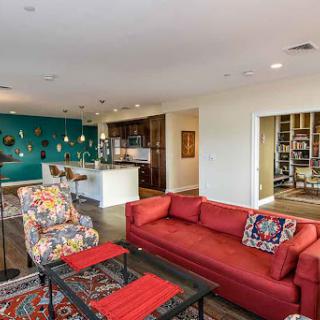
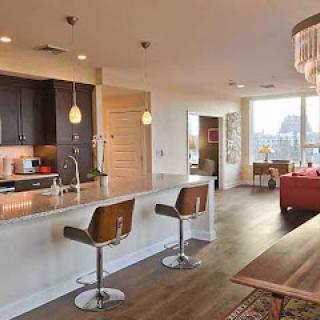






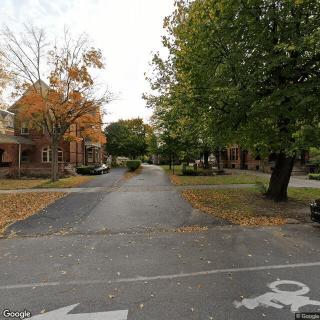
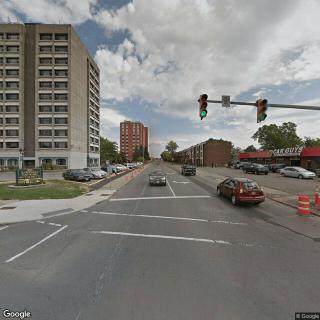
1 Gates Circle, Buffalo, NY 14209
For more information about senior living options: (866) 208-4318
Overall Review of Canterbury Woods Gates Circle
Pros
 It is a nice place for senior living.
- The property is beautiful, and the food is great.
- It provides 24/7 security at the front desk.
- Nurses are on site to tend to residents' health needs.
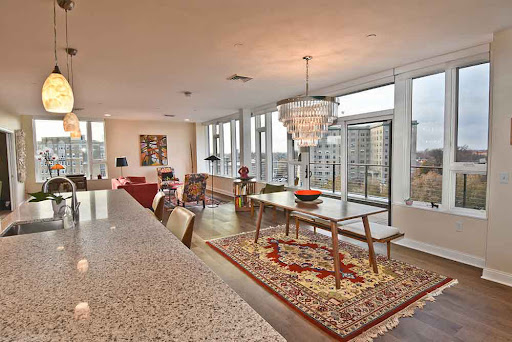
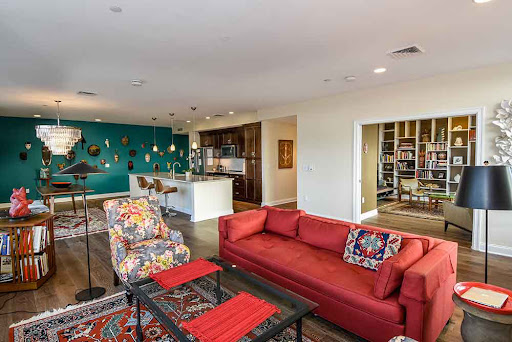
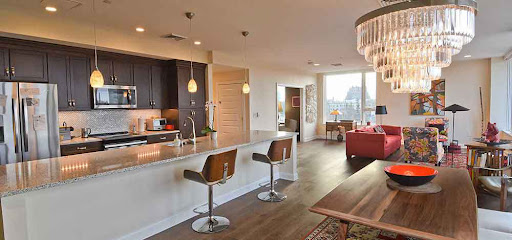
- It is a new facility that is very nice.
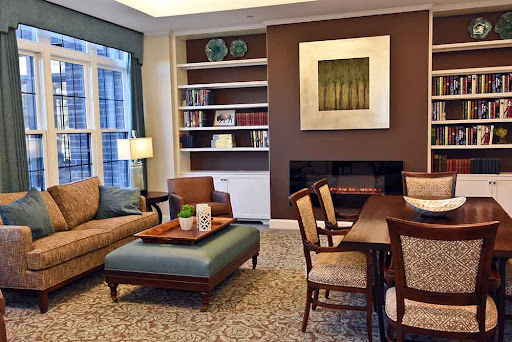
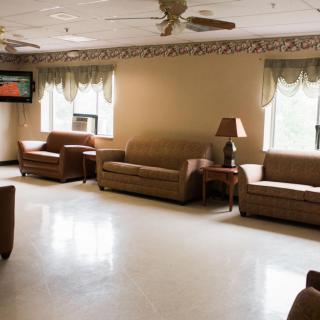
- The dining area is very beautiful.
- It has a warm and caring staff.
Cons
 They claim Canterbury Woods built the facility and then sued to stop nearby development to supposedly preserve green space.
- They say the company is blocking the construction of new housing when there is a shortage, calling them bad neighbors.
- They assert that Canterbury Woods is only looking out for its own bottom line.
- They call Canterbury Woods a bad neighbor to the neighborhood.
Review
Canterbury Woods Gates Circle is best suited for seniors who want a premium, urban continuum-of-care experience on one campus. The Buffalo, NY facility combines independent living, assisted living, on-site rehab, and skilled nursing within a single, modern campus opened in 2020. It appeals to families and residents who value a high level of security, 24/7 staff availability, chef-driven dining, and the convenience of having medical and therapeutic services adjacent to daily living. For someone who wants a sophisticated, all-inclusive lifestyle with predictable transitions between care levels, this campus fits the bill.
Those weighing options should consider alternatives if affordability tops the list or if a lighter touch is preferred. The price point reflects an all-inclusive, premium package, meals, transportation to medical appointments, and organized trips are baked into the model, with care levels scaling up as needs change. If the long-term financial commitment feels daunting or if the desire is for a more casual, less structured environment, other communities may offer a better fit. Additionally, the campus has drawn scrutiny from some observers over its corporate posture in the neighborhood, a factor that could matter to residents who want a more uncontroversial or low-profile community footprint.
The strongest positives begin with the continuum-of-care design. Residents can slide from independent living into assisted living and, if needed, rehab or skilled nursing without uprooting. The staff presence is a constant, a 24/7 desk, on-site nurses, and readily available care when health needs fluctuate. This creates a safety net that reduces the stress of serious illness or injury, and it supports families seeking a single, trustworthy place for evolving care. Dining and social programming are not afterthoughts here; the dining room earns consistent praise for quality and presentation, underscoring a lifestyle that feels both upscale and thoughtfully managed. The modern, well-kept facility adds to the sense of stability and reliability.
On balance, the main downsides cluster around cost and fit. The community’s price reflects a premium experience: meals, transportation, outings, and a comprehensive care ladder are bundled into a single monthly footing. For some families, this is a justifiable investment; for others, it may exceed budget expectations or long-range financial comfort. The age cohort described in some conversations, an emphasis on 70s to 80s and a strong sense of place within an urban, security-conscious campus, can feel restrictive to those seeking a more varied age mix or younger seniors who value flexible, low-key environments. And while the cited development controversy does not impact day-to-day care, it can color perceptions of the campus among potential residents who weigh neighborhood relations and community footprint.
The key advantages, continuum care, robust security, on-site medical support, and inclusive services, tend to offset the strongest drawbacks when alignment is clear. The ability to access skilled care without moving to a new facility is a major peace-of-mind driver for families confronting progression in health needs. LTC coverage or long-term-insurance considerations, frequently favorable at Canterbury Woods, can materially temper out-of-pocket costs, while transportation, meals, and organized outings keep life active without the ongoing logistics burden. The beauty of the property and dining experience matters, not as a gimmick, but as a material enhancer of overall well-being and daily satisfaction for residents who stay engaged.
For families evaluating a visit, the prudent approach is pragmatic: tour the campus with a specific eye toward cost structure and what is truly included, ask how much flexibility exists if health needs change, and verify the continuity pathway for spouses or partners who may have different care trajectories. Probe how often financials are updated, what the long-term rate projections look like, and whether there are any hidden fees beyond base monthly costs. Speak with current residents about everyday experiences, security routines, meal consistency, and the cadence of outings, and weigh those impressions against the figure attached to the decision. Canterbury Woods Gates Circle remains a compelling choice for those seeking a secure, all-in-one care environment with a modern, upscale touch, provided the price is comfortable and the continuum of care aligns with anticipated needs.
 5 resident community capacity
 Assisted Living
 Cable or satellite TV
 Dining room
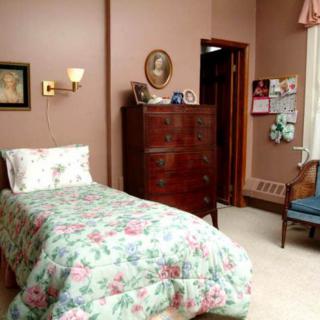
 Fully furnished
 Garden
 Housekeeping services
 Move-in coordination
 Outdoor space
 Telephone
 Wi-Fi/high-speed internet available
 Buffalo Niagara International (7 miles away)
 24-hour supervision
 Activities of daily living assistance
 Assistance with bathing
 Assistance with dressing
 Assistance with transfers
 Diabetes diet
 Meal preparation and service
 Medication management
 Special dietary restrictions
 Transportation arrangement (medical)
 Transportation to doctors appointments

 Assisted Living Support for Veterans: A Complete and Detailed Overview
 Exploring the Contrasts Between Assisted Living and Skilled Nursing
 8 Key Indicators That Suggest It May Be Time to Transition from Assisted Living to Skilled Nursing Care