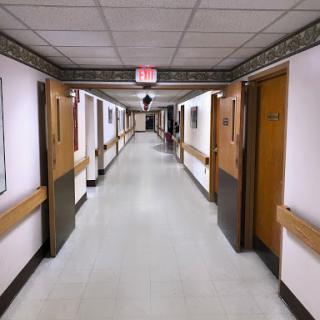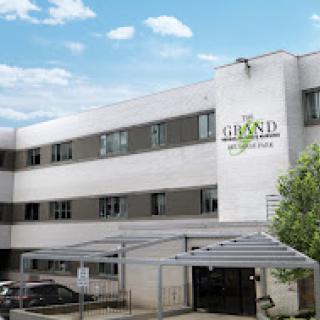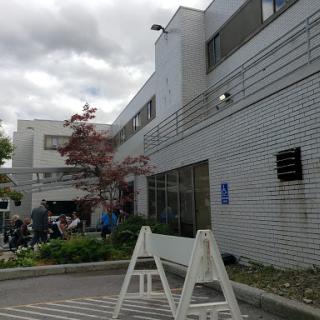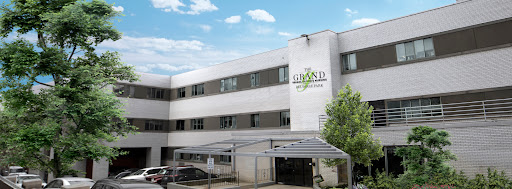
1205 Delaware Avenue, Buffalo, NY 14209
For more information about senior living options: (866) 208-4318
Overall Review of Buffalo Community Healthcare Center
Pros
 Hawthorn Health Multicare Center is phenomenal.
- The staff there are nice and polite.
- The physical therapists are always positive about everything.
- They push their patients toward better health.
- They encourage residents to dine in the hall to socialize and interact.
- It is a very nice place with very nice people.
Review
Buffalo Community Healthcare Center is best suited for seniors who want a rehab-forward, socially vibrant living environment where staff actively pursues improvement and caregivers are consistently courteous. The sole publicly available testimonial describes Hawthorn Health Multicare Center as having a polite, friendly staff and a physical therapy team that remains optimistic and goal-driven. For families seeking a setting that emphasizes recovery momentum and meaningful social interaction, this approach can translate into practical gains: residents are encouraged to dine in common areas to socialize, build routines, and connect with peers. In short, the center appears to prioritize active engagement, mobility support, and a community texture that keeps residents mentally and physically connected.
Still, several realities merit careful consideration before deciding, and Buffalo Community Healthcare Center is not automatically the right match for every senior. The review’s emphasis on social dining and interpersonal warmth may clash with preferences for quiet, private in-room time or for residents who favor minimal routine disruption. For individuals with high medical complexity, substantial cognitive needs, or a requirement for constant clinical oversight, the described model, while advantageous for engagement and rehab motivation, may require supplementary supports or a more medically centered program. Those who value discreet privacy or a calmer cadence may want to explore alternatives that foreground quiet living spaces and more predictable daily structures.
The strongest positives in the cited experience revolve around people and pace. A courteous, motivated staff culture reduces caregiver-related stress for families and helps residents feel understood and supported. A proactive physical therapy environment can translate into tangible improvements in mobility, confidence, and independence, especially for those emerging from illness or injury. The social dining approach, beyond fostering interaction, can combat isolation, reinforce accountability for daily participation, and normalize routines that preserve function. Taken together, these attributes create a practical advantage for residents who respond well to encouragement, teamwork, and a lively atmosphere.
What remains underdefined, however, are details critical to day-to-day feasibility. The review provides limited information on privacy, room configurations, meal flexibility, and the breadth of services beyond therapy and dining policies. Prospective residents should verify whether private rooms are available, what meal options exist for those with dietary restrictions, and whether there are quiet spaces for rest or family visits. Staffing levels, the continuity of care, access to more intensive medical oversight, and dementia-specific programming are not clearly described. The absence of explicit pricing and coverage details further argues for direct inquiries to admissions to avoid misaligned expectations.
From a decision-making standpoint, alignment hinges on what the family values most. If mobility maintenance, social connection, and a structured rehabilitation tempo are primary goals, Buffalo Community Healthcare Center could be a compelling fit and should be high on the shortlist. For residents who prize privacy, a low-stimulation environment, or require aggressive, around-the-clock medical management, it may be prudent to broaden the search to centers that foreground discreet living spaces and deeper clinical resources. The prudent path is to arrange a detailed tour, observe an activity or therapy session, and ask hard questions about room options, meal flexibility, and daily routines.
In the end, the best-fit choice balances independence with appropriate support and a constructive social milieu. Based on the features highlighted in the available review, polite, engaged staffing; goal-oriented rehab focus; and a dining-in-social model, the center presents a viable option for families prioritizing mobility, engagement, and community. It is not a universal solution, but for seniors who respond well to an energetic, team-driven environment and who view rehab progress as part of daily life, this approach warrants serious consideration. The next step is a disciplined site visit: verify therapy intensity and scheduling, confirm room and dining arrangements, and speak with current residents or families about daily life. When those factors align, the recommended course is clear: proceed with confidence and bring questions to the table to ensure the match is the right fit.
 95 resident community capacity
 Skilled Nursing Facility
 Air-conditioning
 Beauty salon
 Cable or satellite TV
 Computer center
 Dining room
 Fitness room
 Fully furnished
 Gaming room
 Garden
 Housekeeping services
 Kitchenette
 Move-in coordination
 Outdoor space
 Private bathrooms
 Restaurant-style dining
 Small library
 Telephone
 Wellness center
 Wi-Fi/high-speed internet available
 Buffalo Niagara International (7 miles away)
 Community operated transportation
 12-16 hour nursing
 24-hour call system
 Activities of daily living assistance
 Assistance with bathing
 Assistance with dressing
 Assistance with transfers
 Diabetes diet
 Medication management
 Mental wellness program
 Special dietary restrictions
 Concierge services
 Planned day trips


 Effective Strategies for Keeping Seniors' Minds Active: A Deep Dive into Brain Games and Apps
 In-Depth Look at the VA Aid and Attendance Program
 Nurturing Our Loved Ones: A Daughter's Journey in Caring for Her Mother