
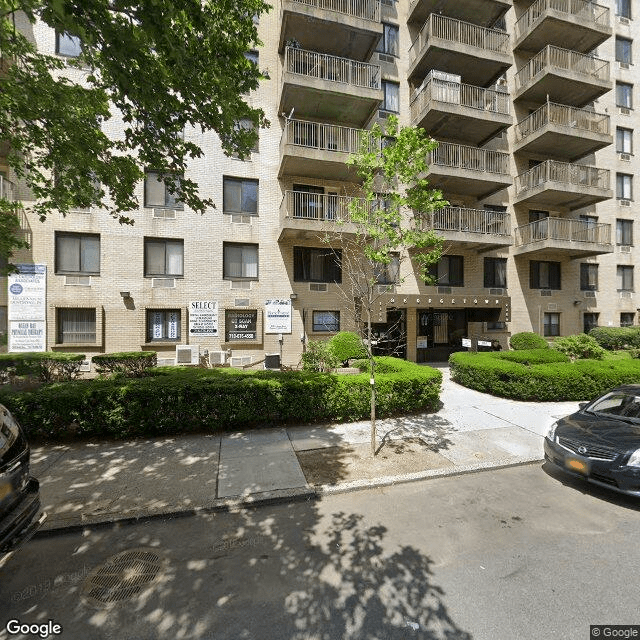
2350 Ocean Ave Lower Level, Brooklyn, NY 11229
To contact a resident: (239) 594-3250
For more information about senior living options: (866) 208-4318
Overall Review of Home Instead - Brooklyn, NY
Pros
 Home Instead did an amazing job caring for the client's mom, with 24-hour care and aides who were incredible and became like family.
- From the start, Home Instead set up an excellent caregiver for mom; the caregiver was thoughtful, prompt, and kind, and stayed for five years.
- Marcia at Home Instead South Brooklyn is warm, caring, and accommodating; the aunt's caregiver treated her as if she were her own mother and brought joy and peace to her final days.
- The caregivers are good and caring, and the team is consistently accommodating and attentive to details.
- Home Instead's Brooklyn team became an extension of the family, caring for the dad with love and dedication.
- The organization is staffed with caring and kind home health care aides and is run by competent, flexible, and compassionate owners and staff.
Cons
 They have no patience and are rude; they never give anyone a chance to speak, and when they say they'll call back, they do not follow through.
- The staff were very rude.
Review
This community is best suited for families who want their loved one to remain at home with highly personalized, long-term in-home care. It works especially well when continuity matters and a caregiver can become a trusted, almost familial presence. The model suits seniors who form strong bonds with aides, appreciate attentive supervision, and value responsive administrative support that can arrange substitutes without leaving care gaps. It is a solid fit for those seeking comfort, companionship, and practical daily assistance in a familiar setting, including end-of-life moments where dignified, in-home care can make the final chapters calmer and more gentle.
Families evaluating alternatives should consider other options if the priority is a fixed, facility-based environment with on-site medical staffing, a more rigid caregiver roster, or highly specialized memory care and clinical oversight. For seniors who require very structured medical management or who prefer a campus with built-in social programming and 24/7 on-site amenities, an assisted living community may offer a more predictable daily routine. Similarly, if a family needs stringent, zero-tolerance consistency in caregiver assignment or has had prior trouble achieving reliable communication, it is prudent to compare other home-care providers with different staffing models or escalation procedures.
On the positive side, the strongest appeal lies in compassionate, capable aides who feel like extension of the family. Numerous accounts highlight long-tenured caregivers who stay with a client for years, delivering consistent, thoughtful care and companionship. The ability to provide substitutes when a caregiver is unavailable, coupled with timely, transparent communication about staffing changes, reduces disruption and preserves continuity. Administrative leadership emerges as a clear asset, owners and staff are described as competent, flexible, and attentive to detail, attributes that translate into smoother day-to-day operation and fewer surprises for families navigating complex care needs.
Where the experience falters, it centers on occasional frontline interactions that feel less patient or courteous. A minority of reviews describe rude staff or communication gaps that can fray nerves at stressful moments. Those reflections matter: they signal that caregiver fit and the quality of daily communication cannot be assumed and must be actively managed. Yet even these concerns tend to be mitigated when families clearly articulate expectations, insist on consistent caregiver assignments, and leverage the agency’s oversight and rapid issue-resolution practices. In short, the service can reach a high bar, but it requires proactive planning and vigilant supervision from families during the onboarding and ongoing care period.
To maximize the advantages, agencies of this type benefit from a proactive intake that maps out a caregiver profile, preferences, routines, and compatibility triggers, before the first shift. Families should insist on a dedicated care manager, request a well-matched primary caregiver with a strong track record, and confirm a robust backup plan for vacations or illnesses. Establish explicit communication protocols, including response times and preferred channels, and set a clear, written care plan that both the family and the caregiver can reference. A short, structured trial period helps detect mismatches early, allowing for adjustments before a pattern forms.
In the final assessment, Home Instead Brooklyn stands out as a viable, often excellent option for keeping a loved one at home with a trusted caregiver network, supported by responsive administration and a proven ability to create a family-like care environment. The model succeeds brilliantly when caregiver continuity is achievable and expectations are aligned from the outset. It may be less optimal for families needing unwavering, fixed-roster care or high-touch medical oversight in a residential setting. For those weighing paths, a thorough intake, explicit care planning, and a clear commitment to caregiver compatibility will determine whether this agency delivers the steady, compassionate home care that families seek or whether an alternative arranged environment would better meet higher medical or structural needs.
 John F Kennedy International (9 miles away)






 Top Canine Companions for Older Adults
 Comprehensive Guide to Blood Pressure Charts for Older Adults: Understanding Normal and High Readings by Age
 Financing Long-Term Nursing Home Care Through Social Security: A Thorough Exploration