MorningStar Of Santa Fe

Save

  • Interior

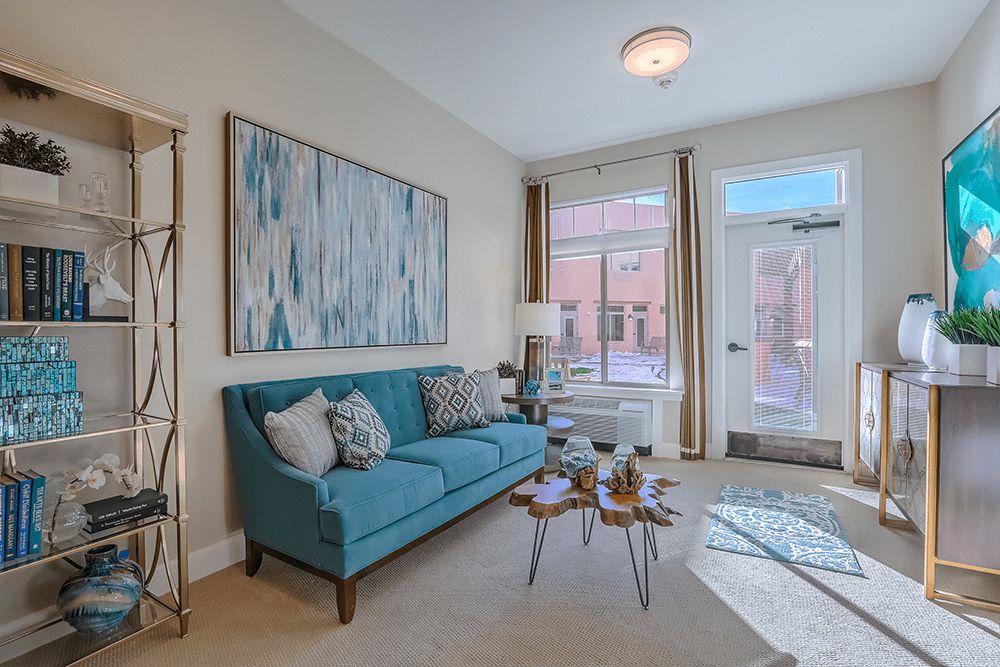
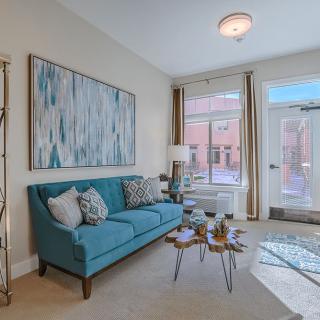
    A cozy living room with a teal sofa, abstract artwork on the wall, and natural light streaming in through large windows.
  • Decor

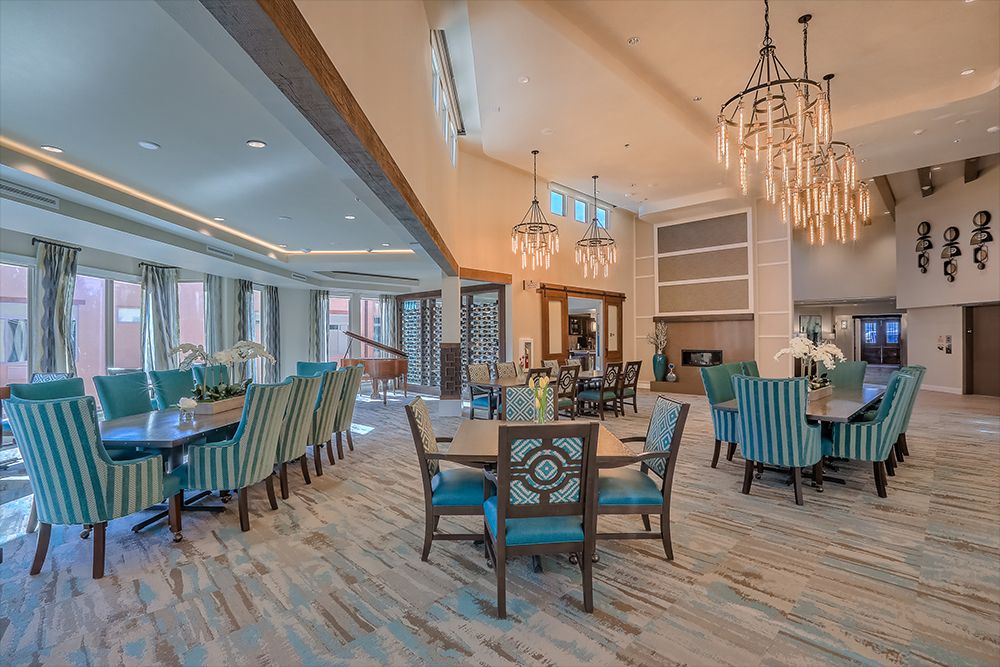
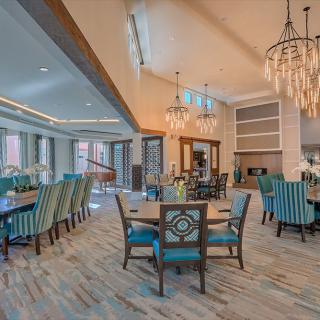
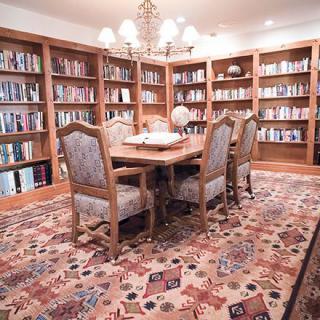
    A elegantly designed dining area with chandeliers and comfortable seating.
  • Living Room

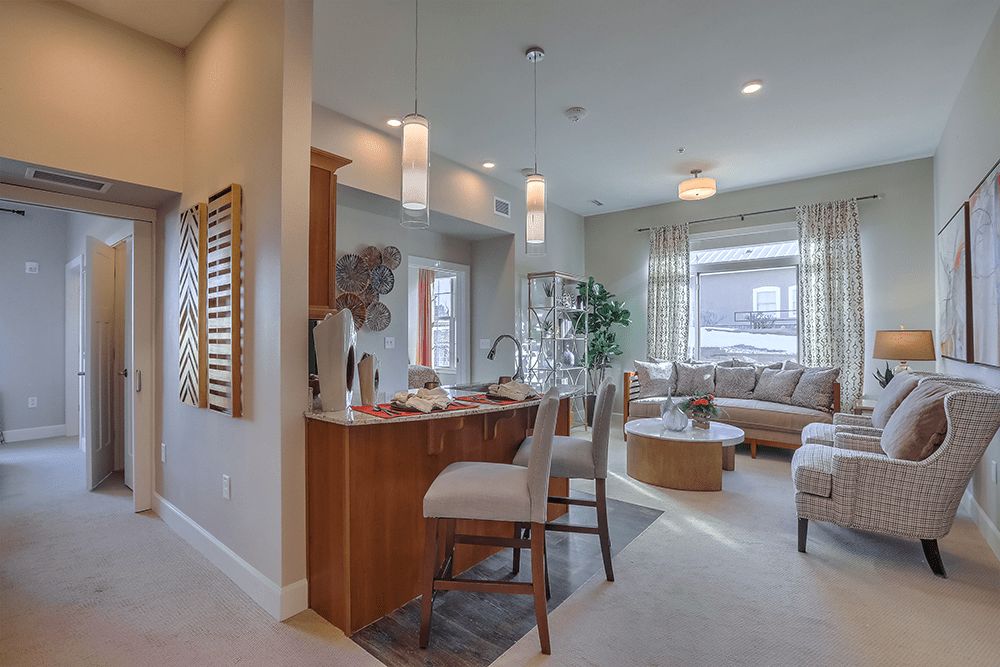
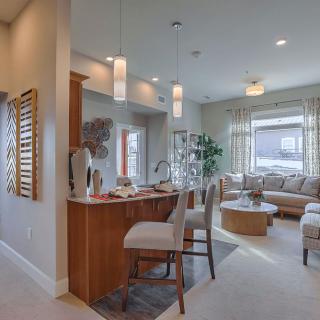
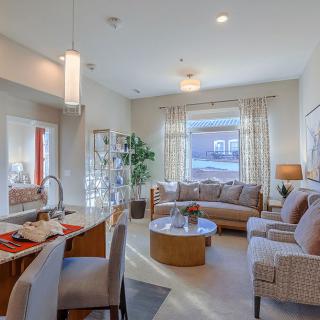
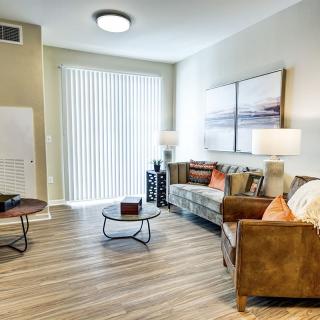
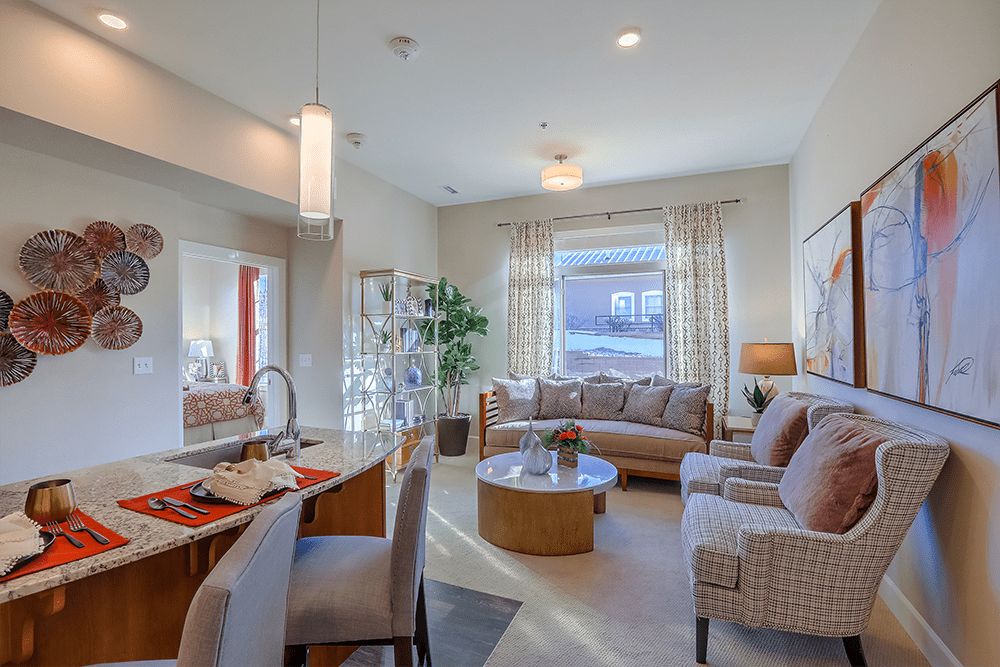
    A modern open-concept living room and kitchen area featuring neutral decor and contemporary furnishings.
  • Building

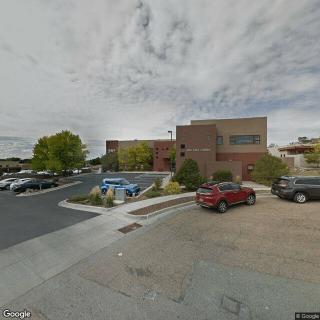
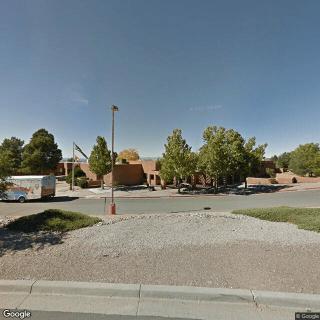
    A desert building with scenic mountain views under a partly cloudy sky.
  • Architecture

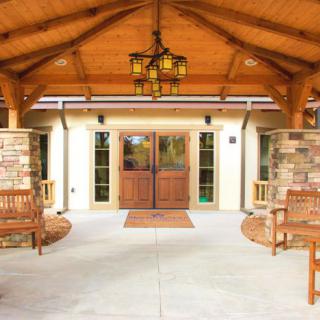
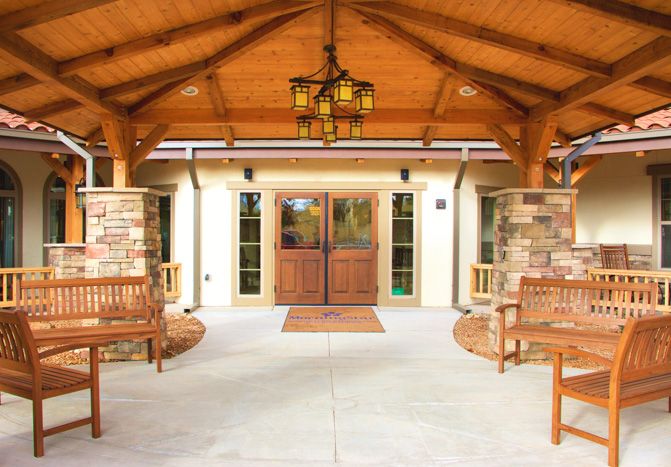
    A welcoming building entrance with wooden accents and seating.
  • Bedroom

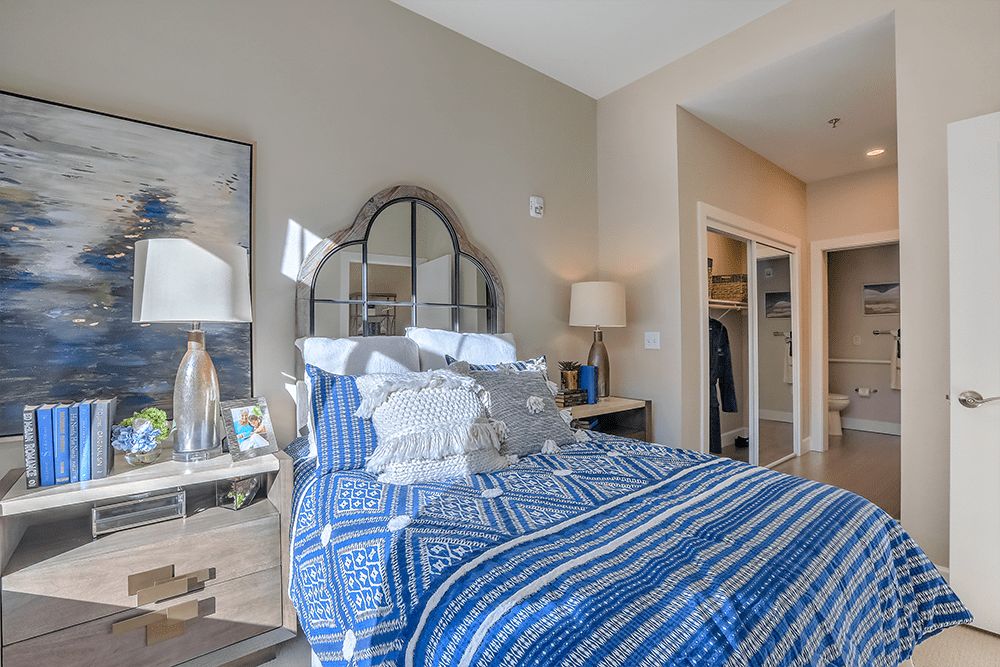
    A cozy bedroom with blue bedding, decorative pillows, and a stylish mirror above the bed.
  • Windows

    A modern living room with stylish furniture and natural lighting.
  • Dining

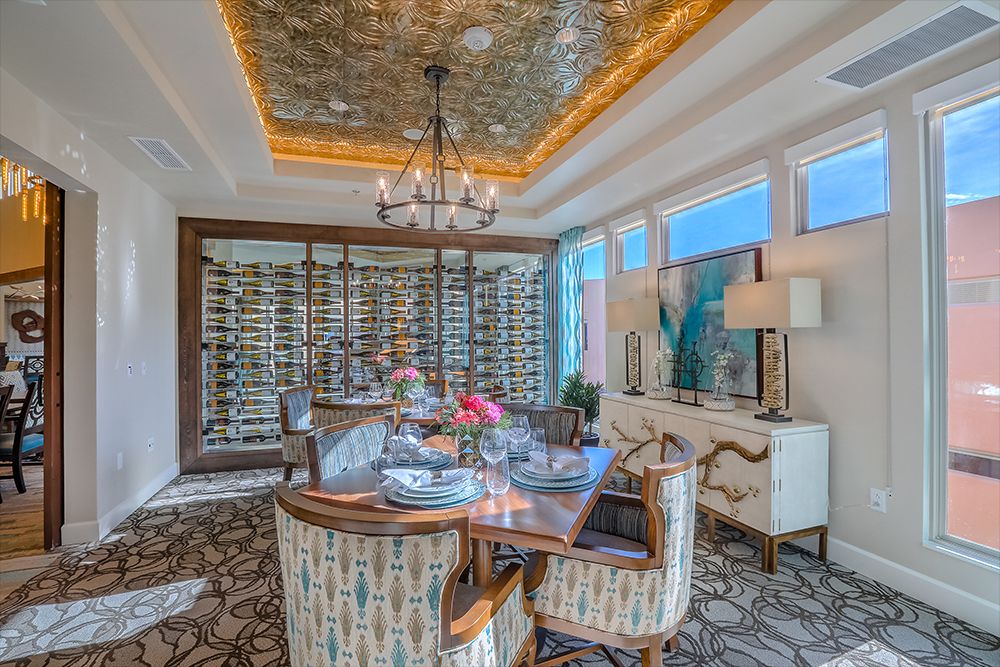
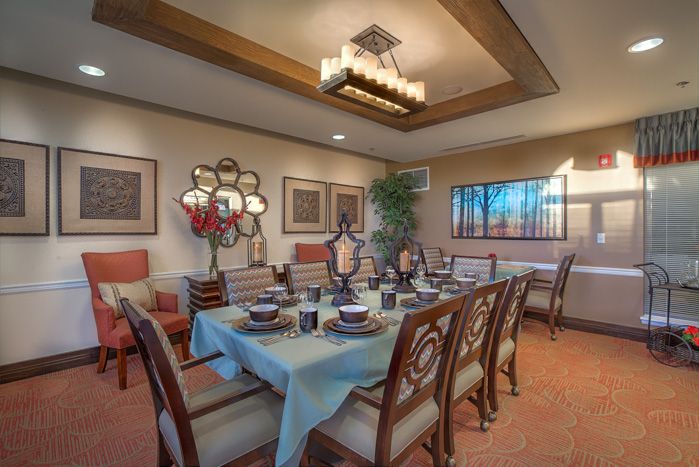
    A luxurious dining room featuring an elegant chandelier, decorative ceiling, and a wall-mounted wine rack.
  • Kitchen

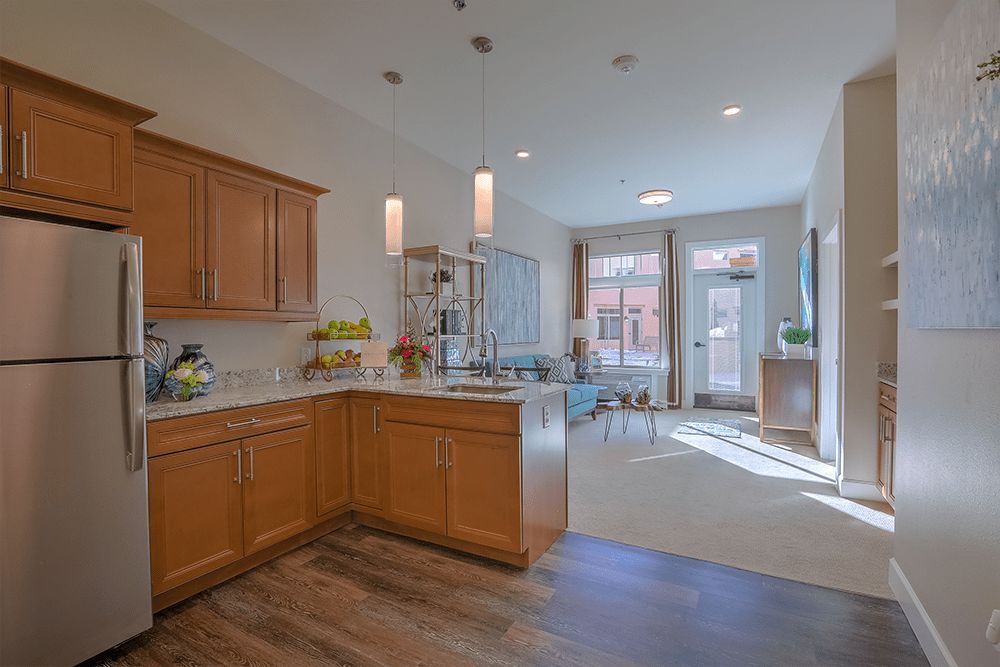
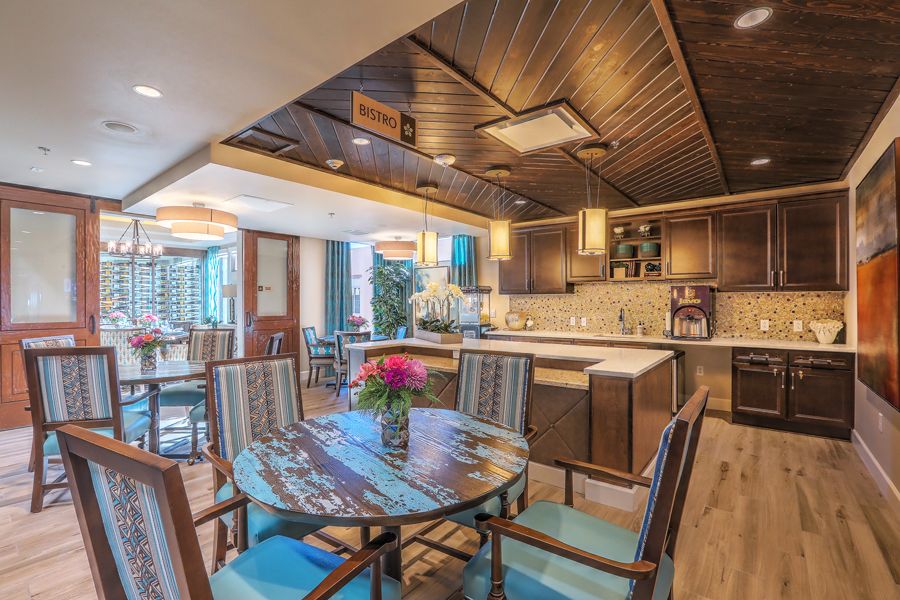
    A modern kitchen with wooden cabinets and an open dining area filled with natural light.
  • Lighting

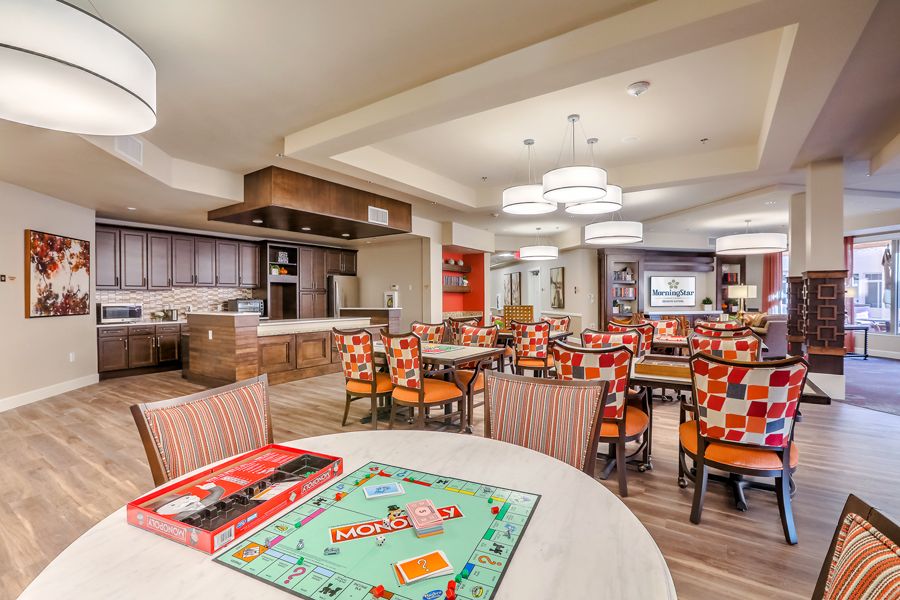
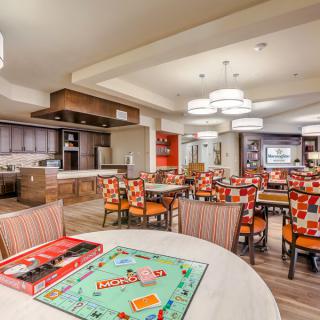
    A cozy dining area with a Monopoly board game set up on a table.
  • Artwork

    A cozy theater room with patterned seating and vibrant artwork on the walls.
  • Bathroom

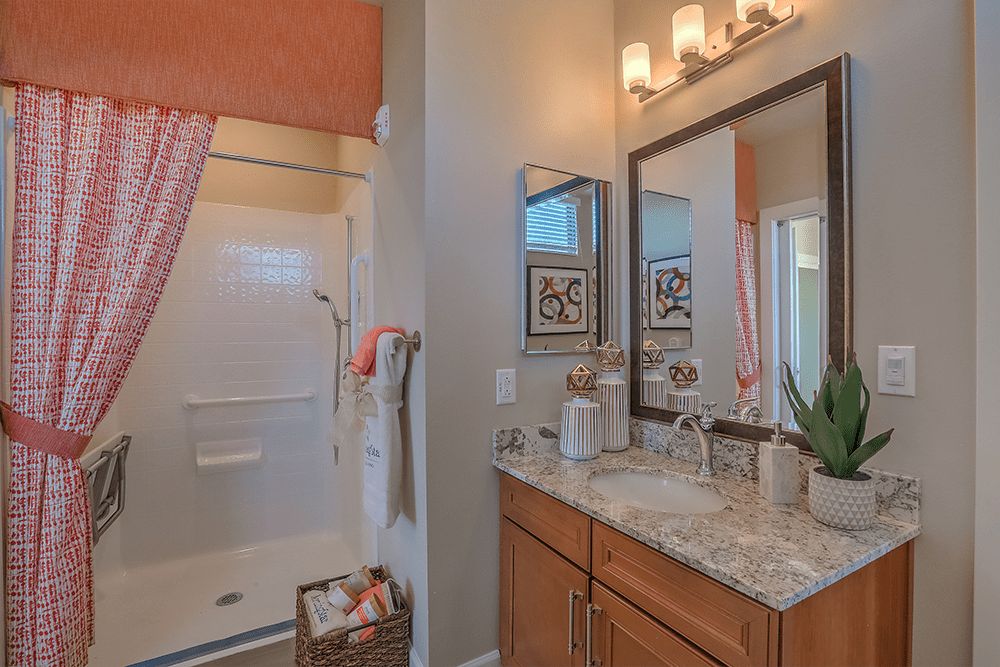
    A well-lit bathroom with a modern vanity and shower area, decorated with towels and plants.
  • Lobby

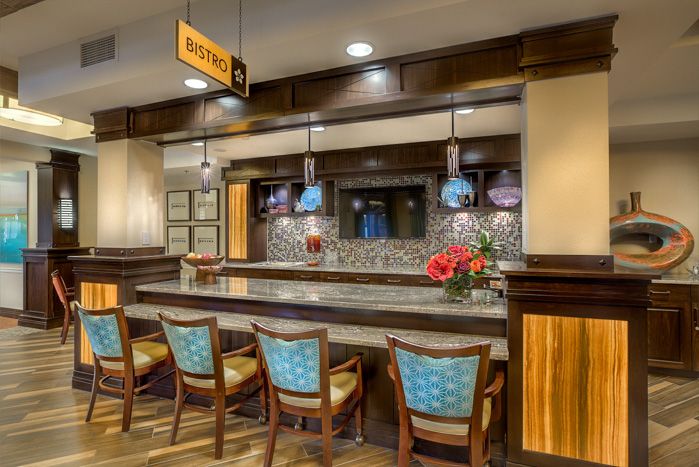
    A modern hotel lobby bar with stylish seating and elegant lighting.
  • Chandelier

    Spacious hotel lobby with a grand chandelier and elegant staircase.

MorningStar Of Santa Fe

2041 South Pacheco Street, Santa Fe, NM 87505

For more information about senior living options: (844) 490-3973

4.4 from 36 reviews
5 stars
29
4 stars
2
3 stars
0
2 stars
1
1 stars
4

Assisted Living Memory Care

Overall Review of MorningStar Of Santa Fe

Pros

  • pro MorningStar is praised for showing great compassion toward residents; the staff is amazing and the facility is clean and up to date.
  • pro The staff at MorningStar is top tier - friendly, supportive, thoughtful and encouraging.
  • pro MorningStar provides abundant, enjoyable activities and invites family participation, with weekly events and tasty meals.
  • pro The building at MorningStar is new, bright, beautiful, with welcoming and comfortable common areas.
  • pro MorningStar prioritizes residents' comfort and safety, promptly resolving issues when they arise.
  • pro The care at MorningStar is delivered by caring staff who know residents' interests and names and maintain a well-staffed facility.
  • pro The meals at MorningStar are delicious and nutritious, and residents appear happy.
  • pro Leadership and staff at MorningStar have developed a generous, community-focused program and a gorgeous new property.
  • pro Families express gratitude for MorningStar, noting it helps their loved ones live their best life.

Cons

  • pro The facility is described as a business focused on the bottom line, with very little compassion shown by management to residents and their families.
  • pro The staff turnover is criticized, with claims of no consistency of care or concern, and a focus on making money.
  • pro A reviewer strongly advises not to place loved ones there.
  • pro The kitchen management is described as unprofessional, with residents the site says deserve the best.
  • pro There are reported problems with the connected pharmacy and outside nursing staff.
  • pro At the Santa Fe location, a staff member is described as extremely rude and withholding information about a restraining order.

Review

MorningStar of Santa Fe is best suited for families seeking a bright, activity-rich environment where compassionate caregiving is visible every day and family involvement remains central. The community shines for residents who thrive on structured programming, robust memory-care support, and a culture of staff attentiveness. It is especially appealing to families prioritizing a modern, clean setting, convenient amenities, and a campus where activities - from art and music to social events and reminiscence-focused programs - are plentiful and well organized. For seniors who want a home-like atmosphere with ongoing engagement and visible staff presence, this campus demonstrates clear strengths.

Those who may want to consider alternatives are typically evaluating two red flags: consistency and administration style. If turnover among front-line caregivers or perceptions that management prioritizes bottom-line concerns over sustained, individualized care would be unacceptable, this is a factor to probe in depth during a tour. Several critics point to inconsistency in care and staffing patterns over time, and a few notes reference a management approach that appears more financially driven than person-centered. Families that require unwavering, highly regimented medical oversight or who need highly transparent, every-detail communication with leadership may want to cross-check other communities before making a final commitment. In short, if consistency in day-to-day caregiving routines or a more conservative operational stance is non-negotiable, alternatives deserve consideration.

On the plus side, the pros here are meaningful enough to offset many concerns. The staff is widely described as friendly, professional, and deeply committed to residents, with praise for that "top-tier" care from med techs to housekeepers and activities staff. The resident-to-staff ratio and the culture of communication with families stand out as differentiators: families report being kept informed, reassured, and supported as medical or daily-life needs evolve. The building itself reinforces trust - new, bright, and aesthetically pleasing spaces with comfortable common areas. The programming is expansive and varied, inviting participation from residents and families alike, and municipal leadership has been active in community giving, underscoring a sense of accountability and purpose beyond routine operations. For families navigating memory-care decisions, this campus often delivers a combination of compassionate direct care and engaging routines that can improve quality of life for loved ones.

Where the conversation becomes real is in weighing the notable cons against those strong advantages. The most frequently cited concerns center on management's apparent focus on the business side and occasional lapses in consistency, plus a handful of operational criticisms (for example, a reported issue with kitchen management and occasional friction with external providers). Yet multiple reviews highlight how MorningStar staff and leadership respond quickly when problems arise, stepping in to protect resident comfort and safety and to resolve pharmacy or outside-nursing snags. This responsiveness matters: it means the institution isn't passive when difficulties appear, but rather acts to stabilize care and sustain resident well-being. For families, the key question becomes whether these responsive, hands-on fixes and the high-touch, attribute-driven culture align with the resident's needs and the family's expectations for day-to-day reliability.

In practical terms, this community makes the most sense for residents who want a lively, people-centered living experience and who can tolerate occasional operational growing pains while benefiting from consistent warmth, strong activities programming, and visible staff engagement. Memory-care needs are well-supported here, with dedicated attention observed across frontline teams, thoughtful programming, and an environment that feels safe and respectful. Potential residents who require near-constant medical oversight or who demand extraordinary, board-level transparency about every operational decision may wish to compare options and ask pointed questions about nursing coverage, meal service management, and staffing plans over the next year. For families, a deliberate approach - tour the community, meet front-line staff, review actual care plans, and talk to current residents and families - will reveal how well MorningStar Santa Fe fits the individual's care priorities.

The bottom line: MorningStar of Santa Fe delivers a compelling blend of compassionate staff, active programming, and a modern, welcoming setting that can significantly elevate daily life for many seniors and their families. It stands out for those who value relational care, robust family involvement, and a lively, well-supported social calendar. The caveats are real enough to warrant careful scrutiny - primarily concerns about consistency and management style, plus occasional operational hiccups - but they do not eclipse the core strengths for a large cohort. For families prioritizing engagement, trust in staff relationships, and a home-like atmosphere, MorningStar Santa Fe is a strong, well-qualified choice. For those who cannot tolerate potential fluctuations in care continuity or who require a tighter, more control-focused administrative approach, exploring alternatives with firmer guarantees may be prudent.

Features

Housing

  • 85 resident community capacity 85 resident community capacity

Types of Care

  • Assisted Living Assisted LivingAssisted living facilities provide crucial support and care for seniors who may need help with daily tasks such as medication management, bathing, and meal preparation. These communities offer a safe and comfortable environment where seniors can maintain their independence while receiving the assistance they need to thrive in their golden years.
  • Memory Care Memory CareMemory care is crucial for seniors as it provides specialized support and services for individuals with dementia or Alzheimer's disease. These programs offer a safe and secure environment where residents receive personalized care, cognitive stimulation, and help with daily activities. Memory care helps seniors maintain their independence, quality of life, and dignity while also providing peace of mind for their families.

Amenities

  • Air-conditioning Air-conditioningAir conditioning is important for seniors as they are more vulnerable to heat-related illnesses and may have underlying health conditions that make it difficult for them to regulate their body temperature. It helps to keep them comfortable, safe, and healthy in hot weather.
  • Beauty salon Beauty salonBeauty salons are important for seniors because they provide a space for them to feel pampered, socialize, and maintain their personal grooming and hygiene. Regular visits to a beauty salon can help boost seniors' self-esteem and overall well-being.
  • Cable or satellite TV Cable or satellite TVCable or satellite TV is important for seniors because it provides entertainment, news, and companionship, helping to combat loneliness and boredom. It also offers a wide range of programming options tailored to different interests and preferences.
  • Computer center Computer centerA computer center is essential for seniors as it provides access to technology, communication tools, and resources that can enhance their daily lives. It allows them to stay connected with loved ones, engage in online activities, and learn new skills, ultimately promoting socialization and mental stimulation.
  • Dining room Dining roomDining rooms are important for seniors as they provide a space for socialization, connection, and nutritious meals. They offer opportunities for residents to bond over shared meals, foster a sense of community, and promote healthy eating habits. Dining rooms also ensure that seniors have access to well-balanced meals tailored to their dietary needs and preferences.
  • Fitness room Fitness roomHaving a fitness room in a senior living community is essential for seniors to stay active, maintain their physical health, and improve their overall well-being. Regular exercise can help prevent falls, reduce the risk of chronic diseases, and promote mental sharpness. It also provides social opportunities for residents to connect with others and enjoy a sense of community.
  • Fully furnished Fully furnishedFully furnished senior living communities are important for seniors because they provide convenience, comfort, and a hassle-free moving experience. Seniors can easily settle into their new living space without the stress of having to buy and move furniture. This allows them to focus on enjoying their new home and community.
  • Gaming room Gaming roomGaming rooms are important for seniors as they provide a fun and engaging environment for socializing, cognitive stimulation, and physical activity. Games can improve memory, problem-solving skills, and overall mental well-being while fostering friendships and reducing feelings of isolation.
  • Garden GardenGardens are important for seniors as they provide a peaceful and therapeutic environment for relaxation, physical activity, and socialization. Being in nature has been shown to reduce stress, improve mood, and promote overall well-being. Gardens also offer opportunities for seniors to engage in gardening activities, which can improve mobility, flexibility, and cognitive function. Additionally, gardens create a sense of community and connection with others who share a passion for plants and outdoor spaces.
  • Housekeeping services Housekeeping servicesHousekeeping services are important for seniors because they help maintain a clean and safe living environment, promote independence, and reduce the risk of accidents or illnesses. Additionally, having assistance with household chores can alleviate physical strain and allow seniors to focus on other aspects of their well-being.
  • Kitchenette KitchenetteKitchenettes are important for seniors living in senior living communities because they provide the convenience and independence of being able to prepare simple meals and snacks in the comfort of their own living space. This can help promote a sense of autonomy and well-being for seniors, allowing them to maintain some level of control over their dietary choices and daily routines.
  • Move-in coordination Move-in coordinationMove-in coordination is important for seniors because it helps ease the transition into their new living environment. It ensures that all logistics, such as packing, organizing movers, and setting up utilities are taken care of, allowing seniors to focus on settling in and adjusting to their new home. Having a smooth move-in process can alleviate stress and anxiety, making the transition smoother and more enjoyable for seniors.
  • Outdoor space Outdoor spaceOutdoor spaces are important for seniors as they provide opportunities for physical activity, social interaction, exposure to natural light and fresh air, and a sense of connection to nature. Having access to outdoor spaces can improve overall well-being and quality of life for older adults living in senior communities.
  • Private bathrooms Private bathroomsPrivate bathrooms are important for seniors in senior living communities because they provide independence, dignity, and comfort. Having a private bathroom allows seniors to maintain their personal hygiene routines without the need for assistance, promoting a sense of autonomy and privacy. Additionally, private bathrooms help prevent the spread of infections and provide a safe and clean environment for seniors to navigate safely.
  • Restaurant-style dining Restaurant-style diningRestaurant-style dining is important for seniors because it allows them to enjoy delicious, nutritious meals in a social and upscale setting. This enhances their dining experience, promotes healthy eating habits, and fosters socialization with fellow residents, ultimately contributing to their overall well-being and quality of life.
  • Small library Small librarySmall libraries are important for seniors as they provide access to a variety of reading materials, including books, newspapers, and magazines. This can help stimulate their minds, keep them engaged, and provide a sense of community through book clubs and other social activities. Additionally, reading has been shown to improve cognitive function and overall mental well-being in older adults.
  • Spa SpaSpas are important for seniors because they provide relaxation, stress relief, and therapeutic benefits which can improve their overall well-being and quality of life. Additionally, spa treatments such as massages, hydrotherapy, and aromatherapy can help alleviate common age-related ailments such as arthritis, joint pain, and circulation issues. Seniors deserve to enjoy a pampering experience that promotes physical and emotional wellness.
  • Telephone TelephoneTelephones are important for seniors as they provide a lifeline for communication with loved ones, emergency services, and healthcare providers. They offer a sense of security and independence, enabling seniors to stay connected and access assistance when needed.
  • Wellness center Wellness centerWellness centers are important for seniors because they offer a variety of programs and services that promote physical, mental, and emotional well-being. These centers provide opportunities for exercise, socialization, education, and relaxation, helping seniors maintain their overall health and quality of life.
  • Wi-Fi/high-speed internet available Wi-Fi/high-speed internet availableWi-Fi/high-speed internet is important for seniors to stay connected with loved ones, access online resources, and participate in virtual activities to combat feelings of loneliness and isolation. It also allows them to easily manage healthcare needs, access entertainment, and engage in lifelong learning opportunities.

Transportation

  • Santa Fe Municipal (8 miles away) Santa Fe Municipal (8 miles away)
  • Community operated transportation Community operated transportationCommunity operated transportation is crucial for seniors as it provides them with the means to access essential services, social activities, and medical appointments. It allows seniors to maintain their independence and quality of life by ensuring they can participate in activities outside of their homes. Additionally, community-operated transportation services offer a safe and reliable way for seniors to travel without having to rely on family or friends for assistance.
  • Transportation arrangement Transportation arrangementTransportation arrangements are crucial for seniors as they may face challenges with driving, mobility, or access to public transportation. Having reliable transportation services ensures that seniors can easily attend appointments, social activities, and maintain their independence and quality of life.
  • Transportation arrangement (non-medical) Transportation arrangement (non-medical)Transportation arrangements are essential for seniors as they provide access to essential services, activities, and social interactions outside the home. This service helps maintain independence, mobility, and overall well-being for seniors who may have limited transportation options.
  • Transportation to doctors appointments Transportation to doctors appointmentsTransportation to doctors appointments is crucial for seniors as it ensures they have access to necessary medical care and support, promoting their health and well-being. It allows them to receive timely treatment, monitor existing conditions, and address any new health concerns efficiently. Additionally, transportation services can help seniors maintain their independence and quality of life by enabling them to stay connected with their healthcare providers.

Care Services

  • 12-16 hour nursing 12-16 hour nursing12-16 hour nursing care is crucial for seniors in order to ensure around-the-clock monitoring, timely medication administration, and prompt response to any health concerns or emergencies. This level of care helps to promote the overall well-being and safety of seniors living in senior living communities.
  • 24-hour call system 24-hour call system24-hour call systems are important for seniors because they provide peace of mind and immediate assistance in case of emergencies. This technology ensures that help is always available, promoting safety and security for elderly individuals living alone or in assisted living facilities.
  • 24-hour supervision 24-hour supervision24-hour supervision is important for seniors to ensure their safety, well-being, and access to immediate assistance in case of emergencies or health issues. This constant support provides peace of mind for both seniors and their loved ones, allowing them to age in place with dignity and security.
  • Activities of daily living assistance Activities of daily living assistanceActivities of daily living assistance are important for seniors because they provide essential support with tasks such as eating, bathing, dressing, and mobility. This assistance helps seniors maintain their independence, dignity, and overall quality of life as they age.
  • Assistance with bathing Assistance with bathingAssistance with bathing is crucial for seniors as it helps maintain personal hygiene, prevents infections, and ensures their overall well-being and comfort. It also provides a sense of dignity and independence for seniors who may struggle with this task on their own.
  • Assistance with dressing Assistance with dressingAssistance with dressing is important for seniors because it helps maintain their independence, promotes personal hygiene, prevents accidents and injuries, and improves overall quality of life. This service ensures that seniors can continue to dress comfortably and confidently, despite any physical limitations they may have.
  • Assistance with transfers Assistance with transfersAssistance with transfers is crucial for seniors as it helps prevent falls and injuries, maintains their independence, and ensures they can safely navigate their living environment. It also provides peace of mind for both seniors and their loved ones.
  • Coordination with health care providers Coordination with health care providersCoordination with health care providers is crucial for seniors to ensure proper medical care, medication management, and overall well-being. This collaboration helps prevent overlapping treatments, track progress more effectively, and provide comprehensive support tailored to individual needs.
  • Dementia waiver Dementia waiverDementia waivers are essential for seniors as they provide critical protections and accommodations for those experiencing cognitive decline. These waivers ensure individuals with dementia receive appropriate care, support, and resources to maintain their quality of life and dignity as they navigate the challenges of this progressive condition.
  • Diabetes diet Diabetes dietA diabetes diet is crucial for seniors as it helps manage blood sugar levels, reduce risks of complications, and improve overall health and well-being. By following a balanced and nutritious diet tailored to their specific needs, seniors can better control their diabetes and enhance their quality of life.
  • Hospice waiver Hospice waiverHospice waivers are important for seniors because they allow individuals to receive specialized end-of-life care and support at home or in a hospice facility. This waiver ensures that seniors can access the necessary resources and services to maintain comfort and dignity during their final days.
  • Meal preparation and service Meal preparation and serviceMeal preparation and service are crucial for seniors as they may have limited mobility or energy to cook nutritious meals. Having access to healthy and convenient food options can ensure they are getting the proper nutrition needed to maintain their overall health and well-being.
  • Medication management Medication managementMedication management is crucial for seniors to ensure they are taking the right medications at the correct dosages and times. This helps prevent adverse drug interactions, reduces the risk of medication errors, and promotes overall health and well-being. Proactive management also allows for adjustments as needed based on changing health conditions or new prescriptions.
  • Mental wellness program Mental wellness programMental wellness programs are essential for seniors as they promote cognitive stimulation, emotional support, and social engagement. These programs help prevent isolation, depression, and cognitive decline, ultimately enhancing the overall quality of life for older adults.
  • Mild cognitive impairment Mild cognitive impairment"Mild cognitive impairment" is important for seniors because it is an early stage of cognitive decline that can potentially progress to more severe conditions such as dementia. Recognizing and addressing mild cognitive impairment can help seniors receive appropriate care and support to maintain their quality of life and independence for as long as possible.
  • Special dietary restrictions Special dietary restrictionsSpecial dietary restrictions are important for seniors because age-related changes in metabolism and health conditions can make it difficult for their bodies to process certain foods. By following a diet tailored to their specific needs, seniors can maintain their overall health and well-being, manage chronic conditions, and reduce the risk of complications such as malnutrition or food interactions with medications.
  • Specialized memory care programming Specialized memory care programmingSpecialized memory care programming is crucial for seniors with cognitive impairments such as dementia or Alzheimer's disease. These programs provide a safe and supportive environment tailored to the unique needs of individuals with memory loss, helping them maintain their independence, dignity, and quality of life.
  • Transportation arrangement (medical) Transportation arrangement (medical)Transportation arrangements for medical purposes are essential for seniors as they may have difficulty driving themselves to appointments or accessing public transportation. Having reliable and safe transportation options ensures that seniors can receive timely medical care and maintain their health and well-being.
  • Transportation to doctors appointments Transportation to doctors appointmentsTransportation to doctors appointments is crucial for seniors as it ensures they have access to necessary medical care and support, promoting their health and well-being. It allows them to receive timely treatment, monitor existing conditions, and address any new health concerns efficiently. Additionally, transportation services can help seniors maintain their independence and quality of life by enabling them to stay connected with their healthcare providers.

Dining

  • Diabetes diet Diabetes dietA diabetes diet is crucial for seniors as it helps manage blood sugar levels, reduce risks of complications, and improve overall health and well-being. By following a balanced and nutritious diet tailored to their specific needs, seniors can better control their diabetes and enhance their quality of life.
  • Special dietary restrictions Special dietary restrictionsSpecial dietary restrictions are important for seniors because age-related changes in metabolism and health conditions can make it difficult for their bodies to process certain foods. By following a diet tailored to their specific needs, seniors can maintain their overall health and well-being, manage chronic conditions, and reduce the risk of complications such as malnutrition or food interactions with medications.

Activities

  • Community-sponsored activities Community-sponsored activitiesCommunity-sponsored activities are important for seniors as they provide opportunities for social interaction, mental stimulation, and physical activity. These activities can help improve overall well-being, combat loneliness and isolation, and promote a sense of belonging and purpose among older adults.
  • Concierge services Concierge servicesConcierge services are essential for seniors as they provide assistance with daily tasks and errands, enhance their quality of life by offering convenience and personalized care, and promote a sense of safety and security.
  • Fitness programs Fitness programsFitness programs are crucial for seniors as they help improve strength, flexibility, balance, and overall well-being. Staying active can reduce the risk of chronic diseases, improve mental health, and enhance quality of life in older adults.
  • Planned day trips Planned day tripsPlanned day trips are important for seniors because they offer opportunities for socialization, mental stimulation, and physical activity. They provide a change of scenery and help seniors stay engaged and connected to their community, promoting overall well-being and quality of life.
  • Resident-run activities Resident-run activitiesResident-run activities are important for seniors as they encourage social interaction, creativity, and a sense of autonomy. These activities empower seniors to stay engaged and active in their community while fostering meaningful connections with their peers.
  • Scheduled daily activities Scheduled daily activitiesScheduled daily activities are important for seniors because they provide structure, socialization, mental stimulation, and physical activity. Engaging in regular activities can improve overall well-being and quality of life for seniors living in a community setting.

Description

MorningStar of Santa Fe in Santa Fe, NM is an assisted living community that specializes in memory care. Our dedicated staff provides 24-hour supervision and assistance with activities of daily living, such as bathing, dressing, and transfers. We also offer coordination with healthcare providers to ensure our residents receive the appropriate care they need.

Our community is equipped with various amenities to enhance the quality of life for our residents. They can enjoy the convenience of a beauty salon, cable or satellite TV, a computer center, and a fully furnished living space. For recreation and socialization, we have a gaming room, a small library, and scheduled daily activities to keep our residents engaged.

Residents can indulge in delicious meals served in our restaurant-style dining room, where we cater to special dietary restrictions. We also have a kitchenette available for those who prefer cooking their own meals. Additionally, we offer housekeeping services to maintain a clean and comfortable environment.

To promote overall wellness, we provide access to a fitness room and wellness center for exercise and health programs. Our spa offers relaxation and pampering for ultimate comfort. Transportation arrangements are available both for non-medical purposes and transportation to doctors' appointments.

MorningStar of Santa Fe is conveniently located near various amenities including cafes, parks, pharmacies, physicians' offices, restaurants, transportation options, places of worship, theaters, and hospitals.

At MorningStar of Santa Fe, we strive to create an inclusive community where residents can live comfortably while receiving specialized memory care programming tailored to their unique needs.

Nearby Places of Interest

Physicians

  • Carolyn Smith-Lin, MD (0.1 miles)
  • Anasazi Medical Associates (0.1 miles)
  • New Mexico Heart Institute (0.2 miles)
  • Christus St Vincent (0.3 miles)
  • The Orthopaedic Center (0.3 miles)
  • Oral Surgery and Dental Implant Center of Santa Fe (0.3 miles)
  • CHRISTUS St. Vincent Family Medicine Center (0.3 miles)

Pharmacies

  • Smith's Food & Drug (0.1 miles)
  • Pharmacy (0.4 miles)
  • Walgreens (0.7 miles)
  • Albertsons Market Pharmacy (0.8 miles)
  • Sav-On Drugs (0.8 miles)
  • CVS Pharmacy (1.2 miles)
  • Sav-On Pharmacy (1.2 miles)

Restaurants

  • Kai Sushi & Dining (0.2 miles)
  • Blake's Lotaburger (0.5 miles)
  • Sweetwater Harvest Kitchen (0.7 miles)
  • Sunrise Family Restaurant (0.7 miles)
  • Pantry Restaurant (1 miles)
  • El Parasol (1 miles)
  • Taco Bell (1.1 miles)

Hospitals

  • Major Medical (0.3 miles)
  • Physicians Plaza Surgery Center (0.6 miles)
  • CHRISTUS St VINCENT PHYSICIANS MEDICAL CENTER (1.7 miles)

Transportation

  • Rail Runner South Capitol (1.1 miles)
  • Rail Runner: Santa Fe Depot (2 miles)

Cafes

  • The New Baking Company (1.1 miles)
  • Cafecito (1.3 miles)
  • Starbucks (1.5 miles)
  • Modern General (1.7 miles)
  • Sky Coffee (1.9 miles)
  • Java Joe's (1.9 miles)
  • Java Joe's (2 miles)

Parks

  • Ragle Park (1.2 miles)
  • Railyard Park (1.5 miles)
  • Frenchy's Field Park (1.7 miles)
  • Santa Fe Railyard (1.7 miles)
  • John F Ray Griego Park (1.9 miles)

Places of Worship

  • Christ Church Santa Fe (1.3 miles)

Theaters

  • Violet Crown Cinemas Santa Fe (1.9 miles)

Frequently Asked Questions

Where is MorningStar Of Santa Fe?
Does MorningStar Of Santa Fe provide care for residents with dementia or Alzheimer's disease?
What photos are available for MorningStar Of Santa Fe in Santa Fe, New Mexico?

Nearby Communities

  • Home Instead - Santa Fe,  NM

    Home Instead - Santa Fe, NM

    Santa Fe, FL

    4.1 from 19 reviews
     

    pro Consistent caregiver delivering stability.

  • The Rosemont of Santa Fe

    The Rosemont of Santa Fe

    Santa Fe, NM

     
    $2,450 to $3,100 / month

    pro Specialized memory care with diabetic support at affordable pricing.

  • Santa Fe Care Center

    Santa Fe Care Center

    Santa Fe, NM

    3 from 43 reviews
     

    pro Clean facility with strong rehabilitation services and compassionate staff.

  • Casa Real Health Care Ctr

    Casa Real Health Care Ctr

    Santa Fe, NM

    4 from 93 reviews
     

    pro Diabetic care plus on-site activities and indoor common areas.

  • Casa Real

    Casa Real

    Santa Fe, NM

    3.8 from 104 reviews
     

    pro Some staff are caring and responsive, with effective physical therapy.

  • Brookdale Santa Fe

    Brookdale Santa Fe

    Santa Fe, NM

    4 from 93 reviews
    $2,150 to $3,295 / month

    pro Caring staff in a warm, activity-rich community.

  • El Castillo Retirement

    El Castillo Retirement

    Santa Fe, NM

    2.9 from 18 reviews
     

    pro Walkable downtown location with a pleasant courtyard.

  • MorningStar Assisted Living & Memory Care of Santa Fe

    MorningStar Assisted Living & Memory Care of Santa Fe

    Santa Fe, NM

    4.4 from 50 reviews
    $4,405 to $6,730 / month

    pro Caring staff in a clean, well-equipped community with engaging amenities.

  • Las Soleras Senior Living

    Las Soleras Senior Living

    Santa Fe, NM

    4.2 from 50 reviews
    $1,585 to $2,795 / month

    pro Beautiful, well-maintained facility with friendly staff and a vibrant community.

Related Resources

  • how to talk to someone with dementiaHow to Communicate with a Loved One Living with Dementia: 10 Supportive Strategies
    The article outlines effective communication strategies for interacting with loved ones with dementia, highlighting the need for empathy, patience, and understanding while emphasizing supportive approaches like using simple language, minimizing distractions, and focusing on feelings over facts to maintain dignity and foster connection. It also suggests seeking professional guidance when needed as communication challenges evolve.

  • va nursing homeComprehensive Guide to VA Nursing Homes: A Crucial Long-Term Care Resource for Veterans

    VA nursing homes, or Community Living Centers (CLCs), offer tailored long-term care for veterans, featuring medical attention and rehabilitation in a supportive environment. The guide covers facility types, eligibility criteria, financial assistance options, quality of care standards, and alternatives to full-time nursing home placement.

  • in home dementia care costsEstimating the Expenses of At-Home Dementia Care: A Detailed Exploration
    At-home dementia care expenses vary widely based on care levels, location, and caregiver expertise, with monthly costs for home health aides exceeding $4,500 and specialized care potentially surpassing $100,000 annually. While families favor in-home care for its comfort and personalized attention, they must consider financial planning and the challenges of caregiver fatigue.