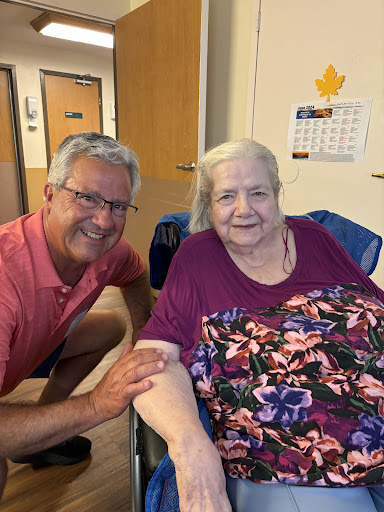
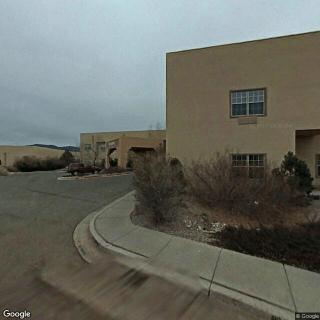
Santa Fe Care Center in Santa Fe, NM

Save
Santa Fe Care Center Santa Fe Care Center Santa Fe Care Center

Santa Fe Care Center in Santa Fe, NM

Information last verified:

635 Harkle Road, Santa Fe, NM 87505

For more information about senior living options: (844) 490-3973

3.1 from 46 reviews
5 stars
20
4 stars
3
3 stars
2
2 stars
3
1 stars
18

Overall Review of Santa Fe Care Center

Pros

  • pro The therapy team and nursing staff care deeply about the residents.
  • pro Residents have many opportunities to build community.
  • pro The activities staff do a great job offering activities and including family.
  • pro The Santa Fe Care Center has a warm, home-like atmosphere with helpful, friendly staff.
  • pro The rehab and nursing teams are praised for their expertise and dedication in helping residents regain independence.
  • pro The facility is clean and well-maintained, with compassionate caregivers.
  • pro Visitors note that staff interactions are comforting and uplifting, contributing to peace of mind.
  • pro The center is described by some as the friendliest and most caring rehab center in the state.

Cons

  • pro The facility is described as a dump with no outlets in rooms, constant noise, and very few staff for dementia patients.
  • pro Staffing is severely underresourced, leading to slow responses and residents left without assistance.
  • pro The staff are disrespectful and seem to work only for money, neglecting residents.
  • pro Residents suffer bedsores and infections due to poor infection control and neglect.
  • pro Visitation is restricted or discouraged, preventing families from seeing their loved ones.
  • pro The facility is dirty and smells terrible, with trash not emptied and unsanitary conditions.

Review

Santa Fe Care Center in Santa Fe, NM is best suited for families targeting short- to mid-term rehabilitation in a warm, home-like setting where a robust therapy program and active family involvement can drive meaningful progress. The center tends to work well for residents who arrive with rehab goals, gait training, wound care, and functional recovery, where the therapy team and nursing staff are capable of coordinating toward a return-home plan. It benefits those who value a facility with a lively, resident-focused atmosphere, relatively clean surroundings, and a staff culture of warmth and engagement. That said, this community is not a one-size-fits-all choice. Families with residents who require constant, around-the-clock nursing supervision, strong infection-control discipline, or an unwaveringly secure environment for memory-impaired or wandering residents may want to consider alternatives. For seniors who need high-level supervision or specialized long-term care, other facilities may deliver steadier coverage and more predictable workflows every shift.

On the positive side, the facility’s therapy and nursing teams are repeatedly cited as the backbone of the care experience. Families note that therapists push hard to restore independence and help residents transition back home or to a less restrictive setting, with a collaborative approach that includes family input. The nursing staff is described as caring and attentive when staffing levels permit, and there is a sense that the activities team makes genuine efforts to involve residents and their families in meaningful, restorative pursuits. The building itself can feel welcoming and clean, contributing to a sense of dignity and comfort during a difficult transition. When staffing is sufficient and morale is high, residents seem to enjoy a measure of community in the rotunda and in organized activities, which can be a powerful antidote to anxiety and isolation during rehab.

Where the narrative becomes more complicated is in the realm of safety, staffing consistency, and administrative vigilance. A thread running through many reviews is concern about safety and supervision, including the risk that residents could wander or be slow to receive assistance. There are reports of lengthy wait times for help, and a few intensely concerning anecdotes about delayed responses or inadequate management during crises. Bedsores, infections, and other complications are also mentioned in several accounts, often tied to questions about staffing levels and infection-control oversight. Taken together, these safety and quality signals suggest that, while the core rehab and care teams can deliver solid results, the center’s consistency across all shifts and days is variable. For a resident with high vulnerability or a dementia diagnosis, these gaps can translate into real risk unless mitigated by vigilant family oversight and proactive care planning.

The culture around staffing ranges from highly commendable to frankly troubling, depending on who is on shift. Some families highlight individual caregivers who demonstrate patience, attentiveness, and a knack for keeping families informed, creating moments of real reassurance in stressful times. Yet other reviews describe disengaged or disrespectful behavior, language issues, and perceived favoritism or turnover that undermines trust. This variability matters: a resident’s experience can swing with the day-to-day makeup of the caregiving team. Prospective families should be prepared to ask pointed questions about staff-to-resident ratios, turnover, and the specific nurse-manager in charge on evenings and weekends. If the facility can guarantee stable teams and clear escalation paths, the care experience can be substantially more reliable than some reviews imply; if not, the risk of inconsistent care increases.

Financial considerations and family access add another layer of decision-making. Medicare coverage for the initial days of skilled rehab can ease the onboarding period, but costs can escalate afterward if longer stays are required. Families often appreciate flexible visitation options, window visits and virtual check-ins help maintain connection when physical visits are challenging, and a generally approachable front desk that can assist with logistics. However, the pricing reality means that ongoing rehab or extended long-term care must be weighed against other local options once Medicare coverage wanes. If a family is counting on stable, predictable monthly costs for long-term care, this facility’s financial structure may push them to compare alternates that offer clearer long-term budgeting or different incentive packages. In sum, the economic piece tilts in favor of families who can maximize the rehab window, but it demands careful planning for any longer horizon.

The practical takeaway for families is clear. If the priority is to achieve meaningful rehab outcomes in a setting that feels like a supportive, occupied home, Santa Fe Care Center can be a sound match, so long as staffing and supervision are reliably strong and care plans are actively managed. Before committing, families should verify current staffing levels on the shifts that will care for their loved one, request to meet the lead nurse and the therapy supervisor, and review recent incident and infection-control metrics. A trial period or clearly defined milestones for rehabilitation progress can help determine whether the center sustains the level of attention required. For residents who demand unwavering safety oversight, consistent, high-level nursing attention, or a more regulated memory-care environment, exploring alternatives with stronger guarantees in those domains is prudent. Santa Fe Care Center, with its evident strengths in therapy, warmth, and family engagement, remains a viable option, plus a concrete plan, when these caveats are acknowledged and actively managed.

Features

Housing

  • 120 resident community capacity 120 resident community capacity

Types of Care

  • Skilled Nursing Facility Skilled Nursing FacilitySkilled Nursing Facilities are crucial for seniors as they provide round-the-clock medical care, rehabilitation services, and assistance with daily activities. These facilities ensure that seniors receive the specialized care they need to maintain their health and well-being as they age.

Amenities

  • Air-conditioning Air-conditioningAir conditioning is important for seniors as they are more vulnerable to heat-related illnesses and may have underlying health conditions that make it difficult for them to regulate their body temperature. It helps to keep them comfortable, safe, and healthy in hot weather.
  • Beauty salon Beauty salonBeauty salons are important for seniors because they provide a space for them to feel pampered, socialize, and maintain their personal grooming and hygiene. Regular visits to a beauty salon can help boost seniors' self-esteem and overall well-being.
  • Cable or satellite TV Cable or satellite TVCable or satellite TV is important for seniors because it provides entertainment, news, and companionship, helping to combat loneliness and boredom. It also offers a wide range of programming options tailored to different interests and preferences.
  • Computer center Computer centerA computer center is essential for seniors as it provides access to technology, communication tools, and resources that can enhance their daily lives. It allows them to stay connected with loved ones, engage in online activities, and learn new skills, ultimately promoting socialization and mental stimulation.
  • Dining room Dining roomDining rooms are important for seniors as they provide a space for socialization, connection, and nutritious meals. They offer opportunities for residents to bond over shared meals, foster a sense of community, and promote healthy eating habits. Dining rooms also ensure that seniors have access to well-balanced meals tailored to their dietary needs and preferences.
  • Fitness room Fitness roomHaving a fitness room in a senior living community is essential for seniors to stay active, maintain their physical health, and improve their overall well-being. Regular exercise can help prevent falls, reduce the risk of chronic diseases, and promote mental sharpness. It also provides social opportunities for residents to connect with others and enjoy a sense of community.
  • Fully furnished Fully furnishedFully furnished senior living communities are important for seniors because they provide convenience, comfort, and a hassle-free moving experience. Seniors can easily settle into their new living space without the stress of having to buy and move furniture. This allows them to focus on enjoying their new home and community.
  • Gaming room Gaming roomGaming rooms are important for seniors as they provide a fun and engaging environment for socializing, cognitive stimulation, and physical activity. Games can improve memory, problem-solving skills, and overall mental well-being while fostering friendships and reducing feelings of isolation.
  • Garden GardenGardens are important for seniors as they provide a peaceful and therapeutic environment for relaxation, physical activity, and socialization. Being in nature has been shown to reduce stress, improve mood, and promote overall well-being. Gardens also offer opportunities for seniors to engage in gardening activities, which can improve mobility, flexibility, and cognitive function. Additionally, gardens create a sense of community and connection with others who share a passion for plants and outdoor spaces.
  • Housekeeping services Housekeeping servicesHousekeeping services are important for seniors because they help maintain a clean and safe living environment, promote independence, and reduce the risk of accidents or illnesses. Additionally, having assistance with household chores can alleviate physical strain and allow seniors to focus on other aspects of their well-being.
  • Kitchenette KitchenetteKitchenettes are important for seniors living in senior living communities because they provide the convenience and independence of being able to prepare simple meals and snacks in the comfort of their own living space. This can help promote a sense of autonomy and well-being for seniors, allowing them to maintain some level of control over their dietary choices and daily routines.
  • Move-in coordination Move-in coordinationMove-in coordination is important for seniors because it helps ease the transition into their new living environment. It ensures that all logistics, such as packing, organizing movers, and setting up utilities are taken care of, allowing seniors to focus on settling in and adjusting to their new home. Having a smooth move-in process can alleviate stress and anxiety, making the transition smoother and more enjoyable for seniors.
  • Outdoor space Outdoor spaceOutdoor spaces are important for seniors as they provide opportunities for physical activity, social interaction, exposure to natural light and fresh air, and a sense of connection to nature. Having access to outdoor spaces can improve overall well-being and quality of life for older adults living in senior communities.
  • Private bathrooms Private bathroomsPrivate bathrooms are important for seniors in senior living communities because they provide independence, dignity, and comfort. Having a private bathroom allows seniors to maintain their personal hygiene routines without the need for assistance, promoting a sense of autonomy and privacy. Additionally, private bathrooms help prevent the spread of infections and provide a safe and clean environment for seniors to navigate safely.
  • Restaurant-style dining Restaurant-style diningRestaurant-style dining is important for seniors because it allows them to enjoy delicious, nutritious meals in a social and upscale setting. This enhances their dining experience, promotes healthy eating habits, and fosters socialization with fellow residents, ultimately contributing to their overall well-being and quality of life.
  • Small library Small librarySmall libraries are important for seniors as they provide access to a variety of reading materials, including books, newspapers, and magazines. This can help stimulate their minds, keep them engaged, and provide a sense of community through book clubs and other social activities. Additionally, reading has been shown to improve cognitive function and overall mental well-being in older adults.
  • Telephone TelephoneTelephones are important for seniors as they provide a lifeline for communication with loved ones, emergency services, and healthcare providers. They offer a sense of security and independence, enabling seniors to stay connected and access assistance when needed.
  • Wellness center Wellness centerWellness centers are important for seniors because they offer a variety of programs and services that promote physical, mental, and emotional well-being. These centers provide opportunities for exercise, socialization, education, and relaxation, helping seniors maintain their overall health and quality of life.
  • Wi-Fi/high-speed internet available Wi-Fi/high-speed internet availableWi-Fi/high-speed internet is important for seniors to stay connected with loved ones, access online resources, and participate in virtual activities to combat feelings of loneliness and isolation. It also allows them to easily manage healthcare needs, access entertainment, and engage in lifelong learning opportunities.

Transportation

  • Santa Fe Municipal (8 miles away) Santa Fe Municipal (8 miles away)
  • Community operated transportation Community operated transportationCommunity operated transportation is crucial for seniors as it provides them with the means to access essential services, social activities, and medical appointments. It allows seniors to maintain their independence and quality of life by ensuring they can participate in activities outside of their homes. Additionally, community-operated transportation services offer a safe and reliable way for seniors to travel without having to rely on family or friends for assistance.
  • Transportation arrangement Transportation arrangementTransportation arrangements are crucial for seniors as they may face challenges with driving, mobility, or access to public transportation. Having reliable transportation services ensures that seniors can easily attend appointments, social activities, and maintain their independence and quality of life.
  • Transportation arrangement (non-medical) Transportation arrangement (non-medical)Transportation arrangements are essential for seniors as they provide access to essential services, activities, and social interactions outside the home. This service helps maintain independence, mobility, and overall well-being for seniors who may have limited transportation options.
  • Transportation to doctors appointments Transportation to doctors appointmentsTransportation to doctors appointments is crucial for seniors as it ensures they have access to necessary medical care and support, promoting their health and well-being. It allows them to receive timely treatment, monitor existing conditions, and address any new health concerns efficiently. Additionally, transportation services can help seniors maintain their independence and quality of life by enabling them to stay connected with their healthcare providers.

Care Services

  • 12-16 hour nursing 12-16 hour nursing12-16 hour nursing care is crucial for seniors in order to ensure around-the-clock monitoring, timely medication administration, and prompt response to any health concerns or emergencies. This level of care helps to promote the overall well-being and safety of seniors living in senior living communities.
  • 24-hour call system 24-hour call system24-hour call systems are important for seniors because they provide peace of mind and immediate assistance in case of emergencies. This technology ensures that help is always available, promoting safety and security for elderly individuals living alone or in assisted living facilities.
  • 24-hour supervision 24-hour supervision24-hour supervision is important for seniors to ensure their safety, well-being, and access to immediate assistance in case of emergencies or health issues. This constant support provides peace of mind for both seniors and their loved ones, allowing them to age in place with dignity and security.
  • Activities of daily living assistance Activities of daily living assistanceActivities of daily living assistance are important for seniors because they provide essential support with tasks such as eating, bathing, dressing, and mobility. This assistance helps seniors maintain their independence, dignity, and overall quality of life as they age.
  • Assistance with bathing Assistance with bathingAssistance with bathing is crucial for seniors as it helps maintain personal hygiene, prevents infections, and ensures their overall well-being and comfort. It also provides a sense of dignity and independence for seniors who may struggle with this task on their own.
  • Assistance with dressing Assistance with dressingAssistance with dressing is important for seniors because it helps maintain their independence, promotes personal hygiene, prevents accidents and injuries, and improves overall quality of life. This service ensures that seniors can continue to dress comfortably and confidently, despite any physical limitations they may have.
  • Assistance with transfers Assistance with transfersAssistance with transfers is crucial for seniors as it helps prevent falls and injuries, maintains their independence, and ensures they can safely navigate their living environment. It also provides peace of mind for both seniors and their loved ones.
  • Diabetes diet Diabetes dietA diabetes diet is crucial for seniors as it helps manage blood sugar levels, reduce risks of complications, and improve overall health and well-being. By following a balanced and nutritious diet tailored to their specific needs, seniors can better control their diabetes and enhance their quality of life.
  • Meal preparation and service Meal preparation and serviceMeal preparation and service are crucial for seniors as they may have limited mobility or energy to cook nutritious meals. Having access to healthy and convenient food options can ensure they are getting the proper nutrition needed to maintain their overall health and well-being.
  • Medication management Medication managementMedication management is crucial for seniors to ensure they are taking the right medications at the correct dosages and times. This helps prevent adverse drug interactions, reduces the risk of medication errors, and promotes overall health and well-being. Proactive management also allows for adjustments as needed based on changing health conditions or new prescriptions.
  • Mental wellness program Mental wellness programMental wellness programs are essential for seniors as they promote cognitive stimulation, emotional support, and social engagement. These programs help prevent isolation, depression, and cognitive decline, ultimately enhancing the overall quality of life for older adults.
  • Special dietary restrictions Special dietary restrictionsSpecial dietary restrictions are important for seniors because age-related changes in metabolism and health conditions can make it difficult for their bodies to process certain foods. By following a diet tailored to their specific needs, seniors can maintain their overall health and well-being, manage chronic conditions, and reduce the risk of complications such as malnutrition or food interactions with medications.

Dining

  • Diabetes diet Diabetes dietA diabetes diet is crucial for seniors as it helps manage blood sugar levels, reduce risks of complications, and improve overall health and well-being. By following a balanced and nutritious diet tailored to their specific needs, seniors can better control their diabetes and enhance their quality of life.
  • Special dietary restrictions Special dietary restrictionsSpecial dietary restrictions are important for seniors because age-related changes in metabolism and health conditions can make it difficult for their bodies to process certain foods. By following a diet tailored to their specific needs, seniors can maintain their overall health and well-being, manage chronic conditions, and reduce the risk of complications such as malnutrition or food interactions with medications.

Activities

  • Community-sponsored activities Community-sponsored activitiesCommunity-sponsored activities are important for seniors as they provide opportunities for social interaction, mental stimulation, and physical activity. These activities can help improve overall well-being, combat loneliness and isolation, and promote a sense of belonging and purpose among older adults.
  • Concierge services Concierge servicesConcierge services are essential for seniors as they provide assistance with daily tasks and errands, enhance their quality of life by offering convenience and personalized care, and promote a sense of safety and security.
  • Fitness programs Fitness programsFitness programs are crucial for seniors as they help improve strength, flexibility, balance, and overall well-being. Staying active can reduce the risk of chronic diseases, improve mental health, and enhance quality of life in older adults.
  • Planned day trips Planned day tripsPlanned day trips are important for seniors because they offer opportunities for socialization, mental stimulation, and physical activity. They provide a change of scenery and help seniors stay engaged and connected to their community, promoting overall well-being and quality of life.
  • Resident-run activities Resident-run activitiesResident-run activities are important for seniors as they encourage social interaction, creativity, and a sense of autonomy. These activities empower seniors to stay engaged and active in their community while fostering meaningful connections with their peers.
  • Scheduled daily activities Scheduled daily activitiesScheduled daily activities are important for seniors because they provide structure, socialization, mental stimulation, and physical activity. Engaging in regular activities can improve overall well-being and quality of life for seniors living in a community setting.

Description

Santa Fe Care Center in Santa Fe, NM is an assisted living community that offers a wide range of amenities and care services to ensure the comfort and well-being of its residents.

The community features a beauty salon for residents to pamper themselves, as well as cable or satellite TV for entertainment. Community-operated transportation is available for easy access to nearby destinations, and a computer center allows residents to stay connected with loved ones.

Meals are served in a dining room with a restaurant-style atmosphere, and special dietary restrictions can be accommodated. Housekeeping services ensure that residents' living spaces are kept clean and tidy.

For recreational activities, there is a fitness room and gaming room for physical exercise and fun. The community also has outdoor spaces such as gardens for residents to enjoy nature. A small library provides a quiet space for reading and relaxation.

Residents have private bathrooms in their fully furnished accommodations, which include kitchenettes for convenience. Move-in coordination is offered to assist new residents in settling comfortably into their new homes.

The community provides non-medical transportation arrangement for various needs, including doctors appointments. A wellness center promotes the overall health and well-being of residents, while Wi-Fi/high-speed internet ensures connectivity throughout the facility.

To cater to the specific needs of each resident, care services such as assistance with daily activities, bathing, dressing, transfers, medication management, and diabetes diet are provided around the clock. Mental wellness programs are also offered to support emotional and psychological well-being.

Residents can participate in various activities organized by the staff or run by fellow residents. These include fitness programs, planned day trips, scheduled daily activities, and resident-run activities.

In terms of location, Santa Fe Care Center boasts close proximity to various amenities essential for daily living. There are seven cafes nearby for socializing or enjoying a cup of coffee with friends. Five parks provide opportunities for outdoor recreation and relaxation. Ten pharmacies ensure convenient access to medications and healthcare supplies. There is a wide selection of 35 physicians available for medical care. For dining options, there are 36 restaurants nearby to cater to various culinary preferences. The community also has two transportation options nearby for ease of travel. Additionally, there is one place of worship and one theater close by for spiritual and cultural enrichment. Three hospitals located nearby ensure easy access to medical care if needed.

Overall, Santa Fe Care Center offers a comprehensive assisted living experience with a range of amenities, care services, and convenient access to everyday necessities in its vibrant Santa Fe, NM location.

Nearby Places of Interest

Pharmacies

  • Pharmacy (0 miles)
  • Smith's Food & Drug (0.4 miles)
  • Walgreens (0.9 miles)
  • CVS Pharmacy (0.9 miles)
  • Sav-On Pharmacy (0.9 miles)
  • Albertsons Market Pharmacy (1 miles)
  • Sav-On Drugs (1 miles)

Physicians

  • New Mexico Foot & Ankle (0.1 miles)
  • Oral Surgery and Dental Implant Center of Santa Fe (0.1 miles)
  • Christus St Vincent (0.1 miles)
  • The Orthopaedic Center (0.1 miles)
  • CHRISTUS St. Vincent Family Medicine Center (0.2 miles)
  • Nephrophiles (0.2 miles)
  • Santa Fe Imaging (0.2 miles)

Hospitals

  • Major Medical (0.3 miles)
  • Physicians Plaza Surgery Center (0.3 miles)
  • CHRISTUS St VINCENT PHYSICIANS MEDICAL CENTER (1.9 miles)

Restaurants

  • Kai Sushi & Dining (0.5 miles)
  • Sweetwater Harvest Kitchen (0.6 miles)
  • Blake's Lotaburger (0.7 miles)
  • Clafoutis (0.9 miles)
  • Taco Bell (1 miles)
  • Sunrise Family Restaurant (1 miles)
  • Burrito Spot (1.1 miles)

Cafes

  • The New Baking Company (0.9 miles)
  • Cafecito (1.2 miles)
  • Starbucks (1.3 miles)
  • Modern General (1.5 miles)
  • Sky Coffee (1.6 miles)
  • Peet's Coffee and Tea (1.7 miles)
  • Mille (2 miles)

Transportation

  • Rail Runner South Capitol (0.9 miles)
  • Rail Runner: Santa Fe Depot (1.7 miles)

Places of Worship

  • Christ Church Santa Fe (1 miles)

Parks

  • Railyard Park (1.3 miles)
  • Santa Fe Railyard (1.4 miles)
  • Ragle Park (1.6 miles)
  • Frenchy's Field Park (1.8 miles)
  • John F Ray Griego Park (1.9 miles)

Theaters

  • Violet Crown Cinemas Santa Fe (1.6 miles)

Frequently Asked Questions

Where is Santa Fe Care Center?
What photos are available for Santa Fe Care Center in Santa Fe, New Mexico?

Nearby Communities

  • Casa Real Health Care Ctr

    Casa Real Health Care Ctr

    Santa Fe, NM

    4 from 93 reviews
     

    pro Diabetic care plus on-site activities and indoor common areas.

  • Casa Real

    Casa Real

    Santa Fe, NM

    3.7 from 113 reviews
     

    pro Some staff are caring and responsive, with effective physical therapy.

  • Home Instead - Santa Fe,  NM

    Home Instead - Santa Fe, NM

    Santa Fe, FL

    4.2 from 20 reviews
     

    pro Consistent caregiver delivering stability.

  • MorningStar Of Santa Fe

    MorningStar Of Santa Fe

    Santa Fe, NM

    4.4 from 36 reviews
     

    pro Specialized memory care with 24/7 supervision and engaging activities.

  • The Rosemont of Santa Fe

    The Rosemont of Santa Fe

    Santa Fe, NM

     
    $2,450 to $3,100 / month

    pro Specialized memory care with diabetic support at affordable pricing.

  • Brookdale Santa Fe

    Brookdale Santa Fe

    Santa Fe, NM

    4.1 from 98 reviews
    $2,150 to $3,295 / month

    pro Caring staff in a warm, activity-rich community.

  • El Castillo Retirement

    El Castillo Retirement

    Santa Fe, NM

    2.9 from 18 reviews
     

    pro Walkable downtown location with a pleasant courtyard.

  • MorningStar Assisted Living & Memory Care of Santa Fe

    MorningStar Assisted Living & Memory Care of Santa Fe

    Santa Fe, NM

    4.4 from 50 reviews
    $4,405 to $6,730 / month

    pro Caring staff in a clean, well-equipped community with engaging amenities.

  • Las Soleras Senior Living

    Las Soleras Senior Living

    Santa Fe, NM

    4.3 from 57 reviews
    $1,585 to $2,795 / month

    pro Beautiful, well-maintained facility with friendly staff and a vibrant community.

Related Resources

  • what does the sandwich generation meanUnderstanding the Sandwich Generation: Stress and Responsibilities for Multigenerational Caregivers

    The Sandwich Generation comprises adults managing the dual responsibilities of caring for aging parents and raising children, leading to significant emotional, logistical, and financial challenges. This situation is exacerbated by longer life expectancies and cultural expectations, necessitating effective coping strategies and support resources to alleviate caregiver stress and burnout.

  • assistive devices for elderly8 Essential Assistive Devices for Older Adults

    The article highlights eight essential assistive devices that improve the independence and safety of older adults, addressing issues related to mobility, balance, vision, hearing, and dexterity. It emphasizes the importance of proper selection guided by healthcare professionals to enhance seniors' quality of life while allowing them to age in place.

  • how to pay for nursing homeNavigating the Financial Road to Nursing Home Care: In-Depth Guidance and Resources

    The article offers detailed guidance on the financial complexities of nursing home care, covering costs, payment methods, and alternative funding strategies while emphasizing the importance of proactive planning and legal considerations for individuals and families making care decisions.