For more information about senior living options: (866) 208-4318
3.7 from 121 reviews
5 stars
67
4 stars
12
3 stars
9
2 stars
2
1 stars
31
Overall Review of Casa Real
caveat5 reviews mention this
Cleanliness concerns come up often
Some residents and families report serious cleanliness issues.
A recurring negative theme is cleanliness, with multiple reviewers describing an overall filthy environment and noticeable odor. Others specifically mention concerns like black mold in bathrooms, dirty floors, or rooms that feel unsanitary. A smaller number of positive reviews also say the facility looked clean and well maintained, but the cleanliness complaints are specific enough to stand out.
caveat6 reviews mention this
Food quality is a flashpoint
Meal quality is a mixed experience for families.
Several reviews criticize the food as not healthy or not nutritious, including examples like limited produce for diabetic diets. Other negative comments describe food as dry, recooked/warmed over, or generally unappetizing. A few reviewers counter that meals looked good or that the food was handled well, but the complaints about nutrition and variety appear repeatedly.
caveat5 reviews mention this
Understaffing affects care delivery
Some reviewers say staffing levels make daily care harder.
Multiple reviewers describe staffing gaps, including comments about not having enough help for patient needs like bathing and timely medication. Others say the facility felt under-staffed during visits or that departments were overwhelmed. While some reviews report prompt help when requested, the staffing-related criticisms are consistent and often tied to missed care needs.
caveat4 reviews mention this
Medication and communication can falter
Some families report problems with medication administration.
Across several reviews, residents or family members describe medication issues, including missed doses, delays, or medication being handled inappropriately for a resident’s situation. Communication is also flagged, with reviewers describing difficulty getting consistent answers and concerns about disorganized coordination. Some positive experiences mention medication being managed appropriately and care needs being addressed, but these negative accounts are specific to medication timing and explanations.
common20 reviews mention this
Staff compassion and friendliness stand out
Many reviewers highlight kind, helpful staff interactions.
A frequent theme is positive staff behavior, with reviewers describing staff members as friendly, knowledgeable, respectful, and attentive to residents’ needs. Several reviews also talk about feeling supported as families and getting help when they asked for something. At the same time, some reviewers criticize individual nurses or report hostile interactions, so the staff experience seems to vary by department and shift.
common3 reviews mention this
Rehab therapy gets praise
Rehab therapy receives positive feedback from some residents.
Some reviewers describe physical and occupational therapy as helpful during short rehab stays, including support with exercises and getting back toward daily mobility. A few also mention positive therapy engagement early in recovery. Not every review focuses on rehab quality, but the therapy mentions that do appear are largely upbeat.
How we summarize
Counts show how many written reviews mention each theme; a review can touch several themes, and only frequently mentioned themes are displayed.
Features
Housing
21 resident community capacity
Types of Care
Skilled Nursing Facility
Amenities
Beauty salon
Cable or satellite TV
Dining room
Fully furnished
Garden
Housekeeping services
Kitchenette
Move-in coordination
Outdoor space
Telephone
Wi-Fi/high-speed internet available
Transportation
Santa Fe Municipal (8 miles away)
Care Services
24-hour call system
24-hour supervision
Activities of daily living assistance
Assistance with bathing
Assistance with dressing
Assistance with transfers
Coordination with health care providers
Diabetes diet
Meal preparation and service
Medication management
Mental wellness program
Special dietary restrictions
Transportation arrangement (medical)
Transportation to doctors appointments
Dining
Diabetes diet
Special dietary restrictions
Activities
Community-sponsored activities
Scheduled daily activities
Nearby Places of Interest
Physicians
Santa Fe Imaging (0.1 miles)
Nephrophiles (0.1 miles)
The Endoscopy Center of Santa Fe (0.1 miles)
Santa Fe Medical Plaza (0.2 miles)
New Mexico Foot & Ankle (0.2 miles)
Jose Sterling, MD (0.2 miles)
CHRISTUS St. Vincent Surgical Associates (0.2 miles)
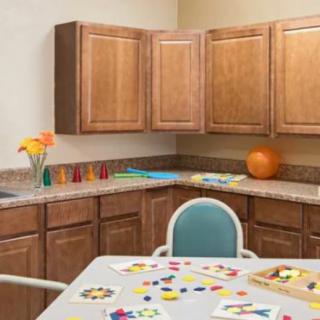
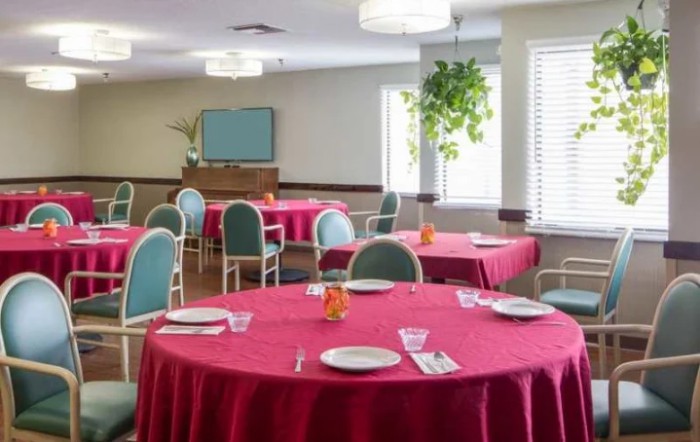
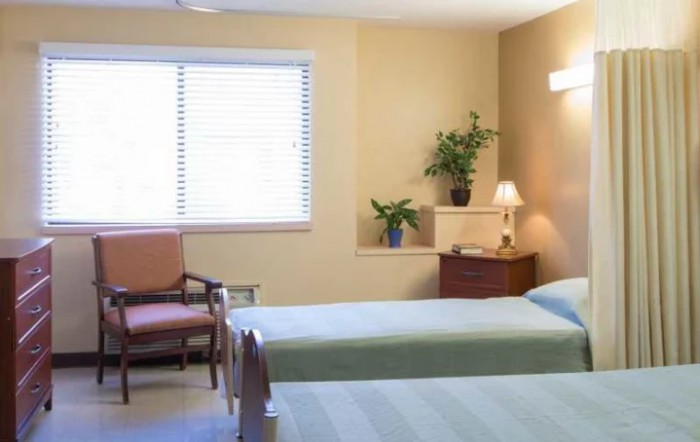
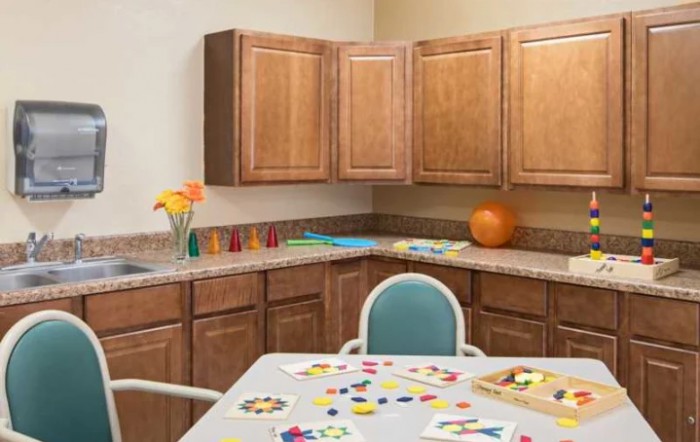
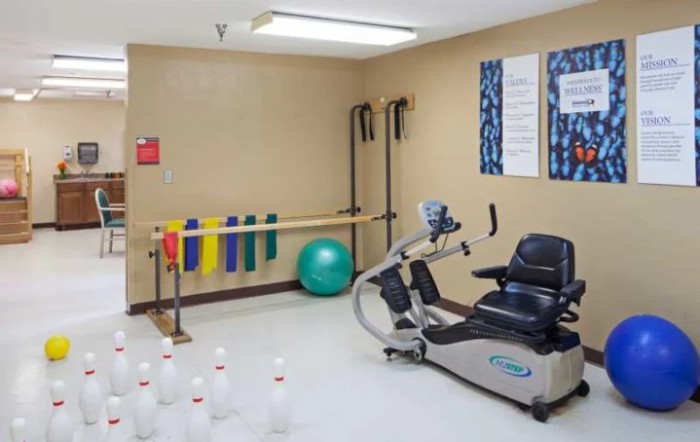
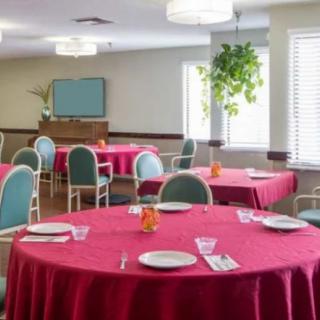
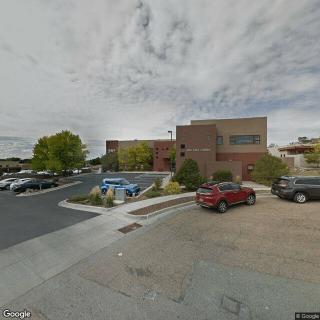
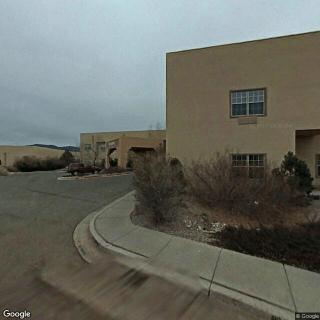
Casa Real on seniors.fyi includes 5 photos including images showing interior, dining, decor, bedroom, exercise equipment, tree, architecture, windows, and more.
Nearby Communities
Casa Real Health Care Ctr
Santa Fe, NM
4 from 93 reviews
Diabetic care plus on-site activities and indoor common areas.
Santa Fe Care Center
Santa Fe, NM
3.1 from 46 reviews
Clean facility with strong rehabilitation services and compassionate staff.
Home Instead - Santa Fe, NM
Santa Fe, FL
4.2 from 20 reviews
Consistent caregiver delivering stability.
MorningStar Of Santa Fe
Santa Fe, NM
4.4 from 36 reviews
Specialized memory care with 24/7 supervision and engaging activities.
Brookdale Santa Fe
Santa Fe, NM
4.1 from 101 reviews
$2,150 to $3,295 / month
Caring staff in a warm, activity-rich community.
The Rosemont of Santa Fe
Santa Fe, NM
$2,450 to $3,100 / month
Specialized memory care with diabetic support at affordable pricing.
El Castillo Retirement
Santa Fe, NM
2.9 from 18 reviews
Walkable downtown location with a pleasant courtyard.
MorningStar Assisted Living & Memory Care of Santa Fe
Santa Fe, NM
4.4 from 50 reviews
$4,405 to $6,730 / month
Caring staff in a clean, well-equipped community with engaging amenities.
Las Soleras Senior Living
Santa Fe, NM
4.3 from 62 reviews
$1,585 to $2,795 / month
Beautiful, well-maintained facility with friendly staff and a vibrant community.
Palliative care focuses on alleviating distress at any stage of a serious illness and can accompany curative treatments, while hospice care is for those nearing the end of life with a prognosis of six months or less, emphasizing comfort over curative measures. Both prioritize holistic care for patients and families but differ in timing, goals, and scope.
Fecal incontinence, prevalent among older adults, arises from factors like weakened pelvic muscles and nerve damage, significantly affecting well-being and social interactions. Diagnosis involves clinical evaluation and tests to inform tailored treatments, while caregivers and preventive measures can aid in managing the condition effectively.
Anticipatory grief is an emotional response to the impending loss of a loved one, characterized by complex emotions such as sadness and anger, and involves navigating stages similar to those identified by Kübler-Ross. Coping strategies are vital for managing this process, emphasizing compassionate communication, self-care, and support groups while recognizing the cultural influences on grieving.
Exercise Equipment, Rehabilitation, Physical Therapy, and Fitness Room
Get PricingAsk A QuestionSchedule A TourContact Senior Advisor
By clicking submit, you agree to our Partner's Terms of Use. You
also consent to receive calls and texts, which may be autodialed, from our Partner. Your consent is not a condition to
using our Partner's service. Please visit our Partner's Privacy Policy for information about their privacy practices.


 21 resident community capacity
 Skilled Nursing Facility
 Beauty salon
 Cable or satellite TV
 Dining room
 Fully furnished
 Garden
 Housekeeping services
 Kitchenette
 Move-in coordination
 Outdoor space
 Telephone
 Wi-Fi/high-speed internet available
 Santa Fe Municipal (8 miles away)
 24-hour call system
 Activities of daily living assistance
 Assistance with bathing
 Assistance with dressing
 Assistance with transfers
 Diabetes diet
 Meal preparation and service
 Medication management
 Mental wellness program
 Special dietary restrictions
 Transportation arrangement (medical)
 Transportation to doctors appointments
 Diabetic care plus on-site activities and indoor common areas.





 Understanding the Nuances of Palliative Care and Hospice: A Comprehensive Exploration
 Fecal Incontinence in Older Adults: A Comprehensive Guide
 Recognizing the Journey: Understanding and Navigating Anticipatory Grief