Enchanted Hills Home Healthcare Agency

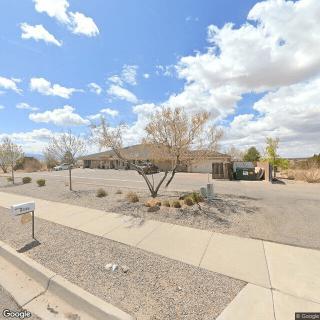
7585 Enchanted Hills Boulevard, NE, Rio Rancho, NM 87144

For more information about senior living options: (844) 490-3973

3 from 14 reviews
5 stars
7
4 stars
0
3 stars
0
2 stars
0
1 stars
7

Assisted Living

Overall Review of Enchanted Hills Home Healthcare Agency

Pros

  • pro Robin has been pleasant, knowledgeable, and patient in all interactions with the mother and caretaker.
  • pro The consumer-directed assistance helps caregivers feel that their time is worthwhile.
  • pro The orientation provides plenty of information, and the rules and regulations are easy to understand; support is readily accessible when needed.
  • pro Gary is described as an upstanding, nice owner, and the company is praised for being attentive and responsive.
  • pro The agency is regarded as trustworthy, with appreciation for caregivers and management.
  • pro The agency is considered one of the best in Rio Rancho.
  • pro Robin and the staff are appreciated for their dedication and the care they provide.

Cons

  • pro The agency's response to concerns was to do nothing and suggest leaving a loved one in bed.
  • pro Robin was described as extremely rude and condescending toward clients.
  • pro Melissa, the owner, was labeled horrible and rude to work with.
  • pro The agency was called a bad home health care agency, a poorly managed family-owned company serving itself.
  • pro Abuse and neglect were reported to the state, with Robin and Melissa described as condescending, consistently rude, and belittling, and hours sometimes refused.
  • pro The management style was criticized as micromanaging and off-putting.
  • pro Quality care was frequently unavailable, with caregivers often changing and not knowing what to do.
  • pro One reviewer stated they would not entrust their dog or loved one to this agency, calling Robin "the worst" and "ugly and hateful."

Review

Moving in to help care for a disabled parent can be a lifetime adjustment, especially after losing a partner. The family-centered approach of consumer directed assistance described here has, for the writer, been a meaningful way to contribute without feeling like time and effort are wasted. The writer emphasizes that this form of assistance lets them support their mother while still feeling that their own work has value. From the outset, the experience is framed as practical and empowering: the orientation provides plenty of information, the rules and regulations are easy to understand, and reaching out for support has been reliable. In short, the early impression is that the program is well-structured and accessible, which matters a lot when caregiving duties are constant and demanding.

Central to the narrative of many positive experiences is the Staffing Coordinator, Robin. The reviewer who moved in with their mother consistently describes Robin as pleasant, knowledgeable, and patient - someone who has been present in all interactions and who helps both the caregiver and the recipient of care feel supported. The sentiment voiced is that Robin embodies the kind of helpful, steady presence caregivers need when navigating a complex system. The appreciation extends to other staff as well, with the reviewer thanking Robin and the broader team for their work and support. This perspective stands in opposition to some of the more negative commentary that appears in the same pool of reviews, underscoring how experiences can diverge even within the same agency.

Within the chorus of praise, there is also a defense of the agency's leadership from a client who frames their own experience as a strong counterpoint to negative reviews. This reviewer acknowledges Robin and the staff fondly, then remarks that the negative stories they've encountered elsewhere do not reflect their reality. They express gratitude toward Robin and the team for their ongoing efforts, reiterating that the positive interactions have shaped a very different overall impression than what some critics have shared. The tone suggests that, when things go well, the care team can be both effective and personable, making a tangible difference in daily caregiving life.

Yet the record includes pointed criticisms that cannot be dismissed. One reviewer recounts a troubling moment when concerns were raised, only to be met with an answer described as "nothing - leave your loved one in bed." In this account, the administrator identified as Gary is acknowledged as a nice person, but Robin is characterized as extremely rude and condescending, even by someone who has spent years in the medical field. The critique emphasizes a disrespectful dynamic in interactions with staff, arguing that no one should have to tolerate the treatment described. This juxtaposition - polite leadership with harsh interpersonal behavior - suggests that individual experiences can vary dramatically based on who is involved and how concerns are addressed.

The narrative becomes more critical in another review that frames the agency as a "bad" home health care provider, especially from a consumer standpoint. The reviewer accuses the family-owned operation of acting in its own interest, delivering disappointing service, and cites Melissa, the owner, as rude and difficult to work with. The blending of flaws in management style and organizational priorities paints a picture of a company that, in this reviewer's view, does not meet expectations for reliability or customer focus. This perspective contrasts with accounts praising Gary for being proactive and effective, illustrating how leadership can be a flashpoint for mixed feelings about overall quality and responsiveness.

Still, there are voices that insist the company can be commendable when it comes to leadership and accountability. A different reviewer hails Gary as "one of the best upstanding guys" they know, and describes the agency as on top of issues, with problems being resolved quickly. For this person, the relationship with Gary signals a level of trust and competence that elevates the agency's standing in their eyes, reinforcing the sense that strong leadership can make a real difference in lived experience - even when other reviews skew negative.

There are even more somber notes in the record, including allegations of abuse and neglect that allegedly led to state reporting. This review describes Robin and Melissa as condescending, consistently rude, and disrespectful, to the point of belittling the reviewer who was seeking assistance. The claim that 21 hours of weekly assistance were awarded but not fulfilled, based on the assertion that the reviewer did not "need" them, adds a troubling dimension to the spectrum of experiences. The reviewer emphasizes a pattern of micromanagement and a discouraging work environment, urging others to stay away. While these are serious allegations, they are presented as part of a broader pattern of negative interactions that some clients feel responsible for avoiding.

Not all feedback is negative, though. Another reviewer still calls the agency "very trustworthy" and expresses affection for the caregivers and management, highlighting a sense of reliability in some parts of the organization. On the other hand, there are complaints about inconsistency - caregivers changing frequently and not always knowing what to do - suggesting that continuity of care is a crucial area where expectations are not consistently met. And a final, stark sentiment closes the spectrum: a claim that the agency cannot be trusted with even a pet or a loved one, paired with a harsh judgment about Robin as "the worst," described as ugly and hateful. Together, these comments underscore how personal and subjective care experiences can be, and how a single staff member's behavior can color an entire agency's reputation for some clients.

Taken together, the collection of reviews reveals a broad, uneven landscape of experiences. On one end, there are stories of effective orientation, approachable leadership, timely support, and caregivers who feel like trusted allies in a difficult journey. On the other end, there are episodes of perceived neglect, disrespect, and micromanagement that have led to formal complaints and strong warnings. The common thread is that consumer directed home health care is deeply personal - how care is administered, how concerns are addressed, and how leadership and frontline staff interact can dramatically shift a family's sense of safety, dignity, and value. In this environment, outcomes seem to hinge as much on interpersonal dynamics and communication as on policy or procedure, making personal experiences with Robin, Melissa, Gary, and the rest of the team central to the overall impression of the agency.

Features

Housing

  • 21 resident community capacity 21 resident community capacity

Types of Care

  • Assisted Living Assisted LivingAssisted living facilities provide crucial support and care for seniors who may need help with daily tasks such as medication management, bathing, and meal preparation. These communities offer a safe and comfortable environment where seniors can maintain their independence while receiving the assistance they need to thrive in their golden years.

Amenities

  • Beauty salon Beauty salonBeauty salons are important for seniors because they provide a space for them to feel pampered, socialize, and maintain their personal grooming and hygiene. Regular visits to a beauty salon can help boost seniors' self-esteem and overall well-being.
  • Cable or satellite TV Cable or satellite TVCable or satellite TV is important for seniors because it provides entertainment, news, and companionship, helping to combat loneliness and boredom. It also offers a wide range of programming options tailored to different interests and preferences.
  • Dining room Dining roomDining rooms are important for seniors as they provide a space for socialization, connection, and nutritious meals. They offer opportunities for residents to bond over shared meals, foster a sense of community, and promote healthy eating habits. Dining rooms also ensure that seniors have access to well-balanced meals tailored to their dietary needs and preferences.
  • Fully furnished Fully furnishedFully furnished senior living communities are important for seniors because they provide convenience, comfort, and a hassle-free moving experience. Seniors can easily settle into their new living space without the stress of having to buy and move furniture. This allows them to focus on enjoying their new home and community.
  • Garden GardenGardens are important for seniors as they provide a peaceful and therapeutic environment for relaxation, physical activity, and socialization. Being in nature has been shown to reduce stress, improve mood, and promote overall well-being. Gardens also offer opportunities for seniors to engage in gardening activities, which can improve mobility, flexibility, and cognitive function. Additionally, gardens create a sense of community and connection with others who share a passion for plants and outdoor spaces.
  • Housekeeping services Housekeeping servicesHousekeeping services are important for seniors because they help maintain a clean and safe living environment, promote independence, and reduce the risk of accidents or illnesses. Additionally, having assistance with household chores can alleviate physical strain and allow seniors to focus on other aspects of their well-being.
  • Kitchenette KitchenetteKitchenettes are important for seniors living in senior living communities because they provide the convenience and independence of being able to prepare simple meals and snacks in the comfort of their own living space. This can help promote a sense of autonomy and well-being for seniors, allowing them to maintain some level of control over their dietary choices and daily routines.
  • Move-in coordination Move-in coordinationMove-in coordination is important for seniors because it helps ease the transition into their new living environment. It ensures that all logistics, such as packing, organizing movers, and setting up utilities are taken care of, allowing seniors to focus on settling in and adjusting to their new home. Having a smooth move-in process can alleviate stress and anxiety, making the transition smoother and more enjoyable for seniors.
  • Outdoor space Outdoor spaceOutdoor spaces are important for seniors as they provide opportunities for physical activity, social interaction, exposure to natural light and fresh air, and a sense of connection to nature. Having access to outdoor spaces can improve overall well-being and quality of life for older adults living in senior communities.
  • Restaurant-style dining Restaurant-style diningRestaurant-style dining is important for seniors because it allows them to enjoy delicious, nutritious meals in a social and upscale setting. This enhances their dining experience, promotes healthy eating habits, and fosters socialization with fellow residents, ultimately contributing to their overall well-being and quality of life.
  • Small library Small librarySmall libraries are important for seniors as they provide access to a variety of reading materials, including books, newspapers, and magazines. This can help stimulate their minds, keep them engaged, and provide a sense of community through book clubs and other social activities. Additionally, reading has been shown to improve cognitive function and overall mental well-being in older adults.
  • Telephone TelephoneTelephones are important for seniors as they provide a lifeline for communication with loved ones, emergency services, and healthcare providers. They offer a sense of security and independence, enabling seniors to stay connected and access assistance when needed.
  • Wi-Fi/high-speed internet available Wi-Fi/high-speed internet availableWi-Fi/high-speed internet is important for seniors to stay connected with loved ones, access online resources, and participate in virtual activities to combat feelings of loneliness and isolation. It also allows them to easily manage healthcare needs, access entertainment, and engage in lifelong learning opportunities.

Transportation

  • Albuquerque International (20 miles away) Albuquerque International (20 miles away)

Care Services

  • 24-hour call system 24-hour call system24-hour call systems are important for seniors because they provide peace of mind and immediate assistance in case of emergencies. This technology ensures that help is always available, promoting safety and security for elderly individuals living alone or in assisted living facilities.
  • 24-hour supervision 24-hour supervision24-hour supervision is important for seniors to ensure their safety, well-being, and access to immediate assistance in case of emergencies or health issues. This constant support provides peace of mind for both seniors and their loved ones, allowing them to age in place with dignity and security.
  • Activities of daily living assistance Activities of daily living assistanceActivities of daily living assistance are important for seniors because they provide essential support with tasks such as eating, bathing, dressing, and mobility. This assistance helps seniors maintain their independence, dignity, and overall quality of life as they age.
  • Assistance with bathing Assistance with bathingAssistance with bathing is crucial for seniors as it helps maintain personal hygiene, prevents infections, and ensures their overall well-being and comfort. It also provides a sense of dignity and independence for seniors who may struggle with this task on their own.
  • Assistance with dressing Assistance with dressingAssistance with dressing is important for seniors because it helps maintain their independence, promotes personal hygiene, prevents accidents and injuries, and improves overall quality of life. This service ensures that seniors can continue to dress comfortably and confidently, despite any physical limitations they may have.
  • Assistance with transfers Assistance with transfersAssistance with transfers is crucial for seniors as it helps prevent falls and injuries, maintains their independence, and ensures they can safely navigate their living environment. It also provides peace of mind for both seniors and their loved ones.
  • Diabetes diet Diabetes dietA diabetes diet is crucial for seniors as it helps manage blood sugar levels, reduce risks of complications, and improve overall health and well-being. By following a balanced and nutritious diet tailored to their specific needs, seniors can better control their diabetes and enhance their quality of life.
  • Meal preparation and service Meal preparation and serviceMeal preparation and service are crucial for seniors as they may have limited mobility or energy to cook nutritious meals. Having access to healthy and convenient food options can ensure they are getting the proper nutrition needed to maintain their overall health and well-being.
  • Medication management Medication managementMedication management is crucial for seniors to ensure they are taking the right medications at the correct dosages and times. This helps prevent adverse drug interactions, reduces the risk of medication errors, and promotes overall health and well-being. Proactive management also allows for adjustments as needed based on changing health conditions or new prescriptions.
  • Mental wellness program Mental wellness programMental wellness programs are essential for seniors as they promote cognitive stimulation, emotional support, and social engagement. These programs help prevent isolation, depression, and cognitive decline, ultimately enhancing the overall quality of life for older adults.
  • Special dietary restrictions Special dietary restrictionsSpecial dietary restrictions are important for seniors because age-related changes in metabolism and health conditions can make it difficult for their bodies to process certain foods. By following a diet tailored to their specific needs, seniors can maintain their overall health and well-being, manage chronic conditions, and reduce the risk of complications such as malnutrition or food interactions with medications.

Dining

  • Diabetes diet Diabetes dietA diabetes diet is crucial for seniors as it helps manage blood sugar levels, reduce risks of complications, and improve overall health and well-being. By following a balanced and nutritious diet tailored to their specific needs, seniors can better control their diabetes and enhance their quality of life.
  • Special dietary restrictions Special dietary restrictionsSpecial dietary restrictions are important for seniors because age-related changes in metabolism and health conditions can make it difficult for their bodies to process certain foods. By following a diet tailored to their specific needs, seniors can maintain their overall health and well-being, manage chronic conditions, and reduce the risk of complications such as malnutrition or food interactions with medications.

Activities

  • Community-sponsored activities Community-sponsored activitiesCommunity-sponsored activities are important for seniors as they provide opportunities for social interaction, mental stimulation, and physical activity. These activities can help improve overall well-being, combat loneliness and isolation, and promote a sense of belonging and purpose among older adults.
  • Resident-run activities Resident-run activitiesResident-run activities are important for seniors as they encourage social interaction, creativity, and a sense of autonomy. These activities empower seniors to stay engaged and active in their community while fostering meaningful connections with their peers.
  • Scheduled daily activities Scheduled daily activitiesScheduled daily activities are important for seniors because they provide structure, socialization, mental stimulation, and physical activity. Engaging in regular activities can improve overall well-being and quality of life for seniors living in a community setting.

Description

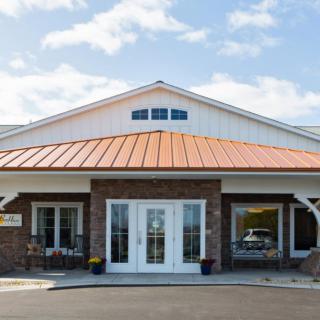
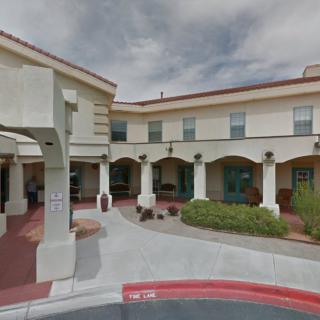
Enchanted Hills Home Healthcare Agency in Rio Rancho, NM is a vibrant and cozy assisted living community that offers a comfortable and welcoming atmosphere for seniors. The community is fully furnished and residents can enjoy the convenience of cable or satellite TV and Wi-Fi/high-speed internet services.

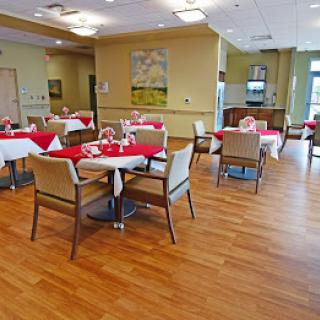
Meals are provided in a spacious dining room with restaurant-style dining options, ensuring that residents have access to delicious and nutritious food. Special dietary restrictions are accommodated, including diabetes diets.

Enchanted Hills Home Healthcare Agency takes care of its residents' daily needs by providing assistance with activities of daily living such as bathing, dressing, and transfers. The dedicated staff also manages medication for residents to ensure they receive the proper dosage at the right time.

The community prioritizes mental wellness and offers a mental wellness program designed to support the emotional well-being of its residents. Residents can also engage in resident-run activities as well as scheduled daily activities that promote social interaction and engagement.

Enchanted Hills Home Healthcare Agency is located conveniently close to amenities in the area. There are cafes, pharmacies, physicians, and restaurants nearby, making it easy for residents to access necessary services or enjoy outings with their loved ones.

Overall, Enchanted Hills Home Healthcare Agency provides a warm and caring environment where seniors can feel at home while receiving personalized care and support.

Nearby Places of Interest

Pharmacies

  • Walgreens (0.3 miles)
  • Walgreens (2 miles)
  • Walgreens (7.2 miles)
  • CVS Pharmacy (7.3 miles)
  • CVS Speciality (7.3 miles)
  • Walgreens (7.4 miles)
  • Walgreens (8.8 miles)

Restaurants

  • Whataburger (0.5 miles)
  • Cantina Rio (0.8 miles)
  • Santa Ana Star Casino (0.9 miles)
  • Weck's (7.7 miles)
  • El Pinto (8.4 miles)
  • McDonald's (8.5 miles)
  • Sonic Drive-In (8.7 miles)

Cafes

  • Bad Ass Coffee (0.9 miles)
  • Starbucks (7.2 miles)
  • Starbucks (8.9 miles)
  • Satellite Coffee (9.3 miles)
  • Starbucks (9.8 miles)
  • Starbucks (10.2 miles)

Physicians

  • The Vision Store (2 miles)
  • El Pueblo Health Services (2.2 miles)
  • Rio Eyecare (6.5 miles)
  • Presbyterian Pediatrics in Rio Rancho on High Resort Blvd (6.7 miles)
  • Presbyterian Medical Group (6.7 miles)
  • Robak Lee MD (7.2 miles)
  • Worth Hearing Center (7.3 miles)

Hospitals

  • Presbyterian Pediatric Urgent Care in Rio Rancho on High Resort Boulevard (6.8 miles)
  • HealthSouth Rehabilitation Hospital (11.4 miles)
  • Tri Core Reference Lab (11.8 miles)

Places of Worship

  • First Baptist Church O (8.4 miles)
  • Sandia Presbyterian Church (11 miles)

Theaters

  • Regal Cinema UA Cottonwood Stadium 16 (9.8 miles)

Parks

  • Sandia Crest (10.8 miles)

Transportation

  • Sandia Peak Tramway (10.8 miles)

Frequently Asked Questions

Where is Enchanted Hills Home Healthcare Agency?

Nearby Communities

Related Resources

  • does medicaid pay for assisted livingHow and When Medicaid May Cover Assisted Living Costs

    Medicaid coverage for assisted living varies by state and is primarily available to low-income individuals, with eligibility dependent on strict income and asset limits. Some states offer HCBS waivers for specific services in assisted living, but families must generally cover room and board costs, and should verify facility acceptance of Medicaid while considering potential waiting lists.

  • assisted living waiver programA Detailed Exploration of Assisted Living Medicaid Waivers Across the United States
    Medicaid waivers for assisted living services provide vital support for seniors and individuals with disabilities in need of long-term care, with varying state-specific eligibility criteria and benefits. These waivers cover personal care and case management but often do not fully cover room and board, leading to waiting lists for many applicants.

  • assisted living for disabled adultsComprehensive Residential Support and Assisted Living Solutions for Individuals with Disabilities

    The article examines the complexities of assisted living for individuals with disabilities, emphasizing the need for tailored care solutions that enhance quality of life and social inclusion, while addressing financial challenges and advocating for community integration. It discusses various housing options, the importance of financial assistance through public benefits, and highlights trends towards integrated and technology-driven solutions in disability-focused housing.