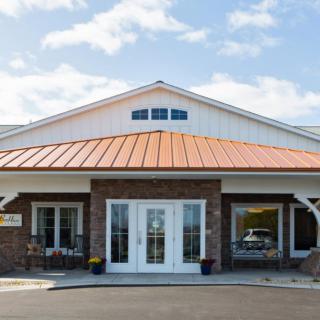
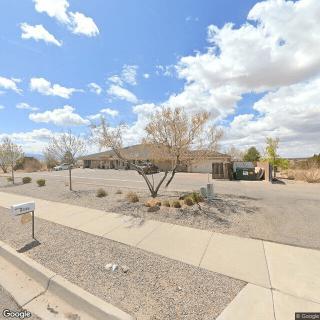
Enchanted Hills Home Healthcare Agency

7555 Enchanted Hills Boulevard, NE, Rio Rancho, NM 87144

For more information about senior living options: (844) 490-3973

3 from 14 reviews
5 stars
7
4 stars
0
3 stars
0
2 stars
0
1 stars
7

Assisted Living

Overall Review of Enchanted Hills Home Healthcare Agency

Pros

  • pro The consumer directed assistance offered by the agency helps immensely.
  • pro There is ample information provided during orientation; the rules and regulations are easy to understand; and support is readily available when needed.
  • pro Robin has been pleasant, knowledgeable, and patient in all interactions.
  • pro Gary the owner is described as a very nice person and a reliable leader.
  • pro The agency is described as very trustworthy.
  • pro Caregivers and management are highly regarded.
  • pro The agency is described as one of the best in Rio Rancho.

Cons

  • pro The agency is described as a bad home health care provider and a selfish, family-owned company.
  • pro Robin is described as extremely rude and condescending toward clients.
  • pro The staff allegedly refused to fulfill the allotted hours, claiming they were unnecessary.
  • pro Robin and Melissa are repeatedly described as condescending, rude, and disrespectful.
  • pro There were reports of abuse and neglect to the state.
  • pro Caregivers were frequently changed, with new ones who did not know what to do.
  • pro People are advised to stay away from this company.
  • pro Melissa is described as horrible and rude to work with.

Review

The reviews describe a home health care agency that elicits a wide range of experiences, from high praise to sharp disappointment. At the heart of the positive feedback is the sense that consumer-directed assistance can make a real difference for a disabled loved one and for the caregiver who helps them. One reviewer explains that the program not only enables meaningful help for their mom, but also makes their time feel purposeful and valued. They note that orientation provides ample information, the rules are straightforward, and support is easy to access when needed. In their view, the entire process has been smooth enough to feel hopeful even after only a few months of involvement.

Alongside these strong positives, there is an emphasis on particular staff members who have shaped the experience. The Staffing Coordinator, Robin, is repeatedly described as pleasant, knowledgeable, and, importantly, patient with both the reviewer and their mother. This person's demeanor and responsiveness are highlighted as a key part of why the experience has gone well so far. A sentiment echoed by the reviewer is a sense of gratitude toward Robin and the broader staff for their efforts, underscoring that the experience has felt supportive and constructive rather than adversarial.

Yet the narrative is far from uniform. Several reviewers recount serious concerns about how issues have been handled when raised. In one account, the response to voiced concerns was simply "nothing," accompanied by a startling suggestion to leave a loved one in bed. This kind of reaction stands in stark contrast to the earlier positivity and marks a clear fault line in perceived responsiveness and care quality. The same thread of critique includes descriptions of Robin as rude and condescending, even by someone with medical education and experience, who felt disrespected in interactions. The contrast between the initial praise for Robin's approach and later accusations of disrespect reflects a wide variance in how staff behavior is experienced by different clients and families.

The organization's leadership also appears in conflicting light. For some, Gary is portrayed as a personable and effective owner who runs a tight, attentive operation, with a client who says the company is "on it" and one of the best in their area. Conversely, other reviews paint Gary's role in a more mixed or negative light, with a separate account labeling the company as a "bad family owned" operation focused on themselves and describing Melissa, the other owner, as rude and difficult to work with. This split voice among reviewers suggests that experiences with leadership may vary dramatically depending on who is interacting with whom, or perhaps on particular incidents that left a lasting impression.

Instances of more serious concerns appear in several entries. One reviewer reports having to report the agency to the state for abuse and neglect, alleging condescension from both Robin and Melissa and a pattern of micro-management that felt disrespectful. The same account references hours being awarded but not fulfilled - twenty-one hours weekly were supposedly allotted for help, yet the agency allegedly argued that they were unnecessary. Other comments reiterate a sense of ineffectiveness or disorganization, including dissatisfaction with high caregiver turnover and inconsistent care, with multiple caregivers being sent who did not know what to do. The fear and frustration embedded in these statements starkly contrast with the positive experiences described elsewhere.

Among the more ambiguous or mixed voices, there are also affirmations of trustworthiness and satisfaction. A reviewer claims the agency is "very trustworthy" and that they love the caregivers and management, presenting a clear counterpoint to the criticisms about staff demeanor or care consistency. Another reviewer expresses disappointment with quality care, pointing to frequent changes in caregivers as a recurring problem. A separate cheeky critique uses a striking metaphor - claiming they wouldn't entrust the agency with a dog - then adds that Robin, in particular, is "the worst, ugly and hateful." This range of statements illustrates how divergent personal interactions, expectations, and outcomes can shape overall impressions of the same organization.

Taken together, these perspectives depict a service that is at once capable of delivering meaningful support and fragile in its consistency and tone. For some families, the program provides clear benefits: accessible information, a patient and dependable coordinator, and a sense that their time and effort are respected. For others, experiences of rude or condescending behavior, perceived micromanagement, and disputes over hours or caregiver assignments have led to frustration, distrust, and even formal complaints. The common thread is that experiences with this agency are highly individualized, with genuine positives coexisting alongside serious criticisms.

In sum, the collection of reviews highlights a spectrum of outcomes. For prospective clients and caregivers, it underscores the importance of weighing personal interactions with specific staff members, clarifying expectations around hours and caregiver assignments, and maintaining open channels of communication to address concerns promptly. The agency's strengths - clear information, approachable support, and the potential for meaningful assistance - are evident, but so too are the risks of inconsistent care and perceived disrespect that can derail even well-intentioned efforts.

Features

Housing

  • 21 resident community capacity 21 resident community capacity

Types of Care

  • Assisted Living Assisted LivingAssisted living facilities provide crucial support and care for seniors who may need help with daily tasks such as medication management, bathing, and meal preparation. These communities offer a safe and comfortable environment where seniors can maintain their independence while receiving the assistance they need to thrive in their golden years.

Amenities

  • Beauty salon Beauty salonBeauty salons are important for seniors because they provide a space for them to feel pampered, socialize, and maintain their personal grooming and hygiene. Regular visits to a beauty salon can help boost seniors' self-esteem and overall well-being.
  • Cable or satellite TV Cable or satellite TVCable or satellite TV is important for seniors because it provides entertainment, news, and companionship, helping to combat loneliness and boredom. It also offers a wide range of programming options tailored to different interests and preferences.
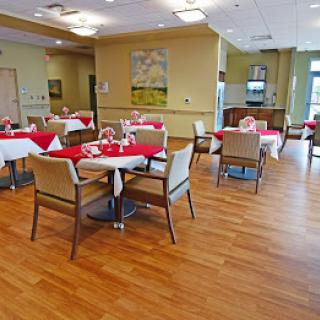
  • Dining room Dining roomDining rooms are important for seniors as they provide a space for socialization, connection, and nutritious meals. They offer opportunities for residents to bond over shared meals, foster a sense of community, and promote healthy eating habits. Dining rooms also ensure that seniors have access to well-balanced meals tailored to their dietary needs and preferences.
  • Fully furnished Fully furnishedFully furnished senior living communities are important for seniors because they provide convenience, comfort, and a hassle-free moving experience. Seniors can easily settle into their new living space without the stress of having to buy and move furniture. This allows them to focus on enjoying their new home and community.
  • Garden GardenGardens are important for seniors as they provide a peaceful and therapeutic environment for relaxation, physical activity, and socialization. Being in nature has been shown to reduce stress, improve mood, and promote overall well-being. Gardens also offer opportunities for seniors to engage in gardening activities, which can improve mobility, flexibility, and cognitive function. Additionally, gardens create a sense of community and connection with others who share a passion for plants and outdoor spaces.
  • Housekeeping services Housekeeping servicesHousekeeping services are important for seniors because they help maintain a clean and safe living environment, promote independence, and reduce the risk of accidents or illnesses. Additionally, having assistance with household chores can alleviate physical strain and allow seniors to focus on other aspects of their well-being.
  • Kitchenette KitchenetteKitchenettes are important for seniors living in senior living communities because they provide the convenience and independence of being able to prepare simple meals and snacks in the comfort of their own living space. This can help promote a sense of autonomy and well-being for seniors, allowing them to maintain some level of control over their dietary choices and daily routines.
  • Move-in coordination Move-in coordinationMove-in coordination is important for seniors because it helps ease the transition into their new living environment. It ensures that all logistics, such as packing, organizing movers, and setting up utilities are taken care of, allowing seniors to focus on settling in and adjusting to their new home. Having a smooth move-in process can alleviate stress and anxiety, making the transition smoother and more enjoyable for seniors.
  • Outdoor space Outdoor spaceOutdoor spaces are important for seniors as they provide opportunities for physical activity, social interaction, exposure to natural light and fresh air, and a sense of connection to nature. Having access to outdoor spaces can improve overall well-being and quality of life for older adults living in senior communities.
  • Telephone TelephoneTelephones are important for seniors as they provide a lifeline for communication with loved ones, emergency services, and healthcare providers. They offer a sense of security and independence, enabling seniors to stay connected and access assistance when needed.
  • Wi-Fi/high-speed internet available Wi-Fi/high-speed internet availableWi-Fi/high-speed internet is important for seniors to stay connected with loved ones, access online resources, and participate in virtual activities to combat feelings of loneliness and isolation. It also allows them to easily manage healthcare needs, access entertainment, and engage in lifelong learning opportunities.

Transportation

  • Albuquerque International (20 miles away) Albuquerque International (20 miles away)

Care Services

  • 24-hour call system 24-hour call system24-hour call systems are important for seniors because they provide peace of mind and immediate assistance in case of emergencies. This technology ensures that help is always available, promoting safety and security for elderly individuals living alone or in assisted living facilities.
  • 24-hour supervision 24-hour supervision24-hour supervision is important for seniors to ensure their safety, well-being, and access to immediate assistance in case of emergencies or health issues. This constant support provides peace of mind for both seniors and their loved ones, allowing them to age in place with dignity and security.
  • Activities of daily living assistance Activities of daily living assistanceActivities of daily living assistance are important for seniors because they provide essential support with tasks such as eating, bathing, dressing, and mobility. This assistance helps seniors maintain their independence, dignity, and overall quality of life as they age.
  • Assistance with bathing Assistance with bathingAssistance with bathing is crucial for seniors as it helps maintain personal hygiene, prevents infections, and ensures their overall well-being and comfort. It also provides a sense of dignity and independence for seniors who may struggle with this task on their own.
  • Assistance with dressing Assistance with dressingAssistance with dressing is important for seniors because it helps maintain their independence, promotes personal hygiene, prevents accidents and injuries, and improves overall quality of life. This service ensures that seniors can continue to dress comfortably and confidently, despite any physical limitations they may have.
  • Assistance with transfers Assistance with transfersAssistance with transfers is crucial for seniors as it helps prevent falls and injuries, maintains their independence, and ensures they can safely navigate their living environment. It also provides peace of mind for both seniors and their loved ones.
  • Coordination with health care providers Coordination with health care providersCoordination with health care providers is crucial for seniors to ensure proper medical care, medication management, and overall well-being. This collaboration helps prevent overlapping treatments, track progress more effectively, and provide comprehensive support tailored to individual needs.
  • Diabetes diet Diabetes dietA diabetes diet is crucial for seniors as it helps manage blood sugar levels, reduce risks of complications, and improve overall health and well-being. By following a balanced and nutritious diet tailored to their specific needs, seniors can better control their diabetes and enhance their quality of life.
  • Meal preparation and service Meal preparation and serviceMeal preparation and service are crucial for seniors as they may have limited mobility or energy to cook nutritious meals. Having access to healthy and convenient food options can ensure they are getting the proper nutrition needed to maintain their overall health and well-being.
  • Medication management Medication managementMedication management is crucial for seniors to ensure they are taking the right medications at the correct dosages and times. This helps prevent adverse drug interactions, reduces the risk of medication errors, and promotes overall health and well-being. Proactive management also allows for adjustments as needed based on changing health conditions or new prescriptions.
  • Mental wellness program Mental wellness programMental wellness programs are essential for seniors as they promote cognitive stimulation, emotional support, and social engagement. These programs help prevent isolation, depression, and cognitive decline, ultimately enhancing the overall quality of life for older adults.
  • Special dietary restrictions Special dietary restrictionsSpecial dietary restrictions are important for seniors because age-related changes in metabolism and health conditions can make it difficult for their bodies to process certain foods. By following a diet tailored to their specific needs, seniors can maintain their overall health and well-being, manage chronic conditions, and reduce the risk of complications such as malnutrition or food interactions with medications.
  • Transportation arrangement (medical) Transportation arrangement (medical)Transportation arrangements for medical purposes are essential for seniors as they may have difficulty driving themselves to appointments or accessing public transportation. Having reliable and safe transportation options ensures that seniors can receive timely medical care and maintain their health and well-being.
  • Transportation to doctors appointments Transportation to doctors appointmentsTransportation to doctors' appointments is crucial for seniors as it ensures they have access to necessary medical care and support for their health needs. Without reliable transportation, seniors may struggle to attend important appointments, leading to potential delays in treatment and health complications. Providing transportation services helps seniors maintain their overall well-being and quality of life.

Dining

  • Diabetes diet Diabetes dietA diabetes diet is crucial for seniors as it helps manage blood sugar levels, reduce risks of complications, and improve overall health and well-being. By following a balanced and nutritious diet tailored to their specific needs, seniors can better control their diabetes and enhance their quality of life.
  • Special dietary restrictions Special dietary restrictionsSpecial dietary restrictions are important for seniors because age-related changes in metabolism and health conditions can make it difficult for their bodies to process certain foods. By following a diet tailored to their specific needs, seniors can maintain their overall health and well-being, manage chronic conditions, and reduce the risk of complications such as malnutrition or food interactions with medications.

Activities

  • Community-sponsored activities Community-sponsored activitiesCommunity-sponsored activities are important for seniors as they provide opportunities for social interaction, mental stimulation, and physical activity. These activities can help improve overall well-being, combat loneliness and isolation, and promote a sense of belonging and purpose among older adults.
  • Resident-run activities Resident-run activitiesResident-run activities are important for seniors as they encourage social interaction, creativity, and a sense of autonomy. These activities empower seniors to stay engaged and active in their community while fostering meaningful connections with their peers.
  • Scheduled daily activities Scheduled daily activitiesScheduled daily activities are important for seniors because they provide structure, socialization, mental stimulation, and physical activity. Engaging in regular activities can improve overall well-being and quality of life for seniors living in a community setting.

Description

Enchanted Hills Home Healthcare Agency in Rio Rancho, NM is an assisted living community that offers a range of amenities and care services to meet the needs of its residents. The community provides a comfortable and fully furnished living environment with amenities such as cable or satellite TV, Wi-Fi/high-speed internet, and telephone services.

Residents can enjoy delicious meals prepared by the staff in the on-site dining room, with special dietary restrictions taken into consideration. Housekeeping services ensure that the living spaces are clean and well-maintained at all times.

Enchanted Hills Home Healthcare Agency also offers various care services to support the residents' daily activities and overall well-being. With 24-hour supervision, assistance with bathing, dressing, and transfers is readily available. Medication management and coordination with healthcare providers ensure that residents receive proper medical attention.

The community places a strong emphasis on mental wellness, offering a mental wellness program to support residents' emotional and cognitive health. Special dietary restrictions are accommodated for those with specific needs, such as diabetes diets.

Transportation arrangement for medical appointments and scheduled daily activities provide convenience for residents. Additionally, there are nearby cafes, restaurants, pharmacies, and physicians to cater to any additional needs or preferences.

Enchanted Hills Home Healthcare Agency strives to create a welcoming environment where residents can feel at home while receiving the necessary support they require. With its comprehensive amenities and care services, it provides an excellent option for seniors in Rio Rancho seeking assisted living assistance.

Nearby Places of Interest

Pharmacies

  • Walgreens (0.5 miles)
  • Walgreens (2.1 miles)
  • Walgreens (7.3 miles)
  • CVS Pharmacy (7.4 miles)
  • CVS Speciality (7.4 miles)
  • Walgreens (7.5 miles)
  • Walgreens (8.9 miles)

Restaurants

  • Whataburger (0.5 miles)
  • Cantina Rio (0.9 miles)
  • Santa Ana Star Casino (0.9 miles)
  • Weck's (7.8 miles)
  • El Pinto (8.6 miles)
  • McDonald's (8.6 miles)
  • Sonic Drive-In (8.8 miles)

Cafes

  • Bad Ass Coffee (1 miles)
  • Starbucks (7.3 miles)
  • Starbucks (9 miles)
  • Satellite Coffee (9.5 miles)
  • Starbucks (10 miles)
  • Starbucks (10.3 miles)

Physicians

  • The Vision Store (2.1 miles)
  • El Pueblo Health Services (2.4 miles)
  • Rio Eyecare (6.6 miles)
  • Presbyterian Pediatrics in Rio Rancho on High Resort Blvd (6.8 miles)
  • Presbyterian Medical Group (6.8 miles)
  • Robak Lee MD (7.3 miles)
  • Worth Hearing Center (7.4 miles)

Hospitals

  • Presbyterian Pediatric Urgent Care in Rio Rancho on High Resort Boulevard (6.9 miles)
  • HealthSouth Rehabilitation Hospital (11.6 miles)
  • Tri Core Reference Lab (12 miles)

Places of Worship

  • First Baptist Church O (8.5 miles)
  • Sandia Presbyterian Church (11.2 miles)

Theaters

  • Regal Cinema UA Cottonwood Stadium 16 (9.9 miles)

Parks

  • Sandia Crest (11 miles)

Transportation

  • Sandia Peak Tramway (11 miles)

Frequently Asked Questions

Where is Enchanted Hills Home Healthcare Agency?

Nearby Communities

Related Resources

  • assisted living insuranceAssisted Living Expenses and Long-Term Care Insurance: A Comprehensive Exploration

    The article discusses assisted living expenses, the importance of long-term care insurance in covering these costs, and various financing options, highlighting the need for careful policy review and early planning to address potential needs. It also clarifies common misconceptions about Medicare and private health insurance limitations regarding long-term care coverage.

  • how to pay for assisted livingSecuring Financial Support for Assisted Living: A Comprehensive Overview

    Assisted living facilities offer crucial support for older adults needing help with daily activities but come with varying and significant costs, which can be financed through personal savings, government assistance programs, long-term care insurance, and home equity options. Professional guidance from experts can aid families in navigating these financial complexities to establish a sustainable budgeting approach for assisted living services.

  • assisted living for seniors on social securitySocial Security Benefits and Assisted Living: Navigating Options Across the U.S.

    Assisted living costs often exceed Social Security benefits, necessitating a combination of funding sources like state aid and Medicaid. Understanding the interaction between Social Security programs and available financial support is essential for affording such care.