MorningStar Assisted Living & Memory Care of Albuquerque Costs & Pricing
At MorningStar Assisted Living & Memory Care of Albuquerque, the cost structure reflects a premium experience tailored to residents' needs. Monthly rates for studio apartments start at $5,120, significantly higher than both the Bernalillo County average of $3,540 and the state average of $3,553. One-bedroom units are priced at $6,065, again surpassing local and state figures. For those requiring more space, two-bedroom accommodations are available for $7,575 - considerably above the county's average of $5,123 and New Mexico's average of $4,777. The semi-private option is priced at $8,980, which stands in stark contrast to the more affordable county rate of $3,285 and state rate of $3,324. These costs reflect the high-quality care and comprehensive services provided at MorningStar, positioning it as a premier choice in assisted living within the region.
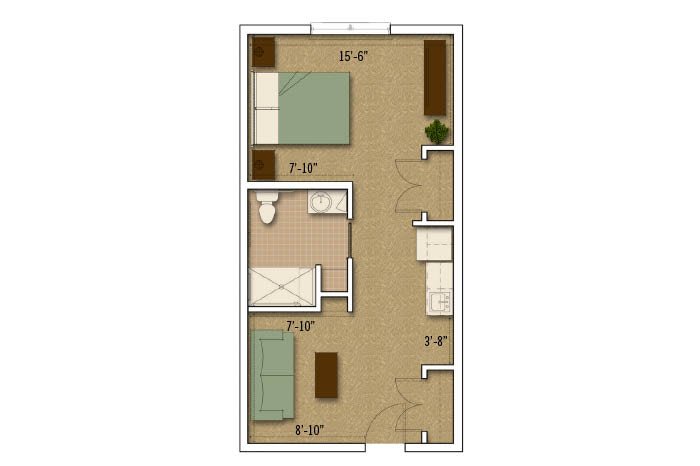
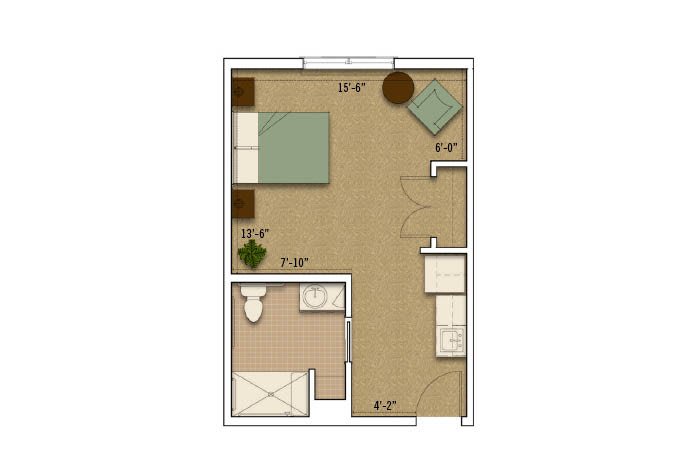
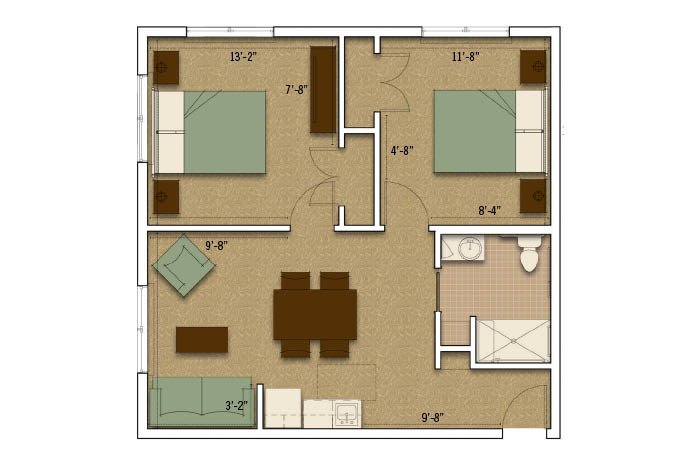
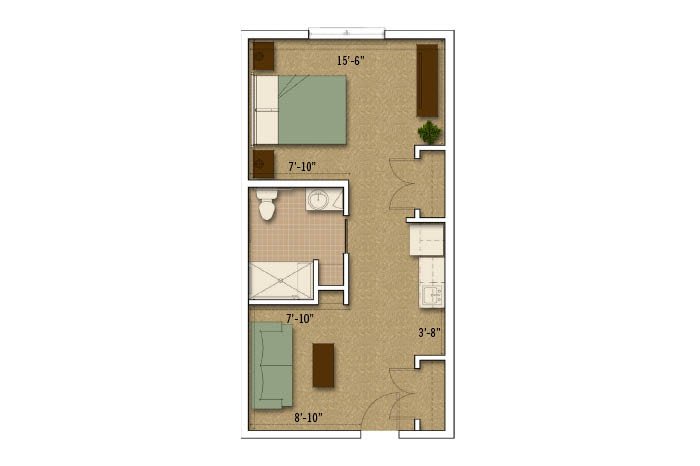
Floor plans
MorningStar Assisted Living & Memory Care of Albuquerque
Bernalillo County
New Mexico
Studio
$5,120
$3,540
$3,553
1 Bedroom
$6,065
$4,162
$4,055
2 Bedrooms
$7,575
$5,123
$4,777
Semi-Private
$8,980
$3,285
$3,324
Memory care communities with a similar price nearby
Overall Review of MorningStar Assisted Living & Memory Care of Albuquerque
differentiator6 reviews mention this
Dining quality gets praised
Dining is consistently described as high-quality and satisfying.
Several reviews single out the food, saying it tastes good and offers variety, with some describing a restaurant-style dining experience and attentive dining staff. A few other residents’ families also call out food quality in memory care as worsening or not matching expectations, so dining seems to vary by unit and experience level.
common5 reviews mention this
Activities help residents stay active
On-site activities are a frequent part of daily life.
Residents and families describe an active schedule with games, live music or entertainment, outings, and group events that encourage participation. Multiple reviews also mention staff prompting residents to join activities appropriate to their abilities, which ties into the community’s overall feel in shared spaces.
common6 reviews mention this
Clean, well-kept facility matters
Many residents and families emphasize cleanliness and upkeep.
A number of reviews describe the building as clean, maintained, and “beautiful,” including comments about hygiene and how quickly concerns are handled. There are also negative accounts in memory care that describe hygiene problems in rooms, but the cleanliness theme is still prominent across overall impressions of the facility.
common10 reviews mention this
Staff care comes up repeatedly
Staff kindness and responsiveness are common themes in reviews.
Many families describe staff as friendly, caring, and professional, with frequent praise for responsiveness to requests and help during transitions. A few reviews take a harsher view—citing neglect, training gaps, or unprofessional behavior—but overall staff warmth and engagement are still what most reviewers highlight.
caveat3 reviews mention this
Memory care experiences vary sharply
Memory care reviews include serious concerns about reliability.
Some families report problems in the memory care unit, including hygiene issues, concerns about caregiving routines, and missing or mishandled personal items. There are also complaints about staff training and medication or care documentation, while one separate reviewer says their loved one received excellent memory care as needs changed.
caveat3 reviews mention this
Cost is a common limitation
Pricing is frequently described as too expensive for families.
Several reviews call out the cost as a drawback, with some saying the price was beyond their budget and others stating it was expensive even when care was viewed positively. The pricing levels also appear high across different room types, reinforcing why some families felt the financial tradeoff was difficult.
How we summarize
Counts show how many written reviews mention each theme; a review can touch several themes, and only frequently mentioned themes are displayed.
Features
Housing
1-bedroom apartments
2-bedroom apartments
Studio apartments
Types of Care
Assisted Living
Memory Care
Amenities
Activities on-site
Bath tubs
Devotional services off-site
Indoor common areas
Respite or short term stays offered
Transportation
Albuquerque International (10 miles away)
Care Services
Ambulatory care
Diabetic care
Incontinence care
Medication management
Dining
Meals provided
Activities
Activities on-site
BBQs or picnics
Birthday parties
Cooking classes
Day trips and outings
Devotional activities offsite
Happy hour
Light therapy programs
Live dance or theater performances
Live musical performances
Stretching classes
Trivia games
Wine tasting
Nearby Places of Interest
This area of Albuquerque, New Mexico offers a variety of amenities that may appeal to seniors looking for a convenient and comfortable living environment. With a selection of physicians, pharmacies, and hospitals in close proximity, residents can easily access healthcare services. Additionally, there are several dining options including Flying Star Cafe and Chick-Fil-A for those who enjoy eating out. Nearby places of worship such as Sandia Presbyterian Church cater to spiritual needs, while parks like Midtown Dog Park provide opportunities for outdoor recreation. The presence of cafes like Starbucks and theaters such as Regal Winrock IMAX & RPX offer entertainment options within reach. Overall, this part of Albuquerque provides a well-rounded community with accessible resources for seniors considering relocation.
At MorningStar Assisted Living & Memory Care of Albuquerque, the cost structure reflects a premium experience tailored to residents' needs. Monthly rates for studio apartments start at $5,120, significantly higher than both the Bernalillo County average of $3,540 and the state average of $3,553. One-bedroom units are priced at $6,065, again surpassing local and state figures. For those requiring more space, two-bedroom accommodations are available for $7,575 - considerably above the county's average of $5,123 and New Mexico's average of $4,777. The semi-private option is priced at $8,980, which stands in stark contrast to the more affordable county rate of $3,285 and state rate of $3,324. These costs reflect the high-quality care and comprehensive services provided at MorningStar, positioning it as a premier choice in assisted living within the region.
MorningStar Assisted Living & Memory Care of Albuquerque enhances the well-being of residents with dementia or Alzheimer's disease through comprehensive medication management and incontinence care. The medication management feature ensures that residents receive their prescribed medications on time and in the correct dosages, which is crucial for maintaining stability and managing cognitive symptoms associated with these conditions. This systematic approach alleviates caregiver stress and allows residents to focus on engagement and socialization rather than tracking their medications. Similarly, dedicated incontinence care supports the dignity and comfort of residents, reducing anxiety around personal hygiene issues that may arise due to cognitive decline. By providing compassionate assistance in these areas, MorningStar fosters a supportive environment that prioritizes both physical health and emotional well-being, essential for individuals navigating the challenges of memory loss.
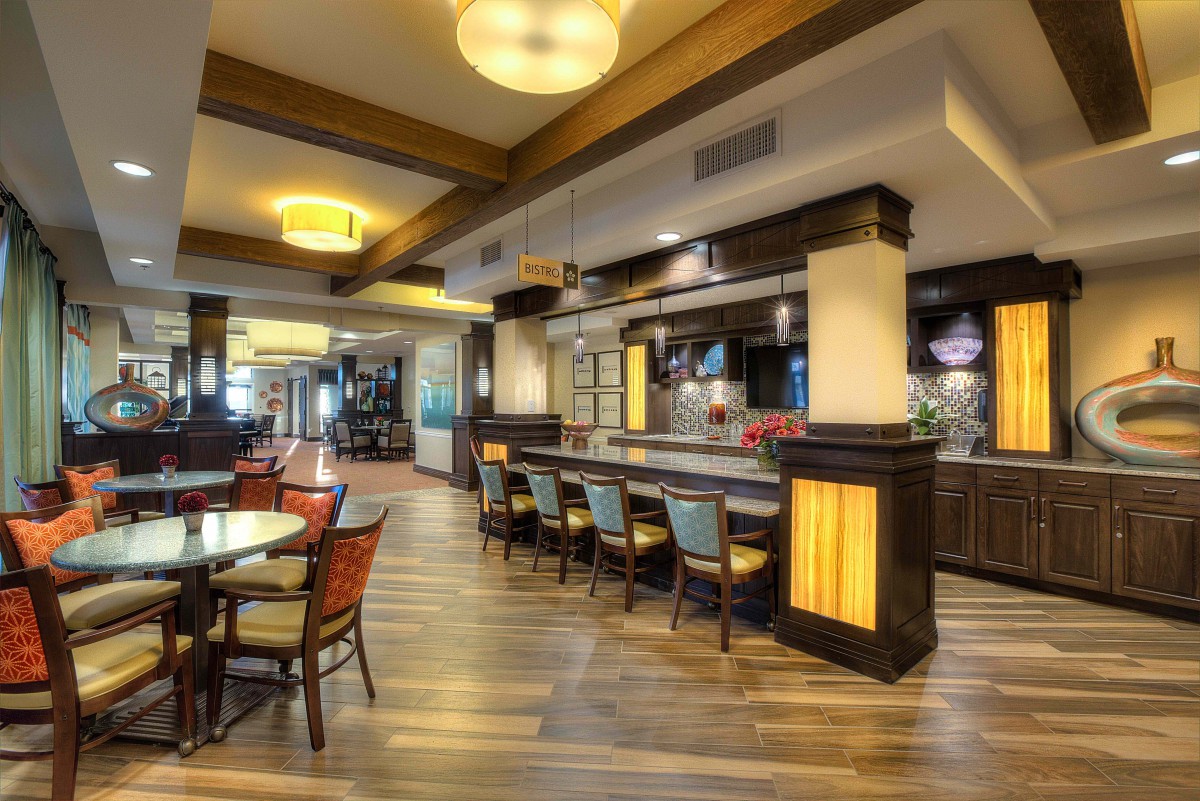
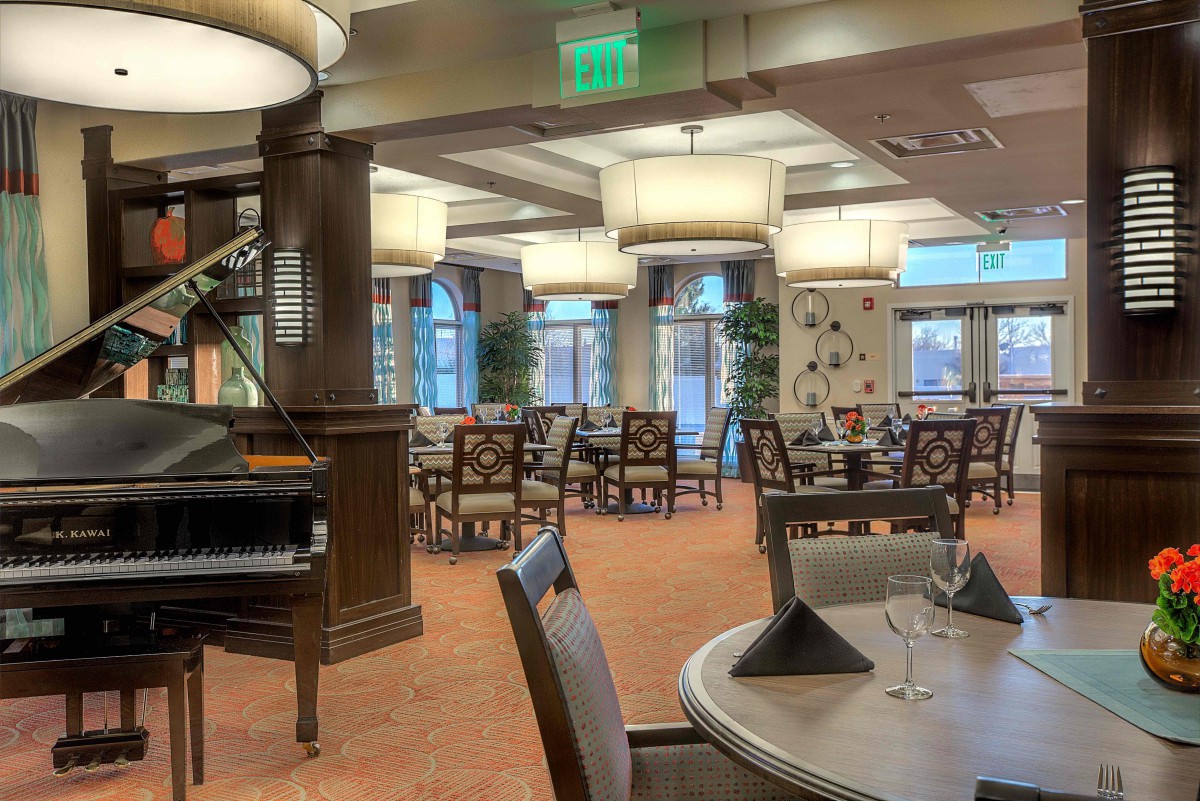
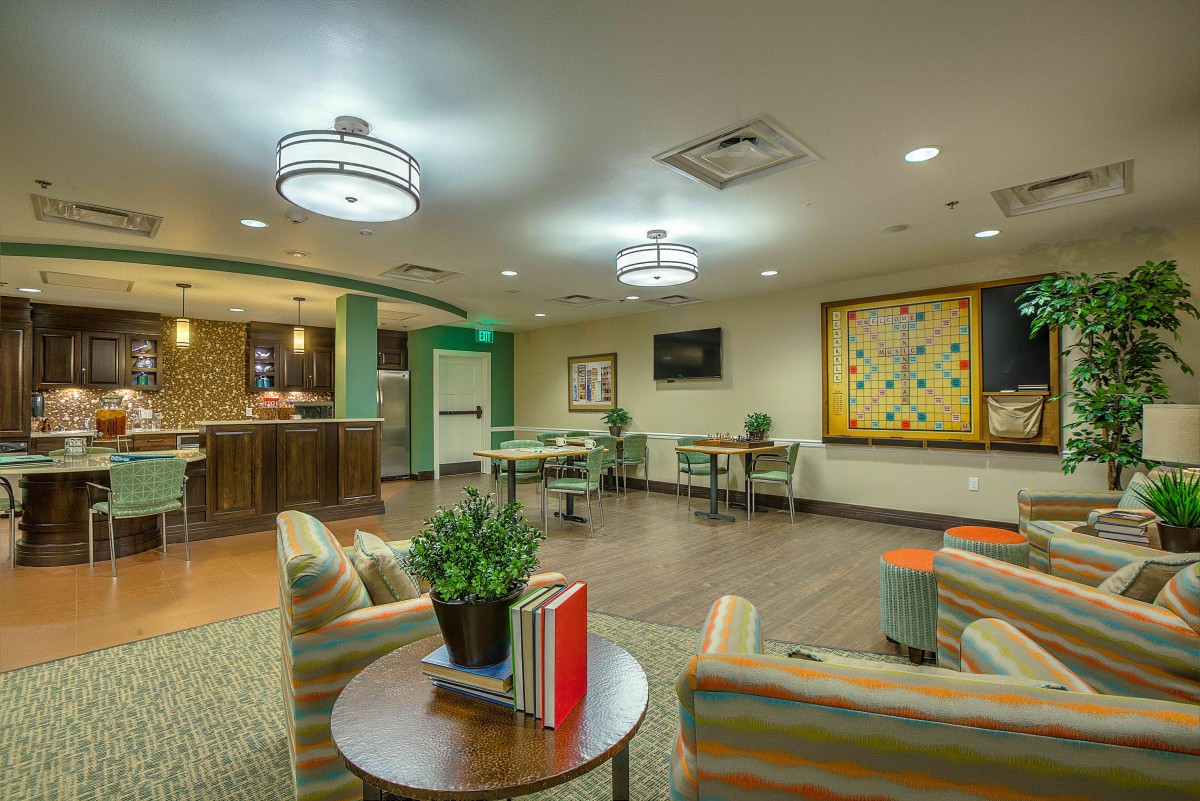
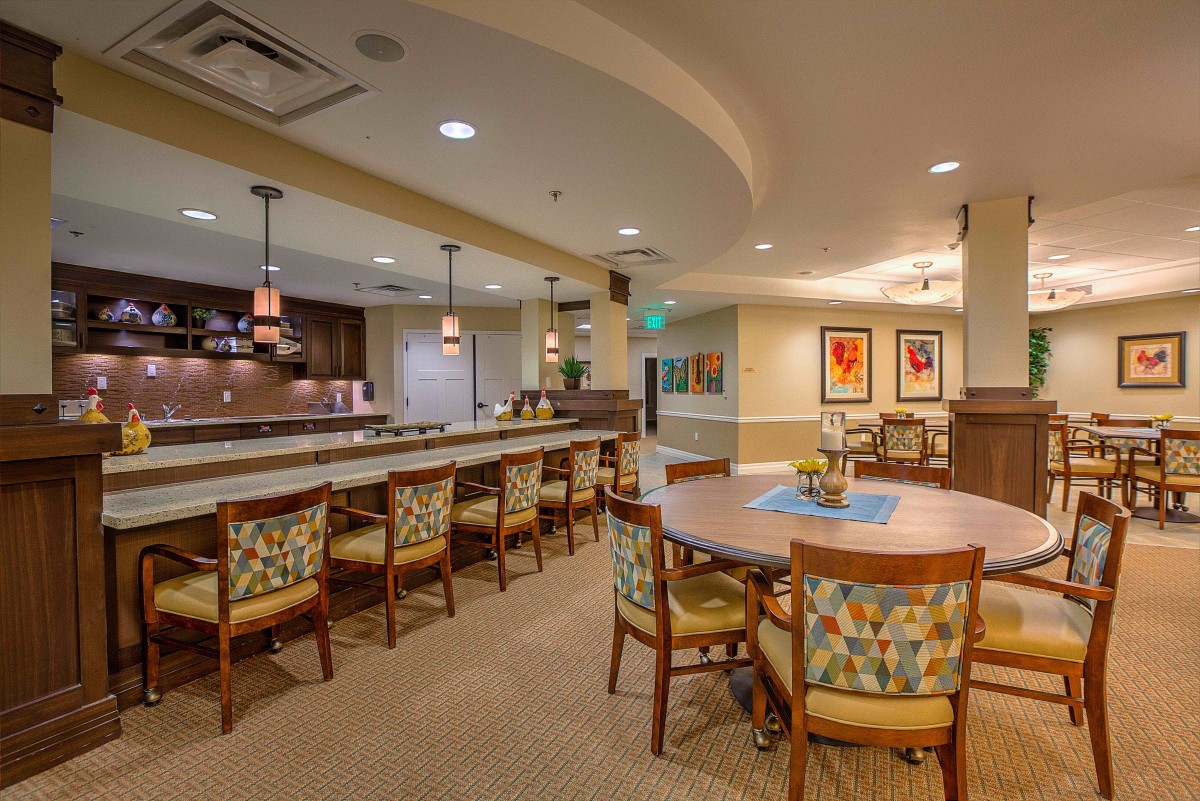
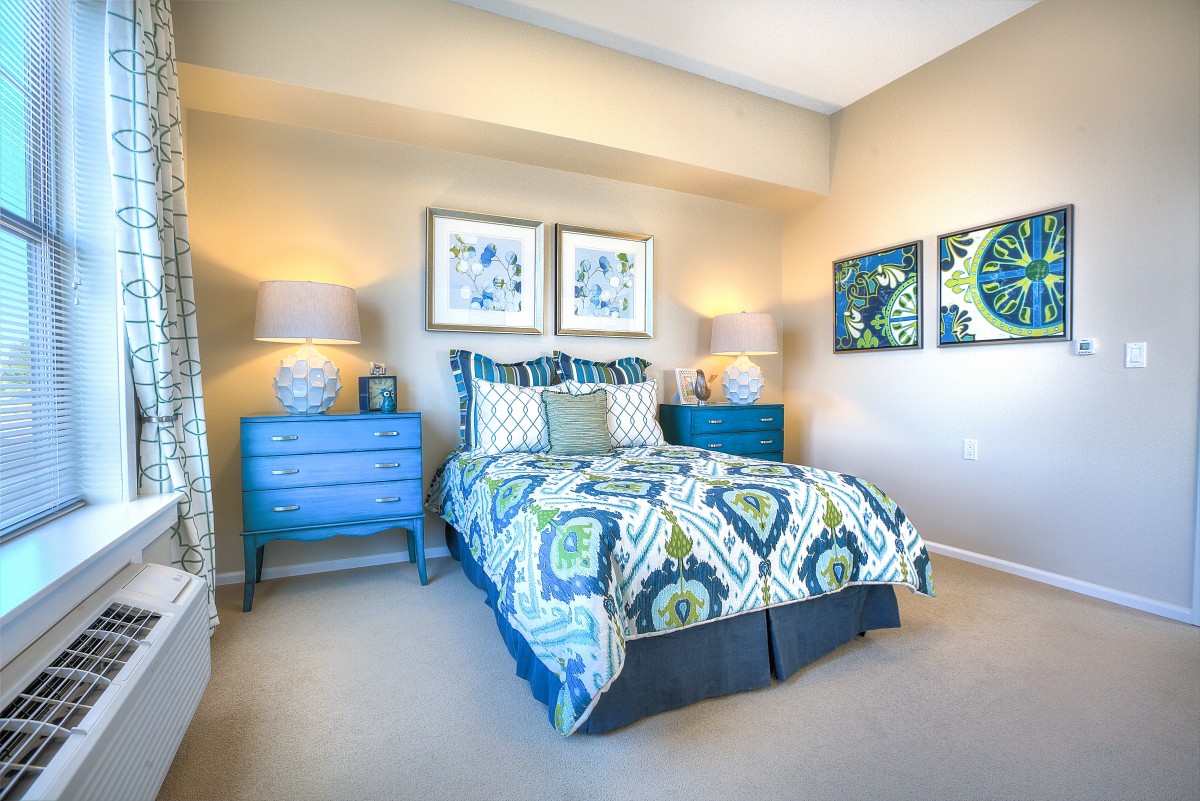
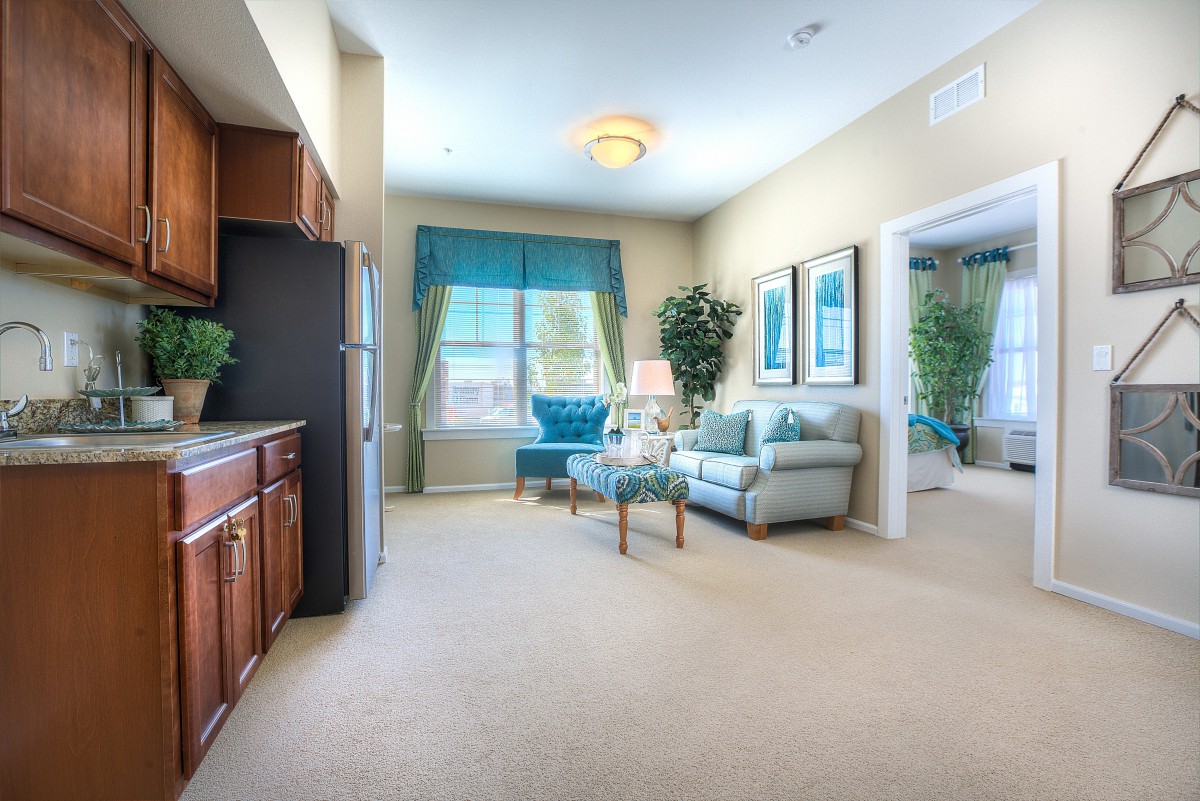
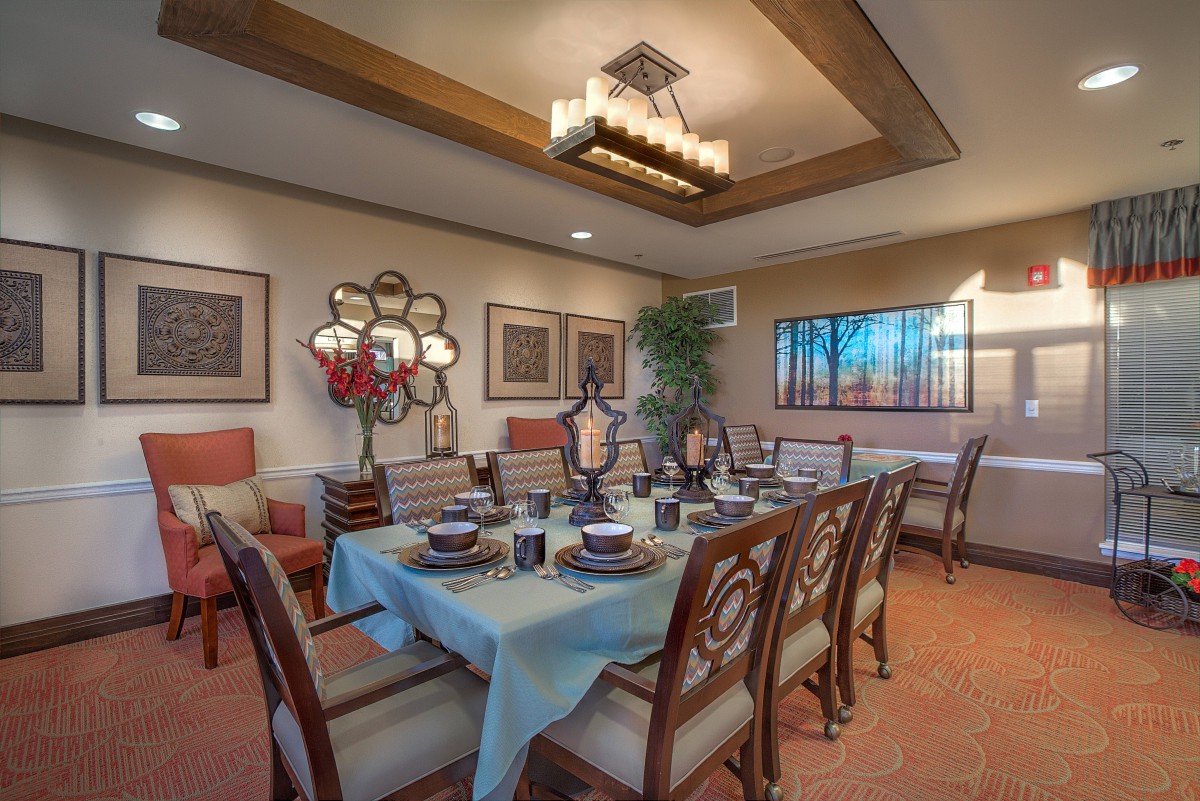
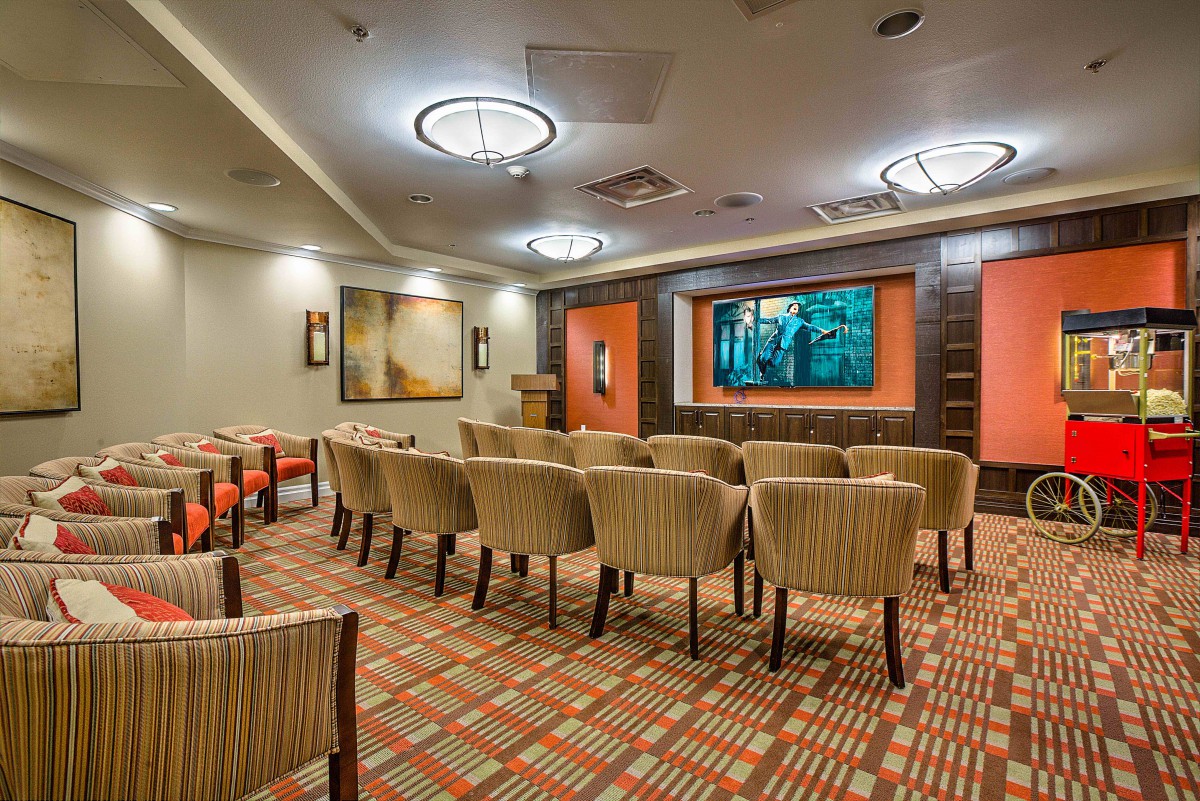
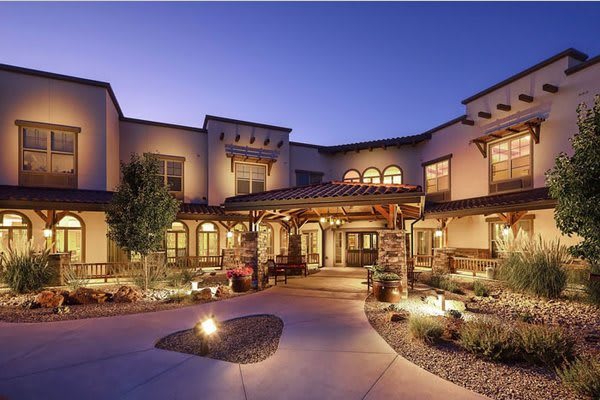
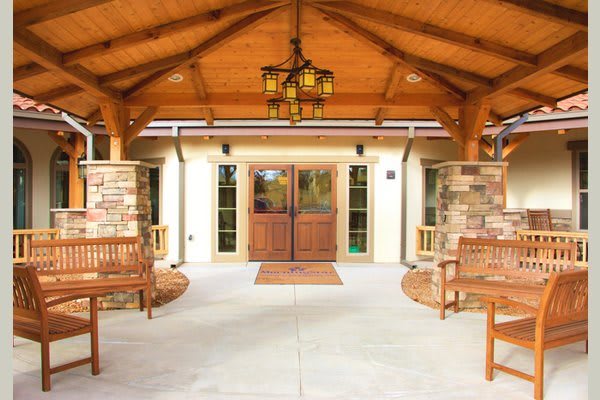
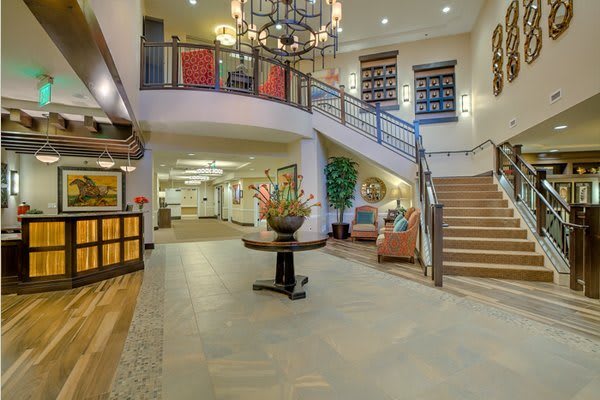
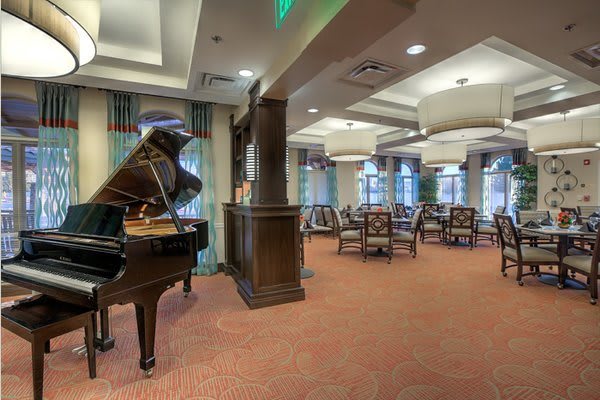
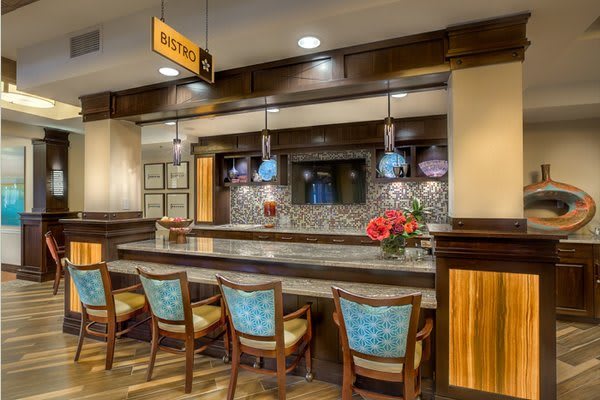
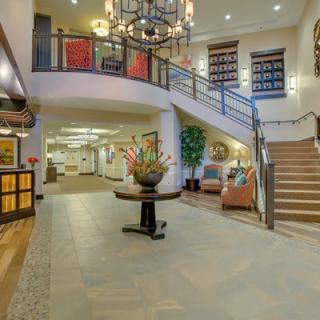
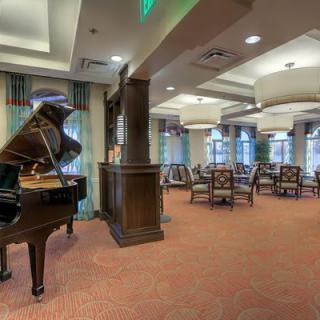
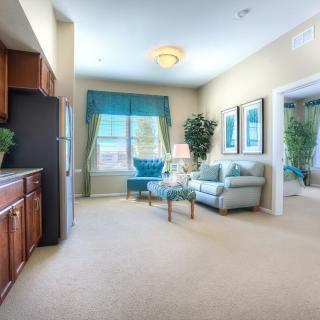
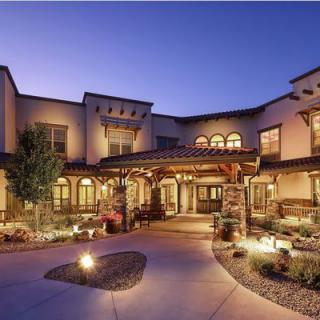
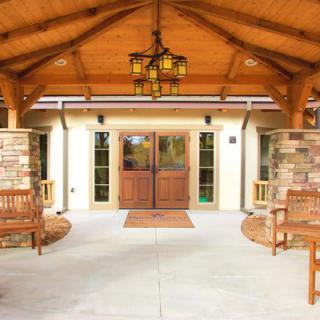
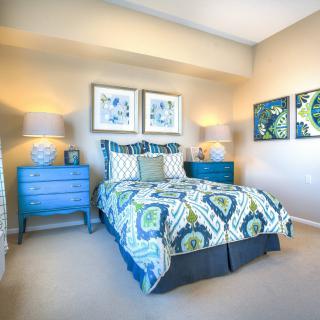
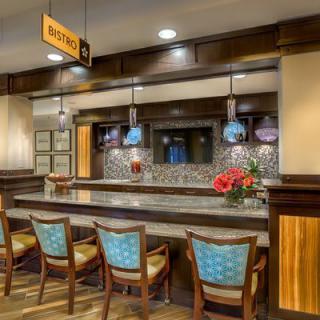
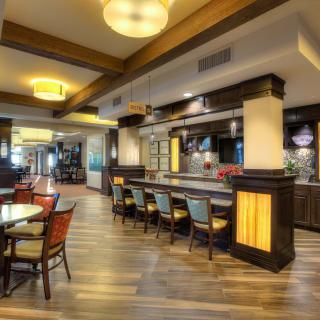
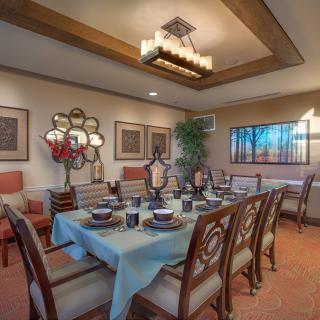
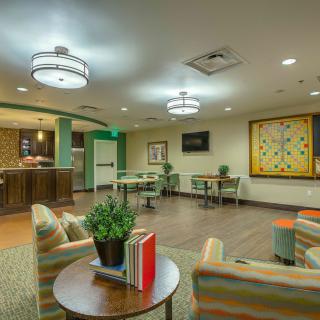
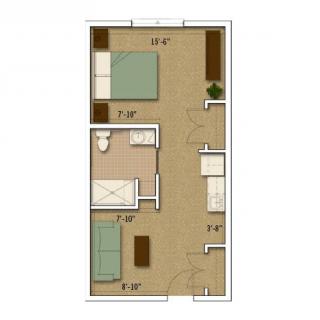
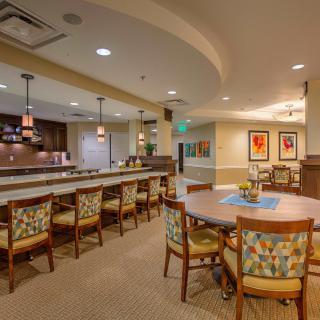
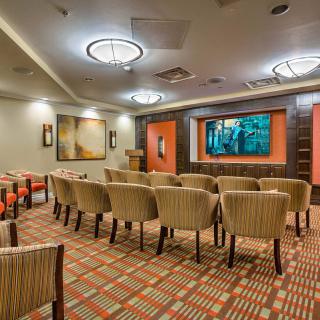
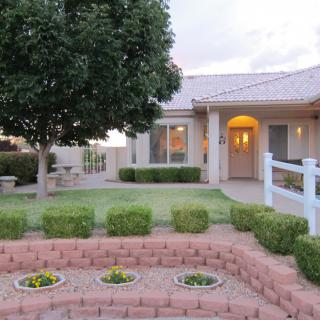
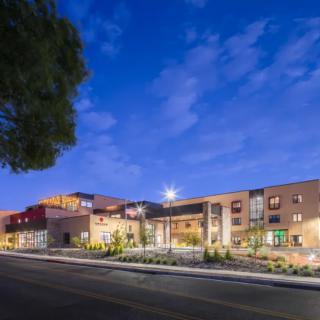
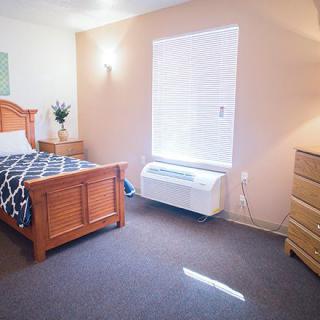
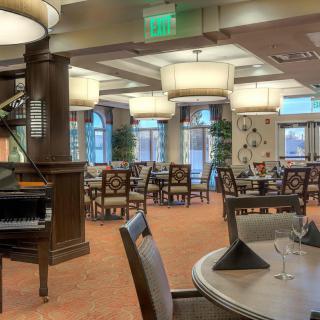
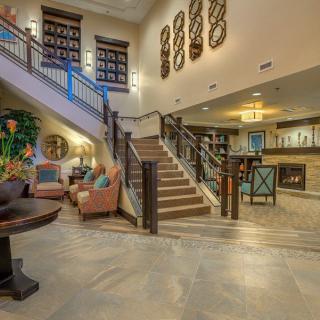
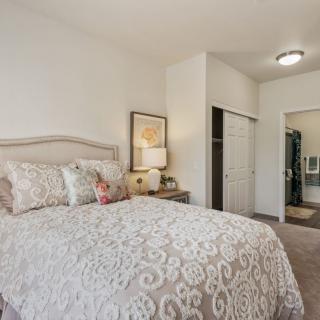
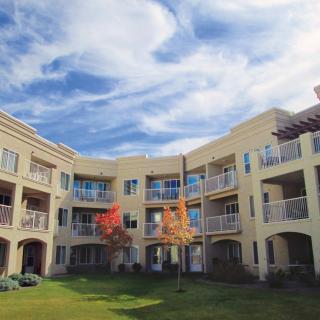
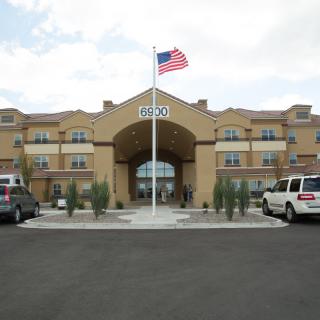
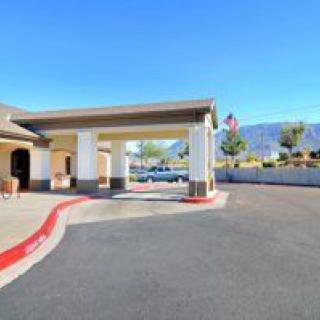
MorningStar Assisted Living & Memory Care of Albuquerque on seniors.fyi includes 18 photos including images showing interior, floor plan, lighting, dining, decor, bathroom, bedroom, seating area, and more.
Nearby Communities
MorningStar at North Ridge
Albuquerque, NM
4.5 from 68 reviews
$3,350 to $10,620 / month
Attentive memory-care with friendly staff in a clean, engaging environment.
Las Palomas Nursing & Rehab
Albuquerque, NM
3.6 from 119 reviews
Recent remodeling and a positive Medicare rating.
Las Palomas Center
Albuquerque, NM
3.6 from 113 reviews
Excellent rehabilitation staff; well-maintained facility with good meals.
MorningStar Of Albuquerque
Albuquerque, NM
Comprehensive memory care with 24/7 supervision and specialized programming.
Paloma Landing Retirement Community
Albuquerque, NM
4.6 from 87 reviews
Beautiful, well-maintained community with engaging activities and excellent dining and staff.
Paloma Landing
Albuquerque, NM
4.5 from 115 reviews
$2,485 to $4,495 / month
Friendly staff and a welcoming, engaging community with quality dining.
Coronado Villa Retirement Resort
Albuquerque, NM
4.6 from 78 reviews
$3,730 to $5,447 / month
Strong sense of community with attentive staff, diverse activities, and multiple dining options.
Morada Quintessence
Albuquerque, NM
4.5 from 191 reviews
$4,155 to $4,780 / month
Homelike, clean environment with attentive staff, strong family communication, and engaging activities.
Brentwood Gardens Apartments
Albuquerque, NM
Excellent nearby access to pharmacies, doctors, hospitals, dining, and parks.
The article compares assisted living and skilled nursing facilities, detailing their differing levels of assistance, medical support, cost structures, and day-to-day experiences. It emphasizes that assisted living is for those needing help with daily activities while maintaining independence, whereas skilled nursing facilities provide intensive medical care with 24-hour staff supervision.
Vibrant Senior Living emphasizes active senior living communities that promote independence and engagement through diverse amenities and activities, fostering wellness and social interaction among older adults. These communities range from independent to assisted living, with a focus on personal growth, family involvement, financial planning, and leveraging technology to enhance residents' experiences.
Assisted living provides moderate support for seniors seeking independence, while memory care offers specialized support for individuals with dementia or cognitive impairments through structured routines and trained staff. Key differences include care approaches, environment security measures, staff training levels, activity types, and cost considerations.
MorningStar Assisted Living & Memory Care of Albuquerque photos
×
Interior
Decor
Living Room
Building
Architecture
Bedroom
Dining
Lighting
Artwork
Seating Area
Floor Plan
Seating
Conference Room
Interior
Decor
Bedroom
Dining
Living Room
Landscaping, Building, Courtyard, and Lights
Windows and Kitchenette
Floor Plan and Bathroom
Architecture
Lighting
Artwork
Chandelier
Seating Area
Entrance
Lobby
Seating
Piano
Lounge
Conference Room
Living Area
Stairs and Decorative Plants
Bar
Get PricingAsk A QuestionSchedule A TourContact Senior Advisor
By clicking submit, you agree to our Partner's Terms of Use. You
also consent to receive calls and texts, which may be autodialed, from our Partner. Your consent is not a condition to
using our Partner's service. Please visit our Partner's Privacy Policy for information about their privacy practices.


 1-bedroom apartments
 Assisted Living
 Memory Care
 Activities on-site
 Bath tubs
 Devotional services off-site
 Indoor common areas
 Respite or short term stays offered
 Albuquerque International (10 miles away)
 Ambulatory care
 Diabetic care
 Incontinence care
 Medication management
 Meals provided
 BBQs or picnics
 Birthday parties
 Cooking classes
 Day trips and outings
 Happy hour
 Light therapy programs
 Live dance or theater performances
 Live musical performances
 Stretching classes
 Trivia games
 Wine tasting
 Attentive memory-care with friendly staff in a clean, engaging environment.
 Exploring the Contrasts Between Assisted Living and Skilled Nursing
 Vibrant Senior Living: A Comprehensive Guide for Active Older Adults
 Assisted Living and Memory Care: Understanding Their Core Differences