Neighborhood In Rio Rancho

Save

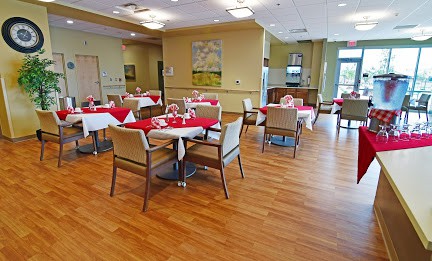
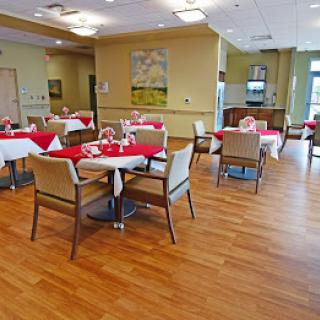
  • Interior

    A neatly arranged restaurant dining area with tables covered in red and white tablecloths.
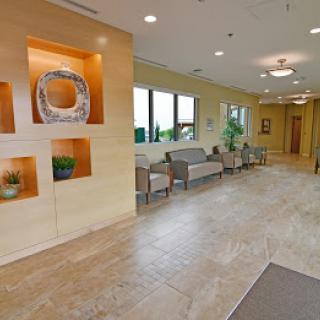
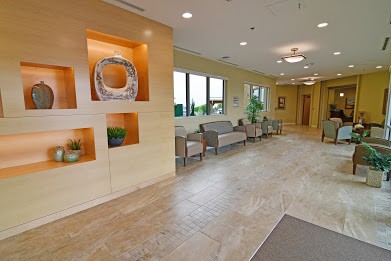
  • Decor

    A modern lobby with comfortable seating and decorative elements.
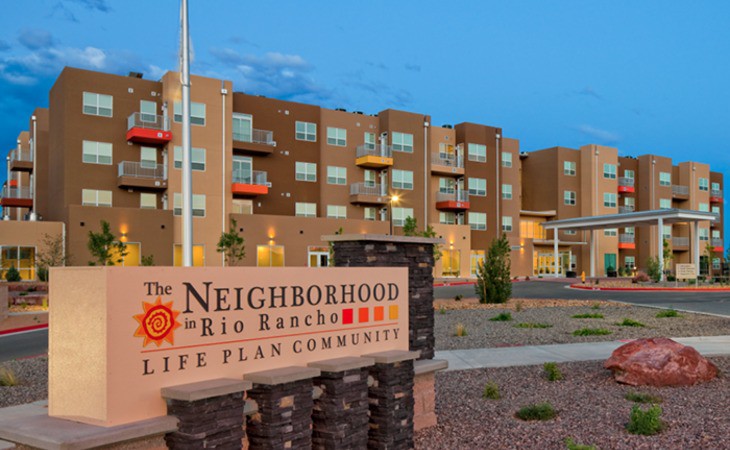
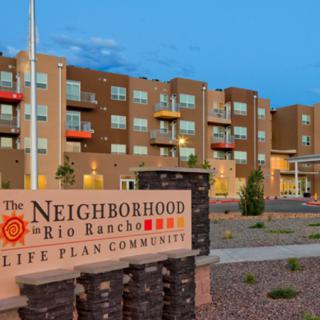
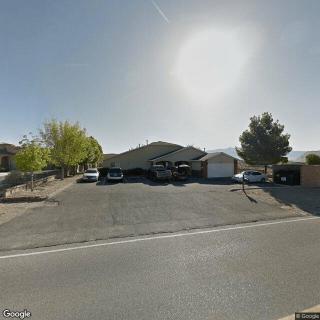
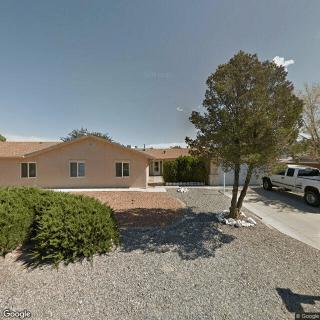
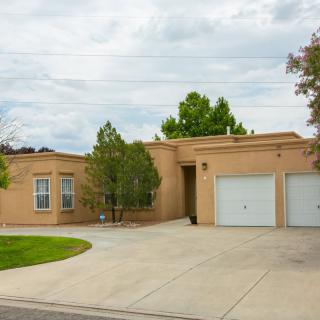
  • Building

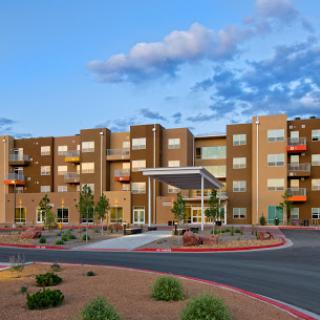
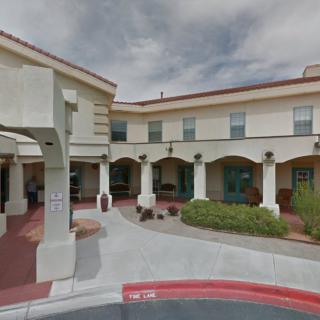
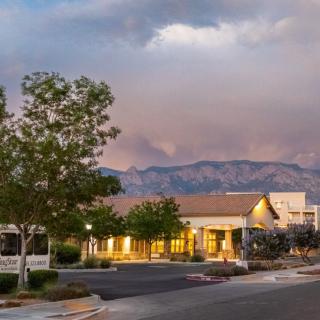
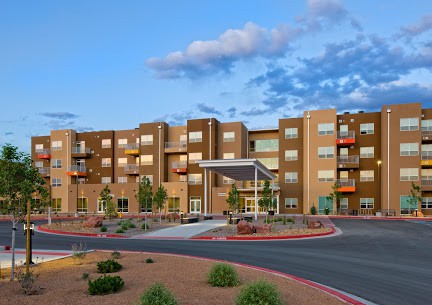
    The Neighborhood in Rio Rancho is a life plan community featuring a modern residential building and well-maintained landscaping.
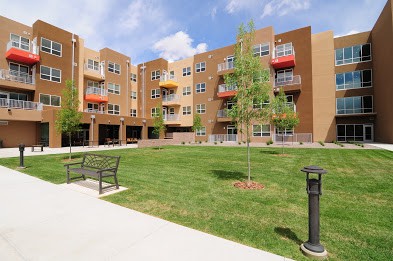
  • Trees

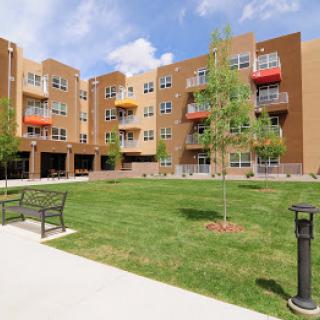
    A modern apartment complex with a well-maintained lawn and outdoor seating areas.
  • Landscaping

    A modern apartment complex with landscaped grounds and a welcoming entrance.
  • Lobby

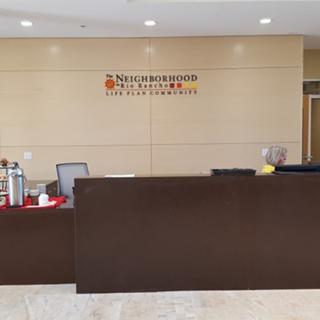
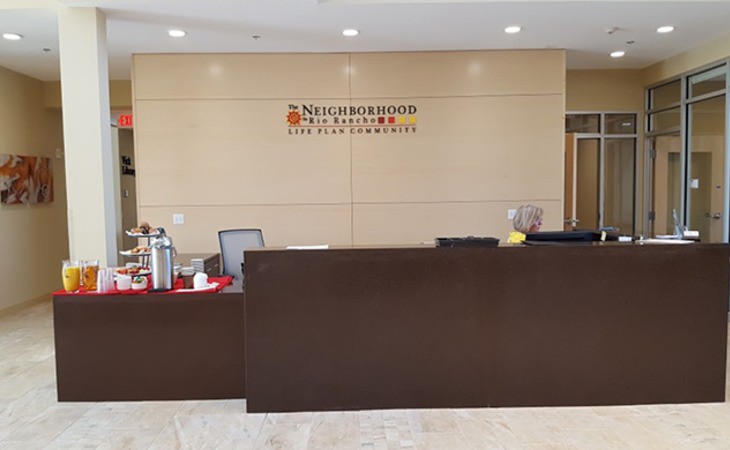
    A reception area with a desk in an office lobby.
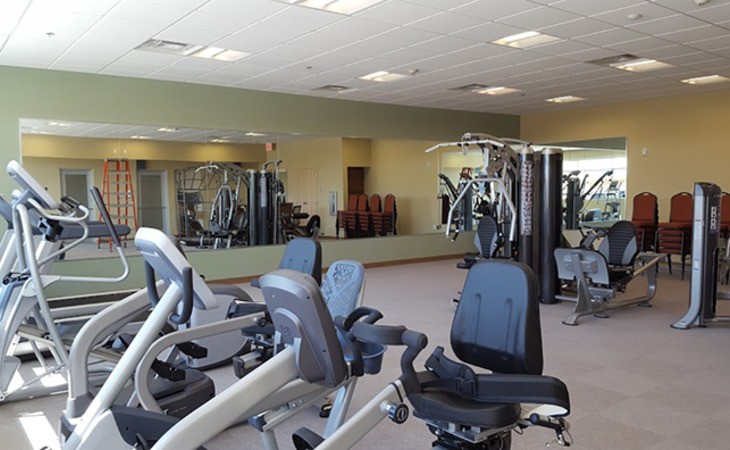
  • Exercise Equipment

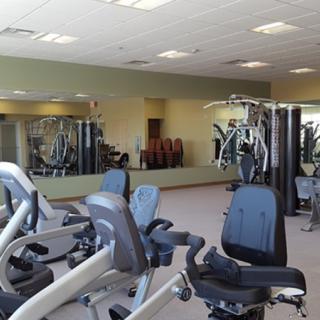
    A well-equipped gym featuring cardio machines and exercise equipment.
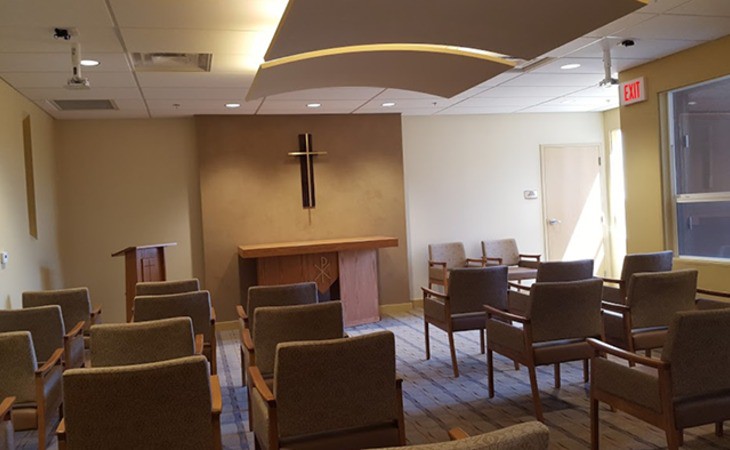
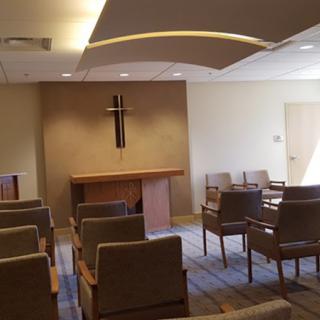
  • Chapel

    A serene chapel interior with rows of chairs facing an altar and a cross on the wall.

Neighborhood In Rio Rancho

900 Loma Colorado Boulevard Ne, Rio Rancho, NM 87124

For more information about senior living options: (844) 490-3973

4.1 from 87 reviews
5 stars
58
4 stars
9
3 stars
5
2 stars
1
1 stars
14

Assisted Living Continuing Care Retirement Community (CCRC) Independent Living Memory Care Skilled Nursing Facility

Overall Review of Neighborhood In Rio Rancho

Pros

  • pro The facility is beautiful inside, with elevators and dining rooms that resemble a fine restaurant.
  • pro The food is delicious.
  • pro Residents in independent living and assisted living reportedly love the care and the staff.
  • pro The bedrooms are spacious, modern, and offer nice views.
  • pro The management team is easy to work with and responsive.
  • pro The staff are professional, well trained, attentive, and friendly.
  • pro The facility is modern, clean, and quiet, with a stunning view of the Sandias.
  • pro The activity calendar engages residents and keeps them stimulated.
  • pro Therapy services (PT, OT, and ST) are provided by caring and capable professionals.
  • pro The Neighborhood in Rio Rancho is described as the best they've seen and is highly recommended.

Cons

  • pro One reviewer would give 0 stars and alleges the facility killed their grandma, failed to provide a needed medical device, and took her to the hospital in the middle of the night without notifying family.
  • pro The reviewer labeled the facility extremely unprofessional, noting admissions failed to return calls despite repeated inquiries.
  • pro There were "lots of changes in administration and care" over the years that weren't for the better.
  • pro The reviewer felt they were treated as a problem and a huge inconvenience.
  • pro A respite stay was described as terrible, with no check-ins, no feeding, no oral care, and weight loss.
  • pro Nursing care was described as hit or miss due to too much agency staffing on weekends.
  • pro The food was described as awful - bland, pre-packaged or frozen, with tiny portions and often cold.
  • pro Delays and poor follow-up were reported regarding a representative-payee setup, with staff not returning calls or emails for months.

Review

The Neighborhood in Rio Rancho presents itself at first glance as a luxury residence built for both independent living and higher levels of care. From the outside it can resemble an upscale apartment building, and once you step inside you're greeted by a polished, modern environment with elevators and dining spaces that feel more like a refined restaurant than a traditional senior facility. Across the recorded experiences, several reviewers repeatedly note that the interior is beautiful, spacious, and well appointed, with many commenting on modern bedrooms, good views, and well-equipped common areas. The property is described by multiple visitors as a standout in its appearance and ambiance among local options.

Within the independent living and assisted living communities, many residents and families report positive experiences. A number of clients and guests find the food delicious and the dining rooms enjoyable, with some family members praising the culinary quality and the variety in the dining program. Reviews highlight the atmosphere as welcoming and comfortable, with several anecdotes about residents engaging in activities and feeling well cared for. The memory care and skilled/nursing components are frequently described as where the staff do thoughtful, attentive work, with several accounts of residents doing well, thriving, or simply expressing satisfaction with their daily routines and care. In particular, families with loved ones in memory care or rehab note that staff are caring, responsive, and capable, and that residents' rooms and views - such as mountain or desert vistas - can contribute to a sense of home and calm.

There are strong endorsements from some family members who moved a loved one from another setting to The Neighborhood. One account describes a sister-in-law moving from independent living in Maryland to assisted living in Rio Rancho, with praise for the facility's cleanliness, quietness, tasteful studio space, and the ability to accommodate personal decorating to help her feel at home. The reviewer also commends the staff for being professional, well trained, attentive, and genuinely engaged with her sister's medical and personal needs, noting effective physical therapy and a calendar of activities that keep her engaged. Similarly, a dad in memory care is portrayed as thriving, with warm reception from the team starting at the admissions process, a well-kept room, and positive feedback about the dining and overall care.

On the other hand, several reviews flag serious concerns about administration, communication, and consistency in care. One reviewer, reflecting on their time as a waitstaff employee, describes experiencing favoritism, unprofessional work practices, and harassment, culminating in a feeling of being stressed and underappreciated despite leaving with good wishes for coworkers. This perspective highlights internal dynamics that can affect staff morale and, by extension, resident experience. Another reviewer emphasizes poor admissions follow-up, reporting that calls to admissions went unanswered despite escalating the issue to leadership. The sense of being ignored at the outset leaves a negative impression about how prospective residents and families are treated before committing to care.

There are also pointed negative reviews that touch on overall management and accountability. In one case, a reviewer claims a family member's grandmother died and asserts that critical medical equipment and timely hospital communication were mishandled, accompanied by a strong warning not to entrust loved ones to the facility. While this is a single, highly charged accusation, it underscores the importance of transparent, responsive care and the severity of concerns some families feel when outcomes do not meet expectations. Related comments describe ongoing changes in administration and care practices, with a specific account naming difficulties in obtaining a representative payee arrangement and slow or unclear responses from several staff members, including the executive director. The narrative expresses frustration with how financial and care-related processes are managed and conveyed to families.

Other reviews acknowledge a mix of strengths and vulnerabilities. A number of guests and family members sing the praises of individual staff members - nurses, aides, therapists, and transport personnel - who demonstrate dedication and kindness. One reviewer singles out a driver named Clint for consistently being thoughtful about residents' needs, illustrating how small acts of care can leave a lasting positive impression. In contrast, some feedback points to the variability of nursing care, particularly when agency staff are used on weekends, and to concerns about the quality and temperature of food, with some meals described as bland, pre-packaged, or served in portions that were too small. Administrative turnover and inconsistent staffing levels are recurrent themes, contributing to a perception that care quality can fluctuate depending on who is on duty and which unit a resident is in.

There are also specific, unit-level experiences worth noting. A family's story about respite care highlights the fragility of care continuity and the impact of lapses in basic services: inadequate supervision, insufficient assistance with daily needs, neglect of oral care, and a failure to monitor for dehydration or wounds. These concerns - whether isolated or not - underscore the vital need for careful supervision, consistent staffing, and robust care protocols in every area of the campus. Conversely, several testimonials about the independent living, memory care, and rehab-adjacent services emphasize warm introductions, proactive communication, and a sense of safety and belonging, reinforcing that for many residents the environment can be a very positive place to live and recover.

In sum, The Neighborhood in Rio Rancho is described by many as a visually appealing, well-equipped community with strong potential for high-quality care and engaging activities. Families frequently speak to the improvements in care, the professional demeanor of many staff members, and the satisfaction of residents with living spaces and dining. Yet the collection of reviews also presents a candid, sometimes stark, picture of administrative challenges, staffing inconsistencies, and serious grievances that range from admissions delays to allegations of neglect and mismanagement. The common thread across accounts is that the experience at this facility can be excellent when the right staff are on duty, when care plans are clear and followed, and when leadership maintains open, responsive communication. But it can fall short when administration is opaque, staffing is unstable, or critical processes - like admissions, financial management, or medical support - are inconsistent. For families and prospective residents, this suggests a prudent approach: visit thoroughly, ask pointed questions about staffing patterns and emergency protocols, review care plans and dietary standards, and seek out recent feedback from current residents and their families to understand how the community operates today.

Features

Housing

  • 48 resident community capacity 48 resident community capacity

Types of Care

  • Assisted Living Assisted LivingAssisted living facilities provide crucial support and care for seniors who may need help with daily tasks such as medication management, bathing, and meal preparation. These communities offer a safe and comfortable environment where seniors can maintain their independence while receiving the assistance they need to thrive in their golden years.
  • Continuing Care Retirement Community (CCRC) Continuing Care Retirement Community (CCRC)Continuing Care Retirement Communities (CCRCs) are important for seniors because they provide a range of housing options and care services all in one location. This allows seniors to age in place and receive the level of care they need as their health changes, without having to move to a new facility. CCRCs provide a sense of security and peace of mind for seniors and their families, knowing that they will be taken care of no matter what the future holds.
  • Independent Living Independent LivingIndependent living communities are important for seniors because they offer a safe and supportive environment where older adults can live independently while still having access to amenities and services that enhance their quality of life. These communities provide social opportunities, recreational activities, and assistance with daily tasks, promoting overall well-being and allowing seniors to maintain their independence for as long as possible.
  • Memory Care Memory CareMemory care is crucial for seniors as it provides specialized support and services for individuals with dementia or Alzheimer's disease. These programs offer a safe and secure environment where residents receive personalized care, cognitive stimulation, and help with daily activities. Memory care helps seniors maintain their independence, quality of life, and dignity while also providing peace of mind for their families.
  • Skilled Nursing Facility Skilled Nursing FacilitySkilled Nursing Facilities are crucial for seniors as they provide round-the-clock medical care, rehabilitation services, and assistance with daily activities. These facilities ensure that seniors receive the specialized care they need to maintain their health and well-being as they age.

Amenities

  • Beauty salon Beauty salonBeauty salons are important for seniors because they provide a space for them to feel pampered, socialize, and maintain their personal grooming and hygiene. Regular visits to a beauty salon can help boost seniors' self-esteem and overall well-being.
  • Cable or satellite TV Cable or satellite TVCable or satellite TV is important for seniors because it provides entertainment, news, and companionship, helping to combat loneliness and boredom. It also offers a wide range of programming options tailored to different interests and preferences.
  • Dining room Dining roomDining rooms are important for seniors as they provide a space for socialization, connection, and nutritious meals. They offer opportunities for residents to bond over shared meals, foster a sense of community, and promote healthy eating habits. Dining rooms also ensure that seniors have access to well-balanced meals tailored to their dietary needs and preferences.
  • Fully furnished Fully furnishedFully furnished senior living communities are important for seniors because they provide convenience, comfort, and a hassle-free moving experience. Seniors can easily settle into their new living space without the stress of having to buy and move furniture. This allows them to focus on enjoying their new home and community.
  • Garden GardenGardens are important for seniors as they provide a peaceful and therapeutic environment for relaxation, physical activity, and socialization. Being in nature has been shown to reduce stress, improve mood, and promote overall well-being. Gardens also offer opportunities for seniors to engage in gardening activities, which can improve mobility, flexibility, and cognitive function. Additionally, gardens create a sense of community and connection with others who share a passion for plants and outdoor spaces.
  • Housekeeping services Housekeeping servicesHousekeeping services are important for seniors because they help maintain a clean and safe living environment, promote independence, and reduce the risk of accidents or illnesses. Additionally, having assistance with household chores can alleviate physical strain and allow seniors to focus on other aspects of their well-being.
  • Kitchenette KitchenetteKitchenettes are important for seniors living in senior living communities because they provide the convenience and independence of being able to prepare simple meals and snacks in the comfort of their own living space. This can help promote a sense of autonomy and well-being for seniors, allowing them to maintain some level of control over their dietary choices and daily routines.
  • Move-in coordination Move-in coordinationMove-in coordination is important for seniors because it helps ease the transition into their new living environment. It ensures that all logistics, such as packing, organizing movers, and setting up utilities are taken care of, allowing seniors to focus on settling in and adjusting to their new home. Having a smooth move-in process can alleviate stress and anxiety, making the transition smoother and more enjoyable for seniors.
  • Outdoor space Outdoor spaceOutdoor spaces are important for seniors as they provide opportunities for physical activity, social interaction, exposure to natural light and fresh air, and a sense of connection to nature. Having access to outdoor spaces can improve overall well-being and quality of life for older adults living in senior communities.
  • Restaurant-style dining Restaurant-style diningRestaurant-style dining is important for seniors because it allows them to enjoy delicious, nutritious meals in a social and upscale setting. This enhances their dining experience, promotes healthy eating habits, and fosters socialization with fellow residents, ultimately contributing to their overall well-being and quality of life.
  • Small library Small librarySmall libraries are important for seniors as they provide access to a variety of reading materials, including books, newspapers, and magazines. This can help stimulate their minds, keep them engaged, and provide a sense of community through book clubs and other social activities. Additionally, reading has been shown to improve cognitive function and overall mental well-being in older adults.
  • Telephone TelephoneTelephones are important for seniors as they provide a lifeline for communication with loved ones, emergency services, and healthcare providers. They offer a sense of security and independence, enabling seniors to stay connected and access assistance when needed.
  • Wi-Fi/high-speed internet available Wi-Fi/high-speed internet availableWi-Fi/high-speed internet is important for seniors to stay connected with loved ones, access online resources, and participate in virtual activities to combat feelings of loneliness and isolation. It also allows them to easily manage healthcare needs, access entertainment, and engage in lifelong learning opportunities.

Transportation

  • Albuquerque International (16 miles away) Albuquerque International (16 miles away)

Care Services

  • 24-hour call system 24-hour call system24-hour call systems are important for seniors because they provide peace of mind and immediate assistance in case of emergencies. This technology ensures that help is always available, promoting safety and security for elderly individuals living alone or in assisted living facilities.
  • 24-hour supervision 24-hour supervision24-hour supervision is important for seniors to ensure their safety, well-being, and access to immediate assistance in case of emergencies or health issues. This constant support provides peace of mind for both seniors and their loved ones, allowing them to age in place with dignity and security.
  • Activities of daily living assistance Activities of daily living assistanceActivities of daily living assistance are important for seniors because they provide essential support with tasks such as eating, bathing, dressing, and mobility. This assistance helps seniors maintain their independence, dignity, and overall quality of life as they age.
  • Assistance with bathing Assistance with bathingAssistance with bathing is crucial for seniors as it helps maintain personal hygiene, prevents infections, and ensures their overall well-being and comfort. It also provides a sense of dignity and independence for seniors who may struggle with this task on their own.
  • Assistance with dressing Assistance with dressingAssistance with dressing is important for seniors because it helps maintain their independence, promotes personal hygiene, prevents accidents and injuries, and improves overall quality of life. This service ensures that seniors can continue to dress comfortably and confidently, despite any physical limitations they may have.
  • Assistance with transfers Assistance with transfersAssistance with transfers is crucial for seniors as it helps prevent falls and injuries, maintains their independence, and ensures they can safely navigate their living environment. It also provides peace of mind for both seniors and their loved ones.
  • Diabetes diet Diabetes dietA diabetes diet is crucial for seniors as it helps manage blood sugar levels, reduce risks of complications, and improve overall health and well-being. By following a balanced and nutritious diet tailored to their specific needs, seniors can better control their diabetes and enhance their quality of life.
  • Meal preparation and service Meal preparation and serviceMeal preparation and service are crucial for seniors as they may have limited mobility or energy to cook nutritious meals. Having access to healthy and convenient food options can ensure they are getting the proper nutrition needed to maintain their overall health and well-being.
  • Medication management Medication managementMedication management is crucial for seniors to ensure they are taking the right medications at the correct dosages and times. This helps prevent adverse drug interactions, reduces the risk of medication errors, and promotes overall health and well-being. Proactive management also allows for adjustments as needed based on changing health conditions or new prescriptions.
  • Mental wellness program Mental wellness programMental wellness programs are essential for seniors as they promote cognitive stimulation, emotional support, and social engagement. These programs help prevent isolation, depression, and cognitive decline, ultimately enhancing the overall quality of life for older adults.
  • Special dietary restrictions Special dietary restrictionsSpecial dietary restrictions are important for seniors because age-related changes in metabolism and health conditions can make it difficult for their bodies to process certain foods. By following a diet tailored to their specific needs, seniors can maintain their overall health and well-being, manage chronic conditions, and reduce the risk of complications such as malnutrition or food interactions with medications.
Dining

  • Diabetes diet Diabetes dietA diabetes diet is crucial for seniors as it helps manage blood sugar levels, reduce risks of complications, and improve overall health and well-being. By following a balanced and nutritious diet tailored to their specific needs, seniors can better control their diabetes and enhance their quality of life.
  • Special dietary restrictions Special dietary restrictionsSpecial dietary restrictions are important for seniors because age-related changes in metabolism and health conditions can make it difficult for their bodies to process certain foods. By following a diet tailored to their specific needs, seniors can maintain their overall health and well-being, manage chronic conditions, and reduce the risk of complications such as malnutrition or food interactions with medications.

Activities

  • Community-sponsored activities Community-sponsored activitiesCommunity-sponsored activities are important for seniors as they provide opportunities for social interaction, mental stimulation, and physical activity. These activities can help improve overall well-being, combat loneliness and isolation, and promote a sense of belonging and purpose among older adults.
  • Resident-run activities Resident-run activitiesResident-run activities are important for seniors as they encourage social interaction, creativity, and a sense of autonomy. These activities empower seniors to stay engaged and active in their community while fostering meaningful connections with their peers.
  • Scheduled daily activities Scheduled daily activitiesScheduled daily activities are important for seniors because they provide structure, socialization, mental stimulation, and physical activity. Engaging in regular activities can improve overall well-being and quality of life for seniors living in a community setting.

Description

The assisted living community in Rio Rancho, NM, is a neighborhood within Rio Rancho that offers a variety of care options to meet the needs of its residents. This community provides Continuing Care Retirement Community (CCRC), Independent Living, Memory Care, and Skilled Nursing Facility services.

Residents of this community can enjoy various amenities to make their stay comfortable and convenient. Each residence is fully furnished and includes cable or satellite TV, a kitchenette, telephone access, and Wi-Fi/high-speed internet. Housekeeping services ensure that the living spaces are always clean and tidy. Outdoor spaces and gardens provide an opportunity for residents to enjoy nature.

Care services provided in this assisted living community include 24-hour supervision and assistance with activities of daily living such as bathing, dressing, and transfers. The staff also assists with medication management and meal preparation according to specific dietary restrictions, including diabetes diets. Mental wellness programs are available to support overall well-being.

For dining options, residents can enjoy restaurant-style dining in a spacious dining room that accommodates special dietary restrictions. Additionally, nearby cafes and restaurants provide more choices for those who prefer to dine out occasionally.

To promote social engagement and enrichment, there are resident-run activities as well as scheduled daily activities organized by the community. Residents have access to a small library where they can find books or engage in quiet reading time.

In terms of convenience, there are several nearby facilities that cater to different needs. There are four cafes located nearby for casual outings or socializing over a cup of coffee. Eight pharmacies ensure easy access to medications and healthcare supplies. Nineteen physicians serve the area for medical consultations or appointments. One place of worship allows residents to practice their faith conveniently. In case of emergencies or specialized healthcare needs, one hospital is also located within close proximity.

Overall, this assisted living community provides comprehensive care services while offering a range of amenities and conveniences that contribute to a comfortable and fulfilling retirement lifestyle in the Rio Rancho neighborhood.

Nearby Places of Interest

Physicians

  • Rio Eyecare (1.4 miles)
  • Presbyterian Pediatrics in Rio Rancho on High Resort Blvd (1.5 miles)
  • Presbyterian Medical Group (1.5 miles)
  • Presbyterian Outpatient Gastroenterology Lab In Rio Rancho On Southern Boulevard (2.1 miles)
  • Robak Lee MD (2.2 miles)
  • Worth Hearing Center (2.3 miles)
  • City Of Vision Eyecare PC (2.4 miles)

Hospitals

  • Presbyterian Pediatric Urgent Care in Rio Rancho on High Resort Boulevard (1.7 miles)
  • HealthSouth Rehabilitation Hospital (8.5 miles)
  • Tri Core Reference Lab (9.1 miles)

Cafes

  • Starbucks (2 miles)
  • Starbucks (3.2 miles)
  • Starbucks (4.7 miles)
  • Satellite Coffee (4.9 miles)
  • Bad Ass Coffee (6.3 miles)
  • Starbucks (7 miles)

Pharmacies

  • Walgreens (2.1 miles)
  • CVS Speciality (2.2 miles)
  • CVS Pharmacy (2.2 miles)
  • Walgreens (2.3 miles)
  • Walgreens (3.1 miles)
  • Olive Tree Compounding Pharmacy (4 miles)
  • Walgreens (4.6 miles)

Restaurants

  • Weck's (2.7 miles)
  • McDonald's (2.9 miles)
  • Chick-Fil-A (3.1 miles)
  • Sonic Drive-In (3.7 miles)
  • Taco Cabana (4 miles)
  • M'tucci's Moderno Italian Restaurant (4.2 miles)
  • Olive Garden (4.4 miles)

Places of Worship

  • First Baptist Church O (3.3 miles)

Theaters

  • Regal Cinema UA Cottonwood Stadium 16 (5.1 miles)

Parks

  • Montecito Estates Park (8.7 miles)

Frequently Asked Questions

Where is Neighborhood In Rio Rancho?
Does Neighborhood In Rio Rancho provide care for residents with dementia or Alzheimer's disease?
What photos are available for Neighborhood In Rio Rancho in Rio Rancho, New Mexico?

Nearby Communities

Related Resources

  • dementia careMemory Care Pathways: A Holistic Guide to Dementia Support

    "Memory Care Pathways: A Holistic Guide to Dementia Support" outlines the complexities of dementia and its various types, emphasizing early detection, patient-centered care strategies, caregiver support, and long-term care options while addressing legal and financial considerations to enhance the quality of life for individuals with dementia and their families.

  • sundown syndromeComprehending Evening Confusion in Dementia: Causes, Manifestations, and Support

    Sundown syndrome, or sundowning, is a phenomenon in dementia patients characterized by increased confusion and agitation during late afternoon and evening, influenced by factors like disrupted circadian rhythms and fatigue. Effective caregiver strategies include establishing routines and managing environmental light while addressing caregiver stress through support services.

  • delirium vs dementiaDelirium and Dementia: Unraveling the Key Differences
    Delirium is a rapidly onset, reversible cognitive disturbance often caused by acute medical issues, while dementia is a gradual and irreversible decline due to chronic neurodegenerative diseases. Accurate differentiation between the two is essential for appropriate treatment and management in older adults.