For more information about senior living options: (866) 208-4318
3.9 from 133 reviews
5 stars
62
4 stars
32
3 stars
16
2 stars
9
1 stars
14
Avamere at Rio Rancho Costs & Pricing
Avamere at Rio Rancho offers competitive pricing for its various room types, providing an appealing option for those seeking assisted living in Sandoval County and New Mexico. The cost of a studio at Avamere is $3,300 per month, which is notably lower than both the county average of $3,566 and the state average of $3,553. For semi-private accommodations, the monthly fee is $3,800, slightly above the county rate of $3,802 but more economical than the state average of $3,324. A one-bedroom space at Avamere is priced at $3,850, again aligning closely with local trends while remaining below the state average of $4,055. The two-bedroom option stands out as a larger investment at $4,400 per month; however, it still remains lower than Sandoval County's average rate of $5,097 and slightly above New Mexico's statewide average of $4,777. Overall, Avamere at Rio Rancho delivers a range of options that cater to diverse needs while maintaining accessibility within the broader market context.
Floor plans
Avamere at Rio Rancho
Sandoval County
New Mexico
Studio
$3,300
$3,566
$3,553
Semi-Private
$3,800
$3,802
$3,324
1 Bedroom
$3,850
$3,878
$4,055
2 Bedrooms
$4,400
$5,097
$4,777
Assisted Living communities with a similar price nearby
Residents and families repeatedly describe caring, attentive staff.
Many reviewers say the staff treated them with compassion and worked to respond to needs, including helping with transitions and staying focused on residents as people rather than units. Several families mention feeling comfortable and confident in the care after observing day-to-day interactions. Some also highlight specific staff members and describe communication or follow-through improving at certain times.
common14 reviews mention this
Food draws mixed feedback
Dining experiences range from delicious to inconsistent.
Positive comments describe meals as delicious and food as good or even outstanding, with some reviewers noting their loved ones liked the meals. Other reviewers report the food was not good, served cold, or lacked items they expected, and a few describe trouble getting food to residents. A couple reviews also connect the food quality to staffing or kitchen consistency.
common15 reviews mention this
Activities keep residents engaged
Residents benefit from regular activities and social time.
Reviewers frequently mention activities such as daily exercise, arts and crafts, bingo, music, and community events that help residents stay busy. Families also describe memory care programming that includes things like music and games, and some note less variety in memory care than assisted living while still seeing engagement. A few reviewers, however, say there are not enough activities or that planned activities were missed at times.
common10 reviews mention this
Cleanliness and upkeep stand out
Reviewers often mention the community as clean and well kept.
Several reviewers describe the facility as clean, well maintained, and bright, with one noting that it felt like a home rather than a sterile setting. Some also mention renovated apartments as a positive. Others report cleanliness or sanitation problems in specific visits, including concerns about the condition of areas they observed.
caveat12 reviews mention this
Staffing and response times vary
Some residents and families report slow response or staffing shortages.
A recurring concern is understaffing and slow response to requests, including trouble getting help when needed and delays with laundry or other routine needs. Several reviews describe communication issues, such as not returning calls or not following through on messages. On the other hand, other reviewers describe strong responsiveness and improvements after leadership changes, suggesting the experience may vary over time.
common6 reviews mention this
Pricing is positioned as affordable
Pricing is frequently described as fair, though some call it expensive.
A number of reviewers say the community is priced fairly, and a few note it fit a budget during the decision process. Others describe the cost as very expensive, especially for specific room choices, and some mention high prices relative to what they felt was delivered. The pricing conversation also shows up alongside food and service concerns.
How we summarize
Counts show how many written reviews mention each theme; a review can touch several themes, and only frequently mentioned themes are displayed.
Features
Housing
22 resident community capacity
1-bedroom apartments
2-bedroom apartments
Studio apartments
Types of Care
Assisted Living
Independent Living
Memory Care
Respite Care
Skilled Nursing Facility
Pets
Cats allowed
Dogs allowed
Amenities
Activities off-site
Activities on-site
Air-conditioning
Bath tubs
Beautician on-site
Beauty salon
Cable or satellite TV
Devotional services off-site
Dining room
Financing advice
Full kitchen
Fully furnished
Garden
Garden view
General store
Ground floor units
Guasts at mealtime
Guest parking
Handicap accessible
Home sale assistance
Housekeeping services
Indoor common areas
Kitchenette
Laundry
Move-in coordination
Outdoor common areas
Outdoor space
Overnight guests
Party space
Private cleaning services
Resident parking
Respite or short term stays offered
Restaurant-style dining
Small library
Telephone
VA Benefits Consultation
Wheelchair accessible showers
Wi-Fi/high-speed internet available
Transportation
Albuquerque International (14 miles away)
Transportation & parking
Transportation arrangement (non-medical)
Transportation to doctors appointments
Care Services
12-16 hour nursing
24-hour call system
24-hour supervision
Activities of daily living assistance
Ambulatory care
Assistance with bathing
Assistance with dressing
Assistance with transfers
Diabetes diet
Diabetic care
High acuity care
Incontinence care
Meal preparation and service
Medication management
Mental wellness program
Mild cognitive impairment
Special dietary restrictions
Specialized memory care programming
Dining
Diabetes diet
Guest meals
International cuisine
Low / no sodium
Meals provided
Restaurant style dining
Special dietary restrictions
Vegetarian
Activities
Activities off-site
Activities on-site
Arts and crafts
BBQs or picnics
Book club
Community-sponsored activities
Cooking club
Day trips and outings
Devotional activities offsite
Educational speakers / life long learning
Fitness programs
Games
Gardening club
Happy hour
Holiday parties
Karaoke
Live musical performances
Pet-focused programs
Religious services
Resident-run activities
Scheduled daily activities
Stories
Stretching classes
Yoga / chair yoga
Languages Spoken
English
Videos
Nearby Places of Interest
This part of Rio Rancho, New Mexico, offers convenient access to a variety of healthcare services, including physicians, pharmacies, and a pediatric urgent care facility. The presence of multiple cafes provides opportunities for socializing and enjoying a cup of coffee. Nearby restaurants offer diverse dining options, from fast food to casual dining establishments. The Regal Cinema UA Cottonwood Stadium 16 is within close proximity for entertainment options. Additionally, the area features parks for outdoor activities and places of worship for spiritual fulfillment. Overall, this neighborhood provides essential amenities and conveniences that may be appealing for seniors looking to reside in a vibrant community with easy access to healthcare services and recreational opportunities.
Physicians
Robak Lee MD (0.6 miles)
Worth Hearing Center (0.6 miles)
City Of Vision Eyecare PC (0.6 miles)
William Wallace Anderson (0.7 miles)
Physicians Lifeline (0.7 miles)
Rio Eyecare (0.9 miles)
Presbyterian Medical Group (1 miles)
Cafes
Starbucks (0.7 miles)
Satellite Coffee (2.7 miles)
Starbucks (3.2 miles)
Starbucks (3.6 miles)
Starbucks (4.7 miles)
Bad Ass Coffee (7.3 miles)
Pharmacies
Walgreens (0.8 miles)
CVS Pharmacy (0.8 miles)
CVS Speciality (0.8 miles)
Walgreens (2.6 miles)
Walgreens (3.1 miles)
Olive Tree Compounding Pharmacy (3.3 miles)
CVS Pharmacy (3.7 miles)
Hospitals
Presbyterian Pediatric Urgent Care in Rio Rancho on High Resort Boulevard (0.8 miles)
Avamere at Rio Rancho offers competitive pricing for its various room types, providing an appealing option for those seeking assisted living in Sandoval County and New Mexico. The cost of a studio at Avamere is $3,300 per month, which is notably lower than both the county average of $3,566 and the state average of $3,553. For semi-private accommodations, the monthly fee is $3,800, slightly above the county rate of $3,802 but more economical than the state average of $3,324. A one-bedroom space at Avamere is priced at $3,850, again aligning closely with local trends while remaining below the state average of $4,055. The two-bedroom option stands out as a larger investment at $4,400 per month; however, it still remains lower than Sandoval County's average rate of $5,097 and slightly above New Mexico's statewide average of $4,777. Overall, Avamere at Rio Rancho delivers a range of options that cater to diverse needs while maintaining accessibility within the broader market context.
Avamere at Rio Rancho's 24-hour supervision ensures that residents receive constant attention and security, which is vital for those experiencing disorientation due to dementia or Alzheimer's. The assistance with activities of daily living--including bathing, dressing, and transfers--promotes dignity and comfort while reducing the stress often associated with these tasks. Incontinence care tailored to individual needs provides both physical support and emotional reassurance. Meal preparation and service are thoughtfully designed to meet dietary requirements and encourage social interactions during mealtimes, enhancing overall quality of life. Medication management helps ensure that residents adhere to their prescribed regimens without confusion, while a mental wellness program addresses cognitive health through targeted activities. Furthermore, specialized memory care programming caters specifically to various stages of cognitive impairment, facilitating individualized approaches that promote engagement, socialization, and cognitive function in a nurturing environment.
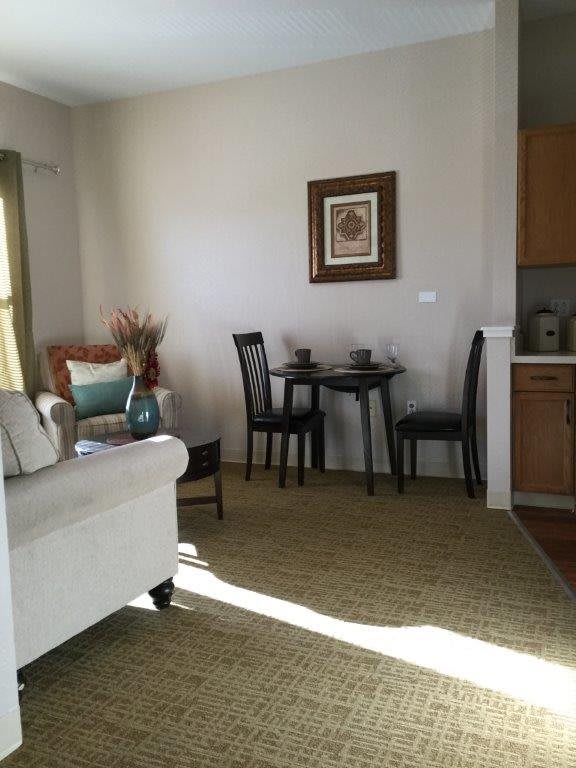
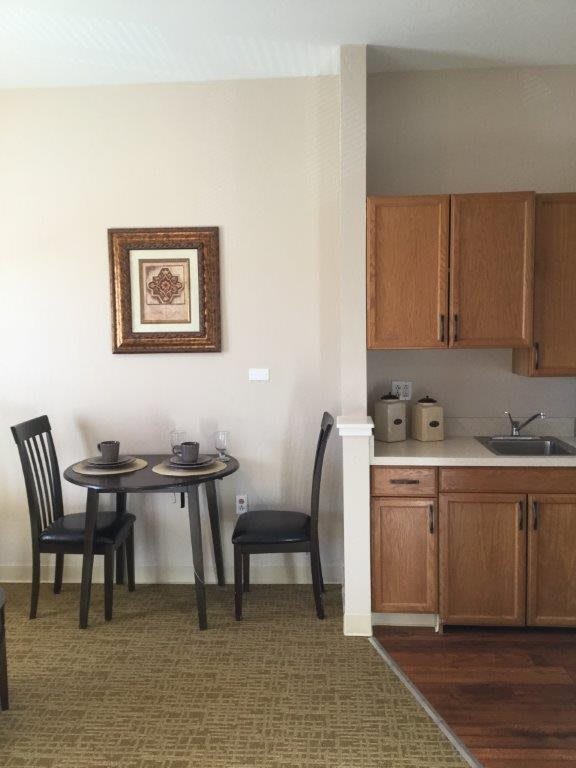
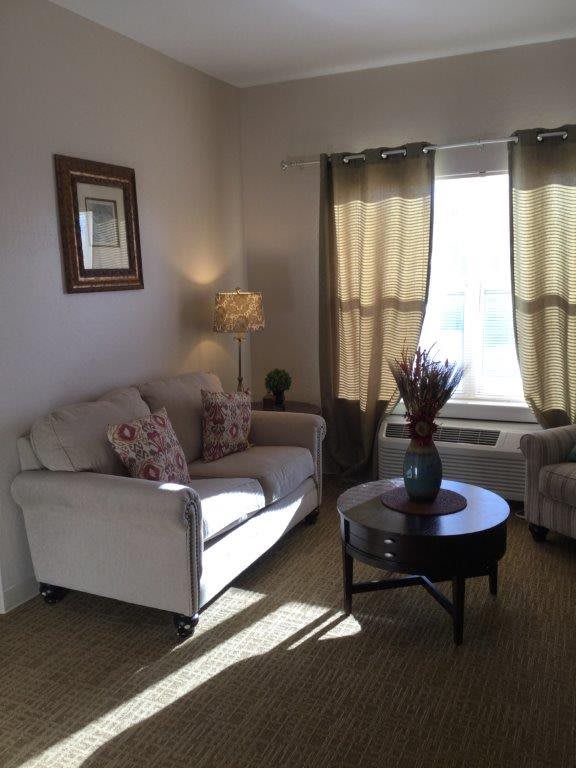
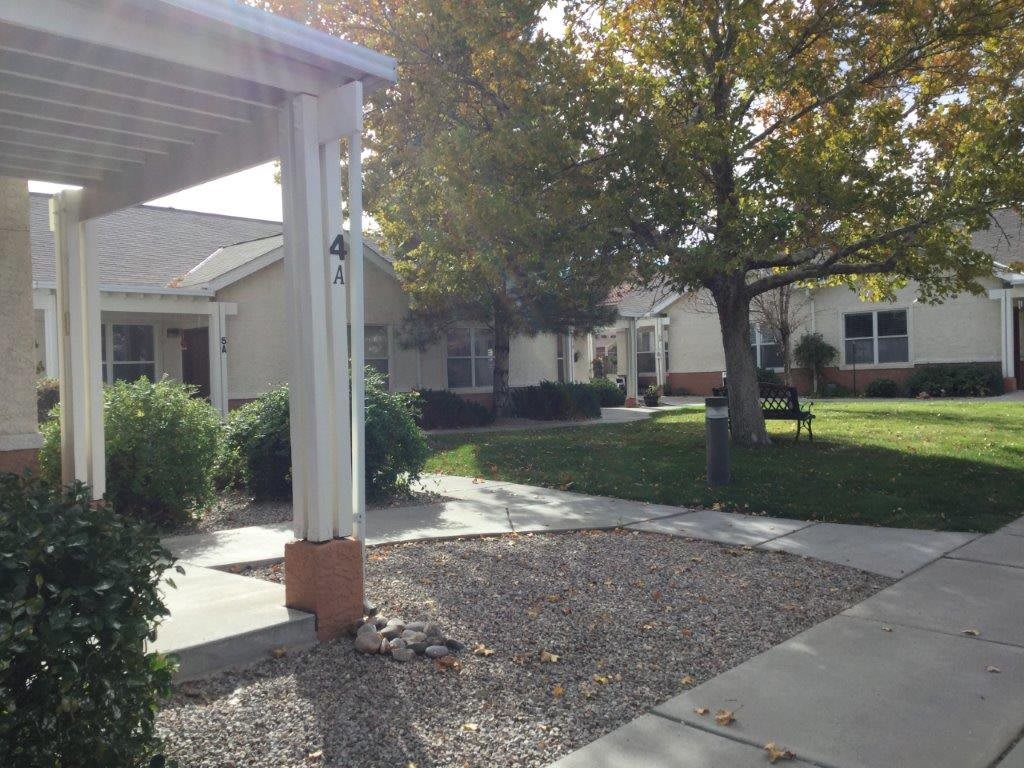
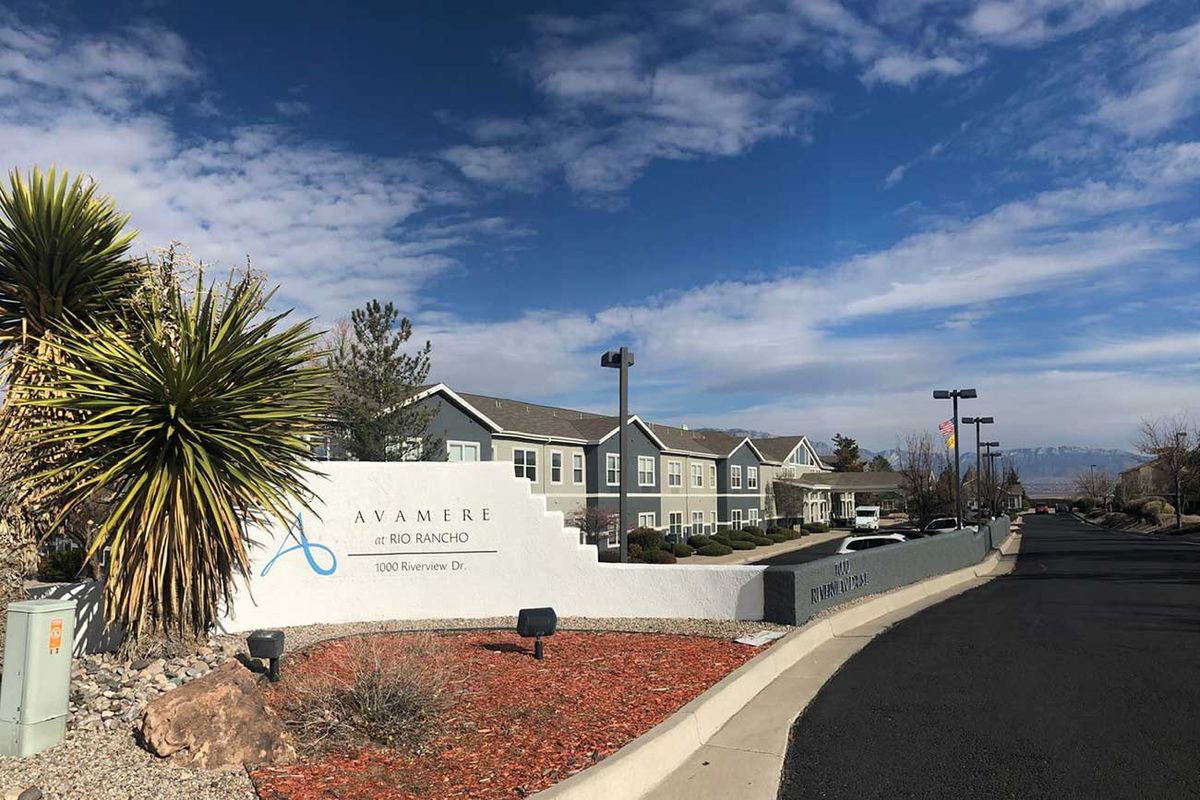
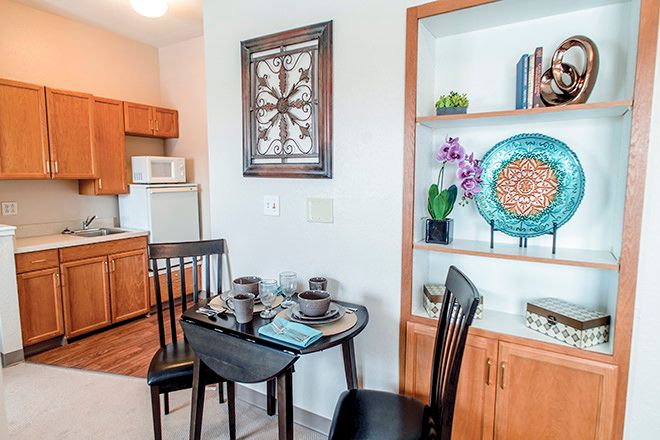
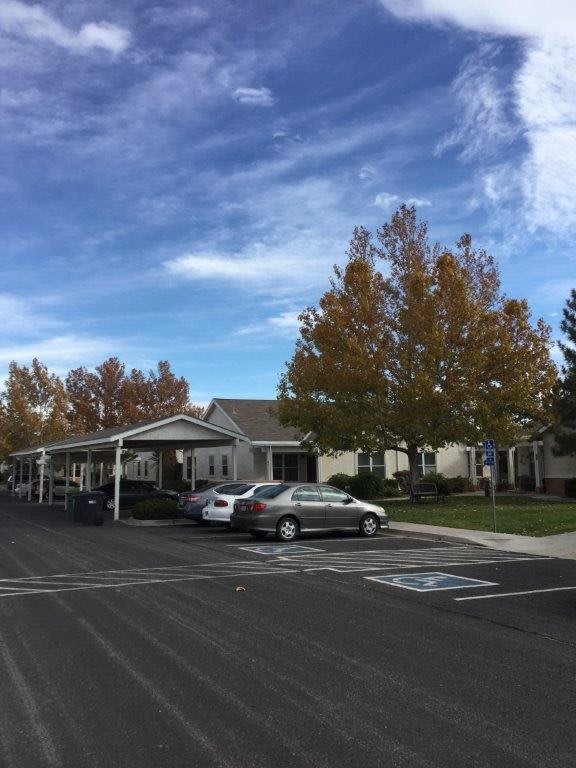
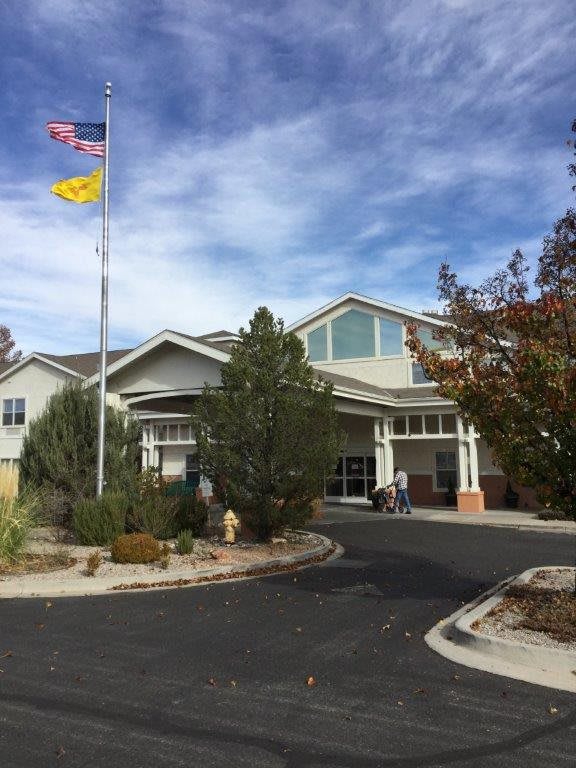
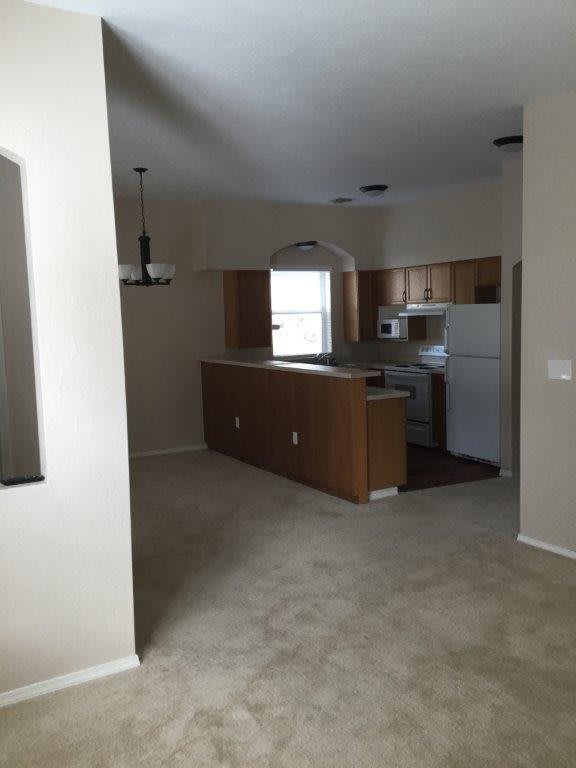
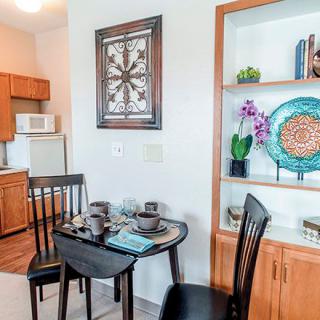
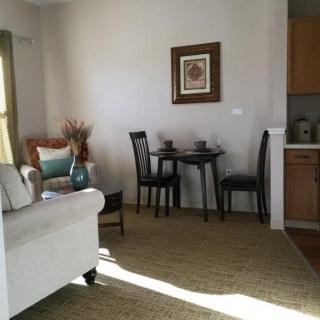
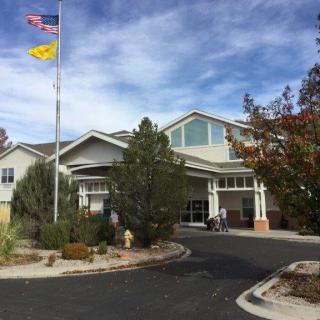
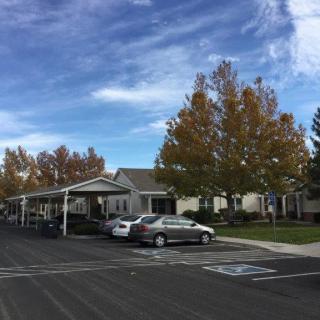
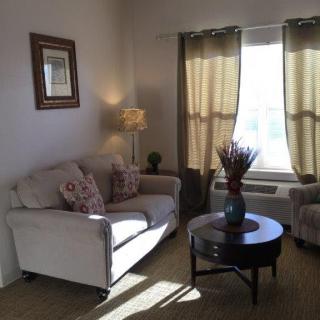
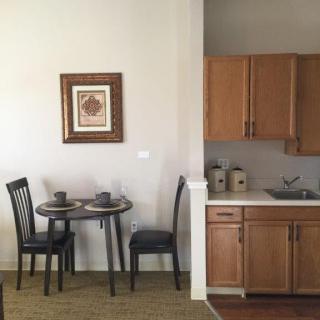
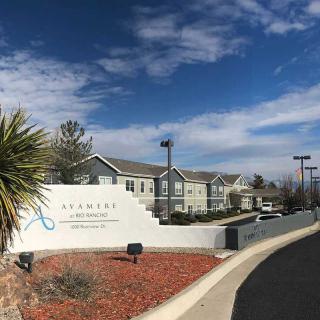
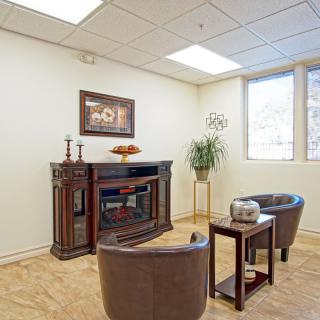
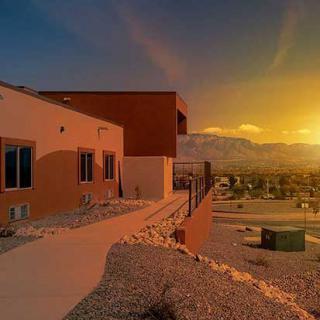
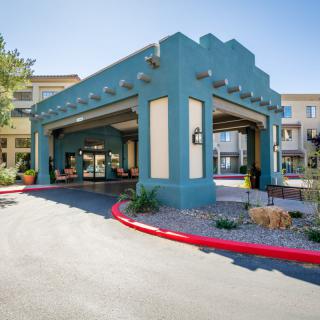
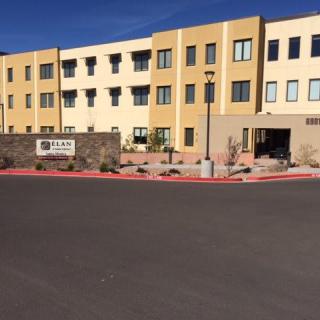
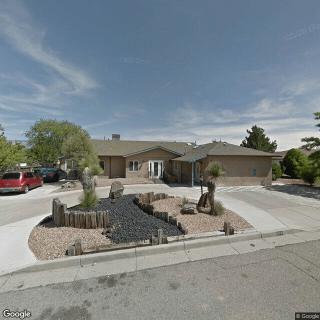
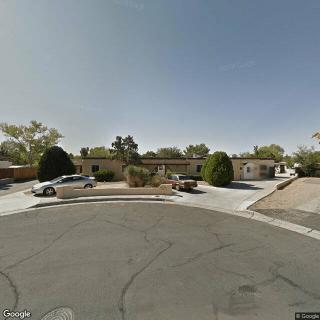
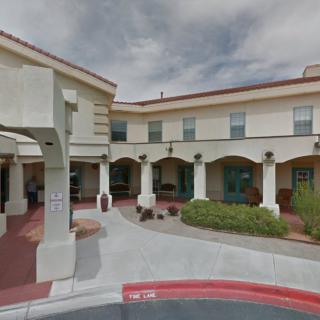
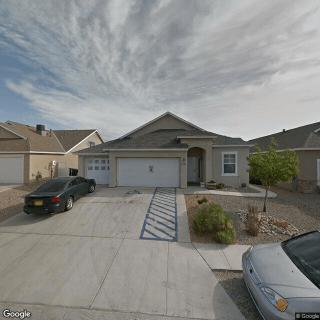
Avamere at Rio Rancho on seniors.fyi includes 9 photos including images showing dining, kitchen, decor, trees, interior, landscaping, living room, apartment complex, and more.
Nearby Communities
Fairwinds - Rio Rancho
Rio Rancho, NM
4.5 from 189 reviews
$2,675 to $3,895 / month
Friendly staff and a warm, hotel-like community with abundant activities.
Fairwinds Rio Rancho
Rio Rancho, NM
4.3 from 131 reviews
Clean, well-maintained facility with friendly staff and engaging activities.
Casa De Shalom
Rio Rancho, NM
5 from 4 reviews
$3,500 / month
Strong in-house medical care with open family communication.
Rio Rancho Center
Rio Rancho, NM
4.1 from 117 reviews
24/7 supervision and medication management.
Rio Rancho Nursing & Rehab Ctr
Rio Rancho, NM
4.2 from 100 reviews
Excellent access to medical services and nearby dining/pharmacy options.
Harmony House
Rio Rancho, NM
4.9 from 34 reviews
$3,250 to $3,600 / month
Small, home-like setting with highly personalized care and compassionate staff.
The Village At Alameda
Albuquerque, NM
4.4 from 103 reviews
$2,500 to $5,015 / month
Caring staff, clean apartments, and engaging activities.
Silver Wings Assisted Living LLC
Albuquerque, NM
4.2 from 20 reviews
$3,000 to $3,300 / month
Caring staff, spotless facility, and good value.
MorningStar at North Ridge
Albuquerque, NM
4.5 from 68 reviews
$3,350 to $10,620 / month
Attentive memory-care with friendly staff in a clean, engaging environment.
Transitioning from assisted living to memory care is driven by an individual's cognitive decline and specific needs, requiring careful evaluation of indicators like increased confusion and wandering. The process involves consulting medical professionals, researching suitable communities, considering financial and legal aspects, and ensuring effective communication for personalized care plans.
The article differentiates between assisted living and memory care, explaining that assisted living supports seniors with daily activities while promoting independence, whereas memory care provides specialized services for individuals with dementia, focusing on secure environments and cognitive support. It also addresses staff training, safety considerations, costs, family involvement, and transition strategies for families navigating these care options.
The article outlines effective communication strategies for interacting with loved ones with dementia, highlighting the need for empathy, patience, and understanding while emphasizing supportive approaches like using simple language, minimizing distractions, and focusing on feelings over facts to maintain dignity and foster connection. It also suggests seeking professional guidance when needed as communication challenges evolve.
Get PricingAsk A QuestionSchedule A TourContact Senior Advisor
By clicking submit, you agree to our Partner's Terms of Use. You
also consent to receive calls and texts, which may be autodialed, from our Partner. Your consent is not a condition to
using our Partner's service. Please visit our Partner's Privacy Policy for information about their privacy practices.


 22 resident community capacity
 1-bedroom apartments
 Assisted Living
 Independent Living
 Memory Care
 Respite Care
 Skilled Nursing Facility
 Cats allowed
 Dogs allowed
 Activities off-site
 Air-conditioning
 Bath tubs
 Beautician on-site
 Cable or satellite TV
 Devotional services off-site
 Dining room
 Financing advice
 Full kitchen
 Fully furnished
 Garden
 General store
 Ground floor units
 Guest parking
 Handicap accessible
 Housekeeping services
 Indoor common areas
 Laundry
 Move-in coordination
 Outdoor common areas
 Overnight guests
 Party space
 Restaurant-style dining
 Small library
 Telephone
 Wheelchair accessible showers
 Wi-Fi/high-speed internet available
 Albuquerque International (14 miles away)
 Transportation & parking
 12-16 hour nursing
 24-hour call system
 Ambulatory care
 Assistance with bathing
 Assistance with dressing
 Assistance with transfers
 Diabetes diet
 Diabetic care
 High acuity care
 Incontinence care
 Medication management
 Mental wellness program
 Special dietary restrictions
 Arts and crafts
 BBQs or picnics
 Book club
 Cooking club
 Day trips and outings
 Educational speakers / life long learning
 Fitness programs
 Games
Games Happy hour
 Karaoke
 Live musical performances
 Pet-focused programs
 Stretching classes
 English
 Friendly staff and a warm, hotel-like community with abundant activities.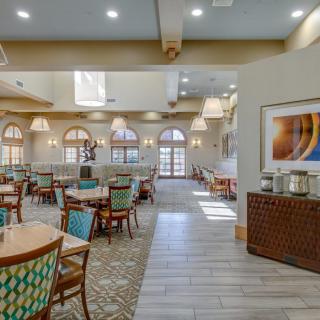


 When to Transition from Assisted Living to Memory Care: Key Indicators, Steps, and Finding the Right Community
 Understanding the Distinctions: Assisted Living and Memory Care Explained
 How to Communicate with a Loved One Living with Dementia: 10 Supportive Strategies