
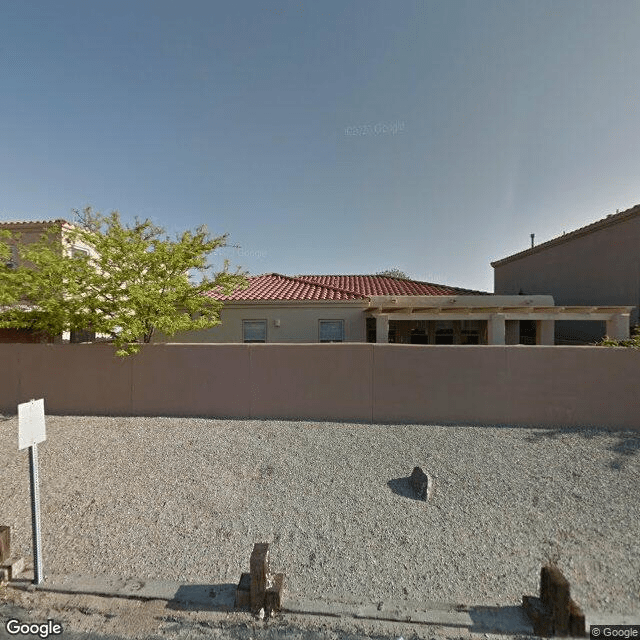
5224 Old Adobe trail NW, Albuquerque, NM 87120
To contact a resident: (505) 270-0801
For more information about senior living options: (866) 208-4318
The Retreat at Oxbow North Costs & Pricing
The Retreat at Oxbow North positions itself as a premium option in the realm of assisted living, with monthly costs for a private room set at $5,600. When compared to the average rates within Bernalillo County, which stand at approximately $4,602, and the broader state average of $4,391 in New Mexico, it's clear that The Retreat offers additional amenities or services that justify its higher price point. Residents can expect a comprehensive level of care and personalized attention that may not be as readily available at more budget-friendly facilities. This investment reflects not just a place to live but a commitment to quality care and an enriching lifestyle for its residents.
| Floor plans | The Retreat at Oxbow North | Bernalillo County | New Mexico |
|---|---|---|---|
| Private | $5,600 | $4,602 | $4,391 |
Senior living communities with a similar price nearby
-
from -$300 / mo
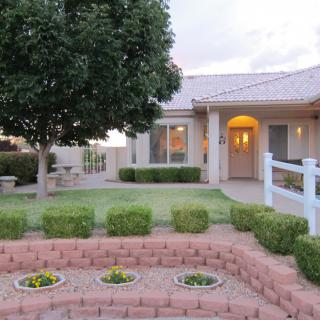
Buena Vista Senior Care
$5,300 / month7.9 miles away -
from -$500 / mo

Amaran Senior Living
$5,100 to $8,140 / month12.4 miles away -
from -$700 / mo
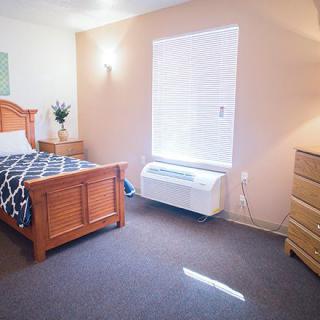
Avista Senior Living Albuquerque
$4,900 to $5,600 / month10.5 miles away -
from -$1100 / mo
Bee Hive Homes Of Rio Rancho II
$4,500 / month9.3 miles away -
from -$601 / mo
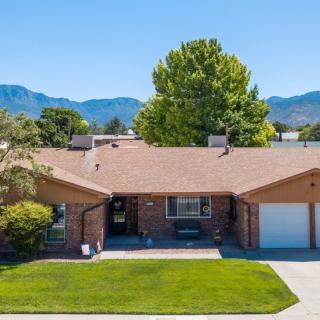
Haven Care Birch House
$4,999 to $5,300 / month9.5 miles away
Overall Review of The Retreat at Oxbow North
Pros
 The one long-term employee provided exemplary care.
- She was great and essential to the care.
- The Gordons were grateful for the exemplary care she provided.
Cons
 The facility provided genuinely shameful, abhorrently bad care to the grandfather for the last 10 years of his life.
- Oxbow never provided boutique services as advertised and promised.
- There was never an on-site barbershop.
- Transportation and simple errands were most often placed on the families to coordinate.
- The beautiful patio outdoors was converted into a fourth bedroom, leaving very little outdoor space for residents.
- The kitchen was frequently dirty on weekends.
- Dog poop was left too long in the back yard.
- The father was served frozen food from Costco on weekends, including high-sodium foods such as hot dogs and pot pies.
- The parents’ photos were posted on social media without permission and remain posted despite requests to remove them.
- The private bathroom was frequently dirty on weekends; soiled underwear was left by the commode.
- The care became progressively worse through the years.
- Minimal assistance was provided on weekends.
Review
This community is best suited for families who can maintain intense, hands-on oversight and are prepared to supplement care with outside help. It is not a fit for seniors who require reliable daily assistance, strong memory-care support, or residents who cannot be closely monitored by relatives or paid caregivers. The patterns in the experiences shared by multiple families point to a setting where proactive families must become the primary advocates, coordinators, and security operators to compensate for gaps in on-site care, oversight, and accountability.
Those considering alternatives should look for facilities with transparent operations, consistently clean environments, and staffing models that provide reliable weekend coverage and visible, ongoing supervision. Seek out places that demonstrate a genuine commitment to resident dignity, with clear policies about safeguarding belongings, privacy, and family involvement. If a community’s promises, such as boutique services, on-site amenities, and resident-centered activities, cannot be verified in person, or if there is a history of posting resident photos without consent, those are red flags that suggest moving on to options with stronger governance and better resident protections.
The few apparent positives do not meaningfully offset the core issues. A single long-standing caregiver delivering exemplary personal attention cannot compensate for the broader pattern of unmet expectations and safety concerns described over years. Promises of amenities and service quality were not realized: the on-site barbershop never appeared, transportation often landed in family hands, and a spacious outdoor area was repurposed into more rooms, shrinking opportunities for residents to enjoy fresh air and light activity. Kitchens and dining experiences were inconsistent, with weekends presenting the most tangible lapses in cleanliness and quality. These gaps directly undermine comfort, autonomy, and trust in daily routines.
Crucial warning signs emerge in the operational realities: repeated failures to protect residents’ belongings, including wallet and cell phone theft, minimal weekend support, and a reluctance to address concerns through proper channels. Families were forced to hire external nurses to cover weekends, and there was resistance to adjusting care arrangements even as a resident’s condition evolved. Social media posting of family photos without consent further erodes trust. Taken together, these factors create an environment where safety, privacy, and compassionate care are not reliably guaranteed, making the perceived short-term financial appeal insufficient.
For families navigating a decision, concrete steps matter. Arrange unannounced visits on weekends to observe staffing and resident interactions, and insist on meeting direct caregivers and the administrator. Request a current, written care plan with measurable goals and escalation protocols, and review how changes in a resident’s condition are communicated. Inspect the kitchen, dining service, and sanitation practices on a typical day; verify how belongings are stored and safeguarded; and ask for recent incident logs or references from current residents’ families. Ensure there is a clear policy about all photos or social media postings and a documented process for handling grievances.
In terms of memory-care or higher-need care, this setting falls short. The experiences describe deep dementia and mobility concerns that demanded more robust, proactive supervision than was consistently provided. For seniors requiring reliable daily assistance, predictable staffing, or a culture of resident-first care, this community is not a prudent choice. Alternatives with demonstrated stability, transparent governance, and active engagement with families offer a safer path for peace of mind, better quality of life, and fewer harsh surprises as health needs evolve. The prudent conclusion is to pursue options with verifiable commitments to care, safety, and resident dignity, rather than accepting a pattern of deferred maintenance and disengaged oversight.
 Board and Care Home
 Private
 Albuquerque International (8 miles away)
 Ambulatory care
 High acuity care
 Medication management



 A Comprehensive Exploration of Common Misunderstandings about Powers of Attorney
 Senior Move Management: Understanding the Role, Value, and Associated Costs
 Weight Training for Seniors: Building Strength and Vitality